
Michelin Bib Gourmand
Our verdict
On the edge of Gijón's historic Cimadevilla district, El Recetario holds a 2024 Michelin Bib Gourmand for cooking that repositions Asturian tradition through technical precision and market-driven ingredients. The format splits between a ground-floor bar for sharing plates and a contemporary basement dining room. At the €€ price point, it represents the more accessible end of serious contemporary cooking in the city.

Pearl is the En Primeur Club membership app — saves, bookings, and concierge access live there. Same editors, same standards.
- Address
- C. Trinidad, 1, Centro, 33201 Gijón, Asturias, Spain
- Phone
- +34 984 08 28 94
- Hours
- Mon 1:45–3:45 PM, 8:30–11 PMTue–Wed ClosedThu–Sun 1:45–3:45 PM, 8:30–11 PM
- Website
- elrecetariodealex.com
- Directions
- Get directions
The menu
What to order
- Foie gras pizza
- Hake meatballs with prawn sauce
- Octopus fideua
- Beef gizzards with potato cream
- Apple pie
- Iberian ham croquettes
Where Asturian Tradition Gets a Technical Rethink
Cimadevilla, Gijón's oldest quarter, sits on a headland above the port, its narrow streets lined with the kind of bars and sidrerías that have been pouring cider and serving grilled fish for generations. The neighbourhood carries a gravitational pull toward the familiar: fabada, salt cod, octopus cooked to the same reliable standard as it was thirty years ago. Against that backdrop, the Asturian restaurants that have chosen to work with tradition rather than simply repeat it occupy a more demanding position. They have to satisfy locals who know the reference points intimately while justifying a newer technical vocabulary. El Recetario, positioned on Calle Trinidad at the district's edge, operates in exactly that contested territory.
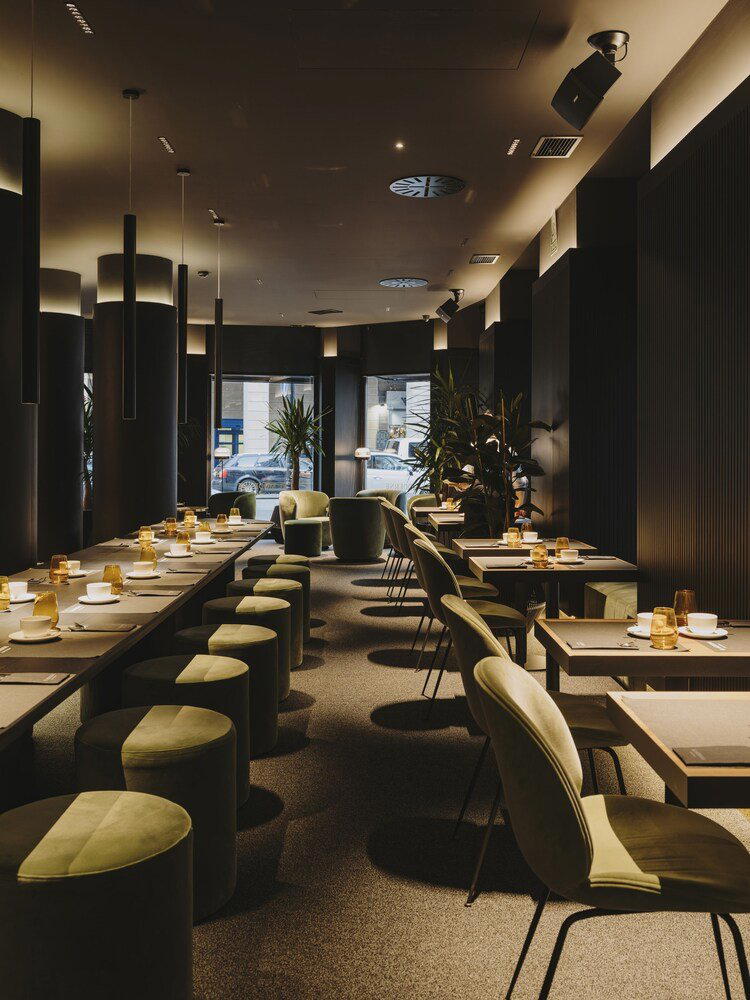
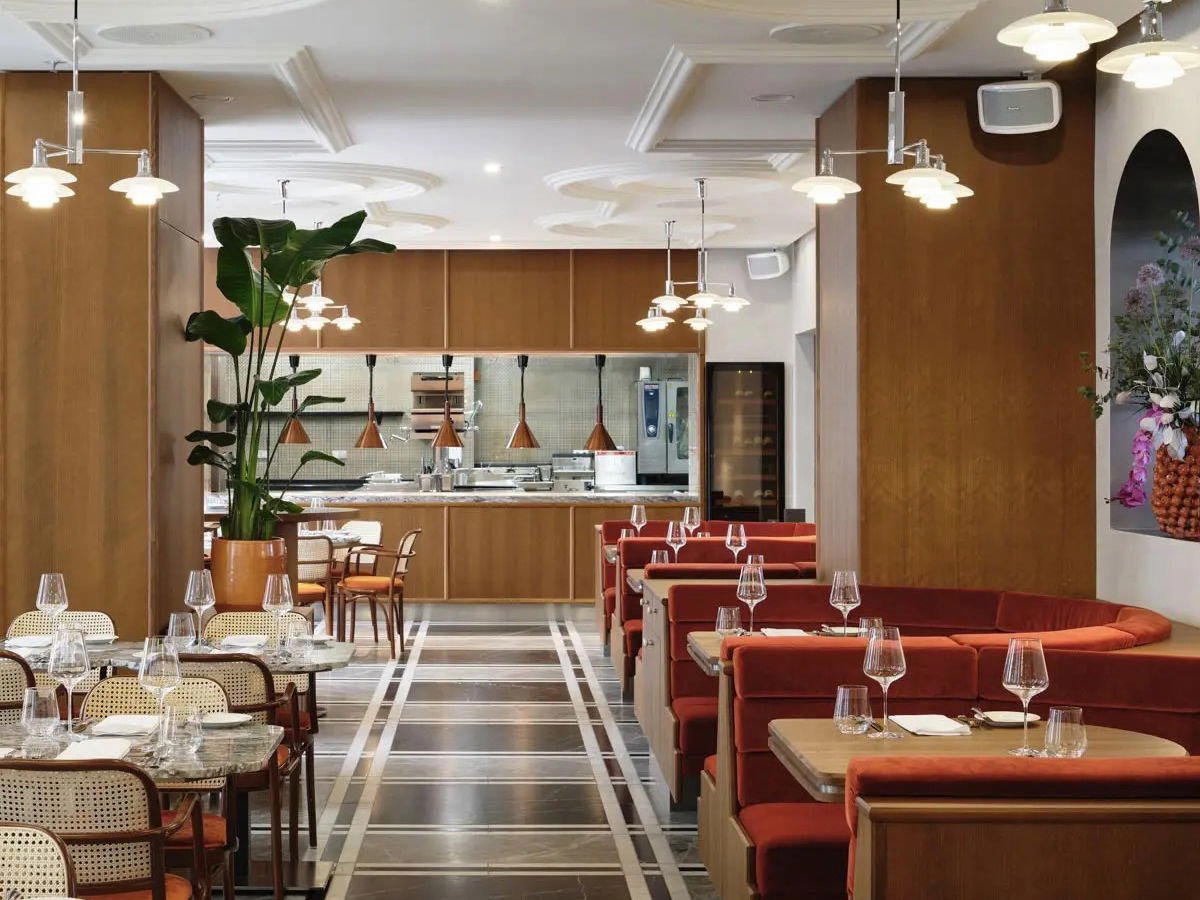
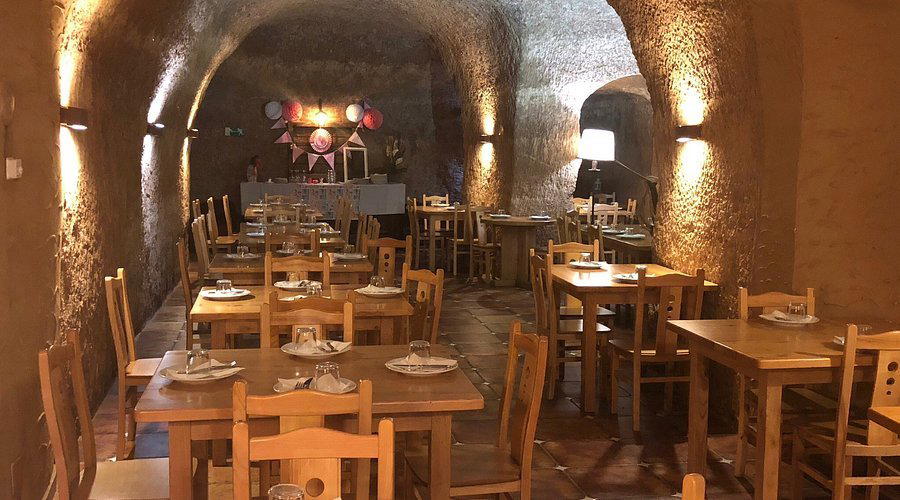
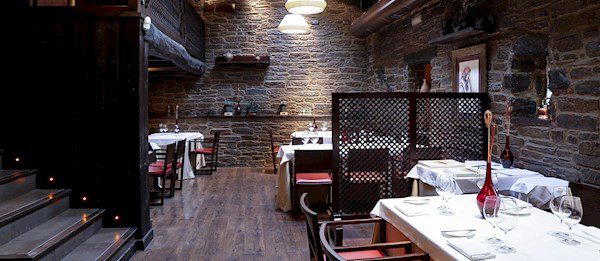
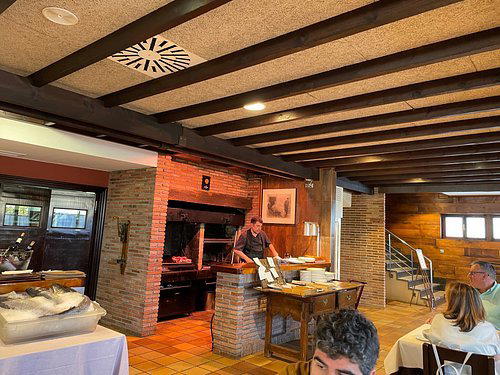
The physical setup reflects the dual ambition. A bar runs across the entrance level, where you can order sharing plates without committing to a full sitting. Below that, a basement dining room keeps the aesthetic contemporary but unshowy. There is no tasting-menu theatre here, no dramatic lighting or tableside ritual. The format is more practical than performative, which places it in a different register from the headline-chasing restaurants that tend to attract international attention. That restraint is part of the point.
The Cultural Weight of Updating a Regional Kitchen
Northern Spain's culinary identity is layered in ways that take time to read. The Basque Country, a few hours east, has produced some of Spain's most discussed restaurants: Arzak in San Sebastián built a model for how deep regional knowledge and forward technique could coexist without one erasing the other. Further south, El Celler de Can Roca in Girona applied a similar logic to Catalan tradition. In Madrid, DiverXO went in a more disruptive direction entirely. Asturias, by contrast, has developed its contemporary dining identity more quietly, without the same international amplification, which means the conversation about what regional cooking can become is still very much open.
Asturian cuisine is grounded in the sea and the interior simultaneously: cider-braised meat, bean stews, fresh fish from the Cantabrian coast, dairy from the inland valleys. What constitutes a respectful update of that canon, as opposed to a superficial rebranding, is a live question in the city. The kitchens that have earned Michelin attention in Gijón answer it differently. Auga holds a full star and works at the €€€ tier with a more formal take on traditional cuisine. Marcos, also at one star and priced at €€€€, pushes toward modern cuisine with less explicit regional anchoring. El Recetario sits at €€ with a Bib Gourmand, which in Michelin's framework signals cooking of serious quality at a price point that does not require the diner to plan around the expense.
The Bib Gourmand, first awarded in 2024, is a meaningful distinction in this context. It is not a consolation for a near-miss star; it is a specific judgment that the value-to-quality ratio justifies a separate recommendation. In Spanish cities where the mid-tier has historically been the weakest link, that recognition carries weight.
The Cooking: Technical Precision at an Accessible Price
The approach at El Recetario is described as market-inspired and urban, which in practice means the menu tracks seasonal availability and interprets classic Asturian preparations through a lens of texture, balance, and restrained seasoning. The dishes that appear in Michelin's own notes give a working sense of the range: foie gras pizza, hake balls with prawn sauce, the house-style tripe. That selection shows a kitchen comfortable moving between luxury ingredients and the cheaper, slow-cooked cuts that define traditional Asturian home cooking, applying similar levels of technical care to both.
Half-plate format the restaurant encourages is worth noting. It allows a table to cover more ground across the menu rather than committing to a fixed progression, which suits the cooking's range and keeps the meal flexible. The daily specials are worth particular attention, as they tend to reflect whatever the market offered that morning rather than a standing menu built around consistency. In a kitchen that describes itself as market-driven, the specials are often where the cooking is at its most direct.
Within Gijón's contemporary tier, the comparison set at a similar price point includes Gloria, Farragua, and Abarike, each working through different angles of the city's food identity. What El Recetario's Bib Gourmand does is position it as the entry point into the Michelin-recognised tier of the city's dining, which in practical terms means it attracts both local regulars and visitors who want quality cooking without the full-commitment format of a starred sit-down. That dual audience is a product of the bar-and-dining-room split as much as the price.
Planning a Visit
El Recetario is on Calle Trinidad, 1, at the edge of the Cimadevilla district in central Gijón (postal code 33201). The ground-floor bar is appropriate for an informal meal of sharing plates, while the basement dining room suits a longer sitting built around half plates and daily specials. At the €€ price range, the spend per head sits below the starred tier and is competitive for the level of cooking on offer. For further context on Gijón's restaurant scene, see our full Gijón restaurants guide, along with hotels, bars, wineries, and experiences guides for the city.
For readers who want to extend the Spanish contemporary-cooking conversation beyond Asturias, the range of work now visible across the country is substantial. Aponiente in El Puerto de Santa María, Azurmendi in Larrabetzu, and Cocina Hermanos Torres in Barcelona each represent a different regional answer to the same broad question about what Spanish cooking can do when it takes its own traditions seriously. Internationally, analogous conversations about technique and cultural rootedness are taking place at César in New York City and Jungsik in Seoul, where the relationship between a national culinary vocabulary and a contemporary kitchen grammar is equally contested.
Frequently asked questions
What's the pricing like at El Recetario?
Pricing at El Recetario is listed as €€.
Cuisine Context
A quick peer reference to anchor this venue in its category.
| Venue | Cuisine | Price | Awards | Notes |
|---|---|---|---|---|
| El RecetarioThis venue — the venue you are viewing | Modern Asturian with Market-Inspired Seasonal Cuisine | $50–100 | Michelin Bib Gourmand | Not listed |
| Auga | Modern Spanish Seafood | $100–150 | 1 Michelin Star · Guía Repsol 2 Soles | Traditional Cuisine |
| Marcos | Modern Asturian Fine Dining | $150–200 | 1 Michelin Star · Macarfi 8.7 Food Rating | Modern Cuisine |
| Farragua | Modern Spanish with Asturian and Extremaduran Roots | $50–100 | Michelin Bib Gourmand · Macarfi 8.7 Food Rating | Modern Cuisine |
| Gloria | Modern Spanish Tapas | $30–50 | Michelin Plate · Macarfi 8 Food Rating | Contemporary |
| Abarike | Modern Cantabrian Seafood | $50–100 | Michelin Plate · Macarfi 8 Food Rating | Seafood |
Recognition history
Dated appearances from independent guides and award organizations, with the underlying list record or original source where available.
Michelin Bib Gourmand
Michelin
Full recognition history (3 entries)
Michelin Bib Gourmand
Michelin
Michelin Bib Gourmand
Michelin
Continue exploring
More in Gijón
Restaurants in Gijón
Browse all →
Details
- Elegant
- Modern
- Sophisticated
- Cozy
- Date Night
- Group Dining
- Special Occasion
- Celebration
- Standalone
- Local Sourcing
- A La Carte
- Small Plates
- Tasting Menu
- Wine
- Local Sparkling Wine
- Allergy Accommodating
Current opening hours
- Monday
- 1:45–3:45 PM, 8:30–11 PM
- Tuesday
- Closed
- Wednesday
- Closed
- Thursday
- 1:45–3:45 PM, 8:30–11 PM
- Friday
- 1:45–3:45 PM, 8:30–11 PM
- Saturday
- 1:45–3:45 PM, 8:30–11 PM
- Sunday
- 1:45–3:45 PM, 8:30–11 PM
Hours can change for holidays and private events. Last verified .
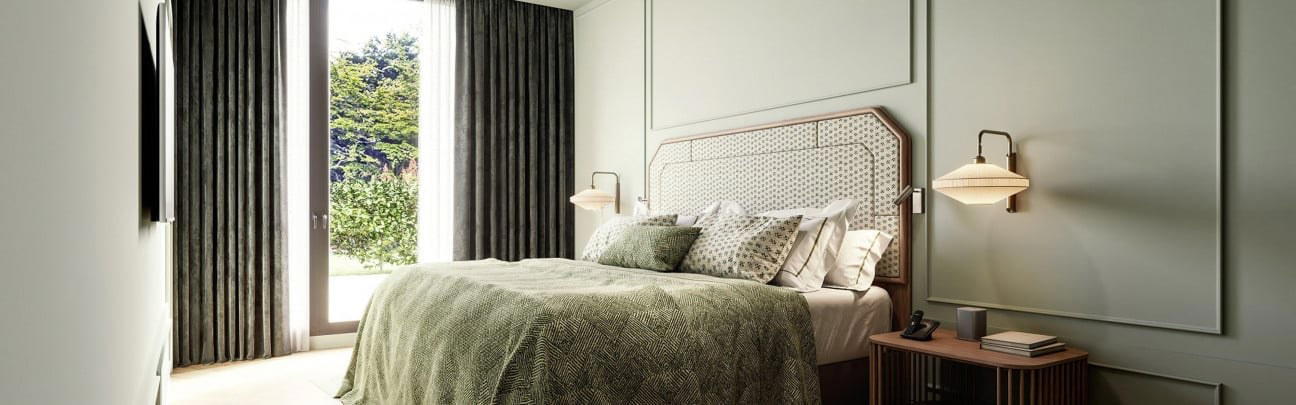
Modern, elegant dining room with clean design and careful table spacing; described as cozy yet slightly formal with attentive, professional service.