



1 Michelin Star · Guía Repsol 3 Soles · Macarfi 9.1 Food Rating
Our verdict
Operating from the same Asturian roadhouse since 1882, Casa Gerardo holds a Michelin star and ranks #327 in the Opinionated About Dining Top Restaurants in Europe (2025). Five generations of the Morán family have shaped its kitchen, with Pedro and Marcos Morán now running a menu that holds traditional Asturian dishes alongside a technically ambitious tasting program. The fabada de Prendes alone justifies the drive out from Oviedo or Gijón.

Pearl is the En Primeur Club membership app — saves, bookings, and concierge access live there. Same editors, same standards.
- Address
- AS-19, km 9, 33438 Prendes, Asturias, Spain
- Phone
- +34 985 88 77 97
- Hours
- Mon 1–6 PMTue ClosedWed–Sun 1–6 PM
- Website
- restaurantecasagerardo.es
- Directions
- Get directions
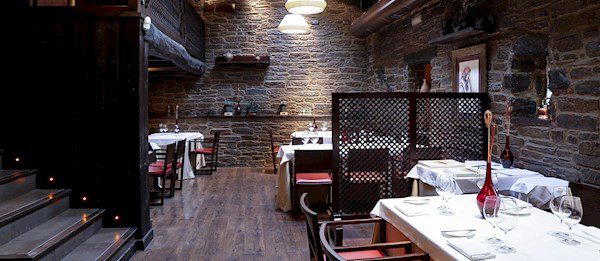
A Roadhouse with 140 Years of Evidence
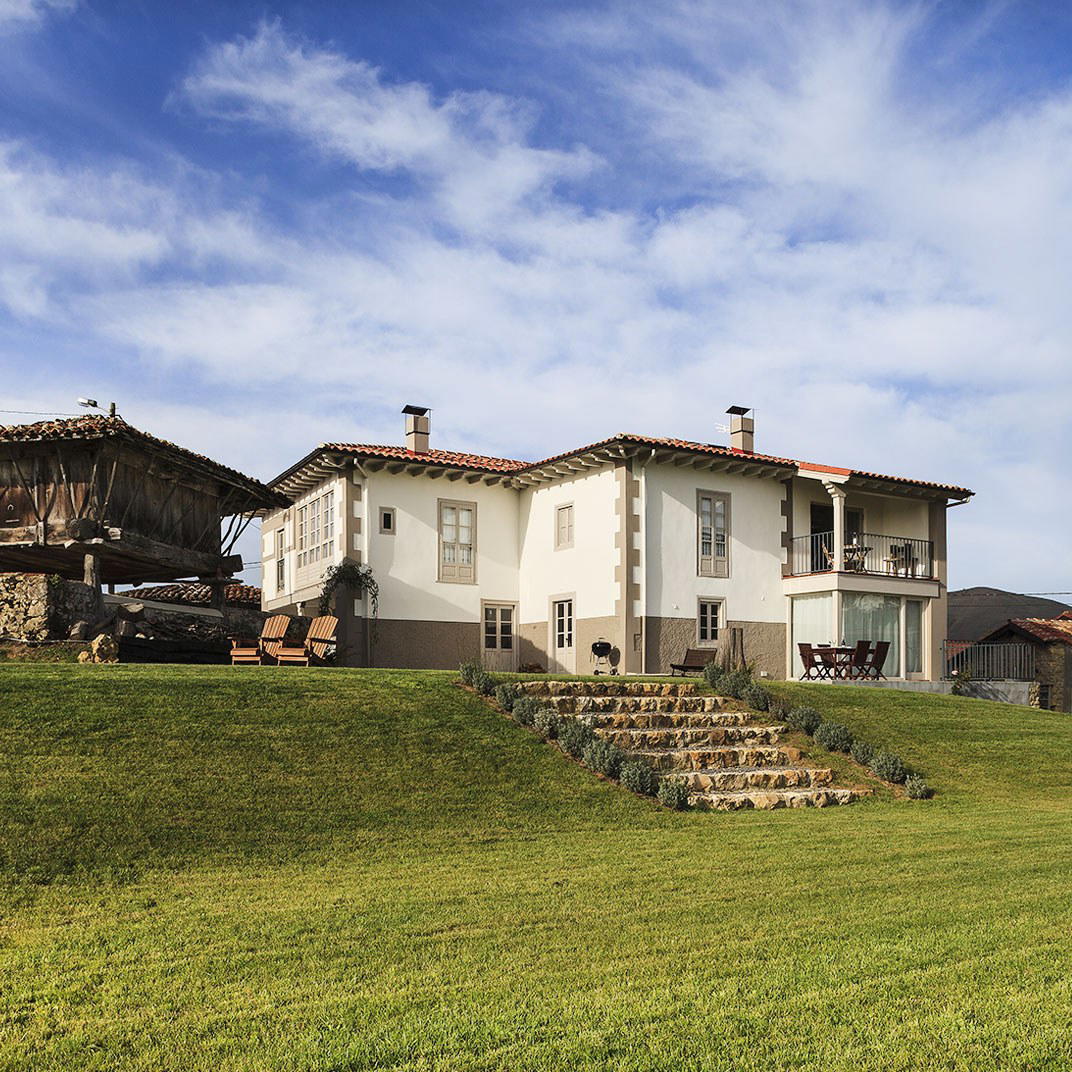
Along the AS-19 coastal road between Oviedo and Gijón, the Asturian countryside presents a particular kind of green — persistent, rain-fed, unremarkable to anyone passing through at speed. Casa Gerardo sits at kilometre 9 of that road, in Prendes, in a building that has housed the same family's restaurant since 1882. The exterior offers no grand gestures. What it offers instead is permanence, and in the context of Spanish fine dining, that carries its own weight.
Multi-generational restaurants occupy a specific niche in European fine dining. Unlike the modernist temples that rose rapidly through Michelin's upper tiers in the 1990s and 2000s, these houses accumulate credibility through continuity rather than reinvention. Casa Gerardo is now five generations deep, with Pedro and Marcos Morán running the kitchen in a collaboration that the restaurant's Michelin star (2024) and a ranking of #327 in the Opinionated About Dining Leading Restaurants in Europe (2025) suggest is substantively working. The OAD ranking, which is populated by votes from industry professionals and experienced diners rather than anonymous critics, positions Casa Gerardo alongside destination restaurants that attract committed travelers. In 2024, it ranked #295 on the same list, and received an OAD Highly Recommended designation for leading new restaurants in Europe in 2023, signaling that the kitchen's recent direction is being noticed beyond the region.
For broader context on Spain's fine dining tier, see our coverage of Arzak in San Sebastián, Azurmendi in Larrabetzu, and El Celler de Can Roca in Girona.
The Architecture of the Menu: Tradition as a Structural Choice
The tension at the center of any long-established regional restaurant is a familiar one: how much of the original should survive contact with the contemporary kitchen. Some houses resolve this by building a strict separation between classic and modern, offering parallel menus that never speak to each other. Others collapse the distinction entirely, processing heritage through a modernist lens until the original is barely traceable. Casa Gerardo's approach sits in a third position. The à la carte preserves a dedicated section for time-honored Asturian recipes alongside more technique-driven modern preparations, and the tasting menus, which carry names that signal their intent (Clásicos, Degustación 1882, and Geles, each available with wine pairing), are structured to make the lineage visible rather than buried.
The fabada de Prendes, the restaurant's bean stew anchored in the local canon of Asturian cocina, appears as a main course across the menus. Fabada is a dish that rewards restraint and patience in a way that modern tasting menus rarely allow for, and its presence here is an editorial statement about what the kitchen values. The Pitu de Caleya, a slow-cooked local chicken preparation, and Asturian tripe continue that pattern. The crema de arroz con leche requemada, the restaurant's rice dessert with its burnt cream finish, closes the meal in a register that is distinctly regional. These are not museum pieces served with apology; they are the spine of the menu, and the modern preparations are built around them rather than the other way around.
This structure matters for how you read the kitchen's ambitions. The creative work at Aponiente in El Puerto de Santa María or DiverXO in Madrid, both operating at the three-star level with €€€€ price points, is organized around dismantling and reassembling the culinary canon. Casa Gerardo's project is different and, within its own terms, equally demanding: to run a restaurant where a bean stew from the nineteenth century and a technically modern tasting menu coexist without either feeling like a concession.
The Generational Handover and What It Means for the Kitchen
The editorial angle that applies to Casa Gerardo is not the chef-as-protagonist narrative that fills many restaurant profiles. Pedro and Marcos Morán's collaboration is interesting less as personal biography and more as a case study in how regional Spanish restaurants have handled the passage from tradition-bound cooking to modern technique without losing institutional memory. The generation that opened Spain's creative cooking to international attention in the 1990s, working through the Basque country and later Catalonia and Valencia, did so largely by breaking from established family practices. The Morán model runs in the opposite direction: technical range expanding within, rather than against, a 140-year-old framework.
Marcos Morán's expansion beyond Prendes, with Spanish-inspired restaurants in London, Brussels, and Nha Trang, is worth noting as a signal that the kitchen's identity has been formalized clearly enough to translate. Export is harder for regional cooking than for modernist cooking, which tends to travel more easily because its reference points are international from the start. That the Morán project has reached three continents while the Prendes original holds a Michelin star says something about the coherence of the culinary proposition. Compare this to the Basque lineage visible at Martin Berasategui in Lasarte-Oria, where a flagship with three stars has similarly anchored a broader network of restaurants without diluting the source.
For those interested in how Spain's regional fine dining compares across geographies, our guides to Quique Dacosta in Dénia, Mugaritz in Errenteria, Ricard Camarena in València, Atrio in Cáceres, and Cocina Hermanos Torres in Barcelona offer useful comparisons. For reference points beyond Spain, see our coverage of Le Bernardin in New York City and Atomix in New York City.
Asturias as a Dining Region
Asturias sits outside the circuits that dominate Spanish fine dining coverage. The Basque Country and Catalonia draw the bulk of international dining tourism; Asturias is visited more by Spanish travelers than foreign ones, and its culinary identity, built around cider, seafood from the Cantabrian coast, mountain cheeses, and the bean-and-pork traditions of inland cooking, has developed with less external pressure to perform for an international audience. That relative insularity has preserved something: Asturian cuisine remains legible as a regional tradition in a way that some more internationally-scrutinized Spanish cuisines no longer are.
Casa Gerardo operates within that tradition and draws its authority from it.
Planning Your Visit
The restaurant sits on the AS-19 at kilometre 9 in Prendes, making it most naturally reached by car from either Oviedo or Gijón, both of which are within direct driving distance. Service runs daily for lunch from 1 PM, closing at 6 PM across the full week. Dinner service operates Wednesday through Friday, with Wednesday and Thursday closing at 11 PM and Friday extending to 11:30 PM; Saturday and Sunday service is lunch only. At the €€€ price tier, Casa Gerardo prices meaningfully below the three-star Spanish houses with which it shares critical recognition, making it the more accessible option for the Asturian region. The tasting menus — Clásicos, Degustación 1882, and Geles, each offer a wine pairing option, which given the regional specificity of the food is worth taking. Reservations are advisable, particularly for weekend lunch and Wednesday through Friday dinner.
To plan a fuller Asturian visit, see our full Prendes restaurants guide, our full Prendes hotels guide, our full Prendes bars guide, our full Prendes wineries guide, and our full Prendes experiences guide.
Frequently asked questions
What's the pricing like at Casa Gerardo?
Pricing at Casa Gerardo is listed as €€€.
Fast Comparison
| Venue | Cuisine | Price | Awards |
|---|---|---|---|
| Casa GerardoThis venue — the venue you are viewing | Contemporary Asturian | $50–100 | 1 Michelin Star · Guía Repsol 3 Soles |
| Aponiente | Progressive - Seafood, Creative | Not listed | Michelin 3 Star |
| Arzak | Modern Basque, Creative | Not listed | Michelin 3 Star |
| DiverXO | Progressive - Asian, Creative | Not listed | Michelin 3 Star |
| El Celler de Can Roca | Progressive Spanish, Creative | Not listed | Michelin 3 Star |
| Quique Dacosta | Creative | Not listed | Michelin 3 Star |
Recognition history
Dated appearances from independent guides and award organizations, with the underlying list record or original source where available.
Michelin 1 Star
Michelin
Guía Repsol 3 Soles
Guía Repsol
Macarfi 9.1 Food Rating
Macarfi
Opinionated About Dining Top Restaurants in Europe Recommended
Opinionated About Dining
Full recognition history (9 entries)
Michelin 1 Star
Michelin
Opinionated About Dining Top Restaurants in Europe Ranked #327
Opinionated About Dining
Michelin 1 Star
Michelin
Opinionated About Dining Top Restaurants in Europe Ranked #295
Opinionated About Dining
Opinionated About Dining Top New Restaurants in Europe Highly Recommended
Opinionated About Dining
Continue exploring
More in Prendes
Restaurants in Prendes
Browse all →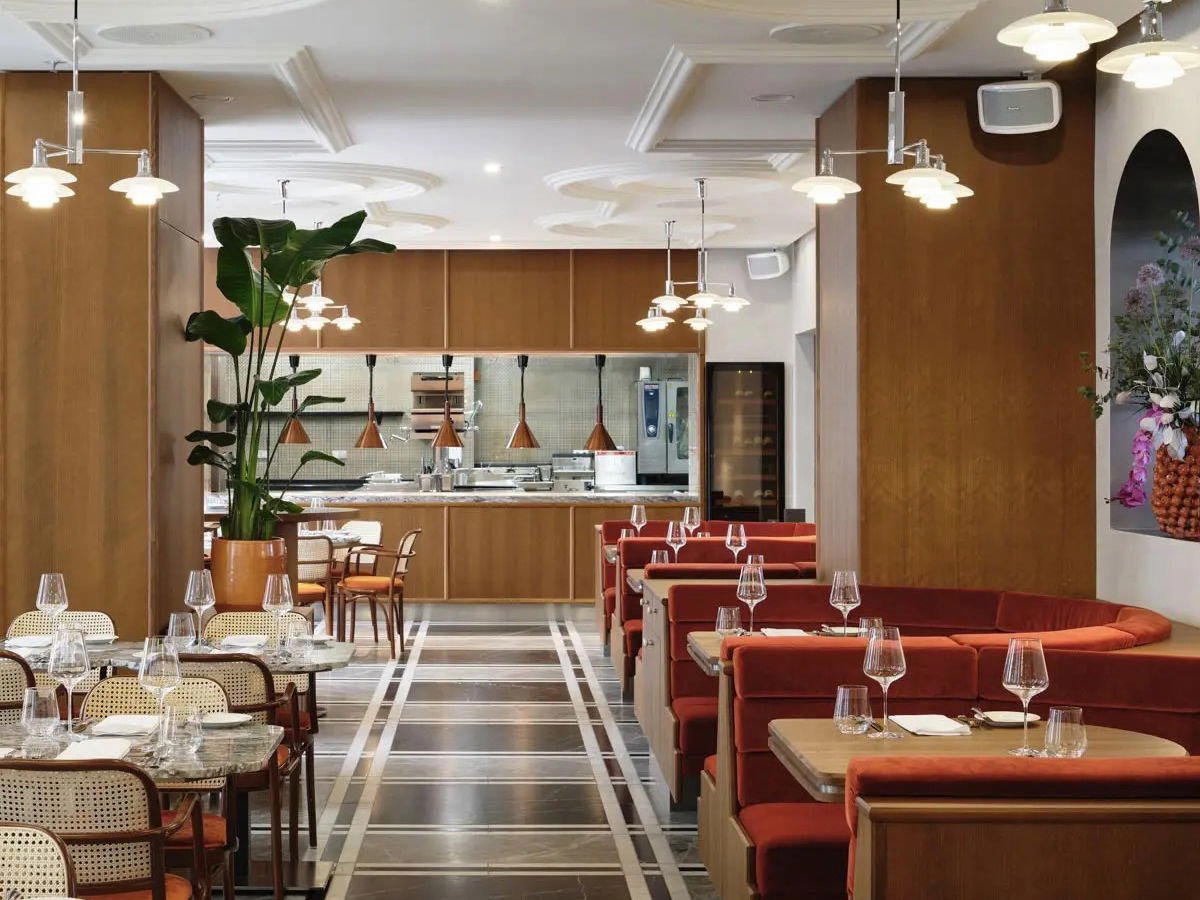

Details
- Elegant
- Rustic
- Sophisticated
- Cozy
- Special Occasion
- Date Night
- Celebration
- Open Kitchen
- Historic Building
- Standalone
- Local Sourcing
- Farm To Table
- Tasting Menu
- A La Carte
- Wine
- Vegetarian Friendly
- Gluten Free Options
- Allergy Accommodating
Current opening hours
- Monday
- 1–6 PM
- Tuesday
- Closed
- Wednesday
- 1–6 PM
- Thursday
- 1–6 PM
- Friday
- 1–6 PM
- Saturday
- 1–6 PM
- Sunday
- 1–6 PM
Hours can change for holidays and private events. Last verified .
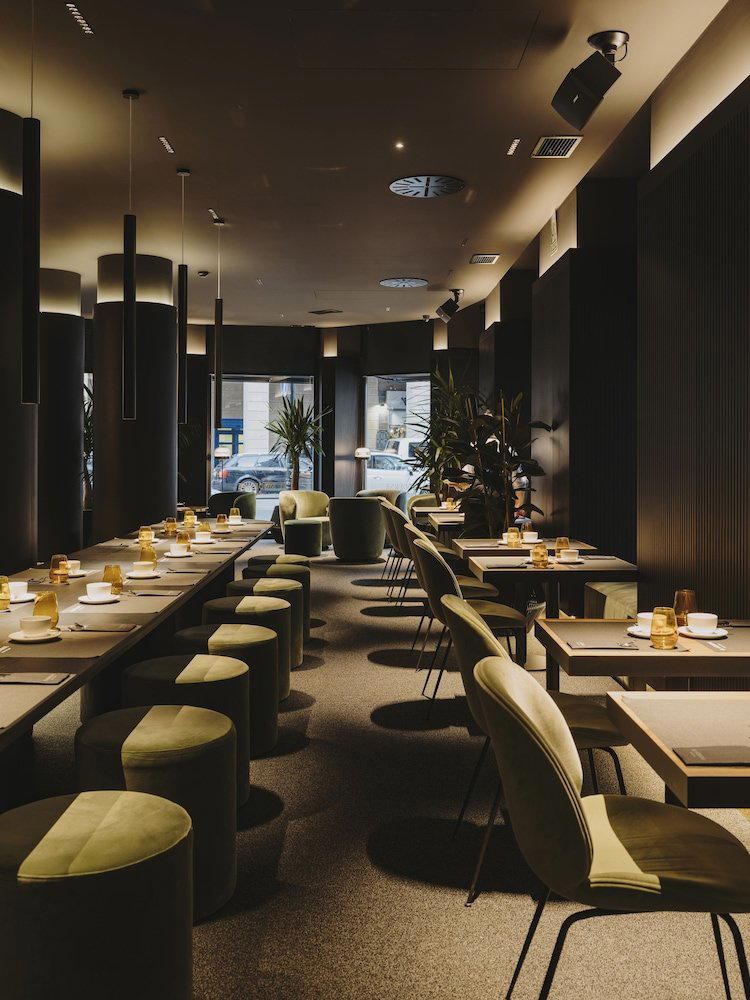
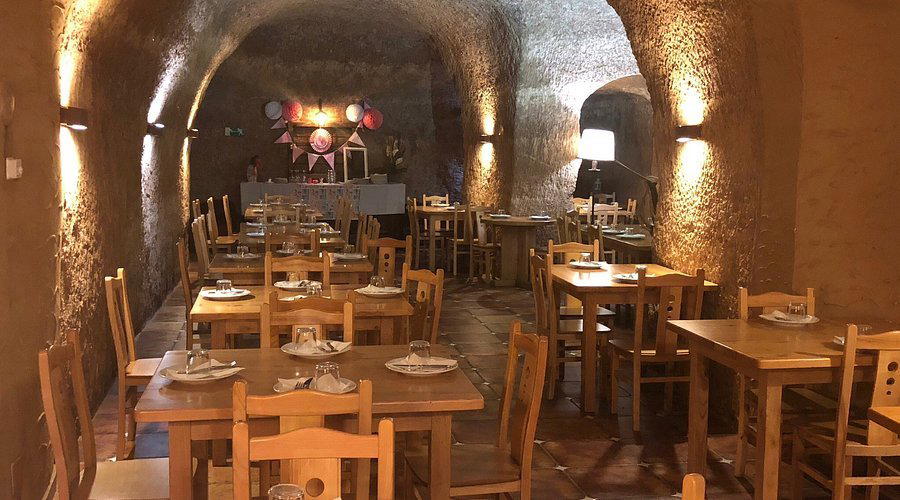
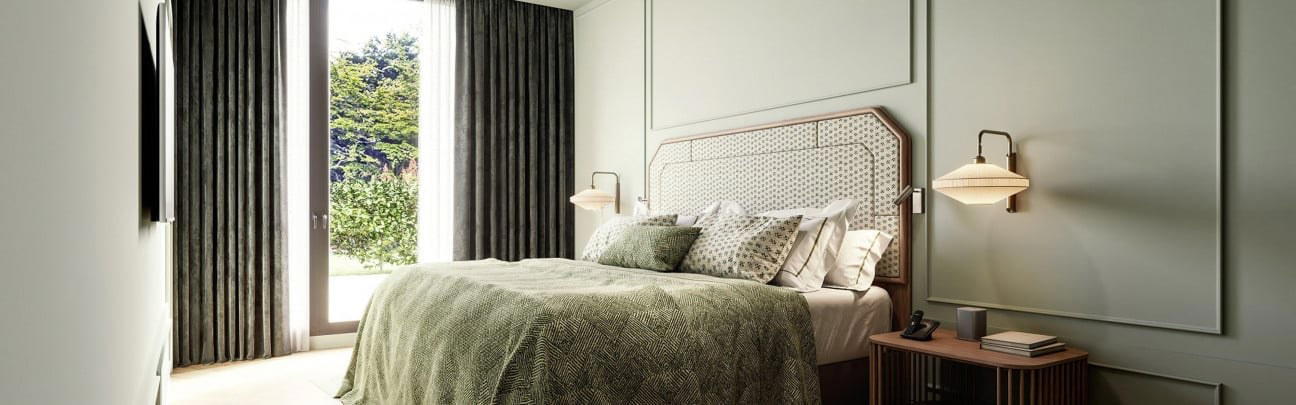
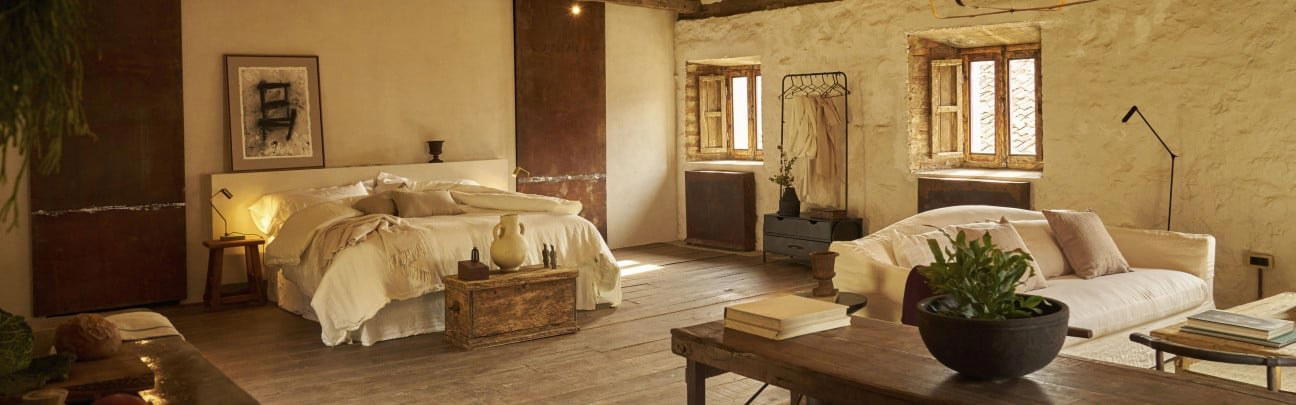
Modern and cozy interior with ironed tablecloaks and rustic charm; sophisticated yet warm atmosphere with attentive service and chef visits to tables.