Our verdict
Pasiones occupies a corner of Gijón's Premio Real street, placing it within a city whose food culture runs deeper than its Atlantic-port reputation suggests. The address puts it close to the fabric of everyday Asturian eating, where sidra, fabada, and grilled fish from the Cantabrian coast set the baseline. Booking details and current hours are best confirmed directly with the venue.

Pearl is the En Primeur Club membership app — saves, bookings, and concierge access live there. Same editors, same standards.
- Address
- C. Premio Real, 18, Gijon-Este, 33202 Gijón, Asturias, Spain
- Phone
- +34984191868
- Hours
- Mon–Tue 10 AM–4 PMWed ClosedThu 10 AM–4 PMFri–Sat 10 AM–4 PM, 7–10 PMSun 10 AM–4 PM
- Website
- pasionesbar.com
- Directions
- Get directions
- Booking
- Book on the venue's website
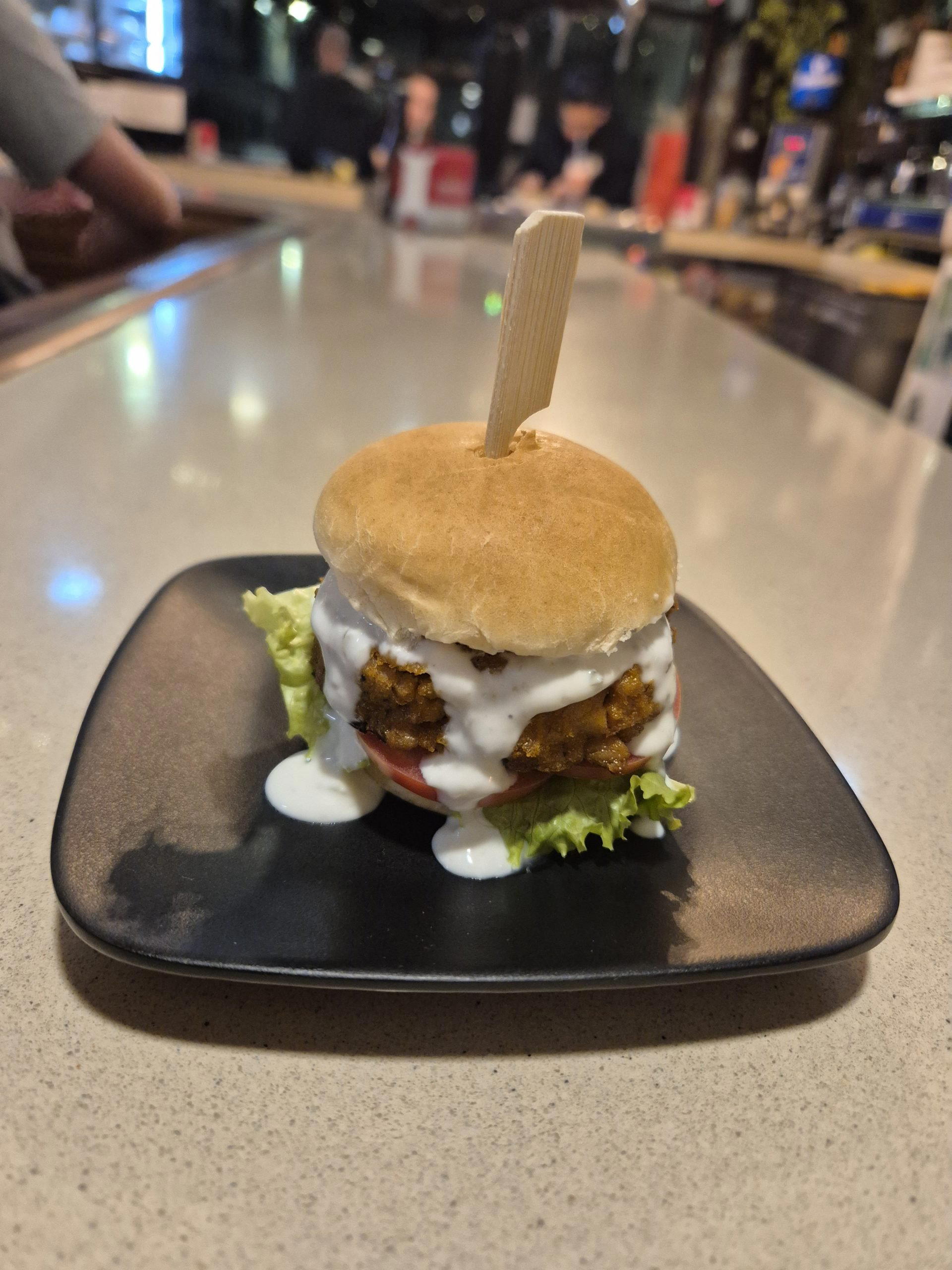
The menu
What to order
- Empanadas
- Tortilla española
- Patatas bravas
Gijón at the Table: What the City's Dining Scene Tells You Before You Sit Down
Asturias does not announce itself the way the Basque Country or Catalonia does on Spain's gastronomic map, but its culinary foundations are no less specific. The Cantabrian coast supplies bonito, merluza, and percebes. The inland valleys produce some of Spain's most distinctive cheeses, including Cabrales and Gamonéu, and the apple orchards of the region have sustained a cider-drinking culture that predates most of Spain's wine denominations by centuries. Gijón sits at the centre of that inheritance, a port city where fishermen's markets and neighbourhood sidrería counters have historically set the terms of what good eating looks like.
That context matters when placing any restaurant in this city. Gijón is not a dining destination that filters its reputation through international awards circuits or chef-celebrity pipelines in the way that, say, San Sebastián has. The city's food credibility runs through local institutional formats: the sidrería, the asador, the market bar. A newcomer operates inside that framework whether it chooses to or not, and the most interesting addresses are those that find a way to engage with Asturian culinary logic rather than import something external onto it.
Pasiones, at Calle Premio Real 18 in the Gijón-Este neighbourhood, sits within that conversation. The address places it away from the tourist-facing waterfront and closer to the residential texture of the city, the kind of location that tends to attract a more local, repeat clientele than spots angled toward passing trade.
The Cultural Argument for Asturian Cooking
Spain's gastronomic prestige is distributed unevenly. The names that travel internationally — Arzak in San Sebastián, El Celler de Can Roca in Girona, DiverXO in Madrid, Mugaritz in Errenteria, Azurmendi in Larrabetzu, Martin Berasategui in Lasarte - Oria, Quique Dacosta in Dénia, Aponiente in El Puerto de Santa María, Cocina Hermanos Torres in Barcelona, Ricard Camarena in València, Atrio in Cáceres — come predominantly from the Basque Country, Catalonia, and Madrid. Asturias has produced fewer names in that register, but what the region has maintained is a more intact version of everyday culinary culture than many parts of Spain where tourism has flattened local specificity.
Fabada asturiana, the region's white-bean and cured-pork stew, is a dish that resists abbreviation. Properly made, it requires specific beans (fabes de la Granja), specific cuts (morcilla, chorizo, lacón), and time. The same is true of Asturian fish preparations, where the Cantabrian catch is typically treated with minimum intervention. This is a culinary culture that values the integrity of an ingredient over technical demonstration, a philosophical position that happens to align with some of contemporary fine dining's most discussed tendencies, even if Asturian cooks arrived there through tradition rather than theory.
Gijón's sidrerías represent the social architecture of that tradition. Sidrería Asturias is among the city's addresses that maintains that format, where the ritual of the escanciado pour, cider held high, glass angled low, is as much a part of the experience as anything on the plate. The city also supports a range of more contemporary formats: Camila Cañas, Vinos y Raciones operates in a wine-bar register, and addresses like KO Burger and Koa Poke reflect the broader diversification of urban Spanish eating. Pasiones occupies a distinct position within this spread, though its specific format and menu orientation are leading verified directly with the venue given the limits of available data.
Premio Real: Reading the Neighbourhood
Calle Premio Real sits in the Gijón-Este district, a residential quarter that does not draw visitor traffic on its own terms. Restaurants in this kind of location build their clientele differently from those on tourist-facing streets: the margins for error are smaller, the expectations of regulars are higher, and the format tends toward something that functions well on a repeated visit rather than a single occasion. This is not a corner of Gijón where a restaurant survives on foot traffic alone.
That neighbourhood character has historically been more consistent with Asturian dining culture than the waterfront alternatives. The best-regarded Gijón addresses, in local estimation, have tended to sit in exactly these kinds of non-obvious locations, operating with a degree of confidence in their own quality rather than positioning themselves as attractions. Whether Pasiones fits that description precisely requires a visit, but the address is consistent with that pattern.
Comparing Registers: Where Gijón Sits in Spain's Broader Picture
Spain's contemporary restaurant culture has produced work that competes directly with the reference points of French-led fine dining internationally. The addresses listed above operate at a tier where reservation windows extend months ahead and tasting menus run well above €150 per person. Gijón does not primarily compete in that register. The city's dining value proposition has historically been about depth of ingredient quality and authenticity of format at price points significantly below what comparable product would cost in Madrid, Barcelona, or San Sebastián.
That dynamic is relevant for any international traveller calibrating expectations. If you arrive in Gijón from Le Bernardin in New York City or Atomix in New York City, the frame of reference shifts. What Gijón offers is not technical spectacle but rather the kind of ingredient-forward, culturally specific eating that becomes harder to find as cities grow larger and more internationally competitive. Pasiones operates inside that value system, whatever its precise format.
Planning a Visit
Pasiones is located at Calle Premio Real 18, 33202 Gijón, Asturias. Given the neighbourhood setting, it is worth contacting the venue ahead of any visit, particularly if you are travelling from outside the city, as hours and format in residential-area restaurants can be more variable than in tourist-facing locations. For a broader view of what Gijón offers across price points and formats, our full Gijón restaurants guide covers the city's dining scene in more depth.
Frequently asked questions
Is Pasiones suitable for children?
Gijón as a city has a strong family-dining culture, and neighbourhood restaurants like Pasiones — situated on a residential street in Gijón-Este rather than a tourist corridor — often reflect that.
What kind of setting is Pasiones?
Pasiones sits at Calle Premio Real 18 in the Gijón-Este district, a residential quarter that does not draw heavy visitor traffic. That address signals a place serving a local clientele rather than tourists passing through the waterfront. Restaurants in this kind of neighbourhood tend to operate on regulars and word of mouth rather than foot traffic.
How does Pasiones fit into Gijón's restaurant scene compared to Asturias's broader reputation for food?
Asturias carries real culinary weight in Spain despite not generating the same international headlines as the Basque Country. Gijón specifically has a dense restaurant culture built around local produce and neighbourhood dining, and Pasiones's address on Calle Premio Real in Gijón-Este places it squarely within that residential, non-tourist segment of the city's food scene.
What's the signature dish at Pasiones?
Asturian cooking has strong regional anchors — fabada, fresh seafood from the Cantabrian coast, and aged local cheeses feature across serious Gijón restaurants — but specific dish details for Pasiones should be confirmed directly with the venue or through recent local reviews.
What's the address for Pasiones?
Pasiones is located at C. Premio Real, 18, Gijon-Este, 33202 Gijón, Asturias, Spain, Gijon.
What's the best way to book Pasiones?
If you are planning a visit to Gijón and want to include this address, contacting the restaurant through local directories or asking your accommodation to assist is the most reliable route.
What's Pasiones best at?
Specific strengths can change from available data. What is clear is that operating in Gijón places any serious restaurant within one of Spain's most coherent regional food cultures, where Asturian produce — Cantabrian seafood, mountain cheeses, cider-country cooking — sets a high baseline for local ingredients. Check the venue's official channels for the latest details.
Price and Positioning
Comparable venues nearby, for context on price, style, and recognition.
| Venue | Cuisine | Price | Awards | Notes |
|---|---|---|---|---|
| PasionesThis venue — the venue you are viewing | Vegan Spanish Tapas | $10–20 | Not listed | Not listed |
| Sidrería Asturias | Traditional Asturian Sidrería | $20–30 | Not listed | La Arena, Traditional Asturian Sidrería |
| Koa Poke | Hawaiian Poke Bowls | $10–20 | Not listed | Centro, Hawaiian Poke Bowls |
| Restaurante La Tabla | Modern Asturian | Not listed | Michelin Plate · Star Wine List | countryside, Modern Asturian |
| KO Burger | Modern Gourmet Burgers | $10–20 | Not listed | Gijón, Modern Gourmet Burgers |
| Camila Cañas, Vinos y Raciones | Mexican Gastrobar | Not listed | Not listed | Centro, Mexican Gastrobar |
Continue exploring
More in Gijón
Restaurants in Gijón
Browse all →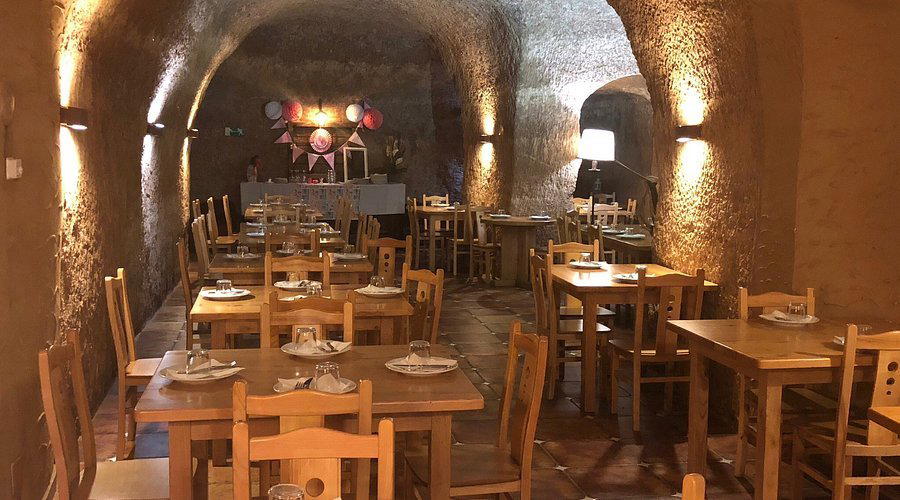

Details
- Cozy
- Classic
- Casual Hangout
- Standalone
- Street Scene
- Small Plates
- A La Carte
- Vegan Options
Current opening hours
- Monday
- 10 AM–4 PM
- Tuesday
- 10 AM–4 PM
- Wednesday
- Closed
- Thursday
- 10 AM–4 PM
- Friday
- 10 AM–4 PM, 7–10 PM
- Saturday
- 10 AM–4 PM, 7–10 PM
- Sunday
- 10 AM–4 PM
Hours can change for holidays and private events. Last verified .
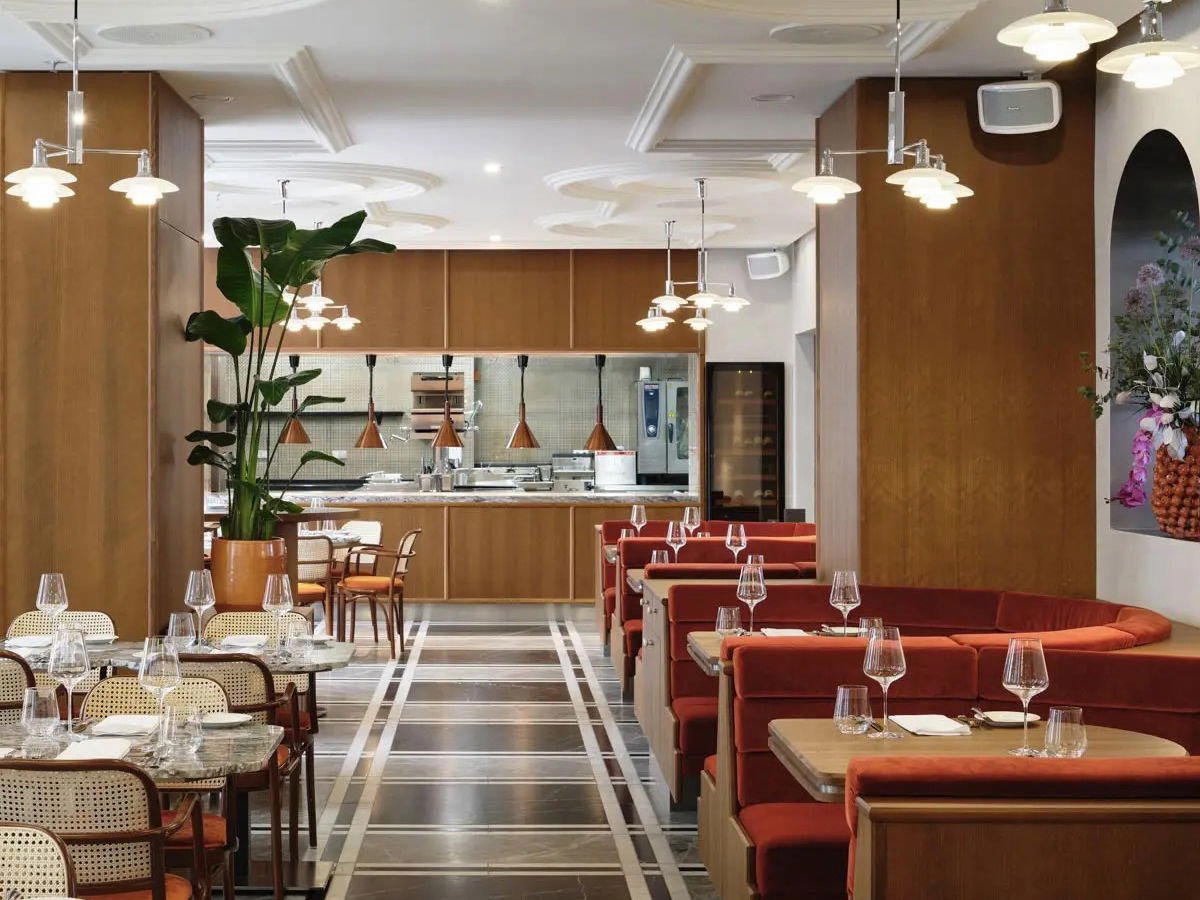
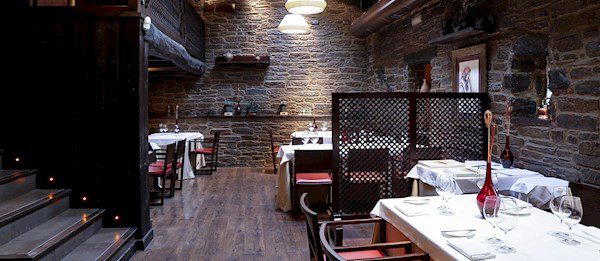
Welcoming cozy atmosphere in a traditional bar setting with friendly service.