Our verdict
Poke Comes to Asturias Calle San Antonio cuts through Gijón's Centro district with the practical energy of a street that feeds people rather than performs for them. The city's food culture runs on cider poured from height, grilled fish from the...

Pearl is the En Primeur Club membership app — saves, bookings, and concierge access live there. Same editors, same standards.
- Address
- C. San Antonio, 6, Centro, 33201 Gijón, Asturias, Spain
- Phone
- +34984064982
- Hours
- Mon–Thu 1–4 PM, 8–11 PMFri–Sat 1–4 PM, 8–11:30 PMSun 1–4 PM, 8–11 PM
- Directions
- Get directions
The menu
What to order
- Poke Mr Opae
Poke Comes to Asturias
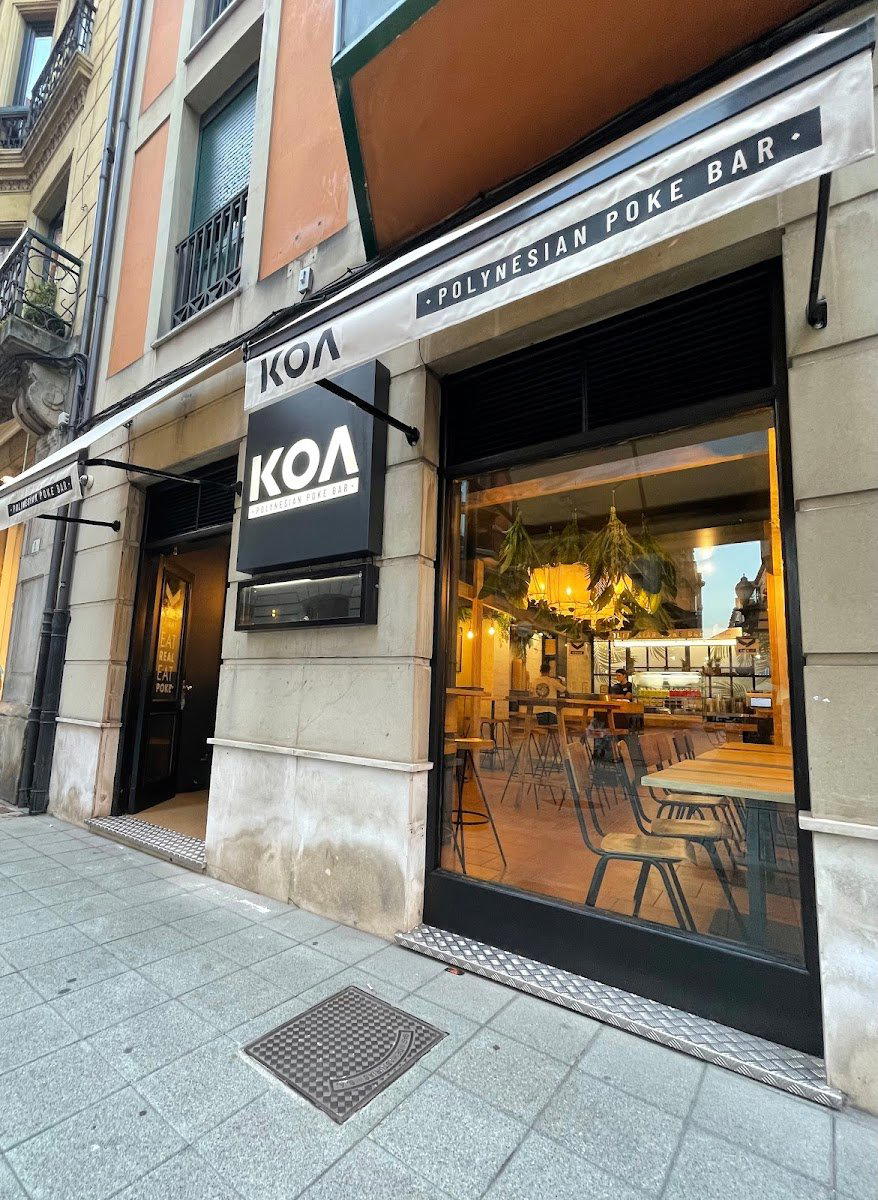
Calle San Antonio cuts through Gijón's Centro district with the practical energy of a street that feeds people rather than performs for them. The city's food culture runs on cider poured from height, grilled fish from the Cantabrian coast, and the kind of no-ceremony directness that defines Asturian eating. Against that backdrop, a poke counter at number 6 reads as a deliberate cultural import, the sort of format that arrived in Spanish cities via the same wave that brought it to London and Berlin: Hawaiian by origin, adapted by a globalized food economy, and now established enough in urban Spain to no longer require explanation. Koa Poke operates in that space, in a city where the default register is sidra and merluza, offering a bowl-based format that asks something different of its diner.
The Ritual of the Bowl
Poke as a dining format has a particular rhythm that separates it from both fast food and sit-down restaurant eating. The bowl arrives as a constructed whole: a grain or leaf base, raw or marinated protein, textural toppings, and a sauce that binds the composition. The decisions happen before the food reaches you, either from a fixed menu or through a build-your-own structure that shifts the editorial control to the customer. That negotiation is the ritual here. Unlike the long omakase counter or the curated tasting sequence you find at places like El Celler de Can Roca in Girona or Mugaritz in Errenteria, the poke format puts the sequence entirely in the diner's hands. Pacing is self-determined. The meal is compact by design.
That compactness suits a particular kind of urban lunch culture. Gijón's working Centro attracts office traffic, the university crowd from nearby campuses, and the city's growing cohort of younger residents who have spent time in Madrid or Barcelona and returned with different eating habits. A bowl format at a counter on Calle San Antonio addresses that demographic directly, offering speed without sacrificing the fresh-ingredient proposition that differentiates poke from the bocadillo or the menu del día at a standard bar.
Where Koa Poke Sits in Gijón's Wider Scene
Gijón's restaurant offering has diversified considerably across the last decade. Traditional sidrería dining, still anchored by places like Sidrería Asturias, coexists with a casual-modern tier that includes formats like KO Burger and wine-led neighbourhood spots such as Camila Cañas, Vinos y Raciones. More considered dining, the kind that builds a meal around Asturian product and technique, finds expression at places like Pasiones. Koa Poke occupies a different band entirely: the casual-health-forward counter, a category that has grown in Spanish provincial cities as younger residents seek lunch options outside the traditional set-menu format.
That positioning matters because it defines the competition set. Koa Poke is not attempting to compete with Asturian fine dining or the sidrería tradition. Its peer group is the growing cluster of bowl, wrap, and grain-based counters that have appeared in Gijón's central districts. Within that peer group, the relevant differentiators are ingredient freshness, portion calibration, and the quality of the sauces and marinades that define whether a poke bowl holds together as a coherent dish or reads as an assembly of parts.
Spain's broader restaurant moment is concentrated at the high end, where institutions like DiverXO in Madrid, Arzak in San Sebastián, Aponiente in El Puerto de Santa María, and Azurmendi in Larrabetzu carry international attention. The casual end of Spanish urban dining is less discussed internationally but no less consequential for the daily food life of its cities. Koa Poke belongs to that everyday tier, and its role is to do what casual formats do well: deliver a reliable, fresh meal in a short amount of time, at a price point that allows repeat visits.
The Poke Format in the Spanish Context
Raw fish is not a foreign concept in Asturias. The Cantabrian coast supplies bonito, anchovies, and a range of shellfish that appear regularly in local cooking. The conceptual distance between a marinated raw fish preparation and the tuna or salmon base of a Hawaiian-derived poke bowl is shorter in this region than it might be elsewhere in Spain. What the poke format introduces is a different structural logic: the bowl as a closed composition rather than a plate of distinct elements, the sauce integrated rather than served alongside, the grain base as a functional vehicle rather than an afterthought. These are the adjustments a diner makes when moving from Asturian fish cooking to the poke format, and they are adjustments, not leaps.
The health-forward signal that poke carries globally, the grain base, the raw protein, the vegetable density, positions it in a category that is explicitly not the end of the market. This matters for understanding who visits and why. A city like Gijón, with a significant student and young professional population alongside its older working-class character, supports a range of dietary priorities. The poke format addresses those who want a meal that feels nutritionally considered without requiring a sit-down restaurant commitment. For a longer and more detailed view of how Gijón's eating culture is organized across price points and formats, the full Gijón restaurants guide maps the territory systematically.
Planning Your Visit
Koa Poke is located at Calle San Antonio 6, in Gijón's Centro district, a short walk from the city's main commercial streets and accessible from the waterfront within ten to fifteen minutes on foot. The counter format typically operates on a walk-in basis, making it a practical lunch option for those already in the city centre rather than a destination requiring advance planning. The format is inherently accessible, without the booking pressure or formal etiquette requirements that govern a tasting-menu restaurant like Martin Berasategui in Lasarte-Oria or the structured service of Ricard Camarena in València. The meal here is self-paced, low-ceremony, and built for the kind of visit you do not need to schedule two months in advance.
Frequently asked questions
Where do I go for Koa Poke?
Koa Poke is located at C. San Antonio, 6, Centro, 33201 Gijón, Asturias, Spain, Gijon.
How does Koa Poke fit into Gijón's wider food scene compared to traditional Asturian dining?
Gijón's Centro district has seen a steady expansion of non-traditional formats over the past decade, with poke bars entering a market long anchored by sidrerías and grilled fish restaurants. Koa Poke at Calle San Antonio 6 represents the Hawaiian bowl format's arrival in Asturias, a region whose Cantabrian seafood supply gives raw-fish concepts a credible local ingredient base.
What's the signature dish at Koa Poke?
Koa Poke is built around the Hawaiian poke bowl format: a base of rice or greens topped with raw or marinated fish, vegetables, sauces, and finishing garnishes assembled to order. The Cantabrian coast's supply of bonito and fresh seafood makes this format a natural fit for Gijón. Specific bowl configurations are not publicly listed, so check directly at Calle San Antonio 6 for the current menu.
Is Koa Poke reservation-only?
The poke bowl format typically operates as a counter or quick-service setup rather than a reservation-driven dining room, and there is no booking system listed for Koa Poke. Walk-in is the expected approach for this style of venue in Gijón's Centro district. Confirming hours before visiting is advisable, as no schedule is currently published.
What has Koa Poke built its reputation on?
Koa Poke occupies a specific gap in Gijón's restaurant scene by importing the Hawaiian bowl format into a city whose dining culture has traditionally centred on sidrería cooking and Cantabrian seafood. Its position on Calle San Antonio places it within reach of the city's main commercial foot traffic.
Is Koa Poke good for vegetarians?
The poke bowl format is structurally adaptable: most operations of this type offer plant-based bases, tofu or edamame protein options, and vegetable toppings alongside fish.
Does Koa Poke justify its prices?
No pricing information is currently listed for Koa Poke. Across the Spanish poke bowl market, this format typically positions between €9 and €14 per bowl, which places it above fast food but below sit-down restaurant dining in cities like Gijón.
What It’s Closest To
Comparable venues nearby, for context on price, style, and recognition.
| Venue | Cuisine | Price | Awards | Notes |
|---|---|---|---|---|
| Koa PokeThis venue — the venue you are viewing | Hawaiian Poke Bowls | $10–20 | Not listed | Not listed |
| Camila Cañas, Vinos y Raciones | Mexican Gastrobar | Not listed | Not listed | Centro |
| Pasiones | Vegan Spanish Tapas | $10–20 | Not listed | Gijon-Este |
| Gloria | Modern Spanish Tapas | $30–50 | Michelin Plate · Macarfi 8 Food Rating | Centro |
| Restaurante La Tabla | Modern Asturian | Not listed | Michelin Plate · Star Wine List | countryside |
| Fūmu | Modern Japanese Omakase | Not listed | Michelin Plate | near marina |
Continue exploring
More in Gijón
Restaurants in Gijón
Browse all →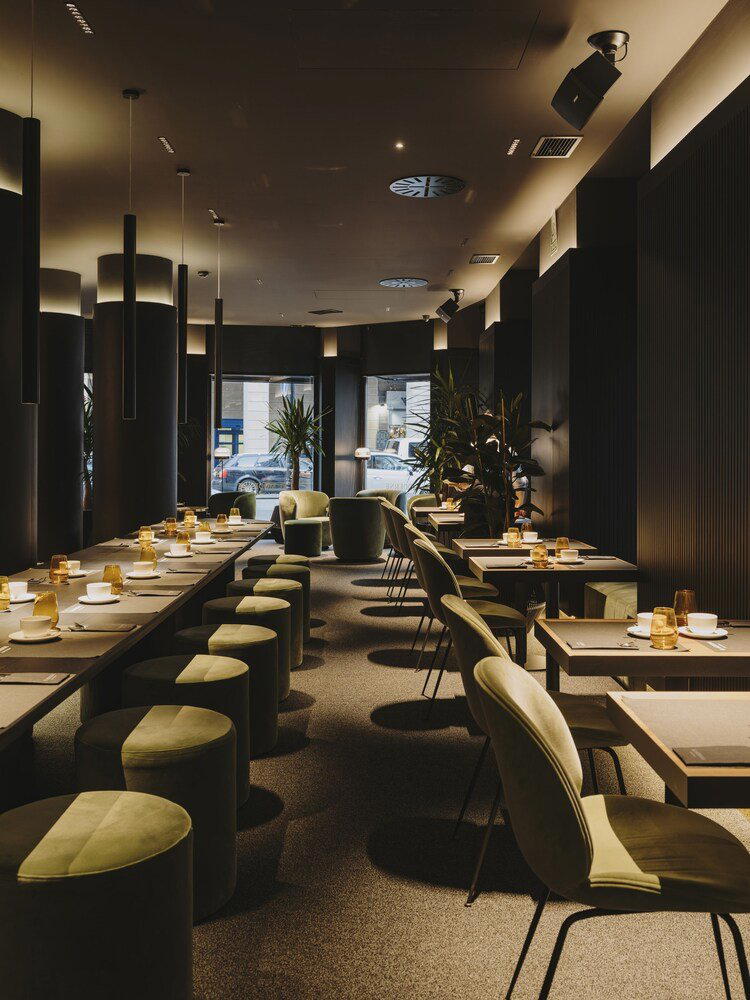

Details
- Modern
- Trendy
- Casual Hangout
- Local Sourcing
- A La Carte
- Vegetarian Friendly
- Vegan Options
Current opening hours
- Monday
- 1–4 PM, 8–11 PM
- Tuesday
- 1–4 PM, 8–11 PM
- Wednesday
- 1–4 PM, 8–11 PM
- Thursday
- 1–4 PM, 8–11 PM
- Friday
- 1–4 PM, 8–11:30 PM
- Saturday
- 1–4 PM, 8–11:30 PM
- Sunday
- 1–4 PM, 8–11 PM
Hours can change for holidays and private events. Last verified .
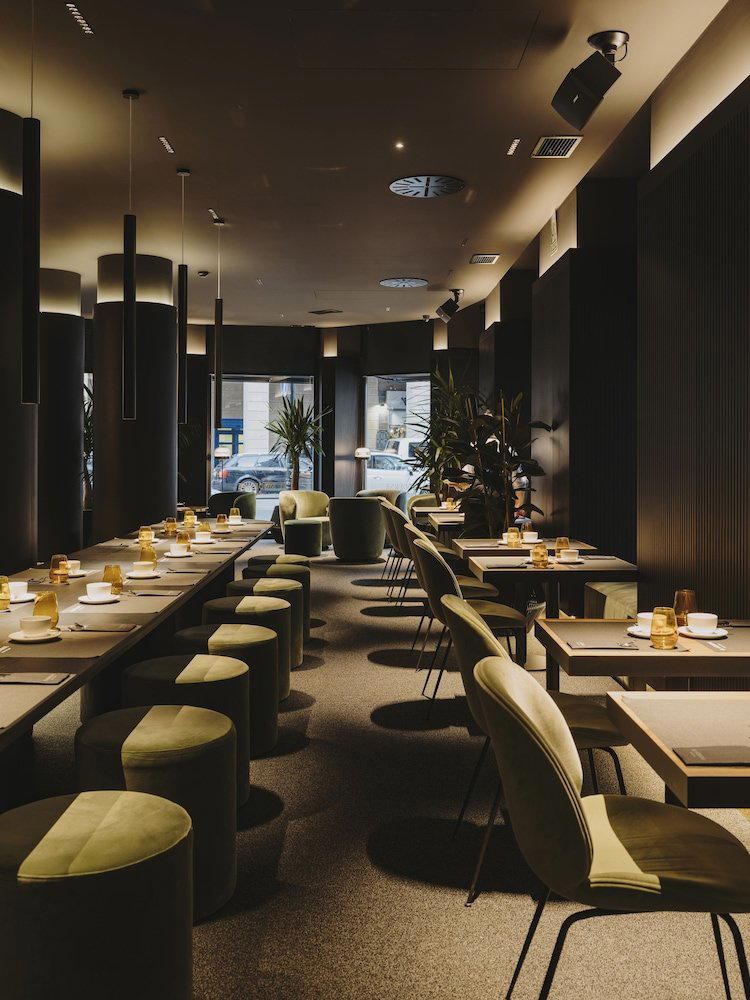
Spacious and clean environment with a fresh, casual atmosphere.