
Tabelog 100 #31
Our verdict
Sicilia Ya puts Sicilian cooking into a compact Hakusan room where counter seating, wine focus, and regional specificity matter more than Tokyo dining theatre. Its selection for Tabelog Italian TOKYO 100 in 2021, 2023, and 2025 places it among the city’s serious Italian addresses, but the appeal is narrower and more physical: a small room built for close-range eating, conversation, and island-driven wine.

Pearl is the En Primeur Club membership app, where members save venues, book tables and use the concierge.
Tokyo changes the register before dinner: away from the most familiar visitor circuits, the city can feel quieter, more residential, and more independent than its hotel-lobby dining corridors. Here, Sicilia Ya belongs to a Tokyo Italian tradition that is compact in spirit, locally used, and closer to a neighbourhood dining room than a formal destination built around spectacle.
Tokyo has long absorbed Italian cooking with unusual seriousness, but its Italian scene is plural: luxury tasting-menu rooms, trattorias, wine-led counters, and smaller specialists. Sicilia Ya should be read within that broader field rather than as a generic pasta stop. The useful planning point is simple: this is an Italian restaurant in Tokyo with enough local recognition to stand out in a crowded category.
A small Italian room in a city of polished Italian dining
Scale matters in Tokyo dining, even when exact room details are not the point. A smaller-feeling restaurant changes the meal before the first plate lands: pacing tightens, the room reads quickly, and the evening depends less on ceremony than on focus. Tokyo has many Italian restaurants that sell polish through linen, distance, and long menus. Sicilia Ya sits more naturally in the focused Tokyo Italian lane.
That gives the restaurant its editorial interest. Italian dining in Tokyo can mean many things: broad luxury, casual pasta, wine-led meals, or regional feeling expressed without excessive performance. Sicilia Ya is best approached as a compact Italian choice rather than a room that needs to compete through architectural plating or grand-hotel codes. Its value is in focus, recognisability, and the way it fits into the city’s smaller-format dining culture.
The Tabelog Hyakumeiten recognition in 2025 is the trust signal, alongside a listed score of 3.68 and published budgets of Dinner: JPY 6,000 - JPY 7,999; Lunch: JPY 4,000 - JPY 4,999. Read that carefully. This is not a claim that the restaurant competes with every grand Italian dining room in spectacle. It signals recognition within Tokyo’s Italian category from a local dining platform whose lists tend to reward consistency, category fit, and diner enthusiasm.
Comparison clarifies the lane. Yoshoku Wine Fritz belongs to Tokyo’s Western-inflected comfort-and-wine register. Ma Poule sits in a French bracket, not an Italian one. Watabe’s eel focus makes it a single-ingredient Japanese meal, while Morikawa’s kaiseki format follows a different grammar of season, sequence, and service. Sicilia Ya does not compete by luxury code. It competes by concentration: an Italian identity, a Tokyo setting, and a format that feels more focused than expansive.
Why Tokyo changes the meal
Location is not neutral in Tokyo dining. An Italian restaurant in a more corporate or hotel-adjacent setting can imply business dinners, polished service choreography, higher table-turnover pressure, or added formality. Sicilia Ya is better understood simply as a Tokyo address that lets the format behave more like a serious local restaurant than a venue staged only for visitors.
The room dynamic is especially important. In Tokyo, close-range dining is often associated with sushi, tempura, yakitori, and kappo, but Italian restaurants in the city can also benefit from that sense of proximity and discipline. The appeal is not that the cuisine becomes Japanese by default. It is that Tokyo’s spatial habits can make an Italian meal feel attentive, compact, and more dependent on rhythm than on luxury signalling.
For Tokyo itinerary planning, Sicilia Ya suits an evening when the brief is Italian cooking in a focused setting, not an anonymous large-group default or a venue chosen only for convenience. The published budget places it in a manageable premium-casual range for Tokyo: Dinner: JPY 6,000 - JPY 7,999; Lunch: JPY 4,000 - JPY 4,999. That makes it useful for travellers who want a recognised Italian option without turning the night into a formal blowout.
The category matters because Tokyo’s Italian field is broad. Some rooms lean toward ceremony, others toward everyday pasta, and others toward wine or regional detail. A restaurant such as Sicilia Ya earns its place by being specific enough to remember and recognised enough to justify the detour. In a city with deep options across cuisines, that combination is more useful than vague claims of luxury.
How it fits into a sharper Tokyo itinerary
Tokyo rewards diners who choose by format rather than vague cuisine cravings. Other Tokyo dining rooms may point toward seafood, charcoal cooking, compact urban meals, specialist Japanese formats, cafés, curry, or casual visual concepts. Sicilia Ya belongs in a different lane: an Italian restaurant in Tokyo with Tabelog Hyakumeiten recognition in 2025, a listed score of 3.68, and a budget that keeps it accessible for a planned dinner or lunch.
For planning beyond one dinner, broader Tokyo restaurant, hotel, bar, winery, and experience guides can separate the trip by category. Regional detours elsewhere in Japan change the equation again, and dining outside Japan belongs to another conversation entirely. Within Tokyo, the better question is not whether every night should be Italian, but where an Italian meal adds shape to an itinerary that may otherwise be dominated by sushi, Japanese counter formats, cafés, or casual comfort food.
The reason to keep Sicilia Ya on the Tokyo list is not scale, but the opposite: a controlled Italian option in a city where Italian dining can tilt toward luxury theatre or casual pasta convenience. This address occupies the more useful middle ground: clear category identity, local recognition, and enough budget transparency to make the detour defensible.
Frequently asked questions
What's the pricing like at Sicilia Ya?
Pricing at Sicilia Ya is listed as Dinner: JPY 6,000 - JPY 7,999; Lunch: JPY 4,000 - JPY 4,999.
What time does Sicilia Ya open and close?
Current opening hours are not provided here; confirm directly with Sicilia Ya before visiting.
Where is Sicilia Ya in Tokyo?
Tokyo.
What is Sicilia Ya known for?
Sicilia Ya is known as an Italian restaurant in Tokyo with Tabelog Hyakumeiten recognition in 2025 and a listed score of 3.68.
Cuisine-First Comparison
Comparable venues in the metro at similar price points.
| Venue | Cuisine | Price | Awards | Notes |
|---|---|---|---|---|
| Sicilia YaThis venue (the venue you are viewing) | Traditional Sicilian restaurant | $50–100 | Tabelog 100 #31 | Not listed |
| Kurodino | Modern Italian Fine Dining | $150–200 | Star Wine List · Wine Spectator Best of Award of Excellence | Chūō |
| Trattoria Mari e Monti | Authentic Italian Trattoria | Not listed | Not listed | Minato |
| neo | Italian Standing Bar | $50–100 | Tabelog 100 #18 | Shibuya |
| Orlando | Italian enoteca & restaurant | Not listed | Tabelog 100 #38 | Meguro |
| Sala Amabile | Italian Fine Dining | $100–150 | Tabelog 100 #32 | Chūō |
Recognition history
Dated appearances from independent guides and award organizations, with the underlying list record or original source where available.
Tabelog 100 #31 · No. 31
Tabelog · Tabelog 100 - Italian - TOKYO - 2025
Continue exploring
More in Tokyo
Restaurants in Tokyo
All restaurants in Tokyo →










Details
- Cozy
- Intimate
- Classic
- Date Night
- Group Dining
- Casual Hangout
- Special Occasion
- After Work
- Standalone
- Extensive Wine List
- A La Carte
- Wine
Current opening hours
- Monday
- Closed
- Tuesday
- Closed
- Wednesday
- 6–10:30 PM
- Thursday
- Closed
- Friday
- 6–10:30 PM
- Saturday
- 5–10 PM
- Sunday
- 12–2:30 PM, 5–10 PM
Hours can change for holidays and private events. Hours as of .
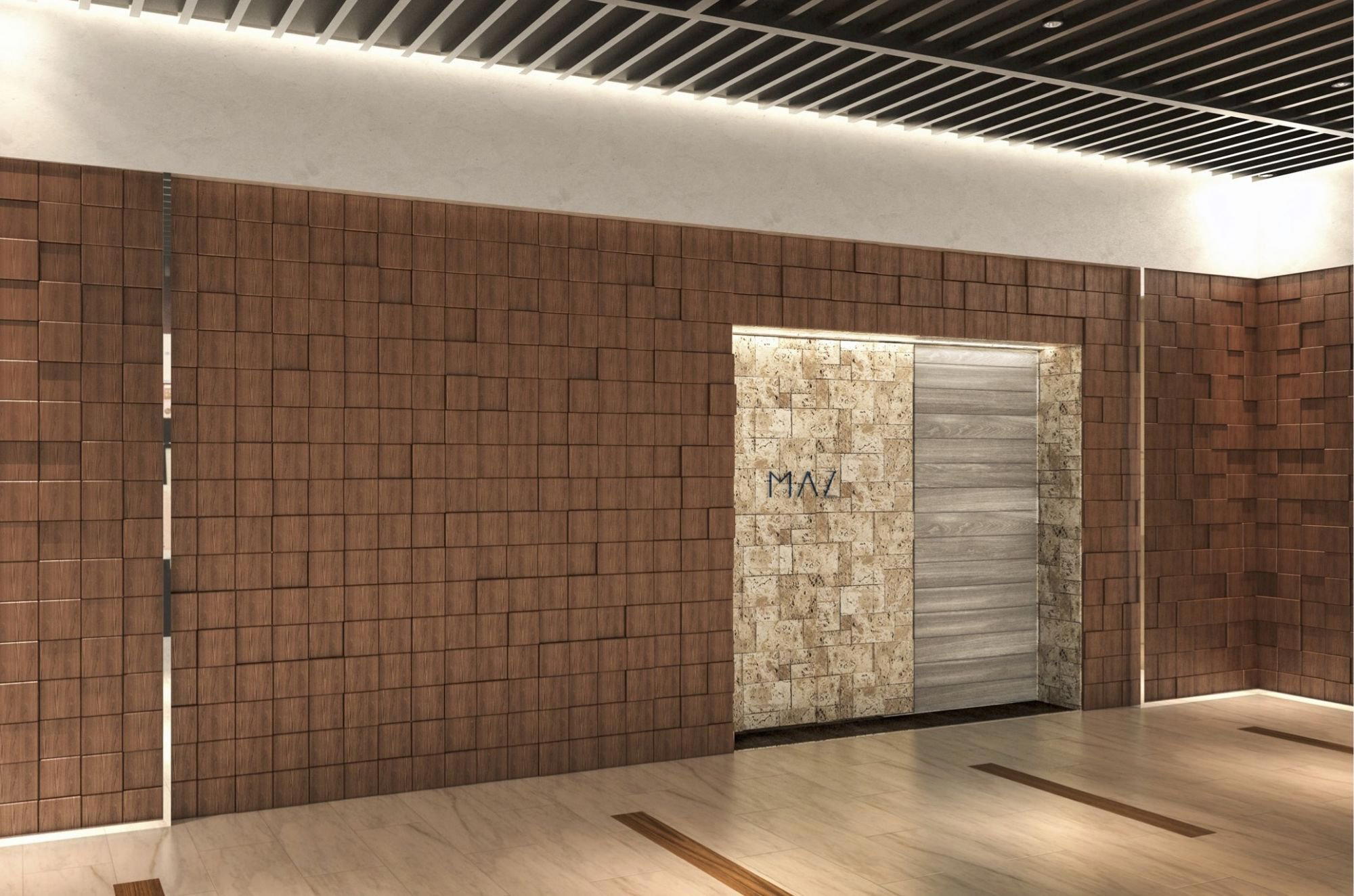
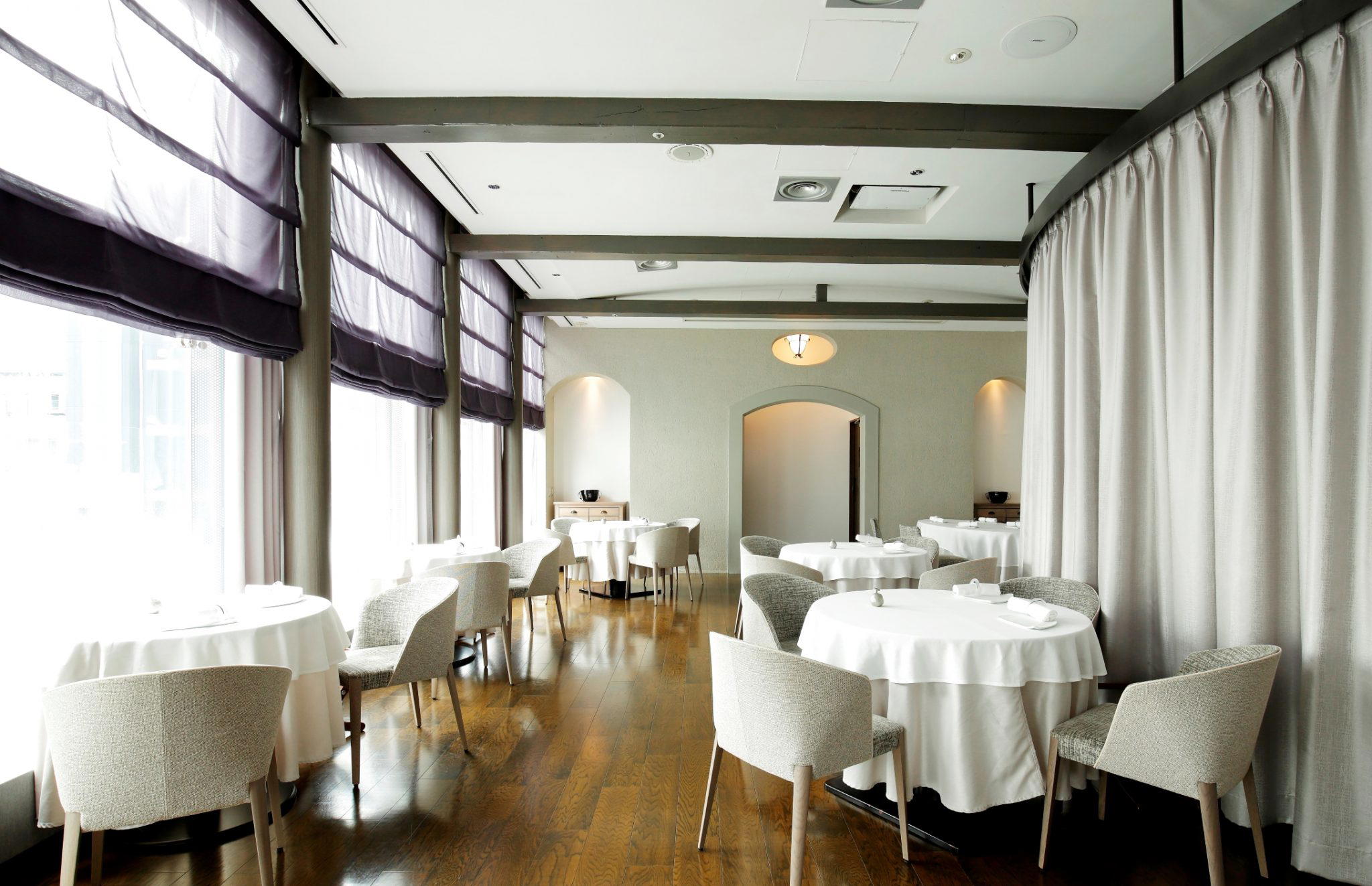
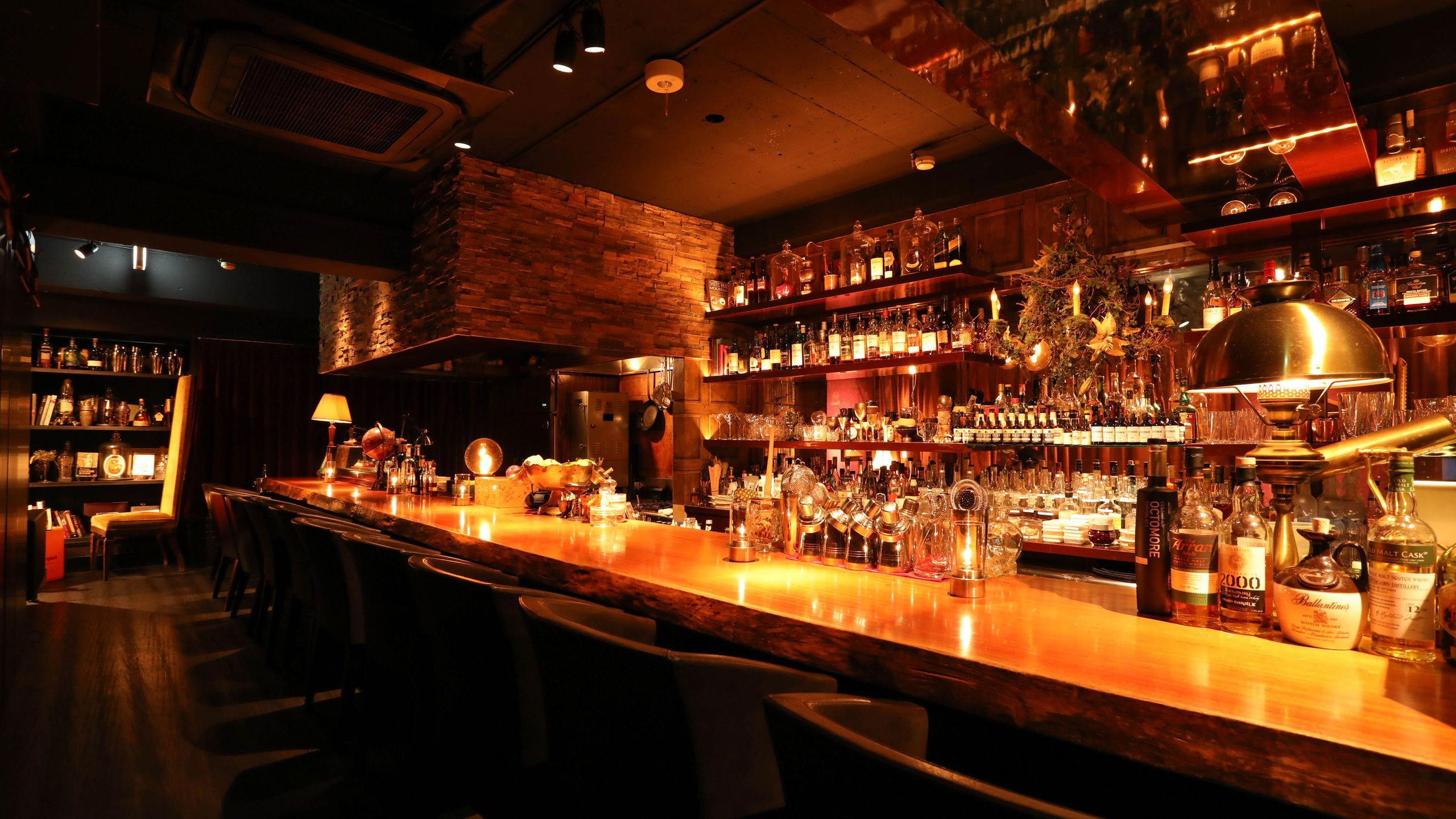
Guest reviews describe a subdued, warm, and refined atmosphere that feels like stepping from Tokyo into Sicily, with a humble neighborhood setting, cozy 20-seat room including a counter, and a focus on relaxed, conversational dining rather than a flashy design.