Tabelog 100 #32
Our verdict
Sala Amabile belongs to Ginza’s polished Italian dining tier, where course-only formats, wine service, and a controlled room matter as much as culinary ambition. Its Tabelog 100 Italian Tokyo 2025 selection, earlier Tabelog Award Bronze recognition, and long run since 2010 place it within a mature Tokyo-Italian scene rather than a novelty cycle.

Pearl is the En Primeur Club membership app, where members save venues, book tables and use the concierge.
The menu
What to order
- Bagna càuda
- Carpaccio
- Wagyu
- Sweet shrimp appetizer
Tokyo’s restaurant scene creates a particular arrival: discreet rooms, careful reservations, and a shared appetite for ceremony. Here, Italian dining has moved beyond imported trattoria language. Stronger rooms often behave like Japanese fine dining, with measured pacing, attentive hospitality, and tables managed as carefully as kitchens.
Sala Amabile sits within that evolution. This is not merely a casual pasta-night reference point, nor a broad hotel-Italian stereotype. It belongs to a Tokyo strain where Italian cooking is filtered through the city’s precision, privacy, and controlled hospitality. Selection for Tabelog Italian Tokyo 100 Restaurants 2025 signals current visibility in a dining market that includes counter-led rooms, high-end grilling, tasting menus, and wine-aware modern restaurants.
Tokyo Italian after the novelty phase
Tokyo Italian now has distinct lanes: comfort-minded rooms built on regulars, polished restaurants where the room weighs as much as the menu, and ambitious independents borrowing local service discipline without abandoning Italian grammar. Sala Amabile sits closest to the last: Italian dining shaped by Tokyo manners and aimed at adult occasions rather than volume service.
That matters because Tokyo can flatten restaurants into status symbols. A room here must justify itself against serious sushi counters, kappo rooms, French dégustation addresses, and polished hotel restaurants. Italian survives when it offers structure rather than looseness. Wine, service, and progression become part of the argument, without turning the meal into a lecture.
The reputation rests less on a single publicly named chef personality than on consistency within the format. In Tokyo, where restaurants often become shorthand for a chef’s biography, that distinction matters. The stronger reading is institutional: a recognized Tokyo Italian room with a Tabelog score of 3.68 and domestic dining-platform visibility Japanese diners take unusually seriously.
Comparison clarifies the tier. Aroma Fresca gives context for Tokyo’s polished Italian lineage, while Bvlgari Il Ristorante - Luca Fantin represents the luxury-brand end. MASIA points to Tokyo’s appetite for non-Japanese tasting menus with Iberian structure. Sala Amabile occupies a quieter middle ground: not spectacle-driven, not rustic informality, but a controlled Tokyo address where Italian cooking behaves with Tokyo manners.
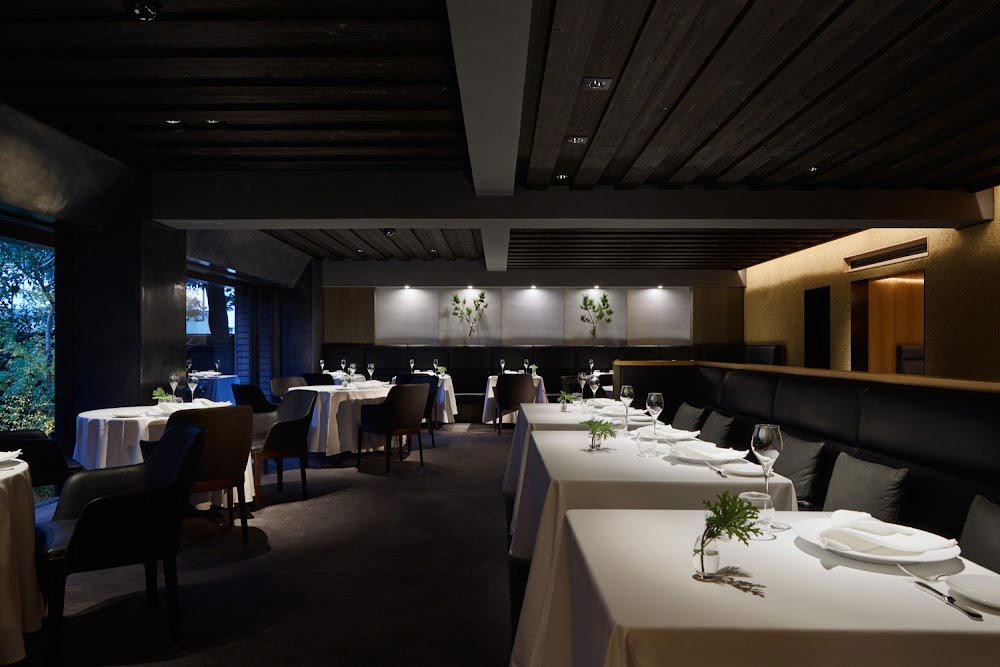
The room is part of the format, not decoration
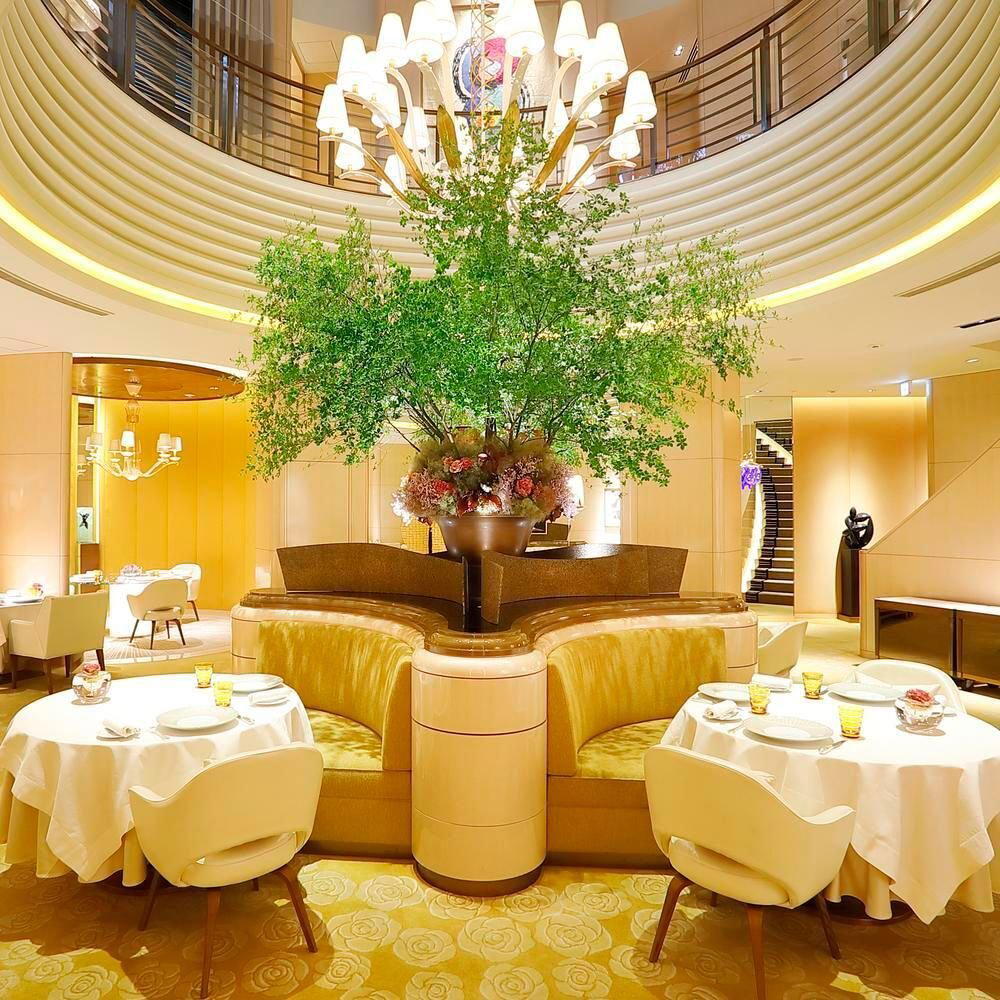
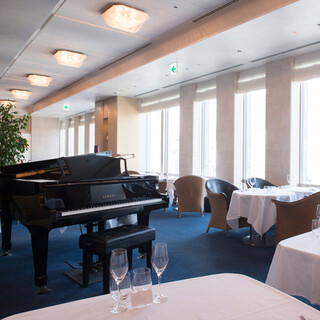
The experience is best understood through managed comfort: a composed setting, careful hospitality, and a tone suited to an evening that should feel considered. That says much about Tokyo dining culture. Privacy and composure matter; a restaurant need not be loud to be current, only able to host a serious meal without friction.
The intended register is polished rather than theatrical. In a city where many premium restaurants reduce rooms to counter silence, this is another formality: less chef-theatre, more conversation and occasion. It suits diners wanting Italian cooking with a settled Tokyo rhythm, rather than a meal organized around watching every kitchen movement.
The format moves the restaurant away from casual drop-in expectations. In Tokyo, that often signals kitchen control: pacing, portion rhythm, and the overall arc are easier when the evening is not treated as a loose collection of dishes. It also raises responsibility. Guests buy the experience, not only a plate-by-plate decision.
For travellers, Sala Amabile is a specific Tokyo choice: a composed Italian dinner in a mature dining city, not a broad introduction to the city’s food culture. Visitors seeking range should read it alongside Our full Tokyo restaurants guide, then branch out to other Tokyo dining rooms and contrasting local formats.
Where it fits in a Tokyo itinerary
The smart use case is an evening that should feel settled from the start. Tokyo rewards diners who understand its codes: smart planning, punctuality, and trust that the restaurant will steer the evening. Sala Amabile’s recognition and Italian focus fit that code. It is not for improvising a quick plate between appointments; it is a reservation with shape.
The tone is grown-up and composed. This is a narrow category common in Tokyo’s formal rooms, where the issue is not stiffness for its own sake but preserving pace, quiet, and service rhythm. For business dining or a deliberate night out, those traits can be assets. The value is in conversation, continuity, and a sense that the evening has been deliberately framed.
As planning, it works for travellers staying in Tokyo who want one polished Italian meal rather than another sushi or tempura booking. It also suits repeat visitors who have covered the obvious Japanese genres and want to see how Tokyo translates European dining into its own service culture. For broader trip architecture, pair the research with Our full Tokyo hotels guide, Our full Tokyo bars guide, Our full Tokyo wineries guide, and Our full Tokyo experiences guide.
The wider Japan map keeps the category in perspective. A Tokyo Italian dinner has little in common with unnamed regional dining rooms, casual cafés, curry specialists, or small-format restaurants elsewhere in Japan. That difference is the point: Tokyo Italian is now a local category with its own rules. Even overseas Japanese-influenced dining shows culinary ideas travelling outward, while Tokyo absorbs Italian form and makes it behave like Tokyo.
The verdict is clean: choose this for a composed Tokyo Italian meal with Tabelog Italian Tokyo 100 Restaurants 2025 recognition, a listed dinner budget of JPY 10,000 - JPY 14,999, and a room suited to grown-up dining. Skip it if the evening calls for spontaneity, counter intimacy, or casual pasta-and-glass ease. Its value lies in continuity and polish, proof that Tokyo Italian has entered its adult phase.
Frequently asked questions
Can I bring kids to Sala Amabile?
Sala Amabile is best treated as a composed Tokyo Italian restaurant, so families should confirm suitability directly before booking.
Is Sala Amabile formal or casual?
The venue reads as polished rather than casual, fitting its Tokyo Italian profile and recognition from Tabelog Italian Tokyo 100 Restaurants 2025.
What does dinner at Sala Amabile typically cost?
Pricing at Sala Amabile is listed as Dinner: JPY 10,000 - JPY 14,999; Lunch: JPY 5,000 - JPY 5,999.
Where is Sala Amabile located?
Tokyo.
Can I walk in to Sala Amabile?
Sala Amabile is a recognized Tokyo Italian restaurant, so advance planning is sensible.
What has Sala Amabile built its reputation on?
Its case is built on Tabelog Italian Tokyo 100 Restaurants 2025 recognition, a listed Tabelog score of 3.68, and its place within Tokyo’s polished Italian dining scene.
Budget and Context
Nearby venues at a similar price tier for orientation.
| Venue | Cuisine | Price | Awards | Notes |
|---|---|---|---|---|
| Sala AmabileThis venue (the venue you are viewing) | Italian Fine Dining | $100–150 | Tabelog 100 #32 | Not listed |
| Mercer Brunch Ginza Terrace | NY-style Italian brunch & bistro | $30–50 | Tabelog 100 #18 | Chūō, NY-style Italian brunch & bistro |
| PEGASO | Modern Italian with Japanese influences | $100–150 | Tabelog 100 #66 | Minato, Modern Italian with Japanese influences |
| nacol | Prosciutto-Focused Italian | $100–150 | Tabelog 100 #78 | Taitō, Prosciutto-Focused Italian |
| unito | Italian Fusion | $50–100 | Tabelog 100 #89 | Meguro, Italian Fusion |
| Fakalo pizza gallery | Neapolitan-style Pizza & Seasonal Course Menu | $50–100 | Tabelog 100 #56 | Taitō, Neapolitan-style Pizza & Seasonal Course Menu |
Recognition history
Dated appearances from independent guides and award organizations, with the underlying list record or original source where available.
Tabelog 100 #32 · No. 32
Tabelog · Tabelog 100 - Italian - TOKYO - 2025