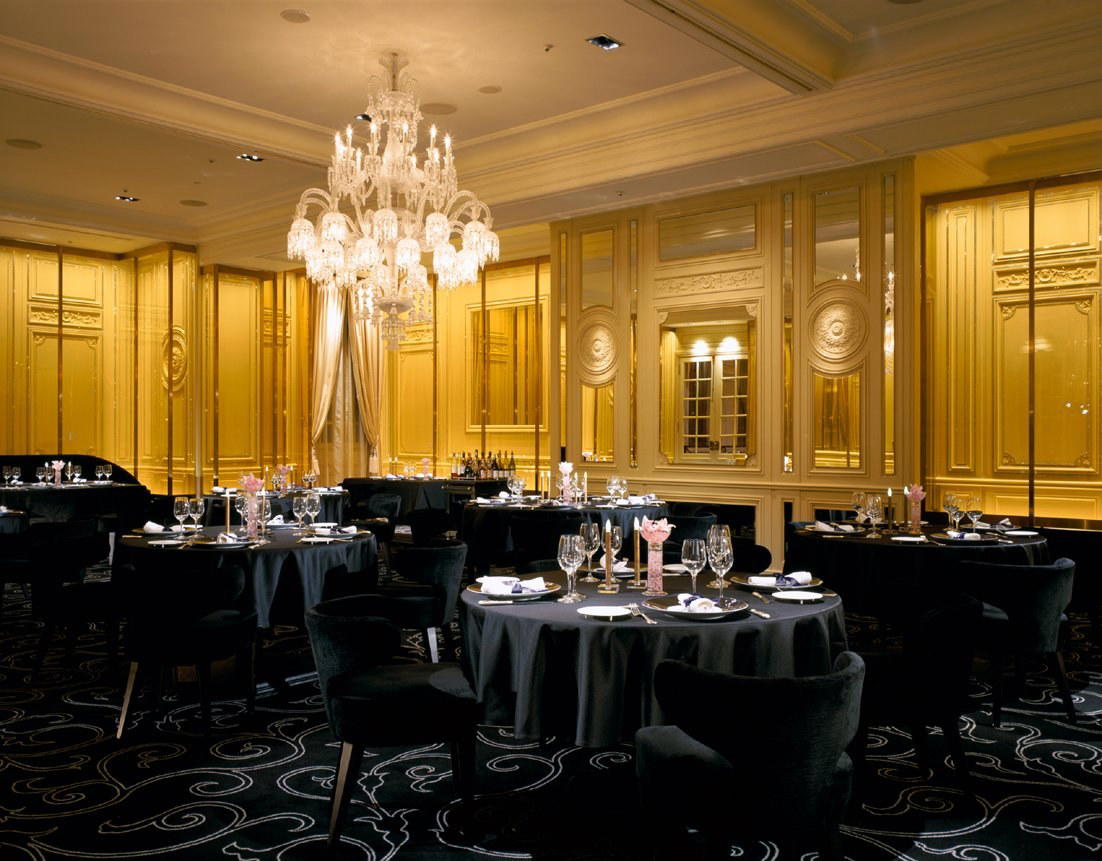
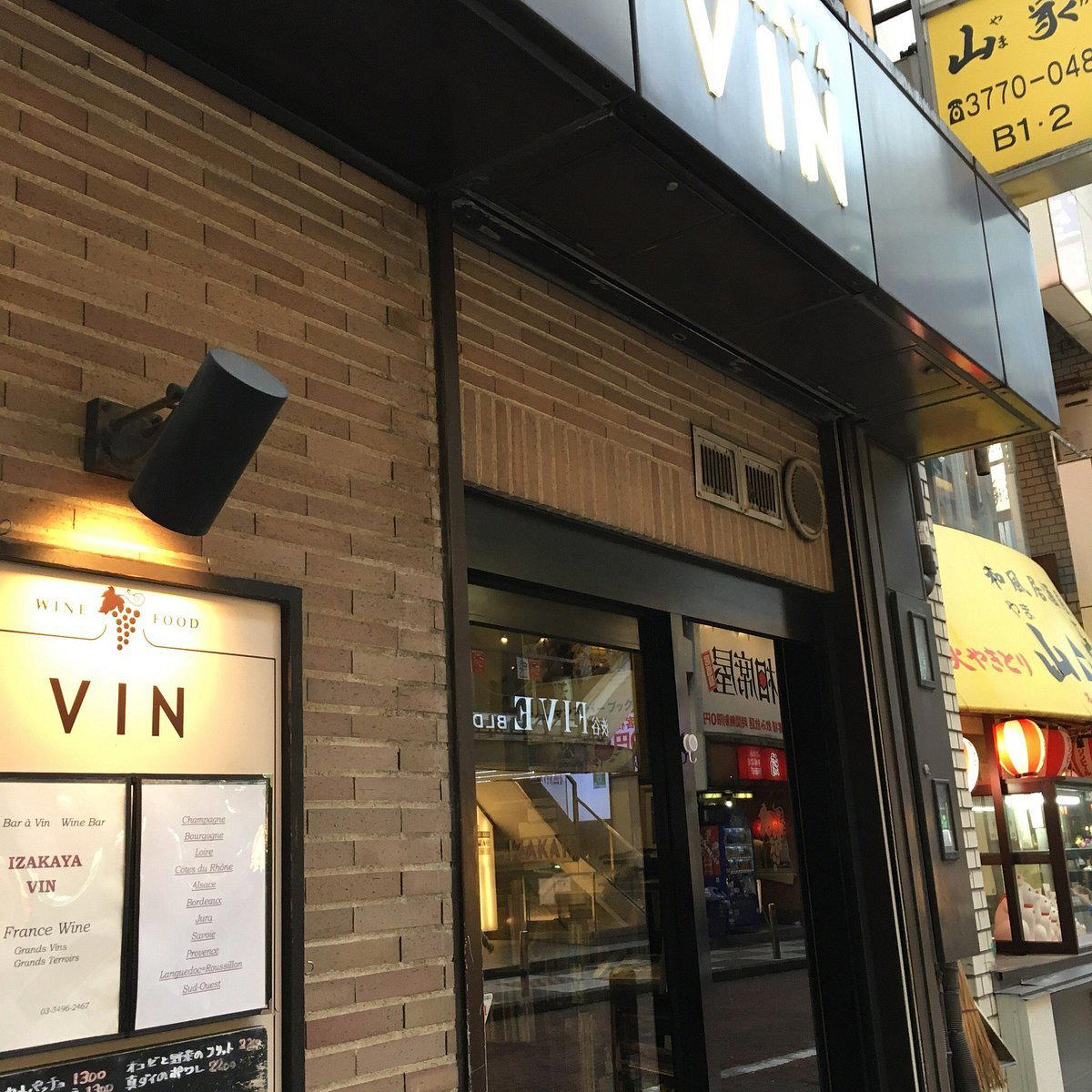
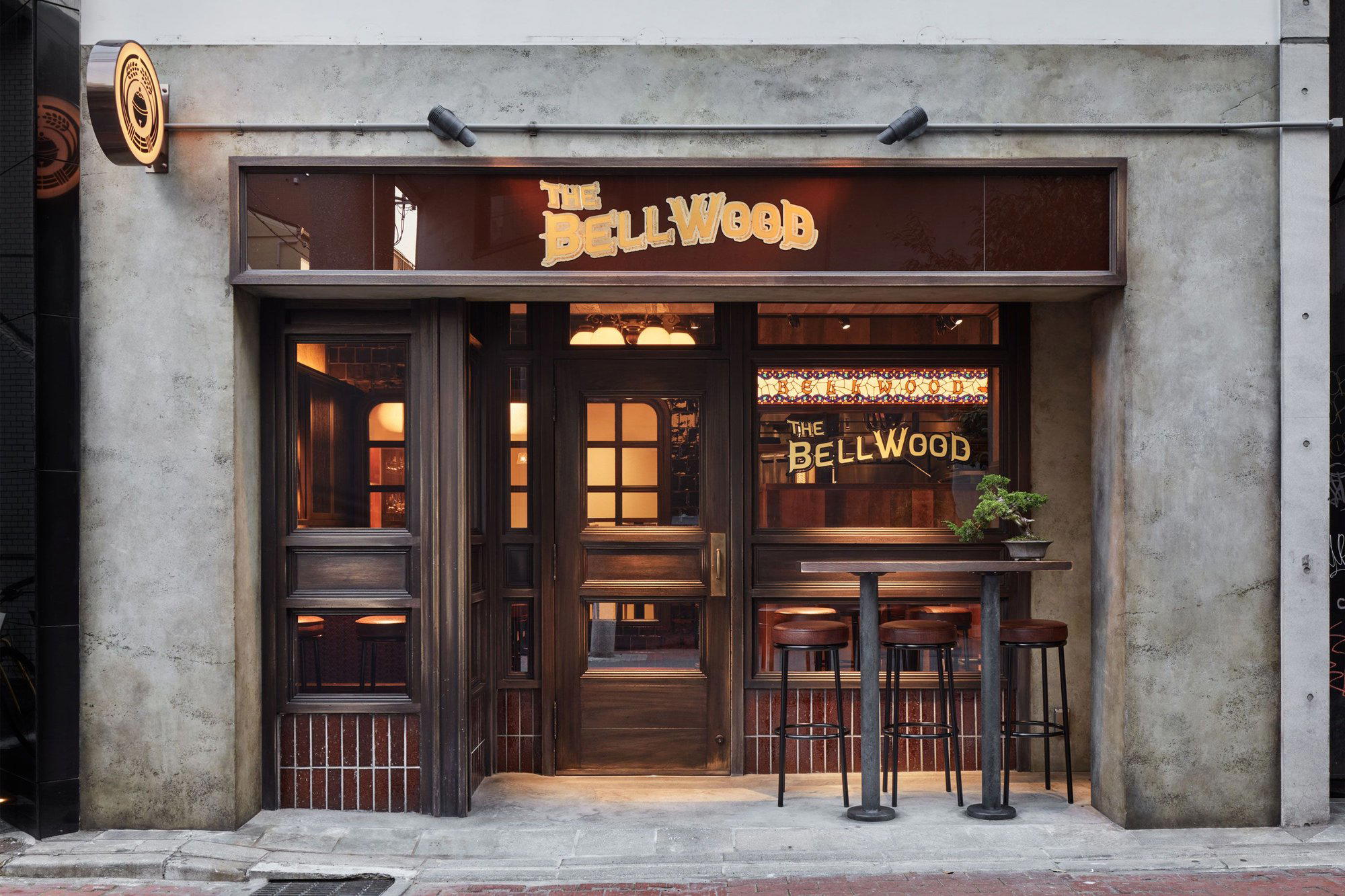
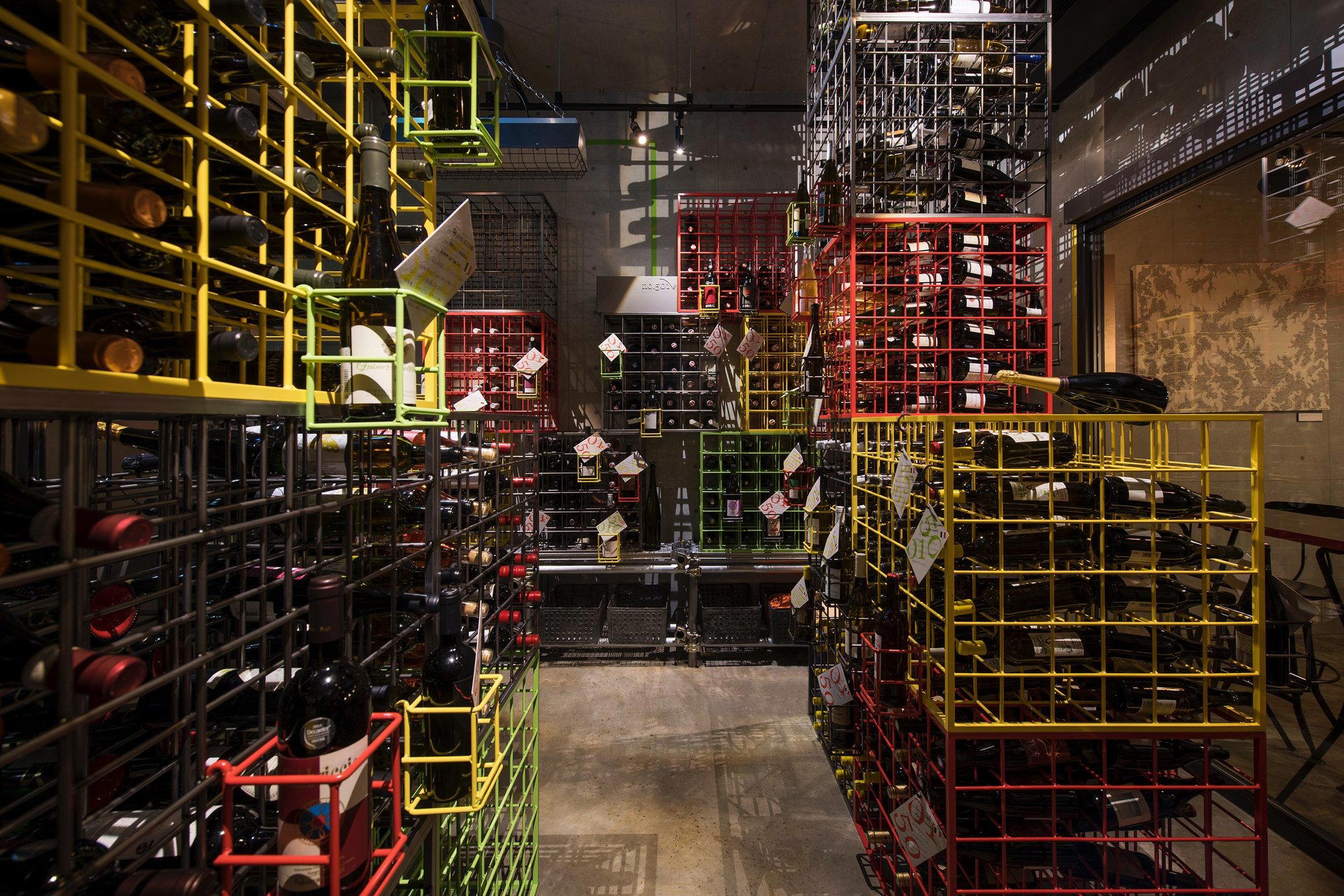
Tabelog 100 #18
Our verdict
Shinsen’s standing-bar culture gives milestone drinking a different grammar: less ceremony, more precision, and a room built for close-range conversation. neo sits in that Tokyo category with an Italian-leaning stand-up format, a wine focus, and selection for Tabelog 100 Tachinomi 2025, making it a sharp choice for celebrations that do not need white tablecloths.

Pearl is the En Primeur Club membership app, where members save venues, book tables and use the concierge.

Tokyo changes tone quickly after the main rush: streets tighten, late-afternoon light catches small signs and narrow frontages, and the city’s appetite shifts from department-store dining to counters, bars, and rooms where standing is part of the rhythm. Here, Tokyo’s tachinomi tradition has grown beyond a cheap drink format into compact rooms for a focused hour or two with the right people, close enough to hear every order land.
neo belongs to that newer standing-bar branch: Italian in category, drink-led in identity, compact by design. Its selection for Tabelog 100 Tachinomi 2025 matters because tachinomi is crowded in Tokyo, where casual bars compete on price, mood, and turnover. Recognition signals a venue above the usual after-work stop, without the choreography of a formal restaurant.
Standing up changes the shape of a celebration
Tokyo has long made small formats feel serious. Sushi counters, kappo rooms, yakitori counters, and tachinomi bars know proximity can carry as much weight as luxury. A standing bar reduces the meal to quick decisions: what to drink first, how long to stay, and whether the room suits two people marking a private date or a small group beginning an evening before moving deeper into Tokyo.
The format suits occasions between casual and ceremonial: a birthday drink before dinner, a post-theatre glass, a small promotion celebration, or a reunion that does not need a full tasting menu. The room does not ask guests to perform formality. It asks them to notice pace, company, and what the bar is built around.
Drinks are the clue. Tokyo’s standing-drink culture can lean beer, sake, highballs, or wine by neighbourhood and era. An Italian standing bar sits closer to aperitivo than izakaya, while the standing format keeps it rooted in Tokyo rather than full European dining ritual. The proposition is tight: drinks first, food within that context, movement built in.
Within Tokyo’s broad dining field, neo is a specialist stop rather than a general-purpose restaurant. Comparison names such as Matsuki Ya, 開花屋, Kaikaya by the Sea, Dame Jeanne, and Gonpachi Shibuya show the city’s casual-to-premium range across different styles of dining and drinking. The standing Italian bar takes a slimmer lane: lower ceremony and a stronger emphasis on how a short visit can feel complete.
Italian cues, Tokyo compression
Italian food in Tokyo is not one scene. It spans anniversary rooms with tasting menus, pasta counters, wine bars, pizzerias, and hybrid drinking rooms that use Italian structure without restaurant stiffness. The standing-bar version is especially Tokyo: small footprint, fast social charge, and drinks as anchor rather than accessory.
That compression is the point. A seated Italian dinner unfolds through courses and conversation; a standing bar makes the same cuisine category quicker, louder, and more selective. The experience is shaped by what can be held, shared, and ordered without turning the evening into a three-hour commitment. For a milestone meal, that can be a feature, not a compromise. Not every celebration needs linen, a formal presentation, or a procession of plates. Some are better served by a room where staying for another round is the main luxury.
The Tabelog 100 Tachinomi 2025 selection places the venue inside a Japanese dining taxonomy that takes casual categories seriously. Tachinomi can be misunderstood by visitors as merely budget drinking, but better examples use standing service as discipline: limited space, clear identity, and little room for slack execution. In Tokyo, where rents and drinking habits reward efficiency, a small standing room can build a more memorable evening than a larger restaurant with a blurrier point of view.
For travellers mapping a wider Tokyo itinerary, this stop works well with city intent, not as a checked-off destination meal. Tokyo rewards sequencing. A standing bar before or after dinner can sharpen the night without exhausting it. Readers comparing categories can scan Our full Tokyo restaurants guide, while drink-focused planning belongs alongside Our full Tokyo bars guide. For a broader stay, Our full Tokyo hotels guide, Our full Tokyo experiences guide, and Our full Tokyo wineries guide frame the city beyond the dinner reservation.
How to use it in a Tokyo night
The smart use case is not a sprawling group dinner. Standing bars reward smaller parties, shorter windows, and guests comfortable with bar speed. For celebrations, edit the plan: a glass-led start before a larger meal, a compact second stop after sushi or yakitori, or a deliberately informal anniversary for people who prefer energy to ceremony.
Tokyo’s dining strength is moving between formats without lowering ambition. A visitor can place a tachinomi stop beside yakitori counters, casual Japanese dining rooms, or seafood-led nights elsewhere in the city. The contrast matters: Tokyo does not reserve seriousness for formal rooms, and its casual formats often reveal more about local dining habits than a luxury tasting menu.
Outside Tokyo, Japan’s regional breadth pulls the same lesson differently. Curry specialists, graphic café formats, coastal beef restaurants, and Kyoto tables each show how format defines expectation as much as cuisine. Further afield, casual cafés and specialist dining rooms underline the same point: the room tells the guest how to behave before the menu does.
For international readers, the comparison is less about cuisine than occasion design. Specialist bars and casual Japanese-format stops abroad may explain the appeal of specificity, but Tokyo’s standing bars have their own tempo. neo is strongest as a precise social instrument: compact, Italian in category, and suited to celebrations that gain from momentum rather than ceremony.
Frequently asked questions
What price level is neo?
Pricing at neo is listed as JPY 5,000 - JPY 5,999.
What time does neo open and close?
What's the address for neo?
neo is located in Tokyo.
What is neo known for?
neo is known as a stand-up bar in Tokyo, with Italian as its listed category and a place in Tabelog 100 Tachinomi 2025. The price range sits at JPY 5,000–JPY 5,999, which keeps it in a practical middle tier for Tokyo drinking.
Where the Accolades Land
Comparable venues at a similar level for quick context.
| Venue | Cuisine | Price | Awards | Notes |
|---|---|---|---|---|
| neoThis venue (the venue you are viewing) | Italian Standing Bar | $50–100 | Tabelog 100 #18 | Not listed |
| Napule | Authentic Neapolitan Pizza & Southern Italian Trattoria | $30–50 | Not listed | Minato |
| PEGASO | Modern Italian with Japanese influences | $100–150 | Tabelog 100 #66 | Minato |
| TARANTELLA da luigi | Traditional Southern Italian & Neapolitan Pizzeria | $50–100 | Tabelog 100 #28 | Minato |
| TRATTORIA GRAN BOCCA | Italian steakhouse trattoria with A5 Wagyu | $30–50 | Tabelog 100 #3 | Chiyoda |
| Angelo | Seasonal Italian Omakase | $50–100 | Michelin Plate | Shinagawa |
Recognition history
Dated appearances from independent guides and award organizations, with the underlying list record or original source where available.
Tabelog 100 #18 · No. 18
Tabelog · Tabelog 100 - Tachinomi - 2025