Siam Thaiküche on Karolingerstraße brings Thai cooking to a Salzburg dining scene dominated by Austrian and modern European traditions. In a city where Michelin-tracked tasting menus command most of the critical attention, this address fills a different role: a neighbourhood-scaled Thai kitchen for those seeking the aromatic registers of Southeast Asian cooking rather than another schnitzel or creative Austrian tasting format.
Pearl is the En Primeur Club membership app — saves, bookings, and concierge access live there. Same editors, same standards.
- Address
- Karolingerstraße 31A, 5020 Salzburg, Austria
- Phone
- +436643591200
- Website
- xn--siam-thaikche-5ob.at
- Directions
- Get directions
 Saves & bookings on Pearl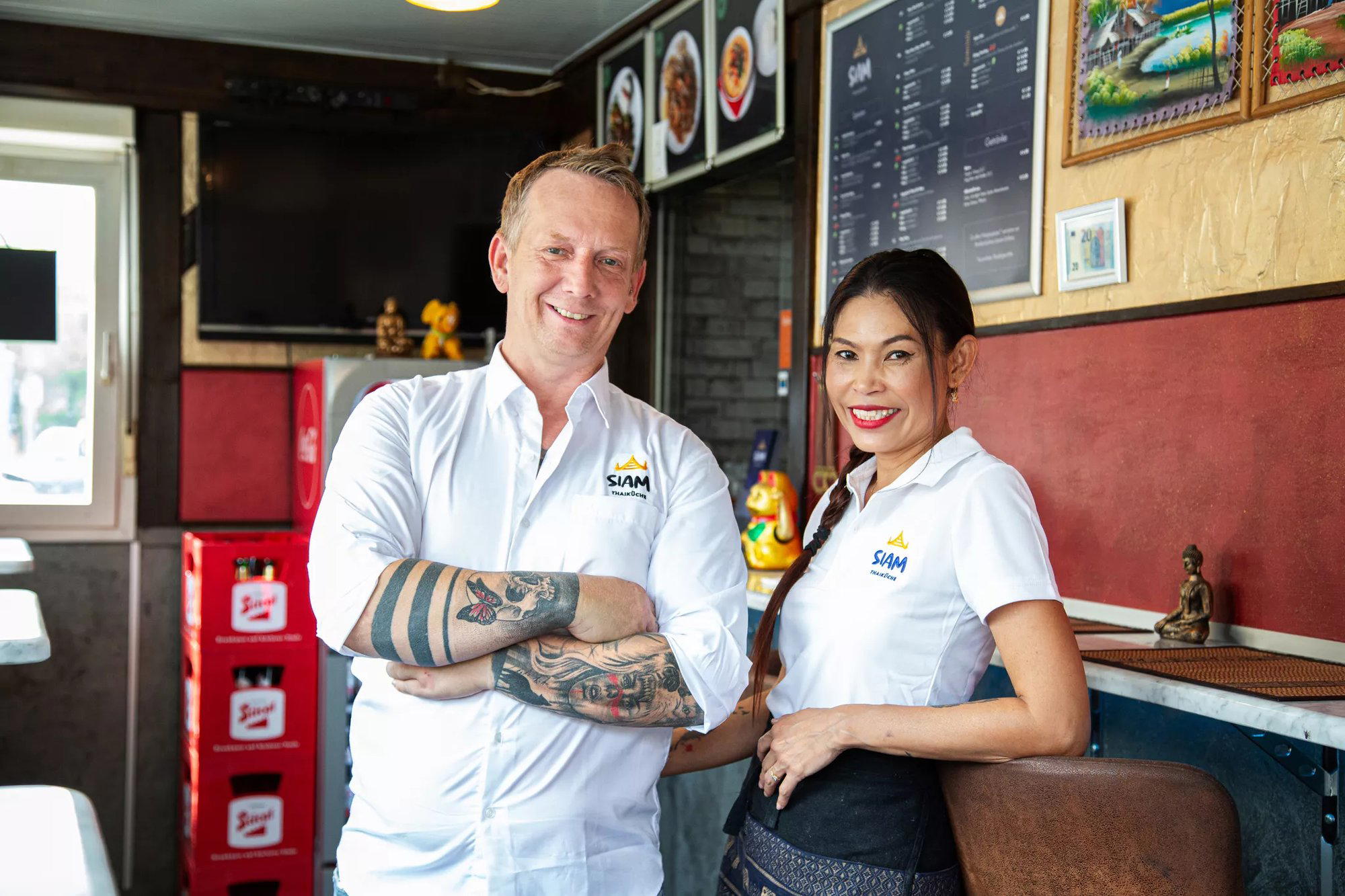
Thai Cooking in a City of Tasting Menus
Salzburg's restaurant reputation is built almost entirely on the Austrian and modern European tradition. The names that circulate among food-focused visitors are places like Ikarus, Esszimmer, and Pfefferschiff, kitchens operating in the creative-European mode, with tasting menus, award citations, and price points to match. That concentration of fine-dining energy is part of what makes a kitchen like Siam Thaiküche worth locating: it occupies a register that Salzburg's recognised dining circuit almost entirely ignores.
Thai cuisine sits within a broader Southeast Asian cooking tradition that prizes the calibration of aromatic elements, lemongrass, galangal, kaffir lime leaf, fish sauce, above the reduction-and-plating logic that governs most European fine dining. In Austrian cities, where the dominant culinary frame runs from hearty regional cooking through to modernist tasting formats, a Thai kitchen is less a novelty than a genuine category shift. The flavour architecture is different, the sourcing logic is different, and the dining format is typically more immediate and less ceremonial than the multi-course structures that dominate Salzburg's reviewed restaurants.
Karolingerstraße and the West Bank of Salzburg
Siam Thaiküche sits at Karolingerstraße 31A, in the western residential stretch of Salzburg that sees considerably less tourist foot traffic than the Altstadt or the streets around the Festspielhaus. This part of the city operates on a neighbourhood scale: apartment buildings, local businesses, streets that belong to residents rather than visitors. Arriving here by foot from the centre means crossing the Salzach and moving away from the historic concentration of bars, restaurants, and festival infrastructure that defines central Salzburg's public face.
For diners who know Salzburg primarily through its old city and festival venues, this address requires deliberate navigation. The 5020 postcode covers a broad residential zone, and Karolingerstraße itself is not a dining destination street in the way that central Salzburg addresses tend to be. That positioning shapes the character of the place: this is not a venue calibrated to festival-week visitors or first-night-in-town tourism decisions. It functions, instead, as a local resource.
What Thai Cooking Asks of a Non-Thai City
The challenge for any Thai kitchen operating in a central European city is ingredient access and customer baseline. Thailand's regional cuisines, northern, northeastern Isan, central plains, and southern, have distinct identities that rarely survive intact in European transplants. What tends to persist is a middle register of the cuisine: curries built on commercial pastes or house-made versions, stir-fries with accessible proteins, noodle formats like pad thai and pad see ew that have become internationally legible shorthand for the wider tradition.
Cities with large Thai diaspora communities and established supply chains, London, Berlin, Paris, support a wider range of regional specificity. Salzburg is not that kind of city. Its Thai restaurant options are limited, which means that a kitchen like Siam Thaiküche is likely serving a dual audience: Austrian diners seeking Southeast Asian flavour profiles as an alternative to the dominant local dining mode, and a smaller number of residents or visitors with personal familiarity with the cuisine. Both audiences place different demands on the kitchen, and the balance a restaurant strikes between them tends to define its character more than any single dish.
For a point of comparison outside the Austrian context, Thai and Korean cooking have both navigated this question of legibility versus specificity in international markets. Places like Atomix in New York City have demonstrated what happens when a non-Western cuisine is given fine-dining infrastructure and a deep-pocketed audience willing to follow. That model is the exception. For most Asian kitchens operating in European regional cities, the practical answer is a focused menu that communicates clearly without flattening the cuisine entirely.
Salzburg's Dining Context: Where This Address Fits
The restaurants that dominate Salzburg's dining conversation share a set of characteristics: Austrian or European culinary foundations, tasting-menu formats, Michelin or Gault Millau recognition, and price points that reflect the city's festival-economy positioning. Senns and The Glass Garden are part of that circuit. Beyond Salzburg's city limits, the wider Austrian and Alpine dining tradition extends to addresses like Obauer in Werfen, Döllerer in Golling an der Salzach, and Kräuterreich by Vitus Winkler, all operating firmly within the European tradition. Further afield, Steirereck im Stadtpark in Vienna represents the pinnacle of that mode at national level.
The restaurant does not compete with any of those addresses. Its comparable set is the thin layer of Asian restaurants in Salzburg serving a city that has historically directed its dining investment toward the Austrian and European canon. In that context, its role is less about competing for critical attention and more about providing an accessible entry point to a cuisine that the city's fine-dining infrastructure does not address. The broader Austrian Alpine restaurant network, which includes Griggeler Stuba in Lech, Gourmetrestaurant Tannenhof in Sankt Anton am Arlberg, Schwarzer Adler in Hall in Tirol, Landhaus Bacher in Mautern an der Donau, Ois in Neufelden, and Restaurant 141 by Joachim Jaud in Mieming, confirms just how thoroughly the regional dining identity has been built around European culinary traditions.
Planning Your Visit
The address at Karolingerstraße 31A is most practically reached by car or by local bus from the city centre. The restaurant is walk-in friendly.
Comparable Venues
Comparable venues nearby, for context on price, style, and recognition.
| Venue | Cuisine | Price | Notes |
|---|---|---|---|
| Siam ThaikücheThis venue — the venue you are viewing | Authentic Thai Street Food | $$ | Not listed |
| Das Gablerbräu | Traditional Austrian Wirtshaus | $$ | Rechte Altstadt |
| Ichi go ichi e | Authentic Japanese Ramen | $$ | Schallmoos Ost |
| Wokman | Vietnamese & Asian Natural Kitchen | $$ | Linke Altstadt |
| Levantine taste | Authentic Levantine Cuisine | $$ | Josefiau |
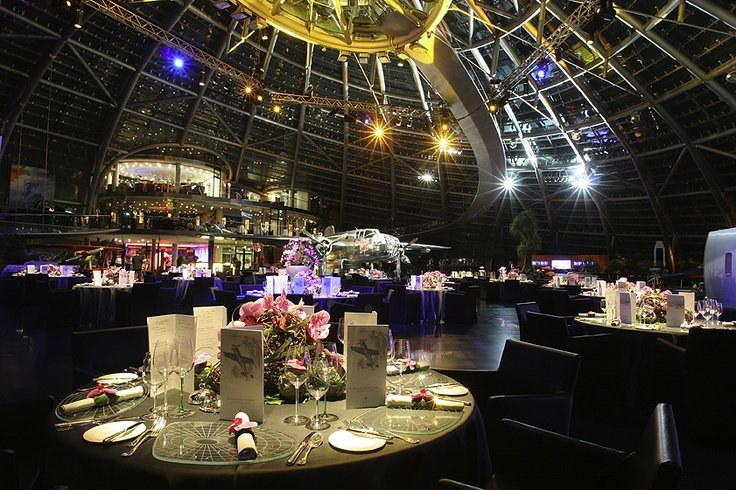
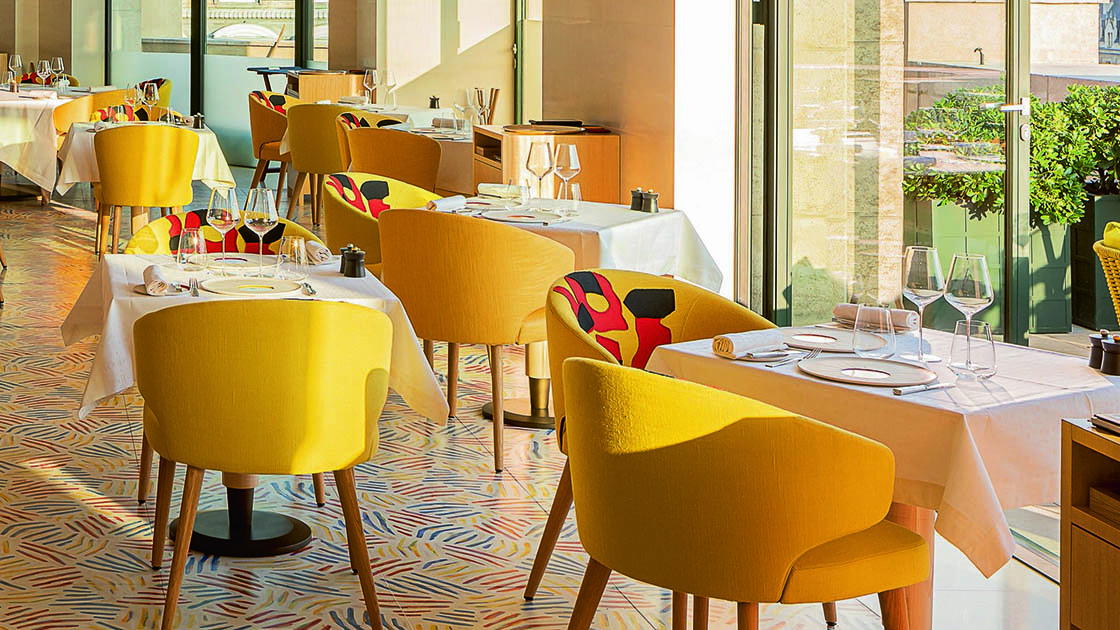
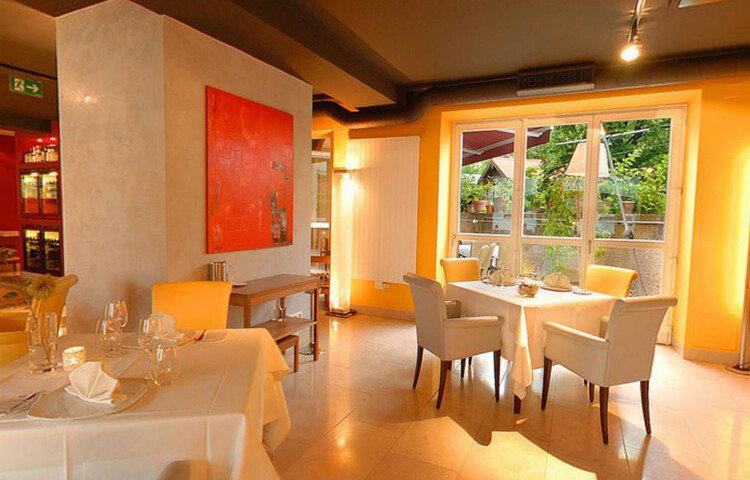
| IMLAUER Sky | Modern Austrian with International Influences | $$$ | Neustadt |
At a Glance
- Casual
- Cozy
- Casual Hangout
- Group Dining
- Solo
- Open Kitchen
- Terrace
- Beer Program
- Local Sourcing
- Farm To Table
- Street Scene
Current opening hours
- Monday
- 11 AM–8 PM
- Tuesday
- 11 AM–8 PM
- Wednesday
- 11 AM–8 PM
- Thursday
- 11 AM–8 PM
- Friday
- 11 AM–8 PM
- Saturday
- Closed
- Sunday
- Closed
Hours can change for holidays and private events. Last verified .
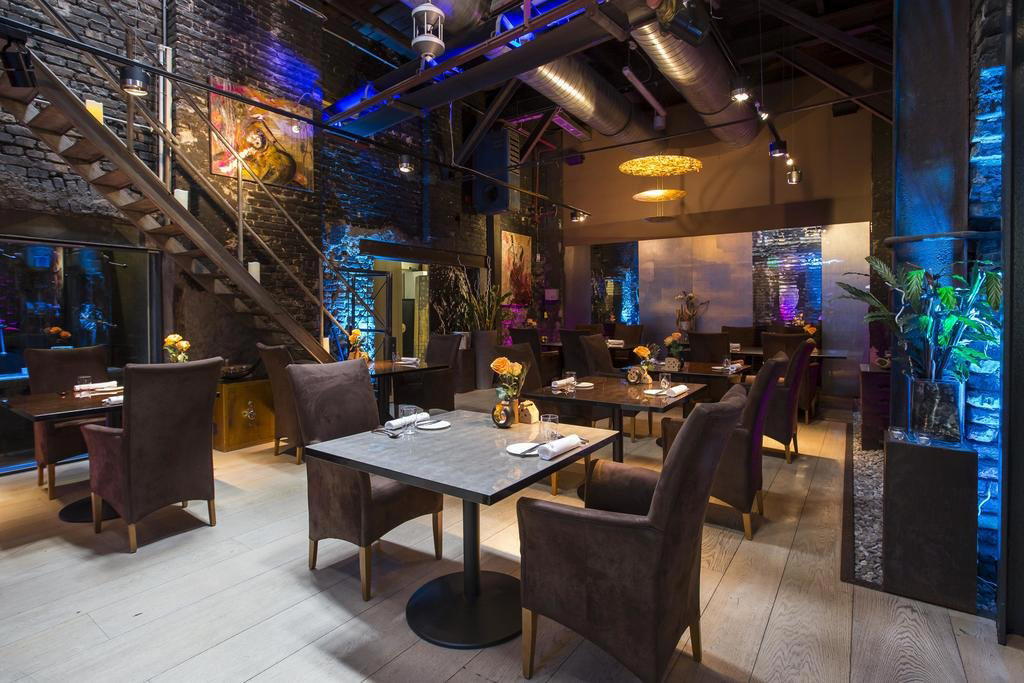
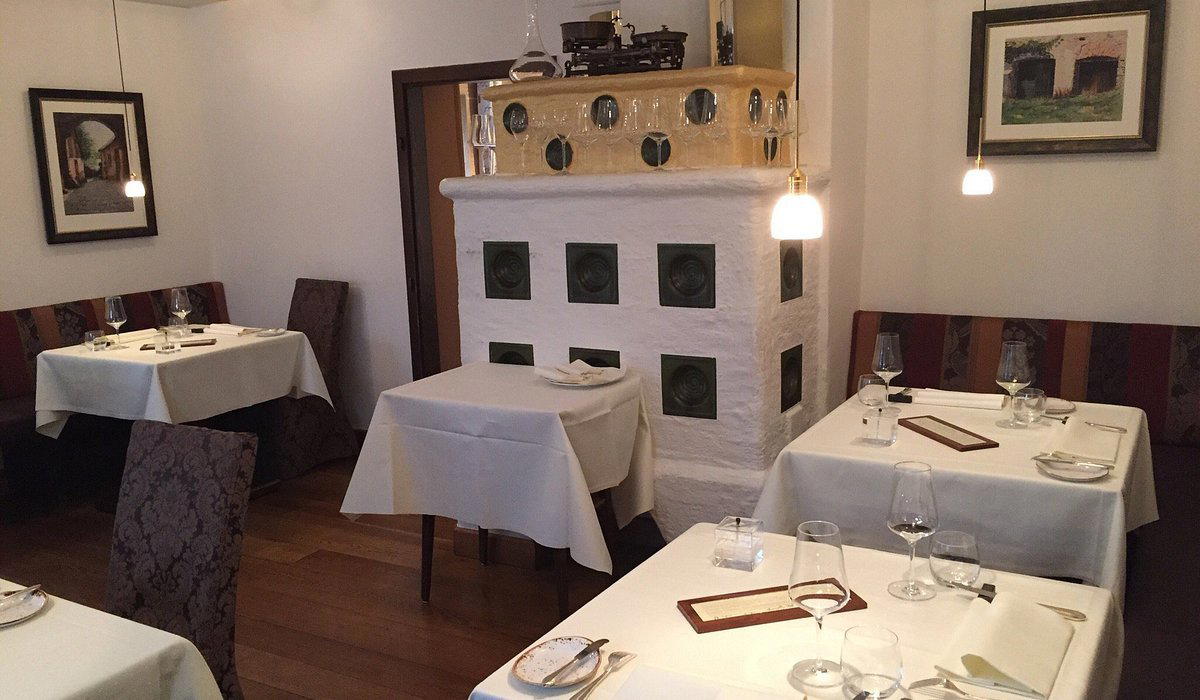
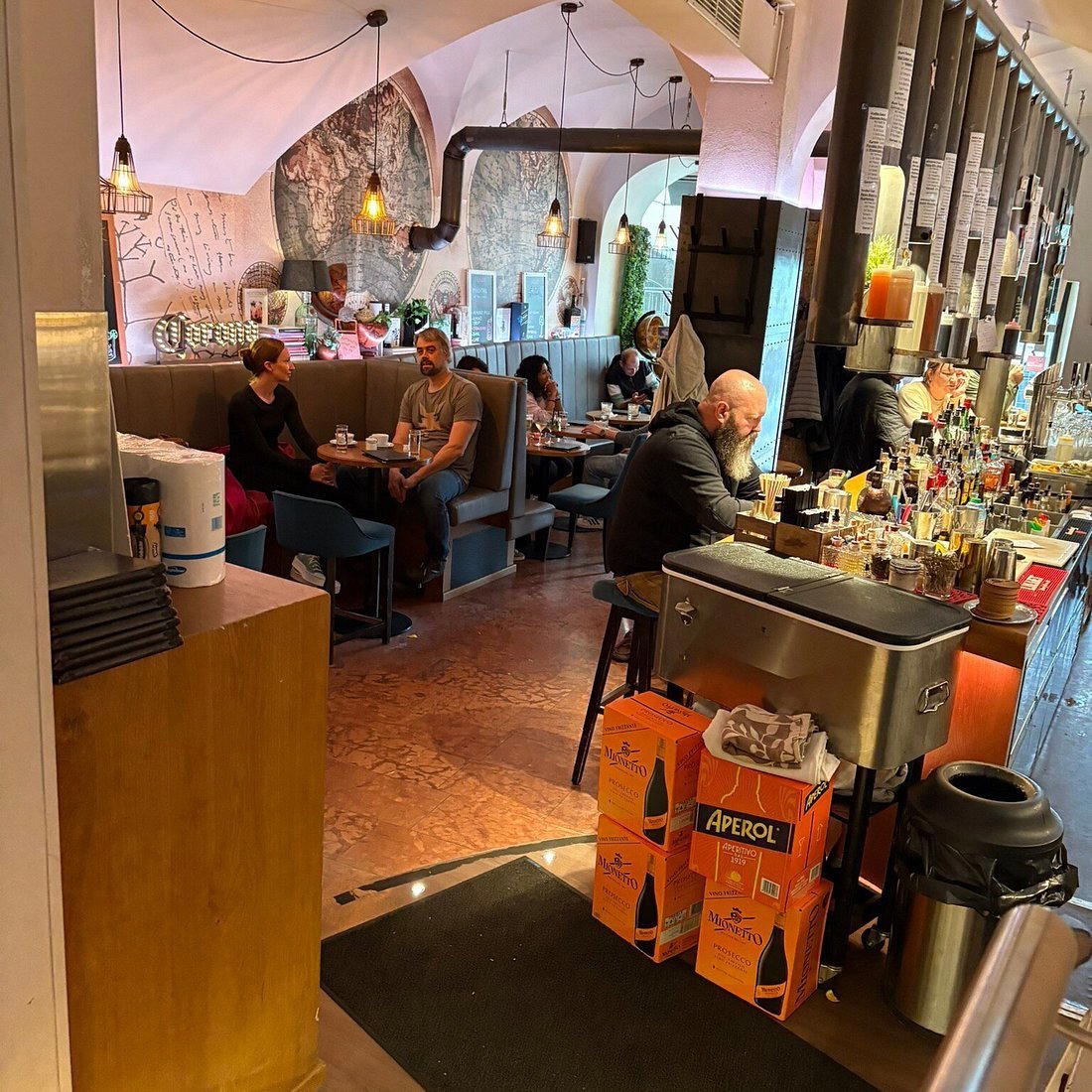
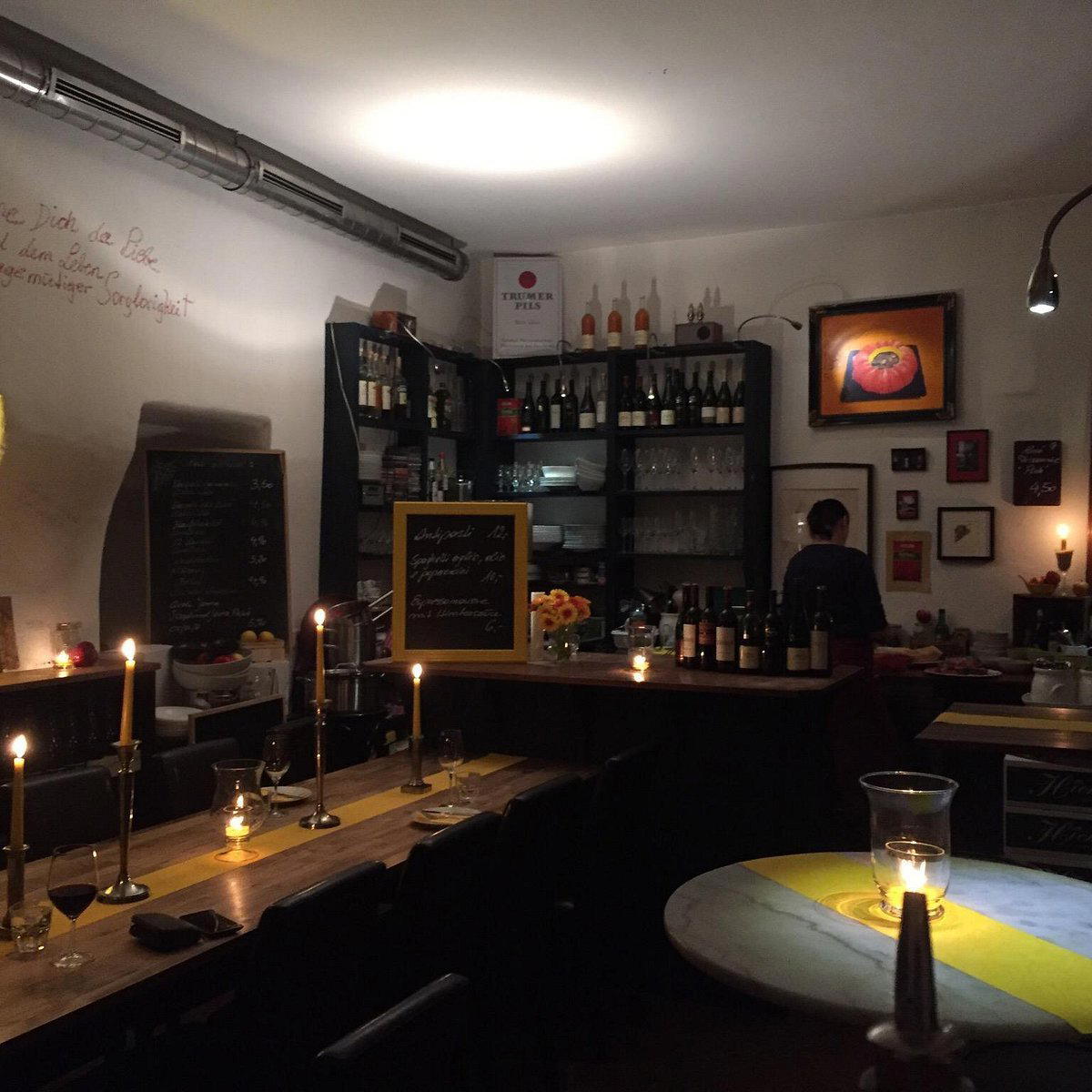
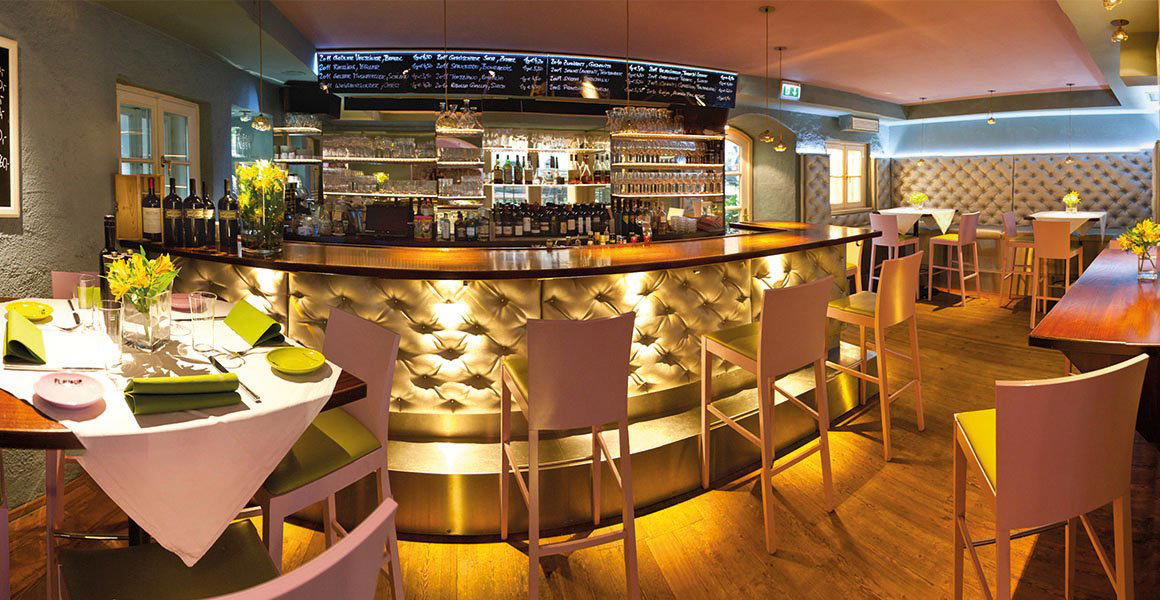
Casual, intimate street-side setting with a small garden area; warm and welcoming atmosphere enhanced by genuine Thai hospitality and homemade cooking.