Levantine taste brings the flavours of the eastern Mediterranean to Alpenstraße, a part of Salzburg better known for Alpine conventions than for za'atar and slow-braised lamb. The restaurant occupies an address that sits outside the Altstadt tourist circuit, positioning it within a quieter, more residential dining register. For visitors moving between Salzburg's established fine-dining tier and something with a different regional logic, it offers a change of culinary frame.
Pearl is the En Primeur Club membership app — saves, bookings, and concierge access live there. Same editors, same standards.
- Address
- Alpenstraße 34A, 5020 Salzburg, Austria
- Phone
- +436504255227
- Website
- levantinetaste.at
- Directions
- Get directions
 Saves & bookings on Pearl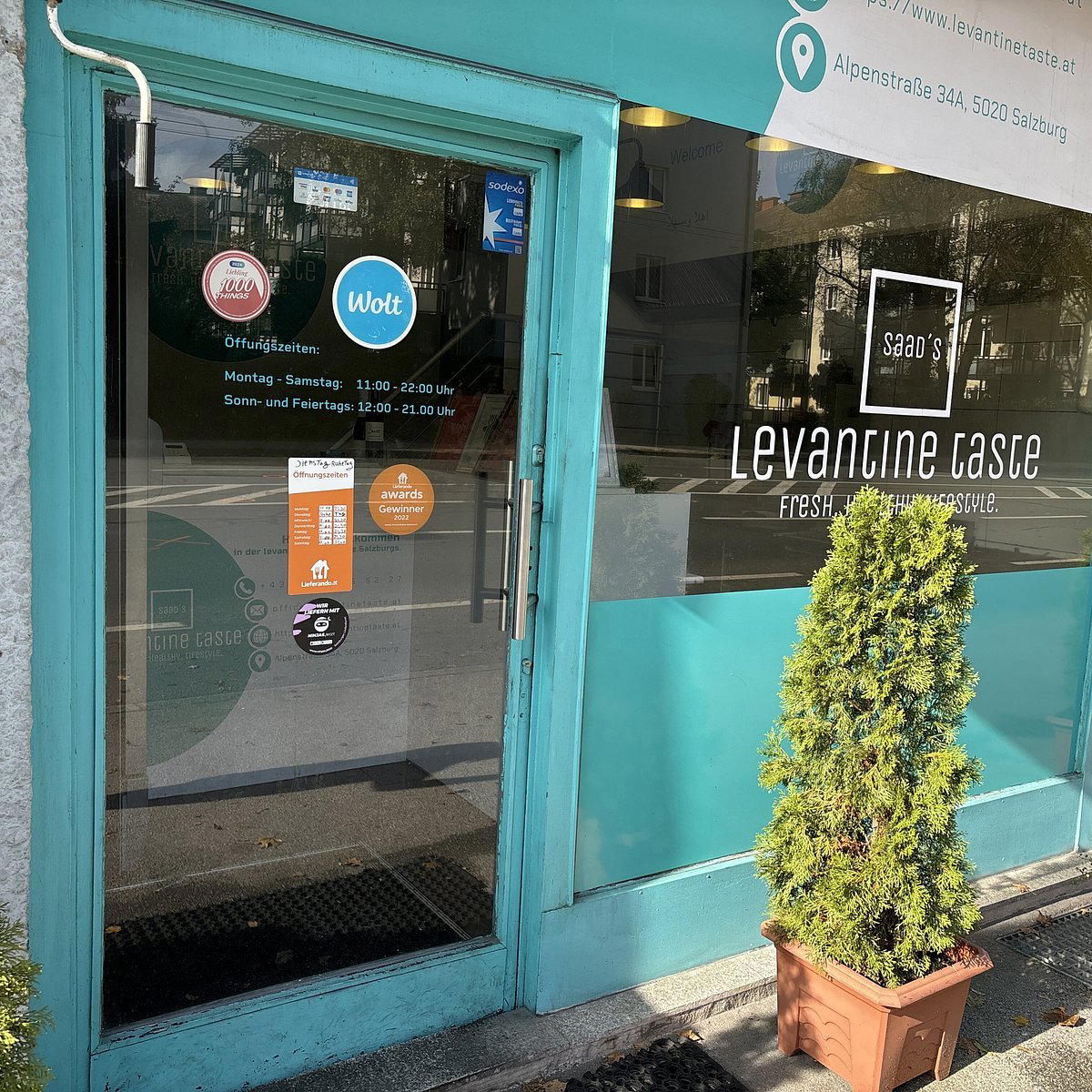
Where Alpine Salzburg Meets the Eastern Mediterranean
Salzburg's dining reputation is built almost entirely on Austrian craft: the long-simmered sauces, the game preparations, the modern Austrian tasting menus at places like Esszimmer and Senns. The city's fine-dining axis runs through the Altstadt and its satellite neighbourhoods, and venues such as Ikarus and Pfefferschiff have long anchored the upper tier of that scene. Against that backdrop, a Levantine kitchen operating on Alpenstraße, south of the city centre, along a corridor that runs toward the mountains rather than toward the tourist core, represents a genuine departure from the city's default dining logic.
Levantine cuisine, as a category, has gained significant ground across European cities over the past decade. The tradition draws on the cooking of Lebanon, Israel, Syria, Jordan, and the broader eastern Mediterranean: dishes structured around sharing, built from preserved lemons, sumac, tahini, slow-cooked pulses, and wood-fired flatbreads. In cities like London and Berlin, this tradition shifted from immigrant-community staple to a recognised strand of serious modern cooking. In a city like Salzburg, where the culinary conversation remains largely Alpine and the restaurant density is lower, a Levantine address occupies a more singular position in the local offer.
The Progression of the Meal
Levantine dining, at its most considered, is structured less like a Western tasting menu and more like a series of arriving gestures. The meal does not build in the conventional European sense, appetiser to main to dessert, but rather opens broadly, with mezze arriving in clusters, each dish functioning as both standalone statement and part of a larger composition. This format rewards patience. The early plates establish a register: acidity from pickles and yogurt-based dips, fat from olive oil, heat from dried chillis or harissa. What arrives later tends to be richer and more substantial, but the coherence of the meal depends on how those early layers are read.
This is a structurally different proposition from what you find at The Glass Garden or the more formal tasting-menu formats common to Salzburg's upper dining tier. There, progression is choreographed by the kitchen and arrives in a fixed sequence. At a Levantine table, the diner's own ordering decisions shape the arc. The experience is less linear and more cumulative, which means that first-time visitors to the cuisine benefit from ordering broadly at the start and resisting the urge to anchor too early on the heavier proteins.
Across the broader Levantine tradition, a meal of this kind tends to move through: cold mezze (hummus preparations, fattoush or similar herb-forward salads, labneh), then warm or cooked mezze (kibbeh, grilled halloumi, pastry-based preparations), and finally the centrepiece dishes, typically lamb, chicken, or fish prepared with spice combinations that differ sharply from the Central European pantry. Austrian diners encountering this progression for the first time often note the absence of the structured heaviness that defines the local cuisine, the Levantine meal is rich, but its richness comes from accumulation rather than from a single dominant course.
Alpenstraße and the Question of Location
The address at Alpenstraße 34A places Levantine taste outside the circuits that most visitors follow when eating in Salzburg. The street runs south from the city, with the Kapuzinerberg ridge to one side and the open southern approaches to the other. It is not a restaurant-dense corridor. That geographical fact shapes the experience: this is not a venue you stumble upon during an Altstadt evening. It requires a deliberate decision to go there, which tends to self-select for a different diner, local, returning, and with a specific appetite rather than a tourist working through a shortlist.
For visitors, the comparison point worth holding in mind is the broader Austrian regional dining scene. Restaurants like Döllerer in Golling an der Salzach or Obauer in Werfen require similar levels of deliberate travel away from the city centre, and that distance tends to be absorbed naturally into a dining plan. Applying the same logic to Alpenstraße makes the trip direct. Salzburg is compact enough that no address within its municipal boundaries requires more than a short taxi or tram connection from the Altstadt.
Levantine Cooking in the Austrian Context
Austria's relationship with Middle Eastern cuisine has deepened considerably since the 2010s, driven in part by Vienna's long-established connections to the eastern Mediterranean and in part by more recent demographic shifts. Steirereck im Stadtpark in Vienna is the benchmark of what serious Austrian cooking can achieve at the summit of the national system, but Vienna also sustains a broader, more diverse dining ecosystem than Salzburg. In Salzburg, non-Austrian cuisines occupy a smaller share of the serious restaurant conversation, which means a Levantine kitchen here competes less with direct peers and more with the pull of the established Austrian fine-dining tier.
That positioning is neither weakness nor strength by default. Cuisines from the eastern Mediterranean have demonstrated, in markets from London to Stockholm, that they can command serious attention and serious prices when executed with care. The question in any given city is whether the local dining public has developed the appetite and frame of reference to engage with the cuisine on its own terms rather than treating it as a casual alternative to the dominant local offer.
For context on what the Salzburg dining scene can sustain at its most ambitious end, the comparison with Ikarus's rotating-chef format or the creative precision of Pfefferschiff is instructive. Both operate in a city that has proven it will support serious cooking with serious intent. Internationally, the reference points for Levantine cooking executed at high ambition include the multi-course formats pioneered at venues with similar ethos to Atomix in New York City, where a non-Western culinary tradition is presented with the structural rigour of a tasting menu. Closer to home, Kräuterreich by Vitus Winkler in Sankt Veit im Pongau and Griggeler Stuba in Lech show what regionally rooted cooking, applied with technical discipline, can achieve in the Austrian Alpine context.
Planning a Visit
Levantine taste sits at Alpenstraße 34A in the southern reaches of Salzburg, accessible by taxi from the Altstadt in under fifteen minutes. Current booking details, hours, and pricing are direct: the restaurant is open Mon: 11 AM to 10 PM; Tue: Closed; Wed to Sat: 11 AM to 10 PM; Sun: 12 to 9 PM, with walk-ins welcome and pricing around $20 per person. For visitors building a broader Salzburg itinerary, the full Salzburg restaurants guide maps the city's dining tiers from the Michelin-recognised upper bracket to neighbourhood-level addresses like this one. Those planning an extended Austrian trip may also find it worth building in visits to Landhaus Bacher in Mautern an der Donau, Ois in Neufelden, Schwarzer Adler in Hall in Tirol, Restaurant 141 by Joachim Jaud in Mieming, and Gourmetrestaurant Tannenhof in Sankt Anton am Arlberg, each of which represents a distinct strand of serious cooking in the wider Alpine region.
Standing Among Peers
Comparable venues nearby, for context on price, style, and recognition.
| Venue | Cuisine | Price | Notes |
|---|---|---|---|
| Levantine tasteThis venue — the venue you are viewing | Authentic Levantine Cuisine | $$ | Not listed |
| Triangel | Traditional Austrian | $$ | Linke Altstadt |
| Superstanza | Italian Soul Food Pasta | $$ | Rechte Altstadt |
| Pescheria Backi | Mediterranean Seafood | $$ | Neustadt |
| Rialto | Austrian Café with Ice Cream Specialties | $$ | Linke Altstadt |
| Alvera Monte Mio | Authentic Italian Bistro | $$ | Altstadt |
At a Glance
- Casual
- Cozy
- Casual Hangout
- Family
- Standalone
Current opening hours
- Monday
- 11 AM–10 PM
- Tuesday
- Closed
- Wednesday
- 11 AM–10 PM
- Thursday
- 11 AM–10 PM
- Friday
- 11 AM–10 PM
- Saturday
- 11 AM–10 PM
- Sunday
- 12–9 PM
Hours can change for holidays and private events. Last verified .
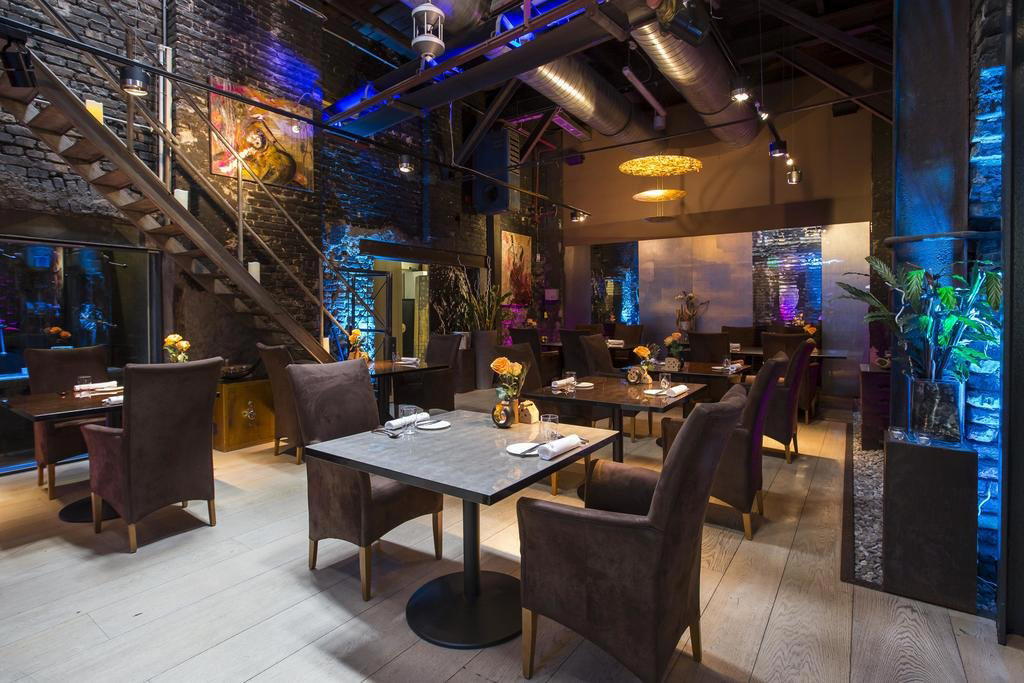
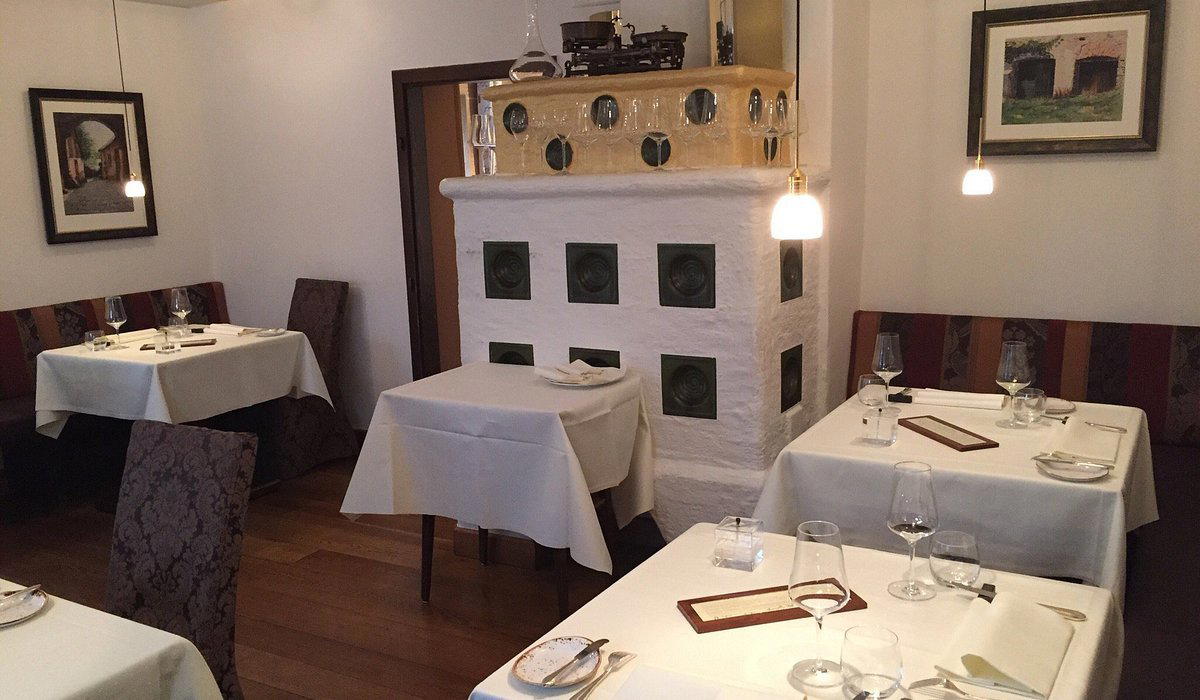
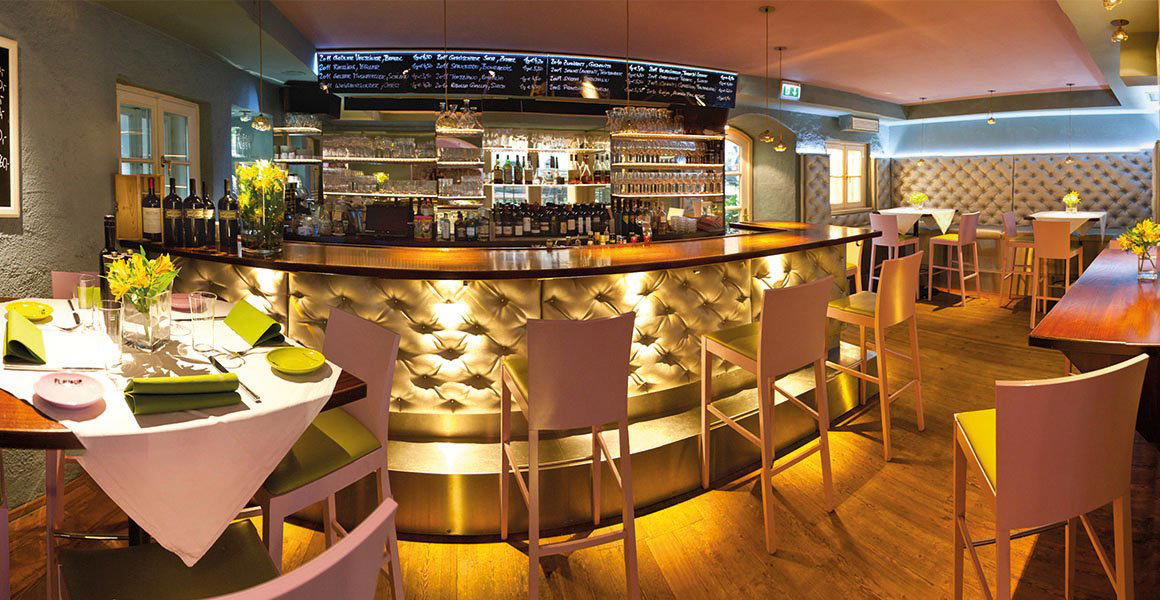
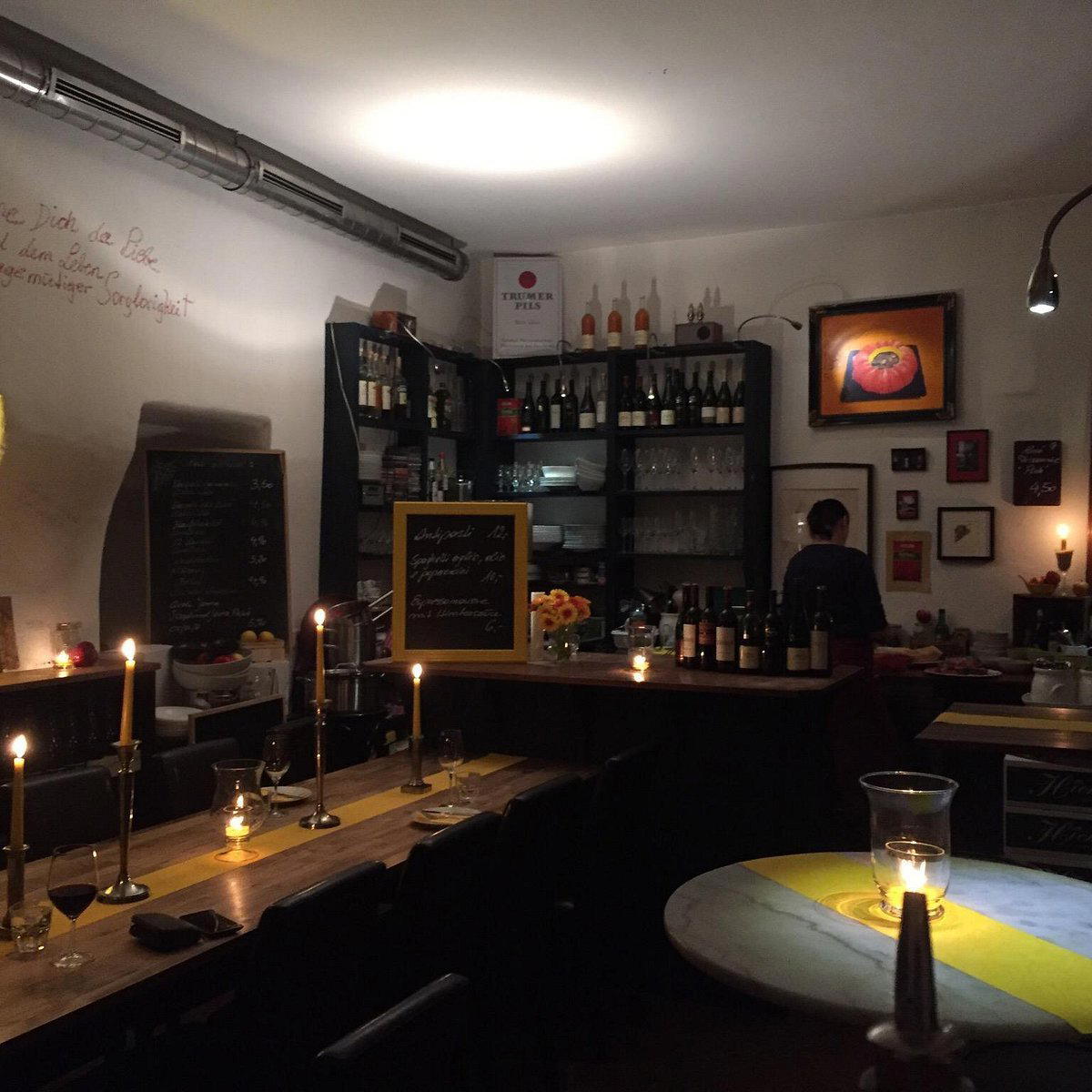
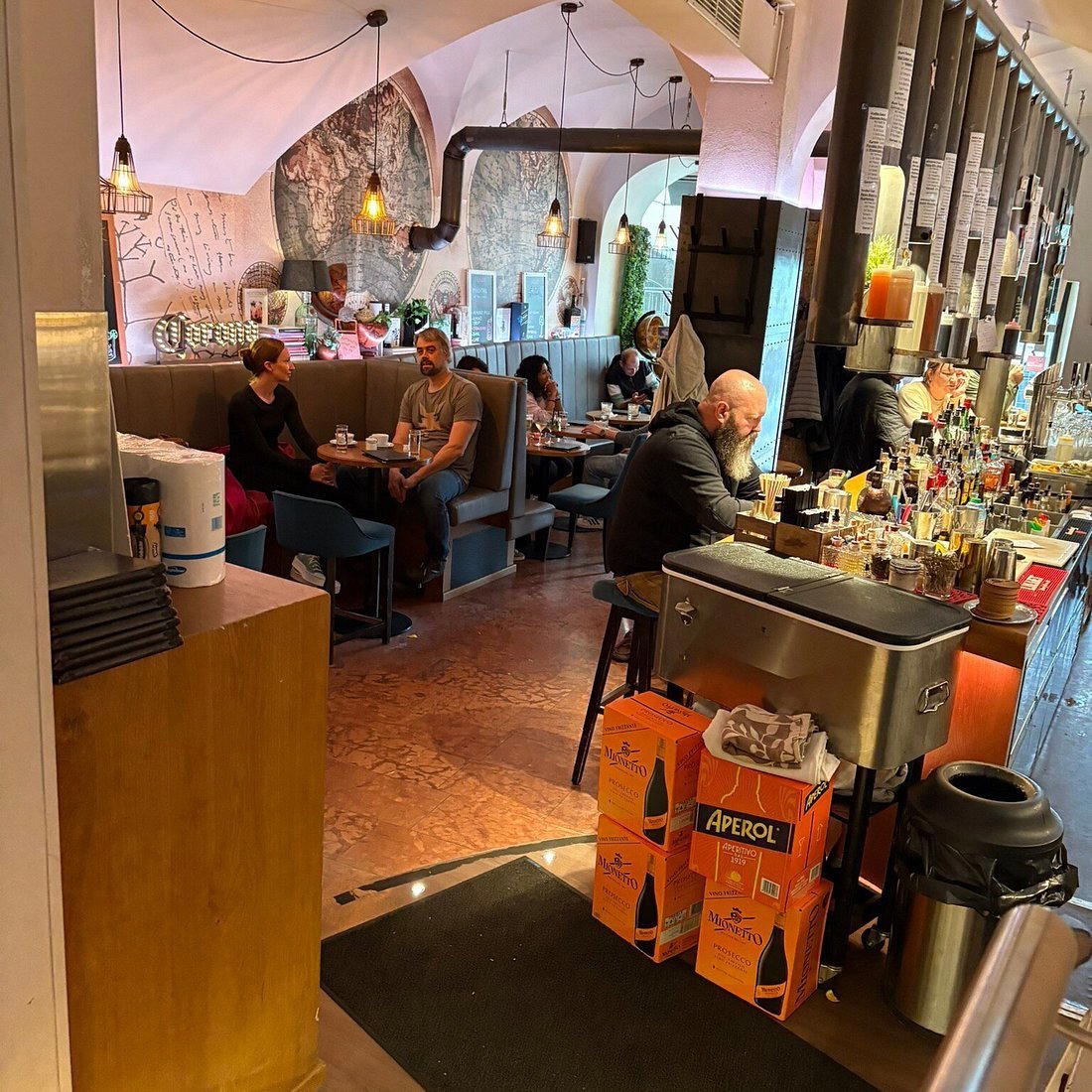
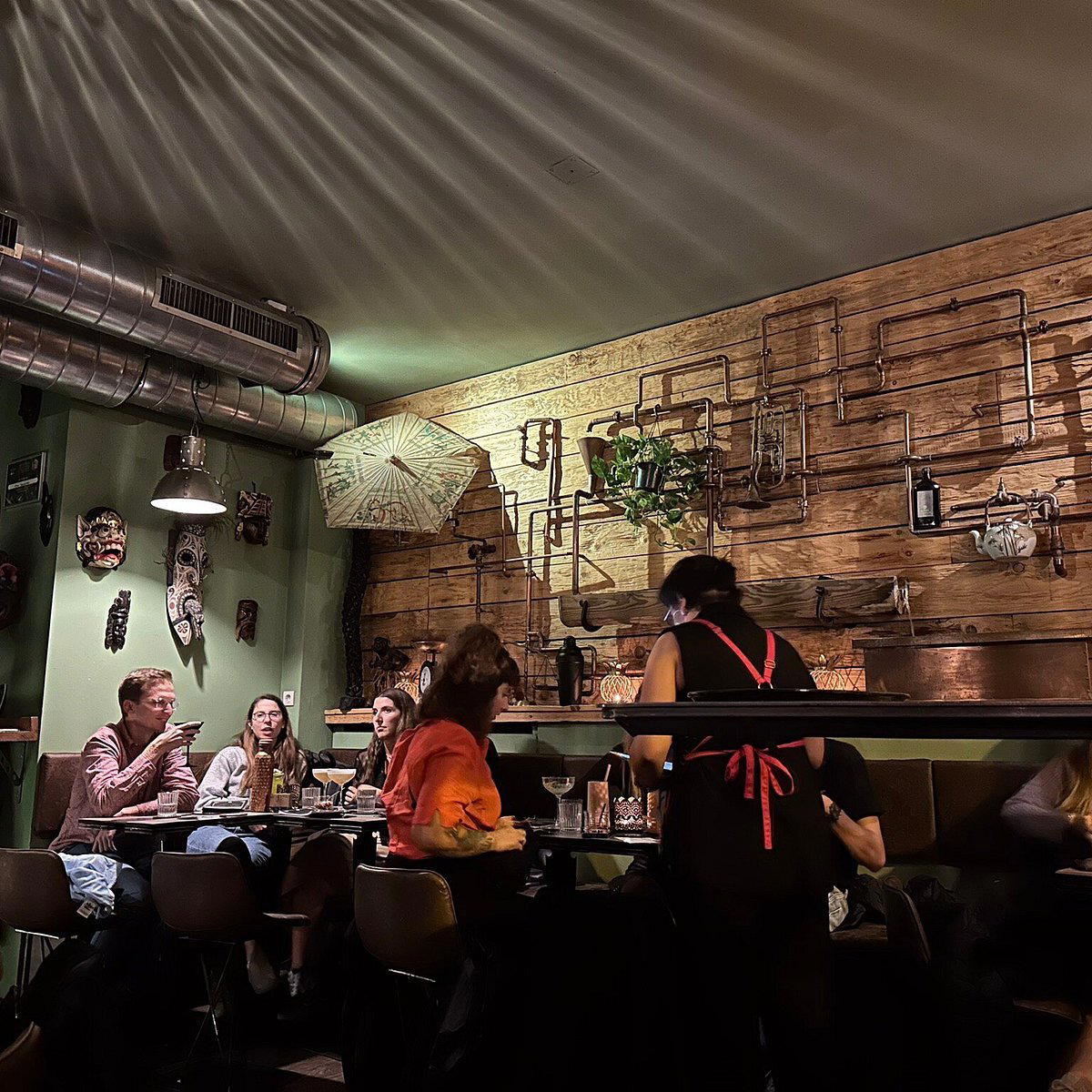
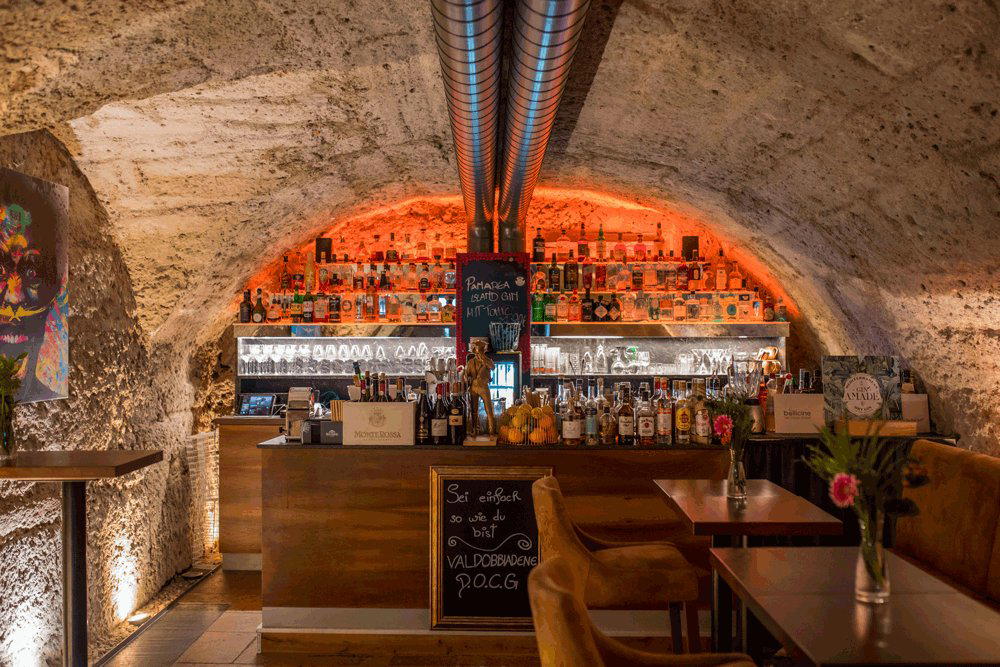
Casual and welcoming atmosphere with friendly, attentive service from the owner, ideal for relaxed meals.