Michelin Plate
Our verdict
Si Sawat brings Thai heritage cooking into a contemporary register on Soi Sathon 2 in Bang Rak, pairing classic flavour profiles with a lighter, more playful format. Small bites and sharing plates reference the street-food and home-kitchen traditions that define Bangkok's culinary identity, while the setting's warm wood tones and quiet 1980s-90s detailing keep the mood relaxed rather than reverential. A recent arrival worth tracking as the neighbourhood's modern-Thai conversation continues to develop.

Pearl is the En Primeur Club membership app — saves, bookings, and concierge access live there. Same editors, same standards.
- Address
- 14, Soi Sathon 2, Si Lom, Bang Rak, Bangkok 10500, Thailand
- Phone
- +66 65 502 6884
- Hours
- Mon ClosedTue–Fri 11:30 AM–2:30 PM, 6–10 PMSat–Sun 11:30 AM–10 PM
- Directions
- Get directions
The menu
What to order
- Crab yam in coconut wafer
- Beef tongue in young coconut curry
- White curry with coriander and king mackerel
Tradition Recalibrated: Bangkok's New Wave of Modern Thai Cooking
Bangkok's appetite for reinterpreting its own culinary past has produced a distinct tier of restaurants over the past decade. At the higher end, venues like Sorn and Baan Tepa treat Thai heritage as a subject for rigorous research and formal tasting menus, occupying the ฿฿฿฿ bracket alongside international fine-dining addresses such as Sühring, Gaa, and Côte by Mauro Colagreco. Below that price tier, a newer cohort of openings has been doing something different: approaching the same heritage material with less ceremony and more wit, favouring sharing formats and familiar flavours delivered with a fresher visual and textural sensibility. Si Sawat, on Soi Sathon 2 in Bang Rak, belongs to that second cohort.
The Setting: Warmth Without Nostalgia Overload
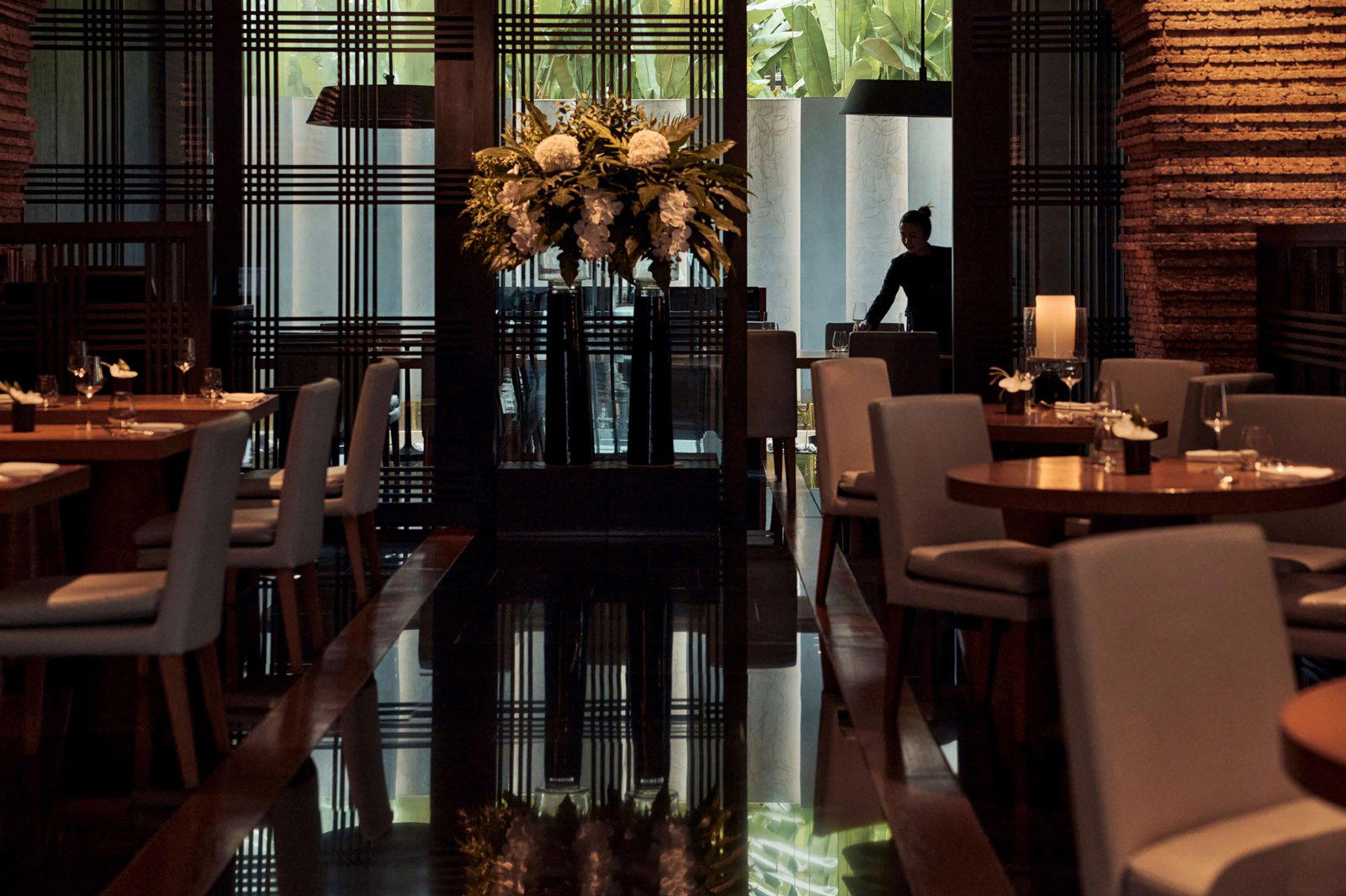
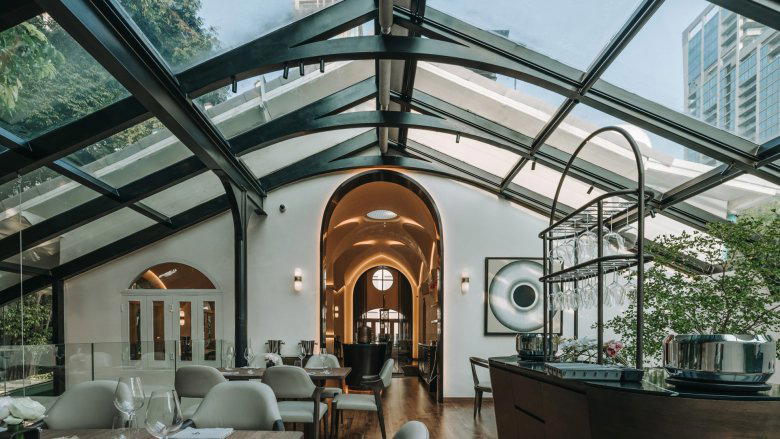
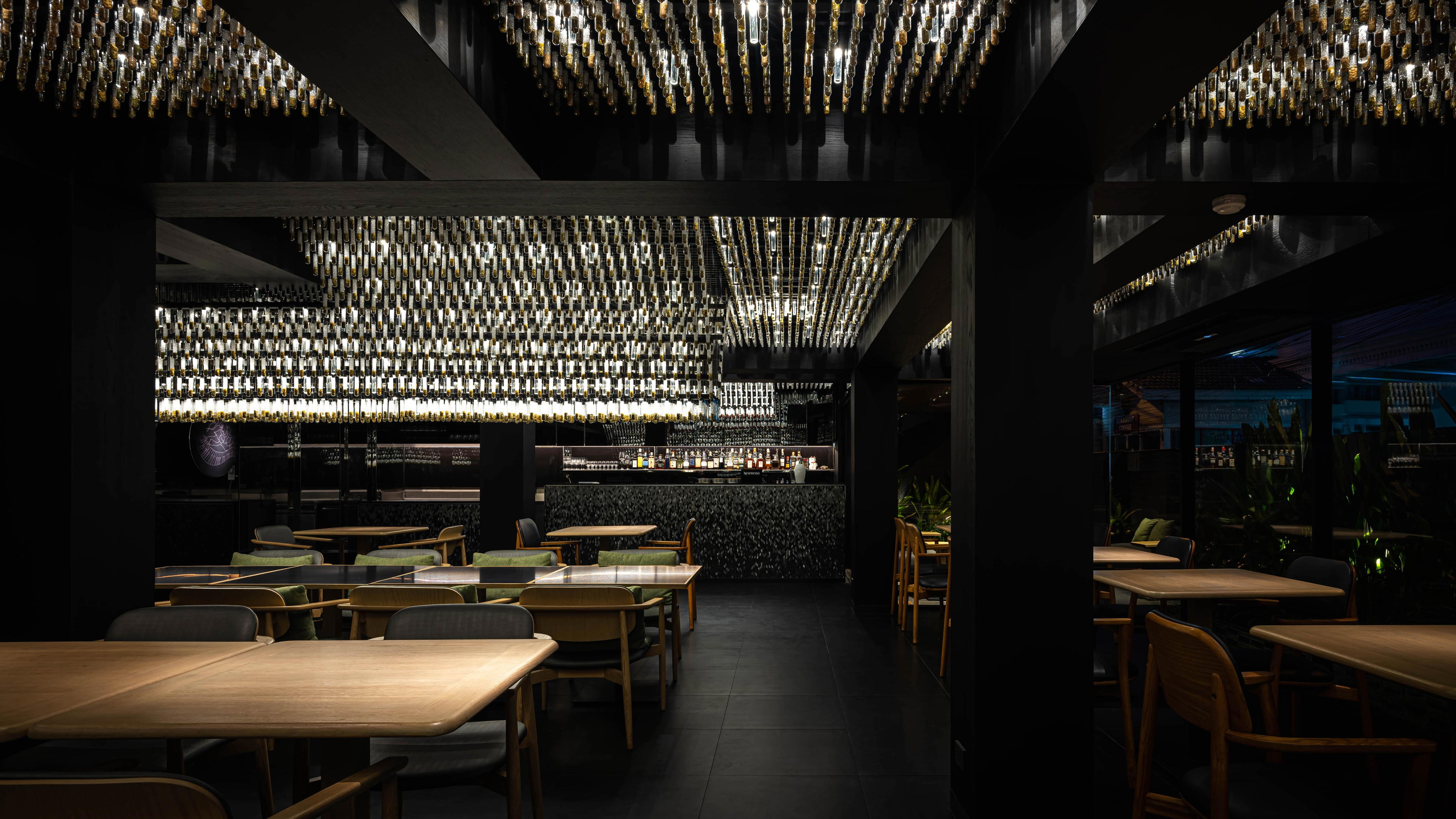
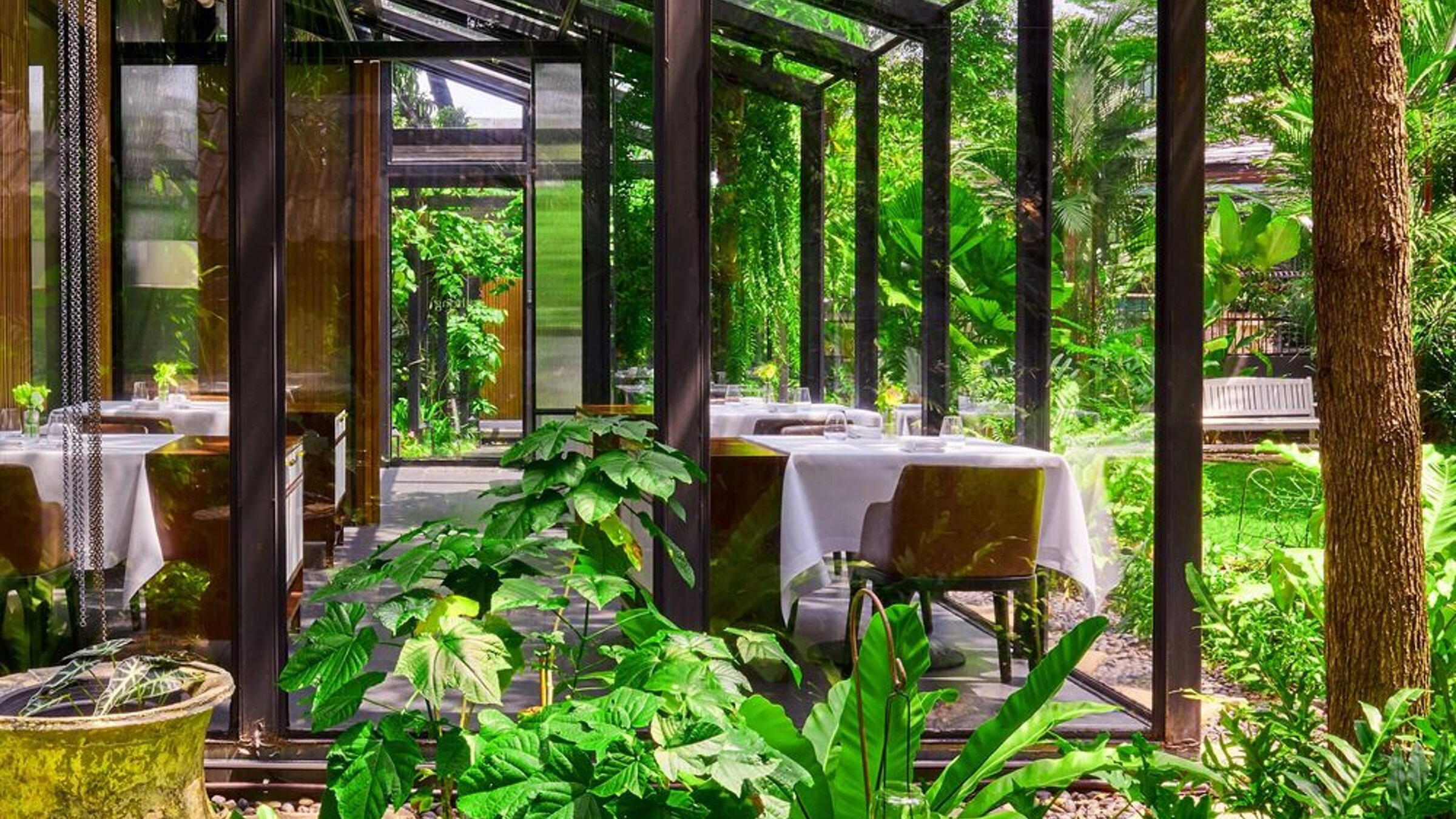
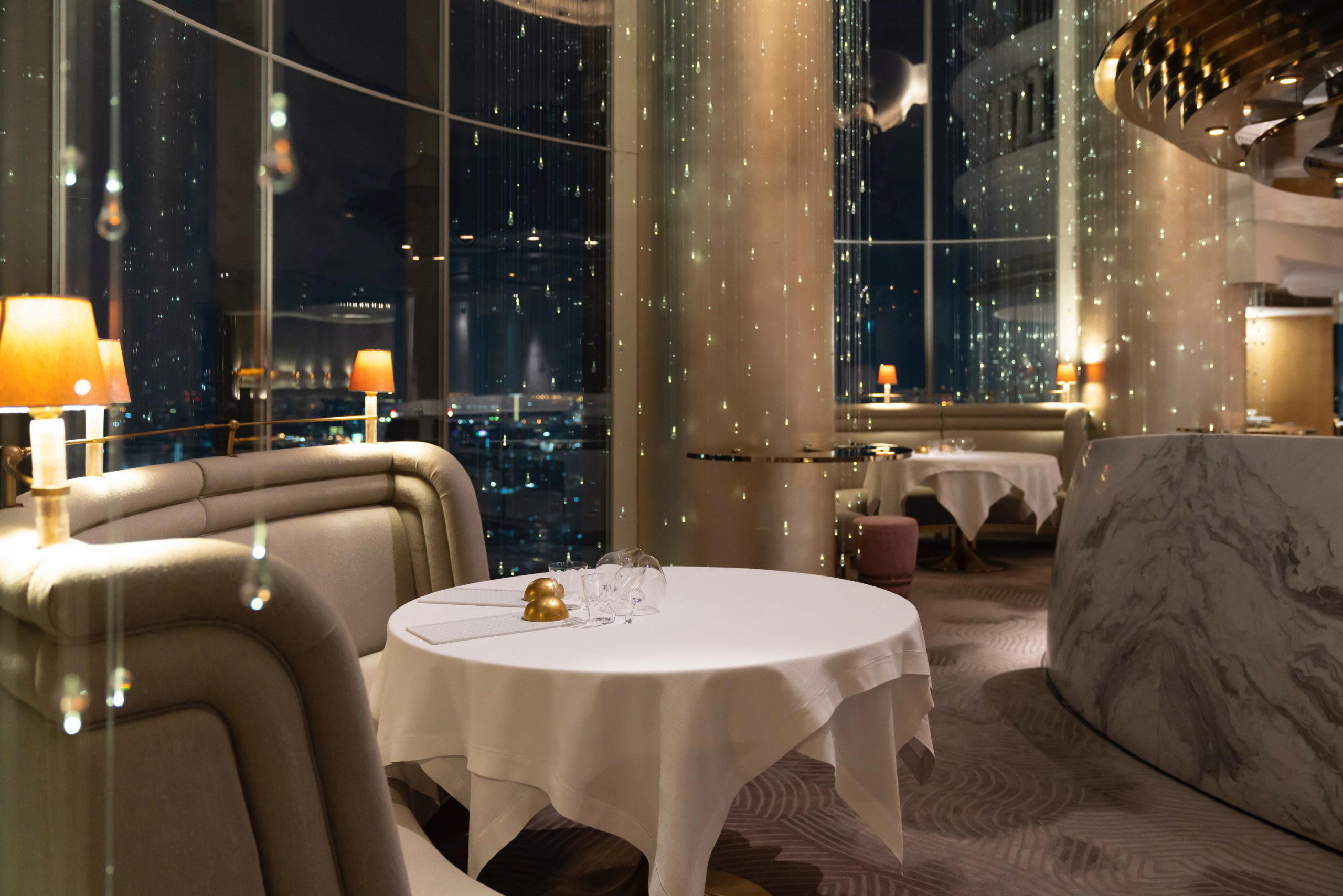
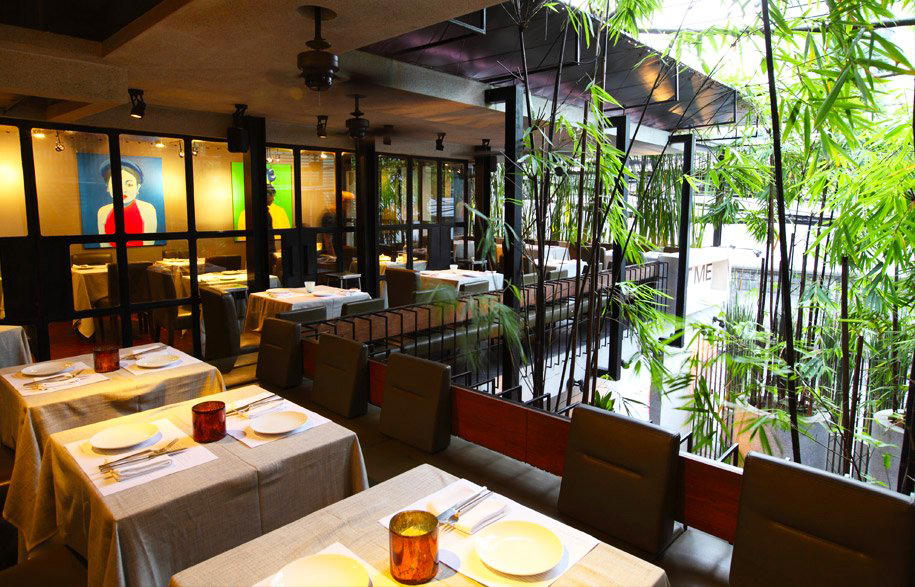
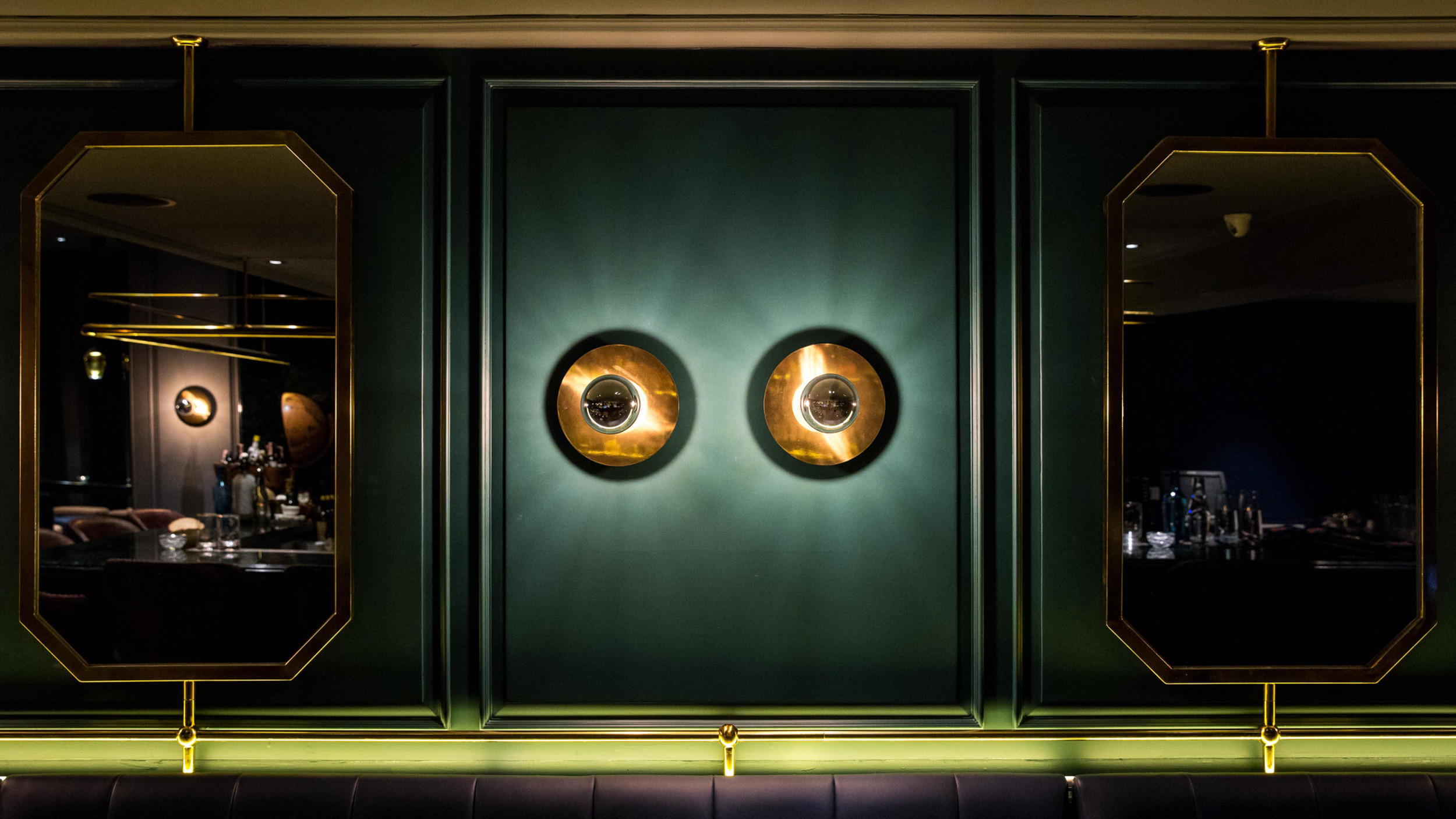
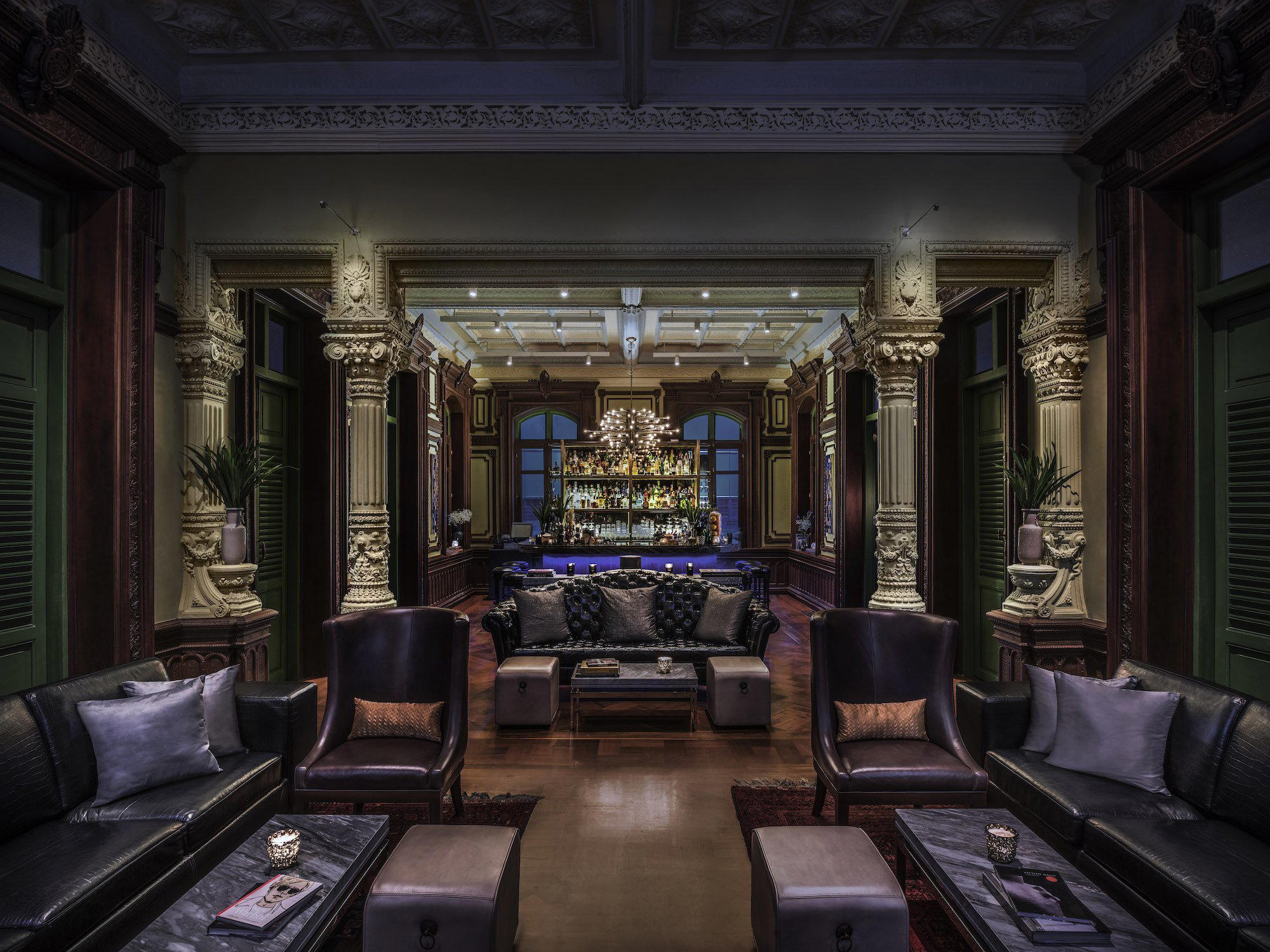
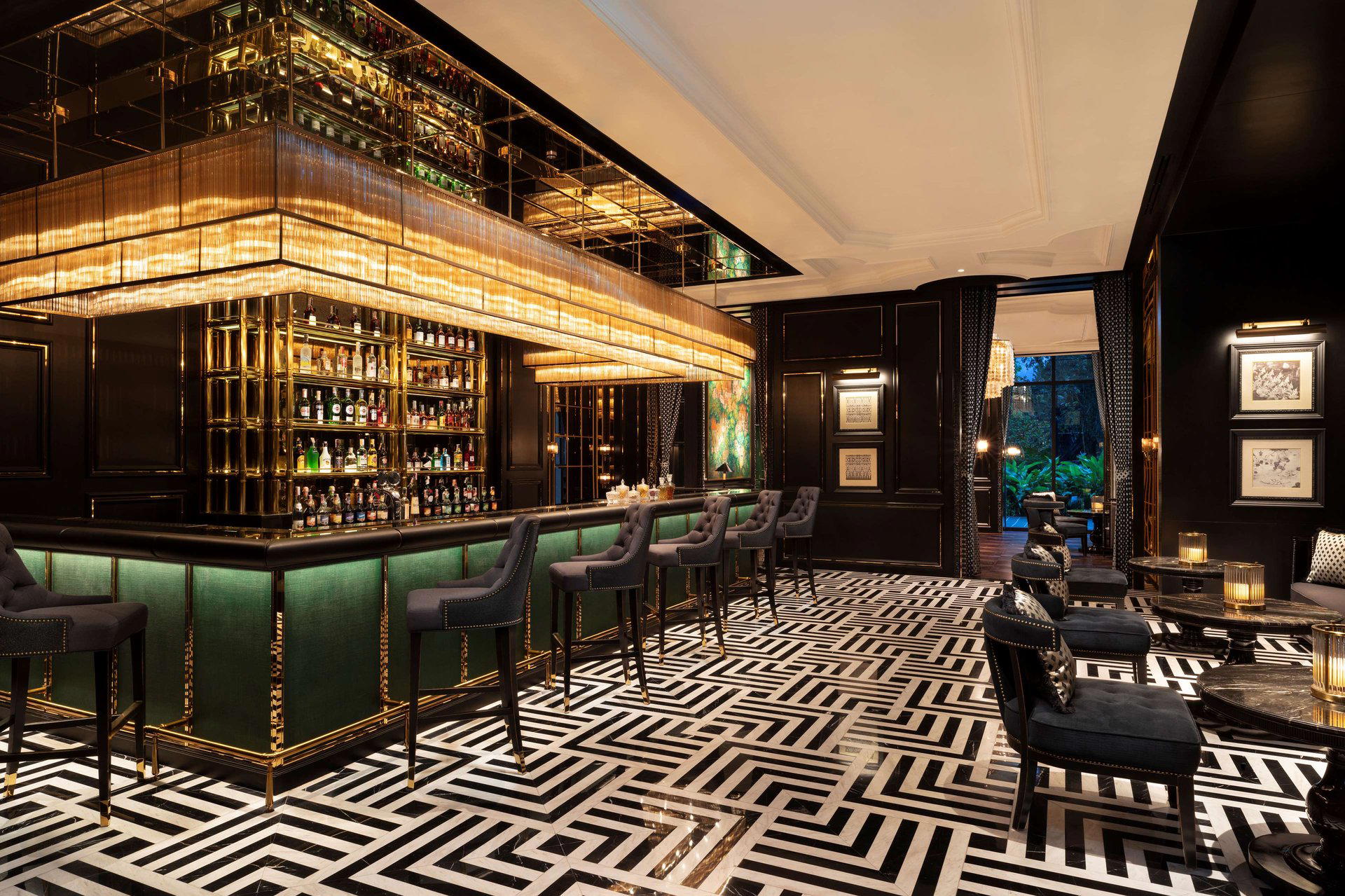
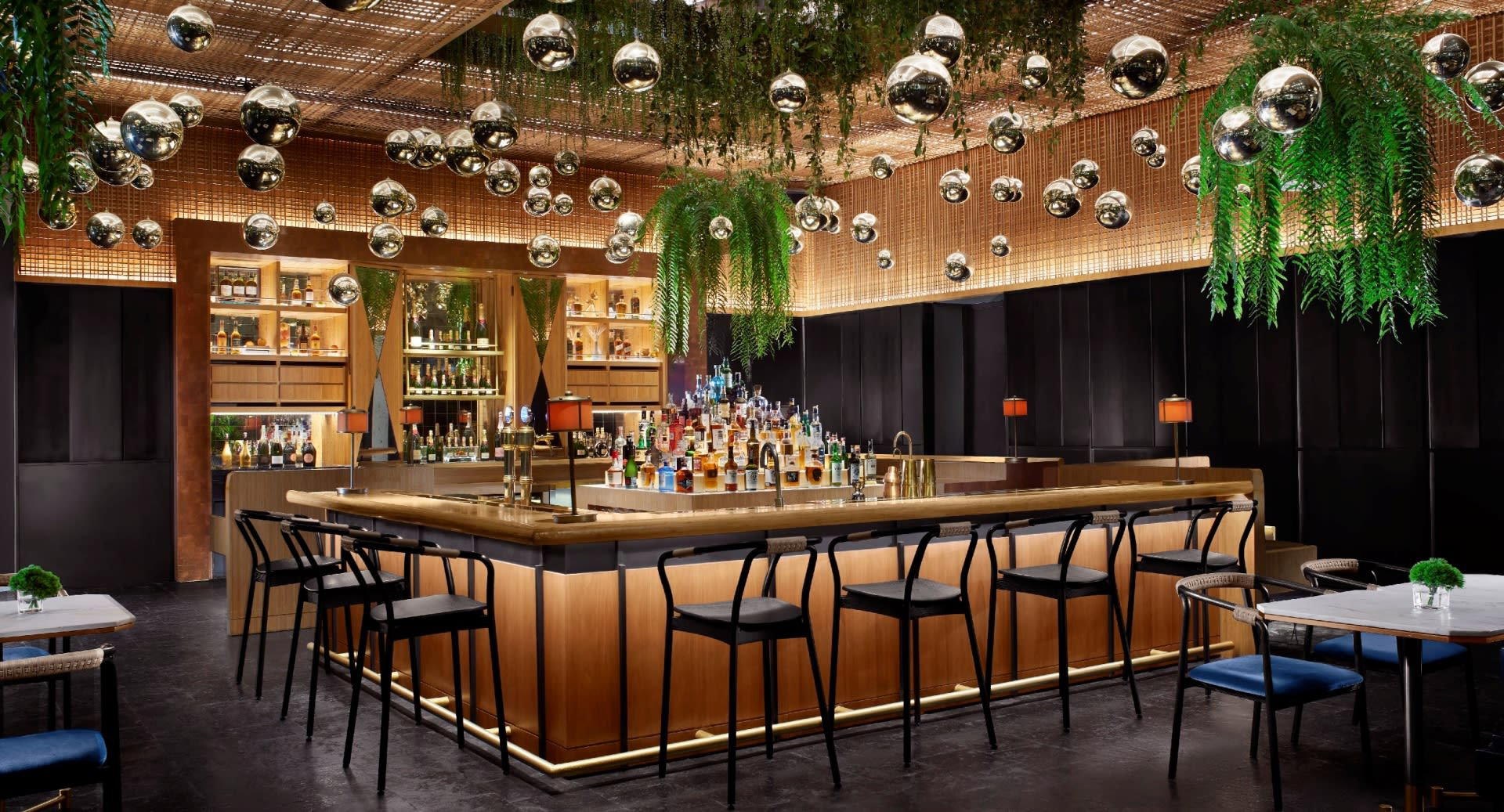
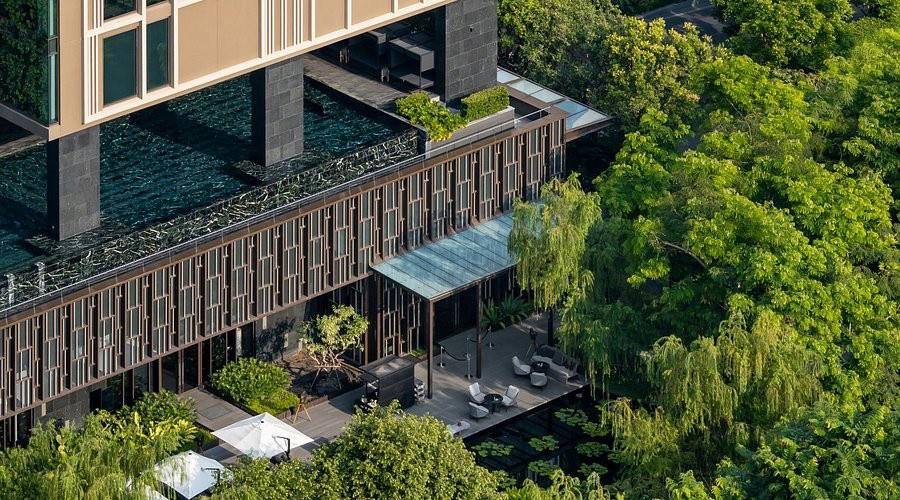
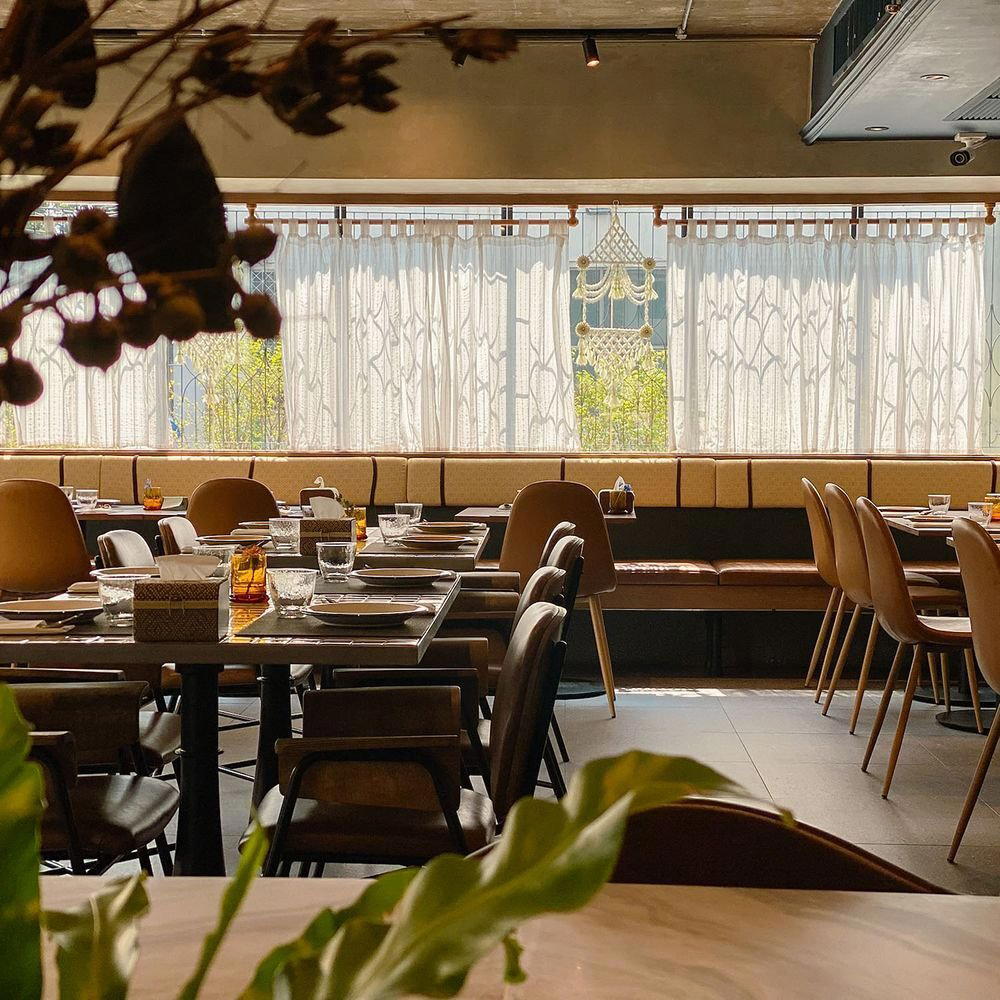
The physical environment at Si Sawat does something that heritage-themed restaurants often struggle with: it references the past without becoming a costume. Warm wooden tones form the base of the interior, and 1980s-90s details are folded in as design accents rather than the organizing principle. The atmosphere reads as relaxed and residential rather than curated and self-conscious. In a city where dining rooms frequently compete for Instagram attention, this approach to atmosphere is a deliberate editorial choice — the room signals that the food, not the décor, is the argument being made.
Bang Rak itself gives Si Sawat useful context. The district has long carried a mixed register: office workers, long-standing Thai restaurants, newer international addresses, and a riverside identity that predates the city's recent hospitality expansion. Soi Sathon 2 is accessible without being a destination strip in the way that Silom's main road or Sukhumvit's upper sois have become. For a restaurant whose pitch is approachability, the address reinforces the message.
The Menu: Small Bites and Sharing Plates Rooted in the Thai Kitchen
Si Sawat's format centres on small plates and sharing portions, which situates it within a broader shift in how Bangkok's mid-to-upper casual tier handles Thai cuisine. Where an earlier generation of modern-Thai restaurants applied fine-dining portion logic to heritage recipes, the current wave has moved back toward the communal, multi-dish rhythm that actually characterises how Thais eat. The dishes on Si Sawat's menu reflect this: crab yam served in coconut wafer, and beef tongue prepared in young coconut curry are both examples of classic flavour architecture presented in a format that feels refreshed rather than merely transported from a traditional kitchen.
Yam, the Thai category of dressed salads typically built on contrasts of sour, spice, and texture, is one of the more technically demanding preparations in the repertoire. Delivering it through a coconut wafer vessel changes the eating dynamic, adding a textural layer and a presentation logic that speaks to a contemporary diner without abandoning the flavour profile that makes yam compelling in the first place. The beef tongue in young coconut curry similarly operates on the principle of familiar flavour, reconsidered form: coconut curry is a foundational register in Thai cooking, and beef tongue is a cut that requires both technique and confidence to position at the centre of a plate. The combination suggests a kitchen that understands its source material well enough to edit it.
The overall impression from the menu is of a restaurant in an interesting early phase. Si Sawat is described as fresh on the scene, and the cooking reflects both the energy and the particular editorial clarity that characterise a new restaurant still defining its identity. The balance between nostalgia and modernity, between comfort and surprise, is one of the harder calibrations in contemporary cooking, and the kitchen at Si Sawat appears to be working it deliberately rather than accidentally.
How Si Sawat Sits in Bangkok's Evolving Thai-Heritage Conversation
The evolution of modern-Thai dining in Bangkok over the past fifteen years has moved through several identifiable phases. The first was the fine-dining assertion phase, when chefs returning from European kitchens applied tasting-menu structure to Thai ingredients, partly to make an argument about the cuisine's seriousness on the international stage. The second was the research-led phase, when restaurants began building menus around regional specificity and historical documentation, with Sorn's deep southern Thai focus being one of the clearest examples. The current phase is harder to categorize neatly, but its characteristics include: shorter menus, more relaxed formats, a preference for sharing over sequenced courses, and a willingness to engage with nostalgic flavours without treating nostalgia as a limitation.
Si Sawat's position in that third phase is clear. The 1980s-90s design references aren't accidental; they point toward a generation of diners who grew up eating certain flavours in certain contexts, and who are being invited to encounter those flavours again in a setting that acknowledges rather than erases that memory. This is a different strategy from the archival approach of the heritage-research restaurants and a different strategy from the European-framework fine-dining restaurants. It's also more difficult to sustain over time, because nostalgia has a shelf life and wit requires constant renewal. Whether Si Sawat develops the depth to keep that balance is the question that makes it worth following as it matures.
For readers interested in how this conversation is playing out across Thailand more broadly, the approach shares partial DNA with places like Aeeen in Chiang Mai, which works with northern Thai traditions in a similarly contemporary register, and AKKEE in Pak Kret. At the fine-dining end of Thailand's dining map, PRU in Phuket represents a different axis entirely, with its farm-to-table structure oriented around sustainability credentials rather than heritage reimagination. The breadth of approaches across the country reflects a culinary conversation that has moved well beyond any single definition of what modern Thai cooking is or should be.
For visitors building a full Bangkok itinerary, consult the Bangkok experiences guide. Beyond Bangkok, Angeum in Ayutthaya and Agave in Ubon Ratchathani are worth factoring into wider Thailand travel planning. For reference points outside the region, Le Bernardin and Atomix in New York City illustrate how heritage-inflected cooking performs in a completely different competitive context and The Spa in Lamai Beach offers a contrast in Thailand's resort-dining register.
Planning Your Visit
Address: 14, Soi Sathon 2, Si Lom, Bang Rak, Bangkok 10500. Reservations: Booking ahead is advisable, particularly on weekends — as a newer opening gaining attention in the Bang Rak area, walk-in availability is not guaranteed. Format: Small bites and sharing plates. Order multiple dishes per person. Dress: Smart casual fits the room and the neighbourhood. Getting there: Bang Rak is accessible from BTS Chong Nonsi or Surasak stations, both within reasonable walking distance of Soi Sathon 2.
Frequently asked questions
Where exactly is Si Sawat?
Si Sawat is located at 14, Soi Sathon 2, Si Lom, Bang Rak, Bangkok 10500, Thailand.
What do regulars order at Si Sawat?
The crab yam served in coconut wafer and beef tongue in young coconut curry are the two dishes that define what Si Sawat is doing: classical Thai flavour combinations presented with enough visual and textural freshness to feel genuinely reconsidered. Both sit within the small-plates format, so ordering several dishes across the table is the intended approach.
Do I need a reservation for Si Sawat?
Booking ahead is advisable, particularly on weekends. As a newer opening on Soi Sathon 2 that has drawn attention for its take on Thai heritage cooking, walk-in availability on peak evenings is not guaranteed. Reserving in advance is the safer approach.
What's the standout thing about Si Sawat?
The kitchen's ability to make familiar Thai references feel current without abandoning what made those dishes matter in the first place. Dishes like the crab yam in coconut wafer carry real nostalgia in the flavour but arrive in a form that feels considered and contemporary, set against interiors that reference the 80s and 90s without tipping into theme-restaurant territory.
How Si Sawat Bangkok compares with similar nearby venues.
| Venue | Cuisine | Price | Awards |
|---|---|---|---|
| Si SawatThis venue — the venue you are viewing | Modern Thai | $30–50 | Michelin Plate |
| Pho Tha Bo | Vietnamese | Not listed | Not listed |
| La Scala | Innovative Italian Mediterranean | $100–150 | Not listed |
| Cento | Modern Italian Trattoria | $50–100 | Star Wine List |
| Celadon | Refined Traditional Thai Fine Dining | $100–150 | Michelin Plate |
Recognition history
Dated appearances from independent guides and award organizations, with the underlying list record or original source where available.
Michelin Plate
Michelin