
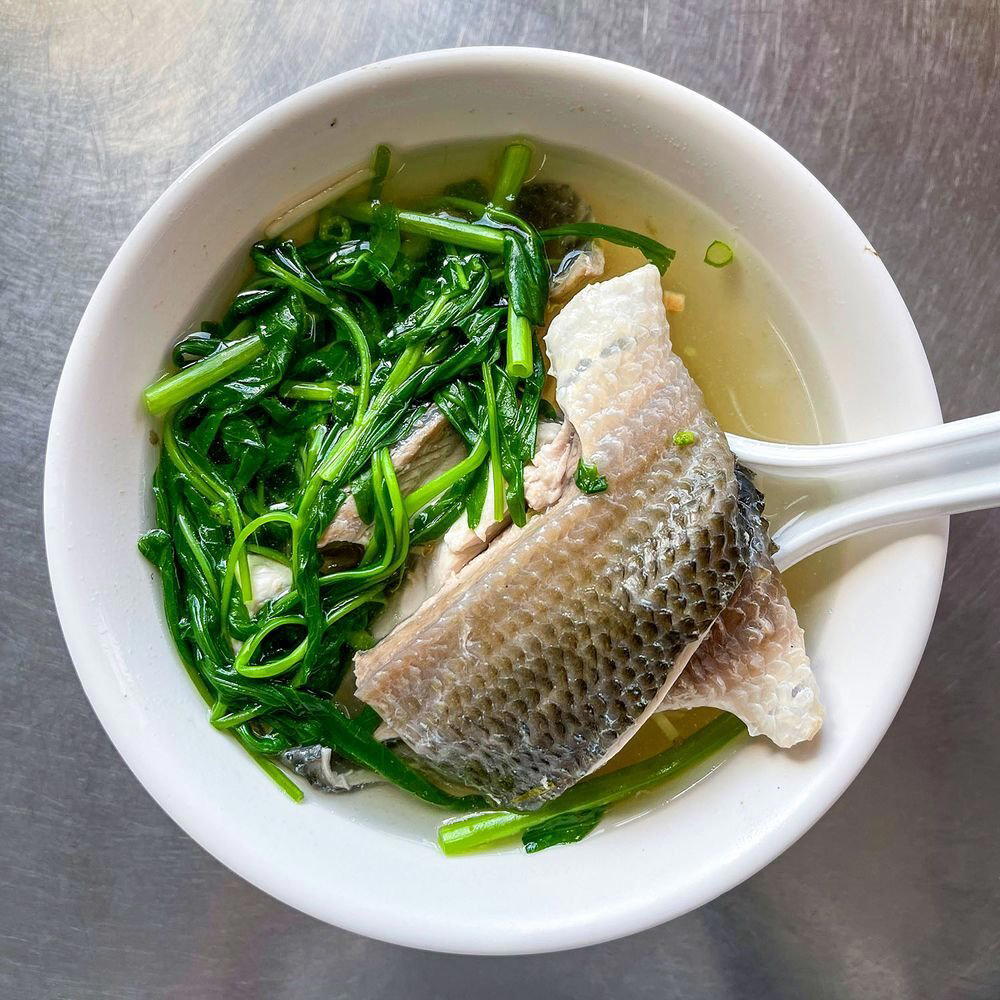
A Michelin Plate recipient in 2024, Shun Te Beef Soup operates out of Xuejia District, one of Tainan's outer townships with a long association with beef processing and the distinctive morning-soup culture that defines the city's small-eats tradition. Price point sits at the accessible mid-tier, making it a practical entry point into Tainan's Michelin-recognised beef soup circuit.
Pearl is the En Primeur Club membership app — saves, bookings, and concierge access live there. Same editors, same standards.
- Address
- No. 59號, Minquan Rd, Xuejia District, Tainan City, Taiwan 726
- Phone
- +886 6 782 0161
- Website
- facebook.com
- Directions
- Get directions
 Saves & bookings on Pearl
Where Tainan's Beef Soup Tradition Gets Serious
Tainan's relationship with beef soup is older and more specific than the city's general reputation for small eats. The tradition is rooted in the abattoir culture that once concentrated in townships like Xuejia, where early-morning slaughter schedules meant fresh beef arrived at soup kitchens before most cities had opened their breakfast stalls. The result was a hyper-local format: thin-sliced beef, scalded rather than simmered, in a clear stock that preserves the meat's temperature and texture rather than cooking it into submission. That format survives today as one of the more demanding tests of ingredient quality in Taiwan's street-food register, because there is nowhere to hide behind sauce weight or extended cooking time.
Shun Te Beef Soup, located at No. 59, Minquan Road in Xuejia District, sits inside this tradition rather than adjacent to it. The address itself carries meaning: Xuejia is not a tourist waypoint but a working district, and soup houses here tend to serve a local clientele whose expectations are shaped by proximity to the source. A Michelin Plate recognition in 2024 confirmed what the district's regulars already understood, placing Shun Te within a small tier of Tainan beef soup operations that have crossed from local institution to documented culinary reference.
The Format and What It Demands of the Kitchen
Beef soup in this tradition functions less like a composed dish and more like a precision exercise. The stock must be clear, clean, and deeply bovine without tipping into heaviness. The beef, sliced thin enough to cook on contact with the hot liquid, needs to arrive at the bowl in a state that rewards immediate consumption: waiting even a few minutes changes the texture in ways that matter to anyone who orders this format regularly. No wine list, no tasting menu, no tableside theatre. The variables that distinguish one operation from another in this category are sourcing, knife work, stock clarity, and timing.
This is why the Michelin Plate designation carries weight in context. The Plate tier in the Michelin framework signals food worth seeking out, and in a category as structurally simple as beef soup, that recognition is harder to earn than it appears. There are no complex techniques to obscure inconsistency. Taiwan's Michelin coverage has increasingly recognised small-eats operations alongside tasting-menu restaurants, reflecting a broader editorial position from the guide that the country's culinary identity is not reducible to its fine-dining tier. Shun Te belongs to that recognised cohort, alongside other Tainan small-eats spots that have drawn formal attention in recent years.
For comparison: at the fine-dining end of Taiwan's Michelin map, restaurants like JL Studio in Taichung and logy in Taipei operate with entirely different structures, price points in the upper bracket, and kitchen teams built around complex tasting formats. GEN in Kaohsiung occupies a similar refined tier in the south. Shun Te's Michelin recognition operates in a different register entirely, confirming that the guide's Taiwan programme takes the small-eats category on its own terms rather than applying a single evaluative template.
Xuejia District and the Geography of the Tradition
Understanding why Xuejia matters requires a brief detour into the geography of Tainan's food culture. The city proper has a dense concentration of recognised small-eats operations in its historic core, but the beef soup tradition has roots in the outer townships where the industry infrastructure existed. Xuejia sits outside the main tourist circuit, which means visitors arriving specifically for the food need to commit to the journey. That commitment filters the clientele: this is not a venue that benefits from passing foot traffic or hotel proximity.
The surrounding Tainan small-eats scene offers points of comparison that help locate Shun Te within the broader ecosystem. A Cun Beef Soup on Baoan Road operates a parallel beef soup format in a more central location, while operations like A Hai Taiwanese Oden and A Wen Rice Cake represent adjacent small-eats traditions with their own loyal followings. A Xing Shi Mu Yu and A Ming Zhu Xing on Baoan Road extend the picture of a city where the small-eats category is as internally varied as any European city's bistro or trattoria tier.
The regional small-eats comparison extends beyond Tainan. Bei Gang Tsai Rice Tube in Kaohsiung's Yancheng district represents a similar working-neighbourhood format in a neighbouring city, and the Bangkok small-eats circuit, including spots like Arunwan and Bokkia Tha Din Daeng, shows how Southeast Asia's parallel traditions have attracted the same kind of formal recognition from Michelin's expanding regional coverage. The pattern is consistent: guides that once defaulted to tasting-menu restaurants now compete to identify the small-format operations that locals have always considered the real measure of a city's food culture.
Planning the Visit
Shun Te operates in Xuejia District at No. 59 Minquan Road, a location that requires deliberate navigation rather than a short walk from a city-centre hotel. Tainan's public transport network thins considerably in the outer townships, so most visitors arriving from the city centre will rely on a taxi or ride-hailing app. The price point, marked at about $5 per person, means the financial commitment is low relative to the journey time. Arriving earlier in the day is advisable for this category: beef soup houses in Taiwan frequently operate morning into early afternoon, with stock quality and beef availability both declining as service progresses.
For those extending their trip into Taiwan's wider food circuit, Akame in Wutai Township and Volando Urai Spring Spa and Resort in Wulai District represent the kind of destination-specific experiences that require separate planning logic entirely.
Where the Accolades Land
Comparable venues nearby, for context on price, style, and recognition.
| Venue | Cuisine | Price | Awards | Notes |
|---|---|---|---|---|
| Shun Te Beef SoupThis venue — the venue you are viewing | Tainan Beef Soup | $ | Michelin Plate | Not listed |
| The Temple-front Eatery | Rustic Taiwanese | $ | Michelin Plate | Central West District |
| Wang Jia Smoked Lamb | Traditional Taiwanese Smoked Lamb | $$ | Michelin Plate | Longqi District |
| Fu Tai Table Third Generation | Traditional Taiwanese Fan Zhuozai | $ | Bib Gourmand | West Central District |
| Hao Nung Chia Migao | Taiwanese Migao (Rice Cake) | $ | Bib Gourmand | South District |
| Hsin Hsin | Traditional Taiwanese | $$ | Michelin Plate | West Central District |
Recognition history
Dated appearances from independent guides and award organizations, with the underlying list record or original source where available.
Michelin Plate
Michelin
Michelin Plate
Michelin




At a Glance
- Classic
- Casual Hangout
- Local Sourcing
Current opening hours
- Monday
- Closed
- Tuesday
- Closed
- Wednesday
- 6 AM–2:30 PM
- Thursday
- 6 AM–2:30 PM
- Friday
- 6 AM–2:30 PM
- Saturday
- 6 AM–2:30 PM
- Sunday
- 6 AM–2:30 PM
Hours can change for holidays and private events. Last verified .