
A Michelin Plate-recognised Taiwanese restaurant in Tainan's West Central District, Hsin Hsin operates in the mid-range tier where high-heat wok technique and local ingredient traditions define the cooking.
Pearl is the En Primeur Club membership app — saves, bookings, and concierge access live there. Same editors, same standards.
- Address
- No. 245號, Section 2, Minzu Rd, West Central District, Tainan City, Taiwan 700
- Phone
- +886 6 222 2509
- Website
- facebook.com
- Directions
- Get directions
 Saves & bookings on Pearl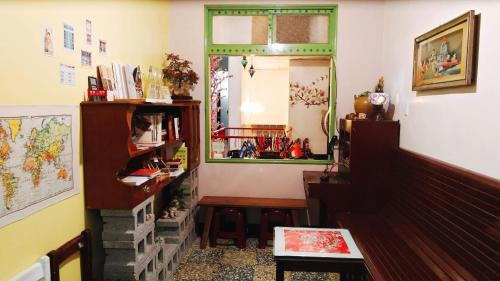
Wok Fire in the Old Capital
Minzu Road cuts through Tainan's West Central District with the unhurried rhythm of a city that has never needed to prove itself to tourists. The district holds some of Taiwan's oldest temple complexes and the kind of street-level food culture that predates every modern dining trend by several centuries. In this context, a Michelin Plate recognition means something specific: it signals that the fundamentals are sound, the execution consistent, and that the cooking holds its own against a neighbourhood standard that does not forgive sloppiness. Hsin Hsin is at No. 245, Section 2, Minzu Road in Tainan's West Central District.
The restaurant holds a 2024 Michelin Plate. In Tainan, where Taiwanese cooking is practised at notable depth, that kind of recognition points toward a kitchen where the heat is managed correctly and the technique is repeatable.
The Technique Behind the Smoke
Taiwanese cooking at this level lives or dies by wok discipline. The principle is simple to state and difficult to execute: a carbon steel wok over a high-BTU flame, ingredients added in sequence, moisture driven off before it can steam rather than sear, the finished dish leaving the wok in under two minutes. The resulting texture, the slight char at the edges, the aromatic compounds released only at temperatures a home burner cannot reach, is what separates a kitchen running proper commercial wok stations from everywhere else.
This high-heat approach defines a significant portion of the Taiwanese repertoire, from stir-fried water spinach with fermented tofu to three-cup chicken, where the sesame oil, soy, and rice wine reduce to a lacquer rather than a sauce. Tainan's cooking tradition layers on top of this a stronger southern Taiwanese accent: a tendency toward sweetness in savoury dishes, a reliance on fresh seafood from the nearby coast, and a deep use of local produce that reflects the city's agricultural hinterland. Hsin Hsin operates within that tradition at the mid-range price tier, the $$ bracket that in Tainan typically means accessible cooking without the ceremony of a formal tasting format.
Where Hsin Hsin Sits in Tainan's Mid-Range Field
Tainan's mid-range Taiwanese segment is competitive in a way that differs from Taipei's. The city's food culture is older, more locally rooted, and less influenced by international fine-dining formats. The $$ tier here means you are eating against generations of family-run houses and stalls that have been refining the same dishes for decades. A Michelin Plate at this price point signals that the kitchen is doing something correctly by the standards of that tradition.
Among Tainan restaurants at a comparable price and cuisine type, Amei occupies similar Taiwanese mid-range territory. For seafood-forward cooking in the city, Dong Shang Taiwanese Seafood and Jin Xia represent the coast-facing side of the same price bracket. Plum Chang and Eat to Fat round out a comparable set that shows how active and varied mid-range Taiwanese cooking in the city has become. None of these are interchangeable: each reflects a different emphasis within the same broad tradition.
The wider Taiwan dining map shows the contrast clearly. JL Studio in Taichung and logy in Taipei operate in the fine-dining and tasting-menu tier where Taiwanese ingredients meet European technique. GEN in Kaohsiung and Akame in Wutai Township represent other regional voices. The restaurant belongs to a different and more demanding category: accessible, daily-use Taiwanese cooking held to a standard that earns formal recognition. Taipei comparisons, including Fujin Tree Taiwanese Cuisine and Champagne, Golden Formosa, and Ming Fu, illustrate how the same cuisine reads differently when lifted into a capital-city register. Tainan keeps the format grounded.
Tainan as Context
Understanding the restaurant requires understanding what Tainan does to food culture broadly. The city was Taiwan's capital under Dutch and then Qing administration before Taipei assumed that role, and its culinary traditions carry that history. Tainan is where many of Taiwan's foundational dishes were developed or refined: coffin bread, milkfish congee, dan zai noodles, shrimp rolls. The standard against which any serious Taiwanese kitchen in the city is measured is not a Michelin star or a social media following but whether the cooking matches what a local in their seventies would recognise as correct.
The West Central District, where the restaurant operates, is at the centre of that tradition. The area holds the Confucius Temple, the Chihkan Tower complex, and dozens of long-running food stalls and family restaurants that have been feeding the city for generations. A restaurant holding a 4.2-star average across more than a thousand reviews in this environment is doing so against an audience with high, specific expectations.
Planning Your Visit
The restaurant is located at No. 245, Section 2, Minzu Road in the West Central District, reachable by taxi or scooter from the main Tainan railway station in under ten minutes. At the $$ price tier, a meal here represents one of the more accessible points of entry into Michelin-recognised cooking in southern Taiwan, with no dress code implied at this format and price level. The restaurant is walk-in friendly, so arriving with flexibility, particularly outside peak meal hours on weekdays, is the practical approach. The restaurant draws a local-heavy crowd, which in Tainan functions as a reliable quality signal on its own.
For resort experiences further afield in Taiwan, Volando Urai Spring Spa and Resort in Wulai District offers a different register entirely.
Comparable Options
Comparable venues nearby, for context on price, style, and recognition.
| Venue | Cuisine | Price | Notes |
|---|---|---|---|
| Hsin HsinThis venue — the venue you are viewing | Traditional Taiwanese | $$ | Not listed |
| A Cun Beef Soup (Baoan Road) | Traditional Tainan Beef Soup | $$ | West Central District |
| Plum Chang | Plum-Inspired Taiwanese | $$$ | Nanxi District |
| A-Yu Beef Shabu Shabu (Kunlun Road) | Taiwanese Beef Shabu-Shabu Hotpot | $$ | Rende District |
| Gyu Go Zou | Taiwanese Beef Hot Pot | $$ | Anping District |
| 鮮蒸蝦仁肉圓 | Traditional Tainan Pork Meatballs | $$ | West Central District |
Recognition history
Dated appearances from independent guides and award organizations, with the underlying list record or original source where available.
Michelin Plate
Michelin

At a Glance
- Classic
- Casual Hangout
- Family
- Standalone
Current opening hours
- Monday
- 11:30 AM–2 PM, 5:30–9 PM
- Tuesday
- 11:30 AM–2 PM, 5:30–9 PM
- Wednesday
- 11:30 AM–2 PM, 5:30–9 PM
- Thursday
- 11:30 AM–2 PM, 5:30–9 PM
- Friday
- 11:30 AM–2 PM, 5:30–9 PM
- Saturday
- 11:30 AM–2 PM, 5:30–9 PM
- Sunday
- 11:30 AM–2 PM, 5:30–9 PM
Hours can change for holidays and private events. Last verified .
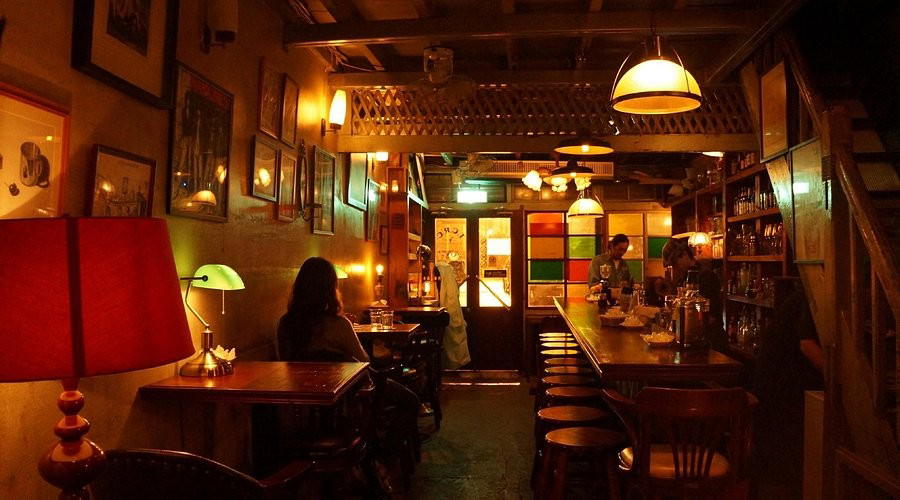
Classic Taiwanese atmosphere.