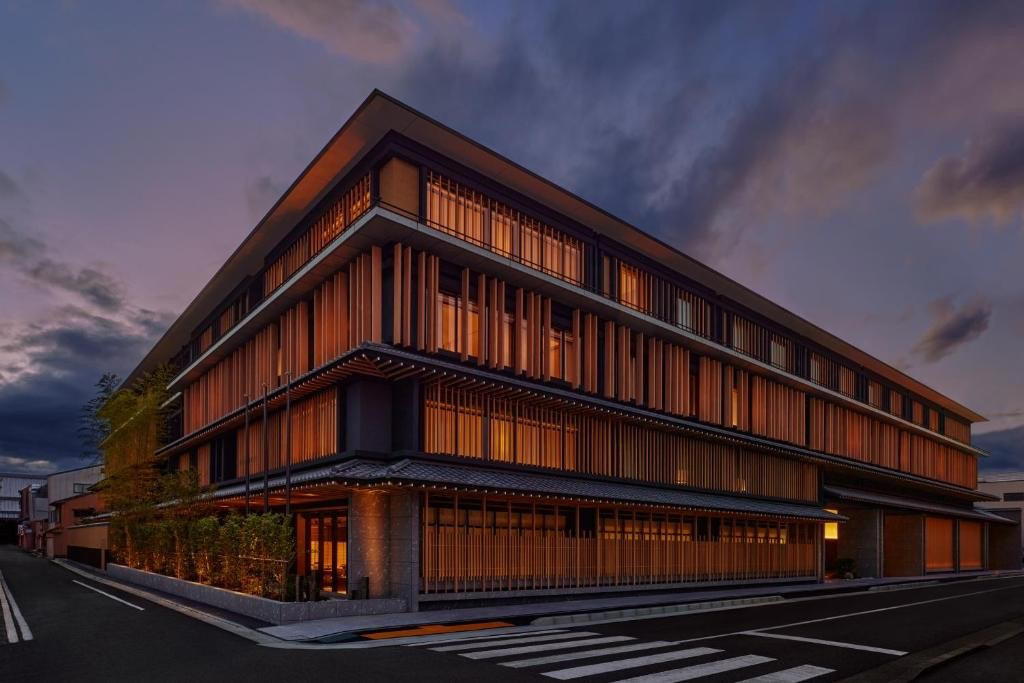
Tabelog 100 #73
Our verdict
Shuhari Tanimachi yonchome ten places Osaka soba in a disciplined, everyday register rather than a luxury-counter frame. Its Tabelog Soba WEST 100 selection in 2025, 40-seat room, tempura pairing, sake and shochu list, and lunch-to-dinner service make it a useful address for understanding how Kansai treats buckwheat noodles as both routine meal and serious craft.

Pearl is the En Primeur Club membership app, where members save venues, book tables and use the concierge.
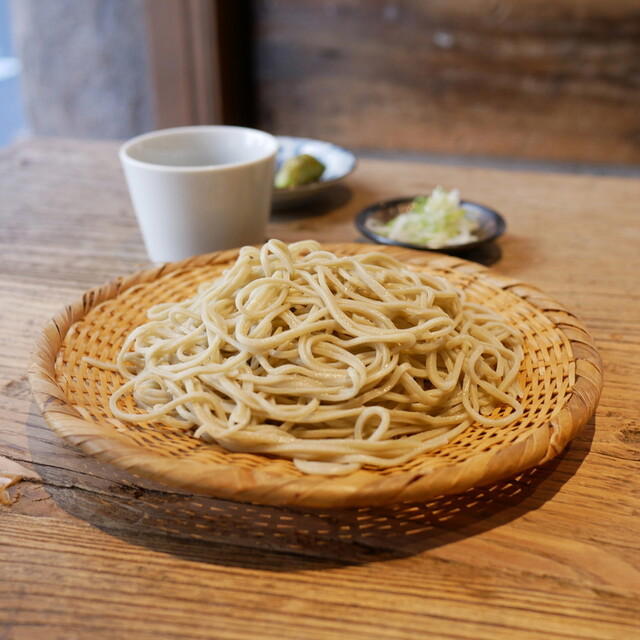
In Osaka, a soba meal is quieter than the city’s reputation. In the city’s everyday dining rooms, the ritual is compact: noodles, dipping sauce or broth, and tempura for weight. Shuhari Tanimachi yonchome ten is a soba and tempura address in Osaka where the meal reads as daily discipline, not special-occasion theatre.
Osaka’s food identity is often reduced to batter, grill smoke, and late-night appetite, but soba rewards timing over abundance. Noodles have a narrow texture window, tempura shifts the pace without turning dinner into a banquet, and the room depends on guests knowing when to linger and move. In a city of casual but technically serious formats, that matters.
Soba in Osaka, without the ceremony of a tasting counter
The comparison is not high-ticket omakase or Kyoto kaiseki, but Osaka’s middle tier of focused specialists: one category carries the meal, pricing stays accessible, and repeat custom matters. Shuhari Tanimachi yonchome ten was recognized in Tabelog’s soba listings in 2025, with a listed Tabelog score of 3.67. It is among closely watched soba rooms, while remaining closer to a city meal than a destination performance.
The menu frame is soba with tempura, a pairing that suits Osaka’s appetite for crisp edges and quick satisfaction. In soba culture, tempura is not decoration; it changes the structure. Cold or hot noodles provide the spine, while the fried element adds heat, oil, and salt. The point is balance, not excess: control of sequence, temperature, and pacing rather than a long narrative arc.
That format keeps the restaurant on the accessible side of specialist dining rather than the purely ceremonial category. Some soba shops are fast daytime stops; others stretch into evening for a modest drink, tempura, and closing noodles. This one is best understood through that compact soba-and-tempura frame.
The dining ritual is compact, but not casual in the careless sense
Japanese soba etiquette is built around restraint: attention to order and pace, not performance. Noodles should not wait while the table photographs every angle; tempura works well as contrast, not the main event; satisfaction often comes from simplicity. In Osaka, that compactness helps counter louder, higher-volume food routes.
The room supports that middle ground. Soba can be solitary, a family lunch, or a low-key dinner with friends. The appeal is efficiency without harshness: a meal that can stay focused on noodles and tempura without turning into a banquet. That flexibility broadens the occasion without changing the core proposition.
Compared with Osaka’s cheaper single-dish stops, the budget is deliberate: lunch is listed at JPY 1,000 to JPY 1,999, dinner at JPY 3,000 to JPY 3,999. Lunch can be quick noodles; dinner has room to feel more complete. The restaurant is not competing with simpler ramen counters such as Ramen Tsuji, nor with bread-and-coffee stops such as 52CHO-ME BAKERY. It sits in the sober middle, where craft is visible but not inflated.
That middle tier is one of Osaka’s strengths. The city can move from meals at Yoshokuya Fujiya to Kamekichi, Macauda, and other dining in Osaka without making every meal a grand statement. Soba fits that ecology by offering precision inside an ordinary-looking meal. For a broader map, use Our full Osaka restaurants guide, then cross-check the trip’s drinking, sleeping, and itinerary structure through Our full Osaka bars guide, Our full Osaka hotels guide, Our full Osaka wineries guide, and Our full Osaka experiences guide.
Where it fits in a day around Osaka
Osaka is not only its neon shorthand. Its appeal is practical: business footfall and access across the city create demand for restaurants that handle quick lunch and looser dinner. A soba room suits both. The listed budget separates lunch and dinner clearly, so daytime can stay efficient while evening allows a more measured meal.
The practical details point to regular use rather than tourist spectacle. The venue’s public listing places it in the moderate Osaka budget range, with lunch at JPY 1,000 to JPY 1,999 and dinner at JPY 3,000 to JPY 3,999. Arrive with the expectation of a focused soba-and-tempura meal, keep payment simple, and treat the restaurant as part of the city’s everyday dining fabric.
For travelers building a Japan food itinerary, Shuhari Tanimachi yonchome ten corrects a common Osaka bias. The city’s loudest dishes are easy to find; quieter specialist rooms need deliberate selection. Pairing this meal with contrasting references sharpens the point: Osaka’s mass-appeal comfort-food logic, casual city dining, and other Japanese formats all show how tightly everyday meals can define a place. Outside Japan, Japanese drinking and rice-based formats may travel widely, though soba’s timing and texture remain hardest to export convincingly.
The editorial read is simple: this Osaka table rewards diners who do not need every meal to announce itself. The award signal gives it credibility within soba; the price band keeps it grounded; the lunch and dinner split makes it flexible. Use it for a measured noodle meal, especially when the day has already supplied enough noise.
Frequently asked questions
What days is Shuhari Tanimachi yonchome ten closed?
Published opening-day details are not provided here. Check the venue's official channels for the latest schedule before visiting Shuhari Tanimachi yonchome ten.
What should I budget for a meal at Shuhari Tanimachi yonchome ten?
Pricing at Shuhari Tanimachi yonchome ten is listed as dinner: JPY 3,000 - JPY 3,999; lunch: JPY 1,000 - JPY 1,999.
What's the address for Shuhari Tanimachi yonchome ten?
Shuhari Tanimachi yonchome ten is located in Osaka.
What's the signature at Shuhari Tanimachi yonchome ten?
The clear focus is soba, paired with tempura, and that is the category context for its Tabelog recognition in 2025. It suits a straightforward noodle meal in Osaka.
Is Shuhari Tanimachi yonchome ten good for vegetarians?
The menu focus is soba and tempura, but vegetarian-specific details are not provided here. With lunch from JPY 1,000-1,999 and dinner from JPY 3,000-3,999, it sits in a moderate price band in Osaka. Check the venue's official channels for the latest details.
Does Shuhari Tanimachi yonchome ten work for a family meal?
Family-specific details are not provided here. The restaurant’s soba-and-tempura focus makes it a practical Osaka meal for diners seeking a compact, straightforward format. Check the venue's official channels for the latest details.
At a Glance
Comparable venues at the same tier for side-by-side context.
| Venue | Cuisine | Price | Awards | Notes |
|---|---|---|---|---|
| Shuhari Tanimachi yonchome tenThis venue (the venue you are viewing) | Traditional handmade soba & tempura | $10–20 | Tabelog 100 #73 | Not listed |
| Macauda | Southern Italian Seafood Pasta | $30–50 | Michelin Bib Gourmand · Tabelog 100 #80 | Italian |
| Kamekichi | French Country Bistro | $50–100 | Michelin Plate · Tabelog 100 #2 | French |
| Ramen Tsuji | Ramen shop | $10–20 | Tabelog 100 #93 | JPY 999 - JPY 999 |
| Yoshokuya Fujiya | Classic Yoshoku (Japanese Western Cuisine) | $30–50 | Michelin Bib Gourmand · Tabelog 100 #54 | Yoshoku |
| 52CHO-ME BAKERY | Not listed | $1–10 | Tabelog 100 #100 | JPY 999 - JPY 999 View spending breakdown |
Recognition history
Dated appearances from independent guides and award organizations, with the underlying list record or original source where available.
Tabelog 100 #73 · No. 73
Tabelog · Tabelog 100 - Soba - WEST - 2025