
Tabelog 100 #90
Our verdict
Shogetsu belongs to the quieter side of Aichi dining: a Gamagori cafeteria and seafood address where coastal sourcing matters more than ceremony. Its selection for Tabelog 100 - Diner - 2026 and 2024 gives it a useful trust signal, while the modest lunch pricing keeps the proposition grounded rather than grand.

Pearl is the En Primeur Club membership app, where members save venues, book tables and use the concierge.
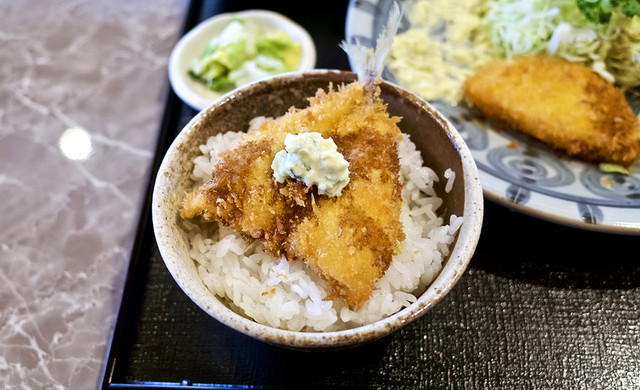
The menu
What to order
- 刺身定食 (sashimi set meal)
- 煮魚定食 (simmered fish set meal)
- メヒカリの唐揚げ (deep-fried mehikari)
- とんかつ定食 (tonkatsu set)
- 味噌とんかつ定食 (miso katsu set)
- カツ丼 (katsudon)
Approaching Shogetsu in Aichi-ken, the first cue is not theatre but locality: a straightforward regional setting in a prefecture where seafood can have a practical relationship with daily eating rather than a luxury script. Shogetsu fits that rhythm. The category is cafeteria and seafood, which in Japan can cover a wide band, from quick local lunches to carefully assembled set meals. Here, the editorial interest is not ceremony; it is how a regional table can earn national attention without behaving like a metropolitan tasting-menu room.
Aichi-ken’s dining conversation often gets pulled toward better-known urban habits, with familiar local staples and city-centre restaurant culture taking oxygen from the rest of the prefecture. Shogetsu plays a different hand. Its listed identity is tied to everyday seafood and unfussy regional dining habits. That makes a diner-format selection in this part of Aichi-ken more revealing than another expensive counter in a capital-city district. It shows that Japan’s serious everyday restaurants can sit outside the usual luxury map and still command scrutiny from diners who pay attention to consistency, value and regional character.
Aichi-ken seafood, without the metropolitan performance
The useful way to read Shogetsu is through category rather than plating language. Seafood restaurants in Aichi-ken succeed when freshness, volume and restraint line up: fish does not need a long explanatory arc if the basic execution is doing the work. The cafeteria label also matters. It places the meal closer to shokudo culture, where the value lies in regularity, accessible pricing and a room that can handle everyday diners, not only destination eaters.
That context explains why the Tabelog Hyakumeiten recognition for 2026 carries weight. The diner-style category is not built around haute cuisine signals; it rewards places that perform well inside more casual Japanese formats. Shogetsu’s Tabelog score of 3.61 sits in the zone where local loyalty and specialist interest overlap, particularly for a regional venue beyond the most familiar luxury dining circuits.
Price sharpens the point. Within the local comparison set, Dashi Men Mirai, Sanshu Teuchi Udon Garyu, Pizzeria Ocean and Sushi Bito Mitoku each suggest a different everyday or specialist lane in Aichi-ken. Shogetsu reads as the seafood answer in that conversation: not a luxury set-piece, but an accessible lunch format where the listed price range keeps the meal grounded.
The shokudo tradition is the real frame
Japan’s shokudo tradition is often misunderstood by travellers trained to chase counters, chef biographies and reservation drama. A strong shokudo is not trying to compress a career philosophy into a menu. It is judged by repetition: whether the cooking holds up across ordinary service, whether the ingredients justify the price, and whether locals can return without feeling they have entered a special-occasion machine. Shogetsu’s cafeteria-and-seafood profile supports that reading, suggesting a place anchored in an everyday category rather than a theatrical dining format.
The absence of a named chef in the available profile is not a weakness in this genre. In seafood shokudo culture, the centre of gravity usually sits closer to the kitchen’s day-to-day discipline than personality. For readers mapping Aichi-ken, that distinction is useful. A chef-led fine-dining room asks to be evaluated through authorship; a diner-category seafood restaurant asks whether the local food format is being translated clearly enough to justify repeat attention.
That is also why Shogetsu belongs in a broader Aichi-ken itinerary rather than a single-venue pilgrimage plan. Pairing it mentally with other Aichi-ken dining rooms helps show the prefecture’s range: noodles, seafood, cafeterias and specialist local formats sit beside the better-known urban canon. Travellers building a wider regional map should use Our full Aichi-ken restaurants guide for dining context, then cross-check the area’s stay, drinking and leisure options through Our full Aichi-ken hotels guide, Our full Aichi-ken bars guide, Our full Aichi-ken wineries guide and Our full Aichi-ken experiences guide.
How to place it in a Japan-wide eating map
For overseas travellers, the bigger lesson is that Japan’s serious casual dining is not confined to famous city names. An Aichi-ken seafood cafeteria can be more instructive about daily Japanese food culture than another polished room in Tokyo or Kyoto. The comparison is not about status; it is about what each format reveals. Other dining rooms around Japan may point toward regional specialisms, urban seafood, charcoal cooking or a different casual register.
The same lens applies farther afield: unnamed local restaurants across Japan each occupy different food lanes, while Japanese food abroad often translates format before it translates place. Shogetsu matters because it keeps place in the foreground: Aichi-ken, seafood, shokudo cadence, and a price tier that leaves the focus on the plate rather than the occasion.
Frequently asked questions
Would Shogetsu be comfortable with kids?
Shogetsu is listed in an everyday cafeteria and seafood category, so it reads as a practical lunch stop rather than a formal dining room. Check the venue's official channels for the latest details.
What's the overall feel of Shogetsu?
Shogetsu reads as a casual cafeteria and seafood venue, with the emphasis on an everyday regional format rather than polished performance. The available listing places it in a practical dining lane.
What does dinner at Shogetsu typically cost?
Dinner pricing is not specified in the provided record. The listed price range is JPY 1,000 - JPY 1,999, with lunch shown at JPY 1,000 - JPY 1,999.
What are the opening hours for Shogetsu?
Opening hours are not specified in the provided record. Check the venue's official channels for the latest details before visiting.
Where is Shogetsu in Aichi-ken?
Shogetsu is located in Aichi-ken.
What has Shogetsu built its reputation on?
Shogetsu was selected for Tabelog Hyakumeiten in 2026. Its reputation rests on seafood, cafeteria-style dining, a Tabelog score of 3.61, and a listed price range of JPY 1,000 - JPY 1,999.
Comparable Spots, Quickly
Comparable venues by cuisine and price in the same metro.
| Venue | Cuisine | Price | Awards | Notes |
|---|---|---|---|---|
| ShogetsuThis venue (the venue you are viewing) | Casual Japanese seafood & teishoku | $10–20 | Tabelog 100 #90 | Not listed |
| Seimen Misaku | Japanese Ramen | $10–20 | Tabelog 100 #78 | Inuyama |
| HIKINIKU TO COME (挽肉と米) | Hamburger steak set menu (Japanese-style) | $20–30 | Tabelog 100 #59 | Shibuya |
| Soup Curry & Dining Suage+ (suage+ 本店) | Sapporo soup curry specialty shop | $10–20 | Tabelog 100 #83 | Susukino, Chuo Ward |
| Restaurant Hagi | Traditional Japanese Family Dining | Not listed | Not listed | Nagato City |
| Kappa | Tonkatsu with Demi-Glace Sauce | $10–20 | Tabelog 100 #78 | Achi |
Recognition history
Dated appearances from independent guides and award organizations, with the underlying list record or original source where available.
Tabelog 100 #90 · No. 90
Tabelog · Tabelog 100 - Diner - 2026
Continue exploring
More in Aichi
Restaurants in Aichi
All restaurants in Aichi →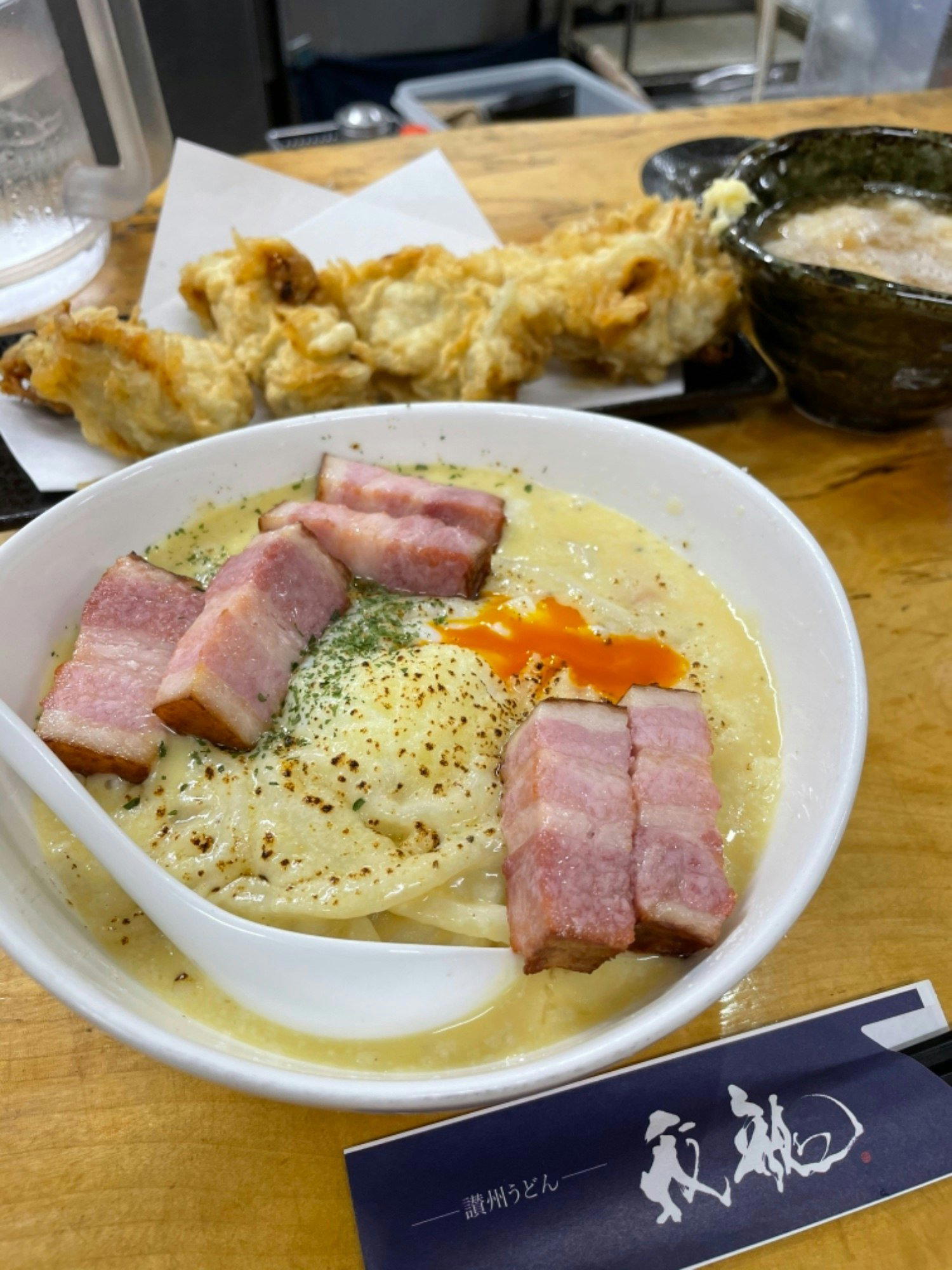
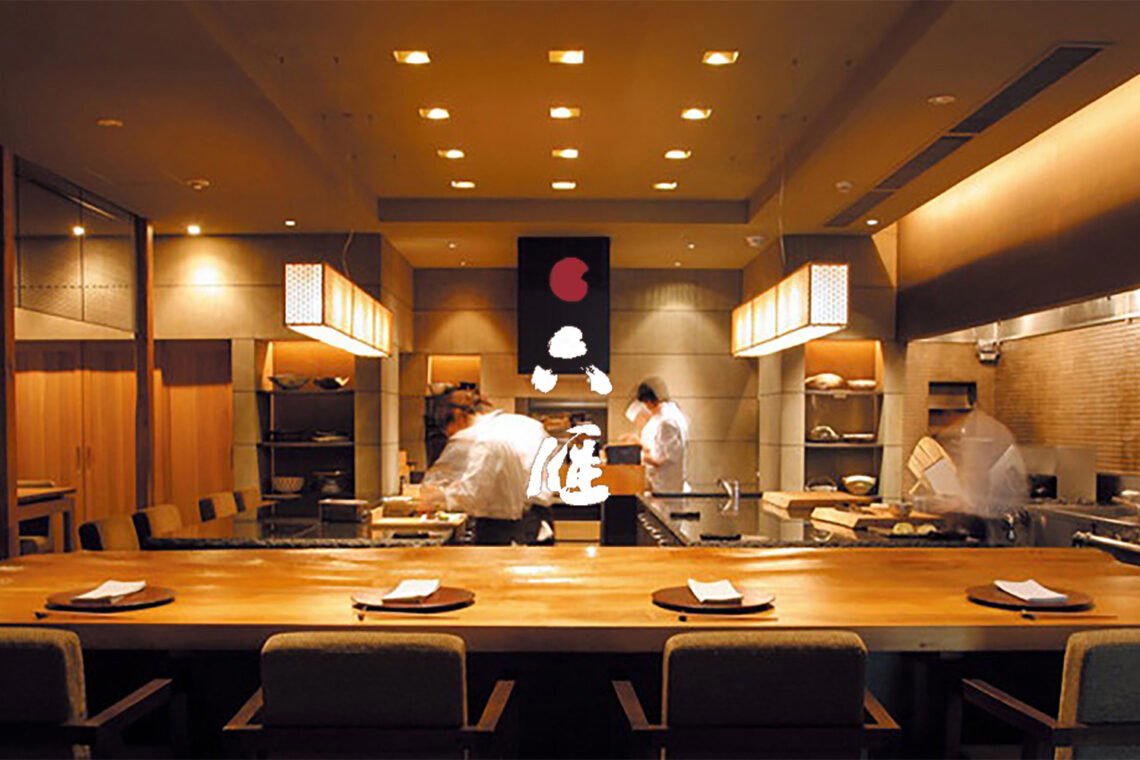
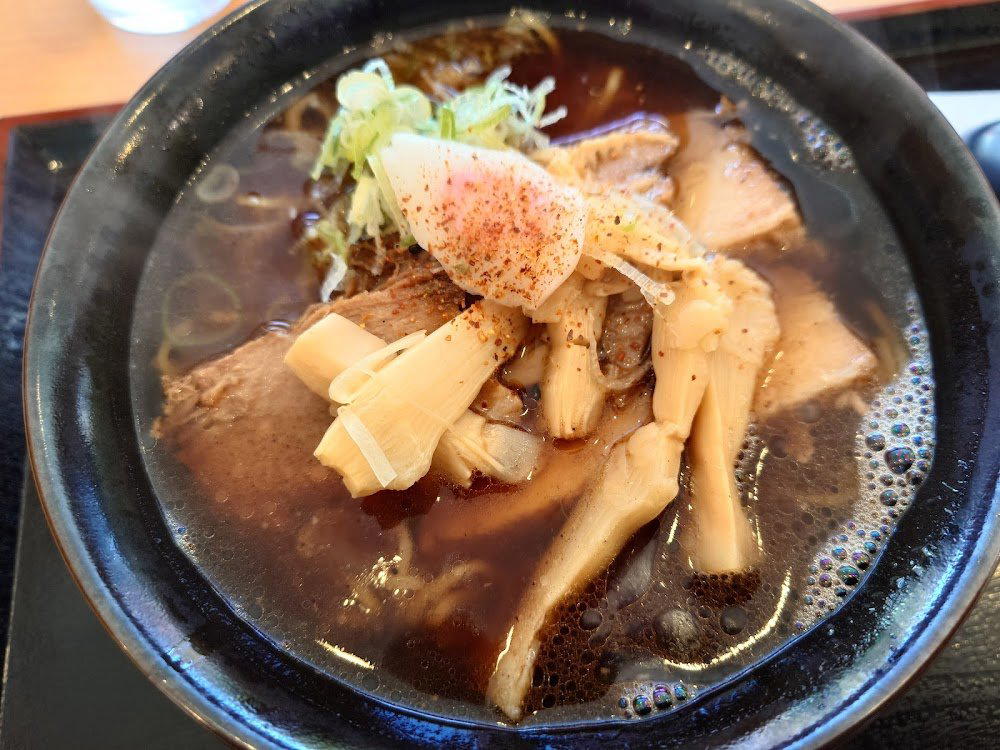
Details
- Classic
- Cozy
- Scenic
- Family
- Casual Hangout
- Group Dining
- Solo
- Waterfront
- Standalone
- Local Sourcing
- Waterfront
- A La Carte
- Set Menu
- Pescatarian Friendly
Current opening hours
- Monday
- 11 AM–2 PM
- Tuesday
- 11 AM–2 PM
- Wednesday
- 11 AM–2 PM
- Thursday
- 11 AM–2 PM
- Friday
- 11 AM–2 PM
- Saturday
- 11 AM–2 PM
- Sunday
- Closed
Hours can change for holidays and private events. Hours as of .
Relaxed, local teishoku-ya atmosphere with simple table, tatami, and counter seating facing the sea; bright and functional rather than design-focused, suited to families and everyday diners rather than formal occasions.