
Tabelog 100 #78
Our verdict
Seimen Misaku belongs to Aichi’s serious ramen circuit rather than the casual tourist-snack lane around Inuyama. The draw is a compact noodle-focused room with Tabelog 100 Ramen AICHI 2025 recognition, a small seating format, and a sourcing-led ramen culture where broth, tare, and noodle texture carry the argument.

Pearl is the En Primeur Club membership app, where members save venues, book tables and use the concierge.
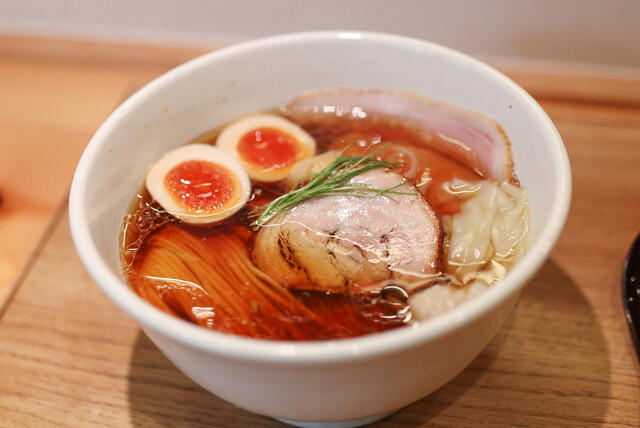
Aichi-ken rewards a slower pace for food travellers: everyday streets, practical local rhythms, and a dining culture that is not always built around high-volume spectacle. Within that setting, ramen reads differently. It is not just a late-night afterthought or a station-platform convenience, but a focused pursuit where the rhythm of noodle preparation can make the meal feel closer to craft than quick refuelling.
Seimen Misaku sits in that register. Its recognition in Tabelog 100 Ramen AICHI 2025 places it inside a regional ramen conversation that is more exacting than outsiders often assume. Aichi’s ramen identity is not as internationally codified as Tokyo’s shoyu counters or Sapporo’s miso houses, which makes the local selection more useful: it points to shops where repeat local judgement has hardened into reputation. For travellers building a food day around Aichi-ken, that matters more than another generic bowl chosen only for convenience.
Aichi ramen judged by sourcing, not spectacle
Modern Japanese ramen criticism has moved well past the old shorthand of “rich” versus “light.” Serious shops are often assessed through ingredient decisions: the wheat character of the noodles, the extraction behind the broth, the salt or soy architecture of the tare, and how fat is used to carry aroma rather than simply add weight. In this tier, noodle-focused identity is not a decorative detail. When a ramen shop treats noodles as the centre of the composition, the bowl becomes a study in timing, hydration, and texture as much as soup depth.
That sourcing-led reading is especially useful in Aichi-ken, where regional food culture is often associated abroad with broader central-Japan staples and generous everyday dining. Ramen here occupies a less exportable space. The stronger shops tend to be judged by regulars who know the difference between a bowl engineered for impact and one built for balance over repeated visits. Seimen Misaku’s Tabelog score of 3.84 and inclusion in the 2025 Aichi ramen selection put it in the latter conversation, not because numbers tell the whole story, but because Japanese user-driven ramen rankings are unusually sensitive to consistency.
The competitive set also helps define the choice. Nearby casual eating in Aichi-ken can run broader: Yamada Gohei Mochi Ten sits in a snack-and-local-specialty lane, while Mendo Hitohira, Grill Sanka Tei, Botefuku, and Tokiwa 1921 occupy different everyday formats. Against that backdrop, this is the more deliberate ramen stop, the one to prioritise when the point of the meal is the bowl itself rather than convenience between other plans.
The room makes the ramen feel intentional
Ramen rooms in Japan create a particular kind of scrutiny. The format naturally narrows attention: orders move in sequence, turnover matters, and the kitchen’s pacing becomes part of the experience. That is not luxury in the hotel sense; it is discipline. In a focused noodle shop, flaws have fewer places to hide, and a strong bowl has fewer distractions competing with it.
This is also why the tone of the meal matters rather than just the checklist of amenities. Ramen at this level is often easiest when approached simply: arrive with the meal itself as the focus, read the flow of service, and let the bowl set the pace. Aichi-ken’s visitor mix includes solo diners, couples, families, and food-led travellers moving through the prefecture. Seimen Misaku’s appeal is that it keeps the seriousness of the food without needing the social codes of a hushed tasting counter.
For a broader Aichi itinerary, the better approach is to treat the stop as one part of a regional food map rather than a standalone trophy. EP Club’s full Aichi-ken restaurants guide is the natural companion for dining, while hotel planning belongs in our full Aichi-ken hotels guide. Travellers layering drinks, producers, or cultural programming around the same trip can use our full Aichi-ken bars guide, our full Aichi-ken wineries guide, and our full Aichi-ken experiences guide rather than treating Aichi-ken as a single-meal detour.
How to place it in a Japan food itinerary
The smartest way to read Seimen Misaku is not as a substitute for Tokyo ramen pilgrimages, but as evidence of how deep Japan’s regional noodle culture runs outside the obvious food capitals. Aichi-ken rewards travellers who move between categories: a focused ramen shop, everyday local dining rooms, and old snack traditions each reveal a different register of the prefecture’s appetite. That mix is more instructive than chasing the same dining format across every city.
Japan’s dining map is increasingly fragmented by specialization. A specialist counter, an everyday local address, and a café-format entry are not interchangeable stops. They show how tightly Japanese dining categories define expectation before a guest even sits down.
That same logic applies across less obvious routes. Other dining rooms in Japan may belong to very different grammars of eating: immigrant cooking, curry specialization, café culture, or minimalist regional cooking. Ramen in Aichi-ken should be planned with the same category awareness. The point is not breadth for its own sake, but understanding how a single dish can become a narrow discipline.
For travellers comparing Japan with Japanese food abroad, the distinction sharpens further. Overseas sake bars, onigiri counters, and casual Japanese-inspired formats speak to exportable ideas and diaspora interpretation; an Aichi-ken ramen shop speaks to local repetition and daily judgement. Add meat-led dining, casual burger specialization, or compact urban stops elsewhere in Japan, and the pattern is clear: Japan rewards precision of intent. Seimen Misaku is for the traveller who wants that precision in noodle form, with Aichi-ken context rather than metropolitan noise.
Frequently asked questions
Is Seimen Misaku okay with children?
Plan it as a focused ramen stop and check the venue's official channels for the latest details before visiting.
How would you describe the vibe at Seimen Misaku?
It reads as a food-first ramen venue in Aichi-ken. The Tabelog 100 Ramen AICHI 2025 selection gives it added weight without changing the modest, bowl-focused framing.
What should I budget for a meal at Seimen Misaku?
Pricing at Seimen Misaku is listed as JPY 2,000 - JPY 2,999 JPY 2,000 - JPY 2,999 View spending breakdown.
Where is Seimen Misaku in Aichi-ken?
Aichi-ken.
Comparable Spots, Quickly
Comparable venues by cuisine and price in the same metro.
| Venue | Cuisine | Price | Awards | Notes |
|---|---|---|---|---|
| Seimen MisakuThis venue (the venue you are viewing) | Japanese Ramen | $10–20 | Tabelog 100 #78 | Not listed |
| Shogetsu | Casual Japanese seafood & teishoku | $10–20 | Tabelog 100 #90 | Gamagori-shi Kataharamachi |
| ウトロ漁協婦人部食堂 | Fresh Seafood Donburi from Fishermen's Wives | Not listed | Not listed | Utoro |
| Nagano Meijitei | Nagano Sauce Katsudon | $10–20 | Not listed | Nagano Station |
| Kumasotei | Traditional Satsuma Cuisine | Not listed | Not listed | Higashi Sengoku-cho |
| Japanese Ramen Tomita (日本の中華そば富田) | Japanese Ramen and Tsukemen | $10–20 | Not listed | Narita |
Recognition history
Dated appearances from independent guides and award organizations, with the underlying list record or original source where available.
Tabelog 100 #78 · No. 78
Tabelog · Tabelog 100 - Ramen - AICHI - 2025
Continue exploring
More in Aichi
Restaurants in Aichi
All restaurants in Aichi →
Details
- Cozy
- Classic
- Solo
- Family
- Casual Hangout
- Standalone
- A La Carte
- Counter Dining
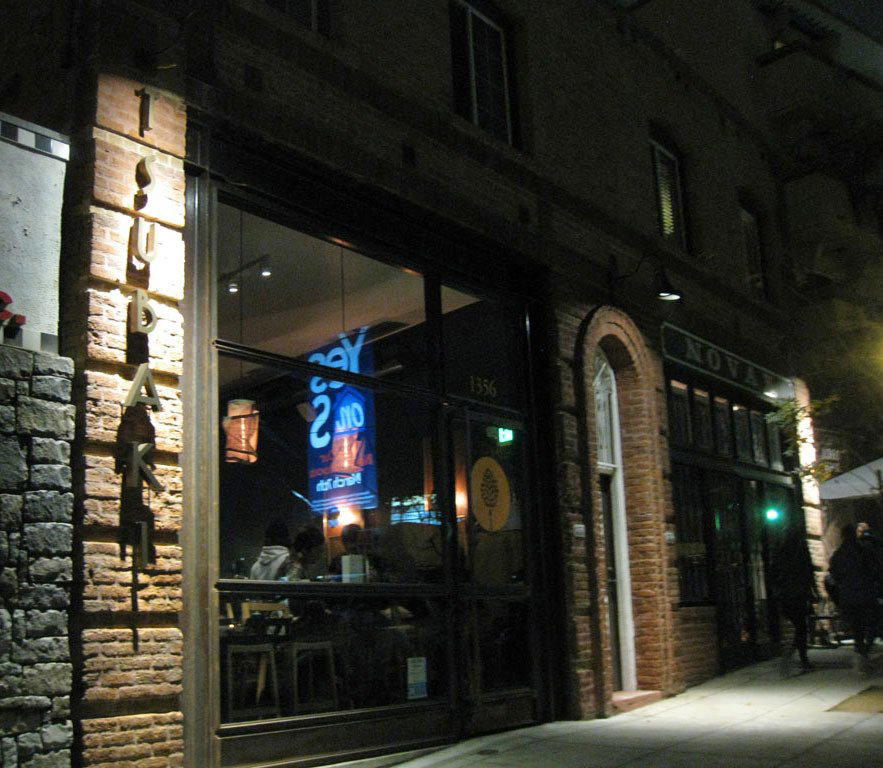
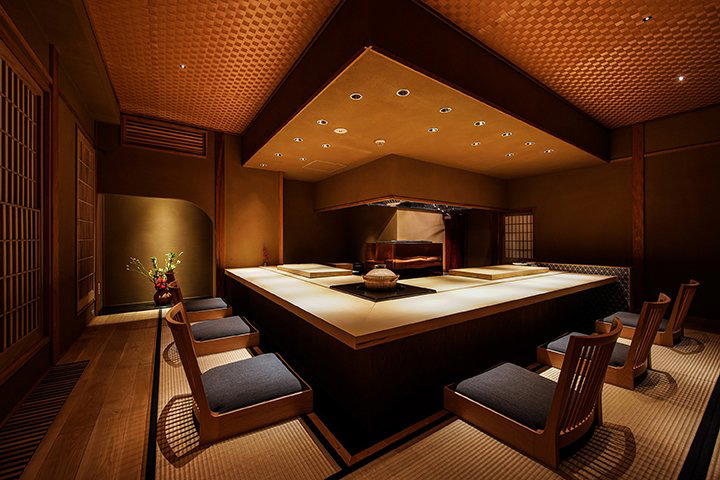
A relaxed, house-restaurant style ramen spot with counter seating and a small, intimate feel that suits solo diners and families.