
Tabelog 100 #21
Our verdict
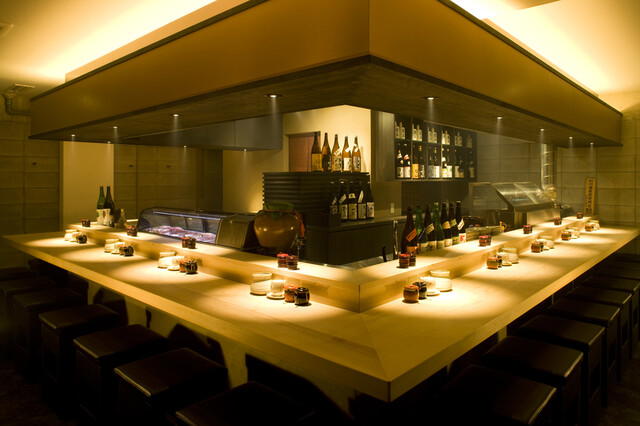
Kagurazaka gives Tokyo yakitori a different register: less station-front hurry, more backstreet counter culture. Shirogane Toritama Kagurazaka ten fits that mood with 24 all-counter seats, a yakitori, kushiyaki and izakaya format, repeated Tabelog 100 Yakitori selections, and a dinner range of JPY 6,000 to JPY 7,999.

Pearl is the En Primeur Club membership app, where members save venues, book tables and use the concierge.
The menu
What to order
- Omakase yakitori skewer course
- Rare chicken cuts yakitori
- Oyakodon
- Chicken soup (tori-soup)
Tokyo shifts pace once busy routes give way to smaller dining streets. Its compact restaurants make it one of the city’s sharper settings for a focused meal: local in scale, polished enough to draw diners across town. Shirogane Toritama Kagurazaka ten fits a specific Tokyo tradition rather than a generic night out: yakitori, kushiyaki and izakaya cooking treated as the reason for the visit.
The restaurant sits in Tokyo, where many restaurants trade on restraint rather than spectacle. That matters for yakitori, a form built on repetition, timing and quiet confidence more than elaborate staging. The listed categories are yakitori, kushiyaki and izakaya, and the recognition points to a venue that is taken seriously within that field. In Tokyo, that usually means focus and pacing rather than a sprawling, everything-at-once order.
Tokyo counter culture gives yakitori a sharper frame
Tokyo yakitori splits between casual after-work rooms, specialist restaurants and higher-price destination formats. The city gives the middle tier force because it rewards compact restaurants, careful service and repeat local use. Shirogane Toritama Kagurazaka ten sits in that conversation: more focused than a broad tavern night, less imposing than a major occasion restaurant, and priced for a serious dinner rather than an extravagant splurge.
The Tabelog Hyakumeiten Yakitori recognition for 2025 is the key trust signal. Tabelog’s Hyakumeiten lists tend to reward category depth rather than general luxury, so a yakitori listing differs from a fine-dining trophy. It marks credibility among diners comparing grill-focused restaurants, ordering rhythm and value across many small rooms. A 3.61 Tabelog score also matters in Japan’s rating culture, where specialists often sit below international-award restaurants numerically yet command strong local attention.
The comparison is not the same register as Hatou or 神楽坂 石かわ, both part of Tokyo’s more ceremonial dining conversation. It is the city question of where a focused dinner can be taken seriously without becoming a full-evening production. ENGINE and Yoshokudo Budo Kagurazaka Kagurazaka show other registers of Tokyo dining, while Isuzu reflects another local style. Tokyo supports several registers within a compact dining landscape, and yakitori here competes on format discipline as much as price.
The appeal is the format, not a long chef mythology
Yakitori rewards diners who want a meal to unfold with clarity. A focused room changes the contract: the cooking is not just background labour, and the order of skewers becomes easier to read. Without relying on a named-chef narrative, the format supplies the hierarchy. Heat, pacing, seasoning choices and the movement between yakitori, kushiyaki and izakaya elements separate a specialist-leaning meal from a casual tavern order.
The venue’s clearest editorial angle is its focus on yakitori and related skewers. Tokyo has long treated this category with seriousness, especially in restaurants where individual skewers can be understood as more than supporting players. For travellers used to yakitori as a short bar snack, Tokyo is a useful correction: the category can be a full dinner with progression, drinks rhythm and a clear sense of occasion.
The drinks positioning can matter at this kind of venue, where yakitori sits between tavern ease and specialist focus. That flexibility suits Tokyo, where formal restaurants, smaller Japanese rooms, sushi counters and izakaya sit close together. For a broader look at the city’s dining range, see Our full Tokyo restaurants guide; for nearby and cross-category contrasts, EP Club also tracks other Tokyo dining rooms across casual, specialist and counter-led formats.
Planning the night around Tokyo rather than around a checklist
Practical rhythm should be confirmed directly before visiting, especially for a compact restaurant where hours, closures and reservation conditions can change. The restaurant is in Tokyo, making it easy to fold into a wider evening of dining or drinks elsewhere in the city. As with many focused venues, the best approach is to plan the meal around the restaurant rather than treating it as a quick stop between several bookings.
Reservations are worth considering, especially for a restaurant with category recognition. The listed dinner budget is JPY 6,000 to JPY 7,999, a range that positions it as a serious but accessible dinner in Tokyo. Final spend can still vary with drinks and ordering style. The key point is not luxury staging but a focused yakitori, kushiyaki and izakaya format with enough recognition to merit advance planning.
The category focus is the reason to choose it. The stronger fit is a small party wanting yakitori treated as dinner rather than a prelude. In a city that swings from formal Japanese rooms to more casual specialist restaurants in a few turns, Shirogane Toritama Kagurazaka ten gives Tokyo’s quieter grill-focused side a clear expression.
For wider trip planning around the city, see Our full Tokyo hotels guide, Our full Tokyo bars guide, Our full Tokyo wineries guide and Our full Tokyo experiences guide. For Japan and overseas contrasts in casual, specialist and counter-led eating, compare unnamed dining rooms in other cities with Tokyo’s own range of yakitori, izakaya and counter-led restaurants.
Comparable Options
Comparable venues to place this listing in its category.
| Venue | Cuisine | Price | Awards | Notes |
|---|---|---|---|---|
| Shirogane Toritama Kagurazaka tenThis venue (the venue you are viewing) | Yakitori & Izakaya | $50–100 | Tabelog 100 #21 | Not listed |
| Hatou | Edomae Omakase | $200–300 | Not listed | Sushi |
| ENGINE | Chinese with Japanese influence | $50–100 | Tabelog 100 #85 | JPY 6,000 - JPY 7,999 |
| Isuzu | Traditional Japanese Wagashi Shop | Not listed | Tabelog 100 #62 | JPY 999 - JPY 999 |
| Yoshokudo Budo Kagurazaka Kagurazaka | Italian-influenced Yoshoku & Wine Bar in a Traditional House | $50–100 | Tabelog 100 #39 | JPY 8,000 - JPY 9,999 |
Recognition history
Dated appearances from independent guides and award organizations, with the underlying list record or original source where available.
Tabelog 100 #21 · No. 21
Tabelog · Tabelog 100 - Yakitori - EAST - 2025
Continue exploring
More in Tokyo
Restaurants in Tokyo
All restaurants in Tokyo →


Bars in Tokyo
All bars in Tokyo →


Details
- Cozy
- Intimate
- Lively
- Date Night
- Business Dinner
- Group Dining
- Solo
- After Work
- Late Night
- Special Occasion
- Chefs Counter
- Standalone
- Sake Program
- Beer Program
- A La Carte
- Omakase
- Counter Dining
- Small Plates
- Sake
- Beer
- Pescatarian Friendly
A small basement yakitori spot with counter-focused seating, warm charcoal aromas, and a lively yet relaxed atmosphere suited to dates, business dinners, and serious yakitori fans.