
Tabelog 100 #50
Our verdict
Kobe’s Chinese dining scene is often read through two lenses: Chinatown’s high-turnover street food and polished hotel dining. Shinshin occupies a quieter middle lane near Kenchomae, with Chinese rice porridge, pork buns, fish-led cooking, sake and shochu, and repeated Tabelog Chinese WEST 100 selections placing it in a serious local conversation rather than a tourist shorthand.

Pearl is the En Primeur Club membership app — saves, bookings, and concierge access live there. Same editors, same standards.
- Address
- 4 Chome-13-14 Shimoyamatedori, Chuo Ward, Kobe, Hyogo 650-0011, Japan
- Phone
- +81 78-322-3339
- Hours
- Daily 11:30 AM–2 PM, 5–9 PM
- Website
- xingxing.jp
- Directions
- Get directions
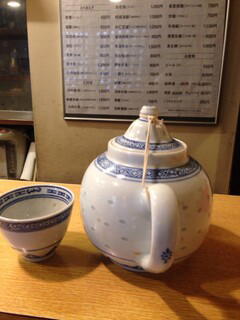
The menu
What to order
- Chinese rice porridge
- Dim sum / yum cha items
Kobe does not need to announce every good meal with neon volume. Away from the city’s most obvious tourist circuits, the mood can be lower-key: offices, residential blocks, everyday dining rooms, and places where a meal depends less on spectacle than on how a restaurant keeps its promise. That suits Kobe’s quieter Chinese tradition, a strand of city food culture running alongside beef counters, coffee salons, bakeries, and port-city cosmopolitanism without imitating them.
Chinese cooking in Kobe is not a novelty. The city’s international history gives it a civic foothold, but the more interesting meals are not always in the busiest corridors. They often sit in familiar local formats where regulars know the rhythm: rice porridge at lunch, pork buns as a recognizable marker, and cooking that reads differently from the richer banquet vocabulary many travelers associate with Chinese restaurants in Japan.
Kobe Chinese cooking, scaled to an everyday meal rather than a banquet claim
Read Shinshin as part of Kobe’s non-flashy Chinese tier: modest in tone, recognized by Japanese diners, and disciplined enough to hold attention beyond convenience. Its categories are Chinese, Chinese rice porridge, and pork bun, setting it apart from the city’s beef-first shorthand. A Tabelog score of 3.67 and selection for Tabelog 100 - Chinese cuisine - WEST - 2026 give the restaurant a concrete signal in a field where local repeat custom often matters more than international guidebook visibility.
That recognition matters because the Tabelog Chinese WEST list spans western Japan, not just Kobe. Shinshin’s 2026 selection suggests a level of visibility beyond a purely local listing. In a city where visitors may default to steak, sushi, or harbor-view dining, this is another read of Kobe: Chinese food as everyday craft, not imported decoration.
The appeal is easiest to understand as a Kobe Chinese meal rather than a banquet-room production. Here, timing, comfort, and focus matter more than ceremony. The format keeps the restaurant grounded in Japan’s everyday dining habits rather than turning it into a trophy-only destination.
Comparisons within Kobe clarify the lane. Yoshoku GURa sits in a different comfort-food conversation, while yokoyama is a separate point of reference. La Pierre Blanche Motomachi ten belongs to a casual sweets-and-café conversation. Shinshin’s dinner budget is JPY 4,000 to JPY 4,999, with lunch at JPY 1,000 to JPY 1,999, placing it in a useful middle: more intentional than a quick snack stop, less ceremonious than a special-occasion splurge. For travelers mapping a broader Kobe itinerary, that tier can be more revealing than another trophy reservation.
Rice porridge, pork buns, and the virtue of restraint
The menu categories point toward comfort, not laziness. Chinese rice porridge in Japan can be restorative, breakfast-adjacent, or a lighter counterpoint to richer shared dishes. Pork buns signal a different register, closer to Kobe’s casual Chinese vocabulary and to the city’s habit of making imported forms local over time. Shinshin makes sense when read through that lens: a Kobe Chinese restaurant whose appeal is tied to recognizable dishes rather than grand claims.
That is where restraint becomes more than a style note. A Chinese restaurant known through rice porridge and pork buns depends less on biography or theatrical performance than on making a concise category set feel complete. The appeal is not a chef story or a stage-managed counter experience; it is the ability of a clear format to deliver comfort without overstatement. That keeps Shinshin accessible for everyday dining rather than pushing it into rarefied tasting-menu territory.
Shinshin also complicates how many visitors rank Kobe meals. Beef specialists answer the obvious Kobe question, while coffee rooms, neighborhood kitchens, and cross-cultural addresses show the city’s range. Chinese cooking belongs on that map, particularly when the format is focused enough for craft to matter and established enough to have repeat local attention. Shinshin gives travelers a way to read Kobe through comfort, restraint, and recognition rather than through luxury shorthand alone.
For wider planning, Our full Kobe restaurants guide gives the dining context, while Our full Kobe hotels guide, Our full Kobe bars guide, Our full Kobe wineries guide, and Our full Kobe experiences guide place the meal within the city rather than treating dinner as an isolated booking. Travelers building a Japan route can compare, in general terms, how regional comfort formats shift from city to city. Outside Japan, Japanese drinking and casual-food formats offer another lens on how these ideas translate abroad, but Shinshin’s relevance is best understood first as part of Kobe’s own dining fabric.
How to fit it into a Kobe day
The practical case is simple: this is a recognized Chinese restaurant in Kobe, not a sprawling destination claim. Its listed categories are Chinese, Chinese rice porridge, and pork bun, and its Tabelog 100 - Chinese cuisine - WEST - 2026 recognition gives it a clear planning signal. Treat it as a Kobe meal folded into the day, especially if you want something more grounded than a showpiece reservation and more specific than a generic stop between sightseeing plans.
Frequently asked questions
What price level is Shinshin?
Pricing at Shinshin is listed as JPY 4,000 - JPY 4,999 JPY 1,000 - JPY 1,999 View spending breakdown.
What time does Shinshin open and close?
Current opening hours are not provided in the verified venue details for Shinshin.
What's Shinshin's location?
Kobe.
What's Shinshin best at?
Shinshin is strongest on the dishes signaled by its Tabelog listing: Chinese rice porridge and pork buns. Its categories are Chinese, Chinese rice porridge, and pork bun, and its selection for Tabelog Chinese WEST "Tabelog 100" 2026 is the clearest credential.
A Tight Comparison
Comparable venues by category and price.
| Venue | Cuisine | Price | Awards | Notes |
|---|---|---|---|---|
| ShinshinThis venue — the venue you are viewing | Traditional Cantonese rice porridge & dim sum | $10–20 | Tabelog 100 #50 | Not listed |
| Yoshoku GURa | Japanese Western (Yoshoku) | $10–20 | Tabelog 100 #20 | JPY 2,000 - JPY 2,999 JPY 1,000 - JPY 1,999 |
| yokoyama | Modern Innovative Fusion | $100–150 | Tabelog 100 #65 | JPY 15,000 - JPY 19,999 JPY 10,000 - JPY 14,999 |
| fuxing | Modern Chinese Fine Dining | $150–200 | Tabelog 100 #3 | Not listed |
| La Pierre Blanche Motomachi ten | Artisanal Chocolate & Bonbons | $10–20 | Tabelog 100 #88 | JPY 1,000 - JPY 1,999 JPY 2,000 - JPY 2,999 View spending breakdown |
Recognition history
Dated appearances from independent guides and award organizations, with the underlying list record or original source where available.
Tabelog 100 #50 · No. 50
Tabelog · Tabelog 100 - Chinese cuisine - WEST - 2026
Continue exploring
More in Kobe
Restaurants in Kobe
Browse all →
Bars in Kobe
Browse all →
Hotels in Kobe
Browse all →



Details
- Cozy
- Quiet
- Classic
- Intimate
- Family
- Solo
- Casual Hangout
- Group Dining
- Standalone
- A La Carte
- Small Plates
- Counter Dining
Current opening hours
- Monday
- 11:30 AM–2 PM, 5–9 PM
- Tuesday
- 11:30 AM–2 PM, 5–9 PM
- Wednesday
- 11:30 AM–2 PM, 5–9 PM
- Thursday
- 11:30 AM–2 PM, 5–9 PM
- Friday
- 11:30 AM–2 PM, 5–9 PM
- Saturday
- 11:30 AM–2 PM, 5–9 PM
- Sunday
- 11:30 AM–2 PM, 5–9 PM
Hours can change for holidays and private events. Last verified .
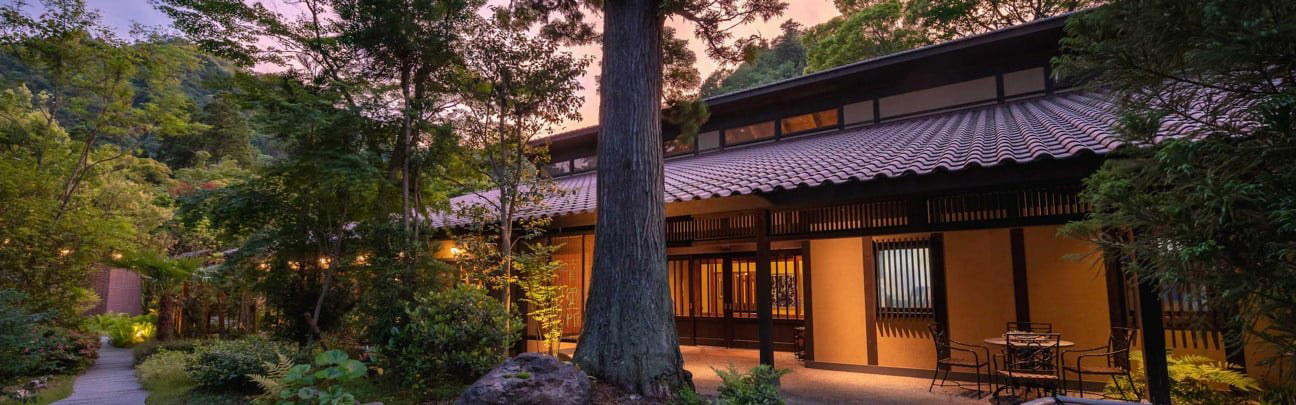
A small, non-smoking space centered on a counter with just a few seats, creating a quiet, relaxed atmosphere that feels like a neighborhood workshop more than a formal restaurant; lighting and decor are simple and classic, with a focus on the food and friendly, family-welcoming service.