Our verdict
Zushi Surry Hills sits on Crown Street in one of Sydney's most food-literate neighbourhoods, bringing Japanese dining to a strip where editorial-level restaurants compete on substance rather than spectacle. The address places it within walking distance of serious independent dining, and the format fits Surry Hills' pattern of neighbourhood-scale venues that attract regulars rather than tourists.

Pearl is the En Primeur Club membership app — saves, bookings, and concierge access live there. Same editors, same standards.
- Address
- 2A/285A Crown St, Surry Hills NSW 2010, Australia
- Phone
- +61293808830
- Hours
- Mon–Thu 12–3 PM, 5:30–9 PMFri 12–3 PM, 5:30–10 PMSat 12–10 PMSun 12–8:30 PM
- Website
- zushi.com.au
- Directions
- Get directions
- Booking
- Book on OpenTable
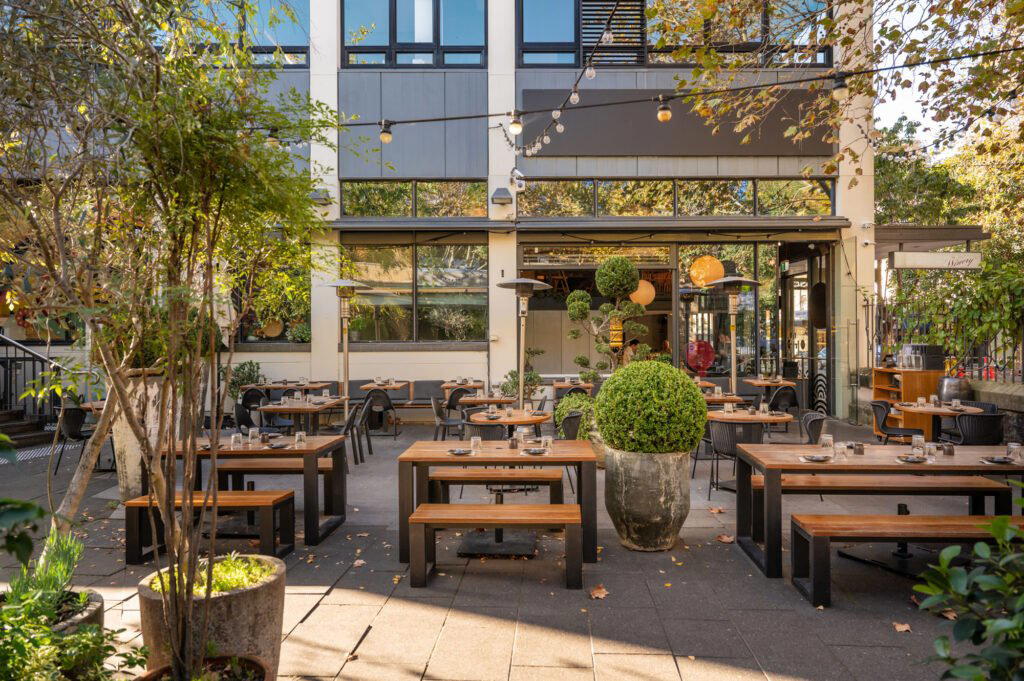
Crown Street and the Japanese Dining Tier It Occupies
Surry Hills has spent the better part of two decades consolidating its position as Sydney's most reliable neighbourhood for serious, independently operated dining. The stretch of Crown Street around Zushi's address at 2A/285A sits inside that density, where venues compete less on destination appeal and more on consistency, value alignment, and repeat custom. Japanese restaurants in this part of the city occupy a specific middle tier: above the conveyor-belt and fast-casual category, but distinct from the omakase-format counters that have reshaped CBD dining in recent years. Zushi Surry Hills operates in that intermediate register, where the proposition is accessible Japanese food delivered at neighbourhood frequency rather than occasion-dining price points.
That positioning matters in Sydney's current dining context. The city's Japanese food culture has grown considerably more sophisticated since the early 2000s, when sushi trains and teriyaki bowls dominated suburban perception of the category. Now, Sydney diners can compare their local Japanese option against a much wider reference set, including the premium omakase operations that have drawn international attention and the izakaya-format venues that prioritise drinking alongside eating. Where a venue sits relative to those poles tells you more about who eats there and why than any single dish description could.
The Wine Question in Japanese Dining
The wine programme at a neighbourhood Japanese venue tends to be either an afterthought or a deliberate point of difference, and there is rarely much ground between the two. Japanese cuisine's relationship with wine is a genuine editorial subject: the category's umami-forward profiles, high-acid pickled elements, and fat-rich preparations like salmon belly or tempura create specific pairing demands that challenge the standard by-the-glass selections most casual venues default to.
In Australian cities, the better Japanese venues have begun to treat the wine list with the same logic that European restaurants have applied for years, recognising that a thoughtful selection of high-acid whites, skin-contact wines, and lighter reds can function as seriously as sake or shochu alongside a broad Japanese menu. Grüner Veltliner, Chablis-style Chardonnay, and certain Jura whites have become recurring reference points among wine-literate diners eating Japanese food in Sydney. The movement is still finding its footing relative to the sake-first programmes that dominate higher-end Japanese operations, but at neighbourhood level, a venue that acknowledges wine pairing as a real consideration rather than an afterthought signals something about overall programme seriousness.
For context, this kind of curation philosophy distinguishes venues across the Australian dining scene: 10 William St in Paddington has built its entire identity around wine-led thinking applied to an Italian-leaning menu, and the approach has influenced how diners across Sydney now read a list. The principle transfers across cuisine types.
Surry Hills as a Dining Neighbourhood
Understanding Zushi's address requires some neighbourhood literacy. Surry Hills is not a tourist precinct in the way that Circular Quay or Darling Harbour operate, nor is it a single-street dining corridor like parts of Newtown. It is a residential-commercial mix where the leading venues earn regulars rather than walk-ins, and where longevity signals something real about quality and community fit. The Crown Street spine connects to a wider grid of streets that includes a range of independently operated restaurants across cuisines, price points, and formats.
That mix creates a competitive environment that keeps individual venues honest. A Japanese restaurant in Surry Hills is evaluated by diners who also have access to Saint Peter for Australian seafood, Rockpool for the high end of Australian dining, and any number of strong independent operators across cuisines. The neighbourhood comparison set is genuinely demanding, which raises the baseline for what counts as good enough to sustain a regular following. See our full Sydney restaurants guide for a broader map of the city's dining character.
Other strong neighbourhood-format venues that illustrate the same dynamics in their respective areas include Bayly's Bistro in Kirribilli and Johnny Bird in Crows Nest, both of which demonstrate how Sydney's inner-ring suburbs sustain serious independent dining outside the CBD. Further afield, bills in Bondi Beach shows a different model of neighbourhood loyalty built over decades.
Japanese Dining in the Australian Context
Australia's relationship with Japanese cuisine is longer and more layered than many overseas observers recognise. Japanese immigration to Australia dates to the nineteenth century, and the culinary exchange accelerated significantly through the 1980s and 1990s as business travel between the two countries increased. By the 2000s, Sydney had developed a Japanese dining ecosystem that extended well beyond sushi bars into ramen, yakitori, izakaya, and eventually high-end omakase.
The comparison points for premium Japanese dining in Australia now extend internationally. Atomix in New York City and Le Bernardin represent different versions of what serious tasting-menu dining looks like at the top of the global market, and Australian diners who travel regularly carry those reference points back into their local expectations. That raising of the bar benefits the entire category, including neighbourhood-scale venues that must now offer a more considered experience to retain a literate customer base.
Within Australia, the broader fine dining conversation is anchored by venues like Attica in Melbourne and Brae in Birregurra, which have drawn international attention and shaped how local diners think about sourcing, seasonality, and format. Japanese dining in Sydney doesn't operate in isolation from those conversations; the expectations they create filter across the entire dining culture.
Planning Your Visit
Zushi Surry Hills is located at 2A/285A Crown Street, accessible from multiple bus routes that run along the Crown Street corridor. Surry Hills sits within walking distance of Central Station, making it reachable without a car from most inner-city accommodation. The neighbourhood's dining density means an evening here can extend naturally before or after the meal, with bars and wine venues concentrated on the same streets. Surry Hills dining tends to peak on Friday and Saturday evenings, so weeknight visits typically offer a more settled pace.
Other venues worth noting in the broader Sydney orbit during a visit: 10 Pounds and 1021 Mediterranean round out the city's range, while regional comparisons can be drawn to Hungry Wolfs in Newcastle, Kulcha Restaurant Wollongong, and Jaani Street Food in Ballarat for a picture of how serious independent dining distributes across New South Wales and Victoria. Melbourne comparisons include Bar Carolina in South Yarra and Barry Cafe in Northcote.
Frequently asked questions
How do I find Zushi Surry Hills?
Zushi Surry Hills is located at 2A/285A Crown St, Surry Hills NSW 2010, Australia, Sydney.
Is Zushi Surry Hills suitable for a casual weeknight dinner in Sydney's inner south?
The Crown Street address at 2A/285A puts Zushi within easy reach of Surry Hills, Darlinghurst, and Redfern by foot or via the bus routes running the Crown Street corridor. As a neighbourhood Japanese venue rather than a formal dining room, it fits the inner-south Sydney pattern of low-ceremony, sit-down dining that works as well on a Tuesday as it does on a Friday.
What should I order at Zushi Surry Hills?
Zushi sits within Surry Hills, a neighbourhood where Japanese venues typically anchor their offer around sushi and small plates rather than a single tasting format. Arriving with an open brief and asking staff what is freshest that day tends to produce better results than arriving with a fixed order in mind.
Should I book Zushi Surry Hills in advance?
Crown Street's dining corridor draws consistent foot traffic from the surrounding Surry Hills residential catchment, and venues at this address tend to fill on Thursday through Saturday evenings without much warning. Contacting Zushi directly before visiting is advisable for weekend sittings.
What's Zushi Surry Hills best at?
Zushi's position on Crown Street places it in a neighbourhood that has spent two decades earning a reputation for independent, owner-operated dining rather than chain formats. Within that context, the venue operates as a Japanese dining option serving the local Surry Hills community rather than a destination-driven tourist draw. That distinction shapes both the atmosphere and the pricing, which tends to reflect neighbourhood rather than CBD benchmarks.
The Quick Read
Comparable venues nearby, for context on price, style, and recognition.
| Venue | Cuisine | Price | Notes |
|---|---|---|---|
| Zushi Surry HillsThis venue — the venue you are viewing | Modern Japanese Sushi and Omakase | $50–100 | Not listed |
| IZAKAYA MASUYA | Authentic Japanese Izakaya | Not listed | Sydney, Authentic Japanese Izakaya |
| Koromo by Jazushi | Modern Japanese Koromo & Izakaya | $20–30 | Pyrmont, Modern Japanese Koromo & Izakaya |
| Kyo yakiniku | Japanese Yakiniku BBQ | $50–100 | Glebe, Japanese Yakiniku BBQ |
| Rengaya Casual Dining | Japanese Yakiniku BBQ | $50–100 | Burwood, Japanese Yakiniku BBQ |
| Goryon San | Hakata-Style Japanese Kushiyaki Izakaya | $50–100 | Surry Hills, Hakata-Style Japanese Kushiyaki Izakaya |
Continue exploring
More in Sydney
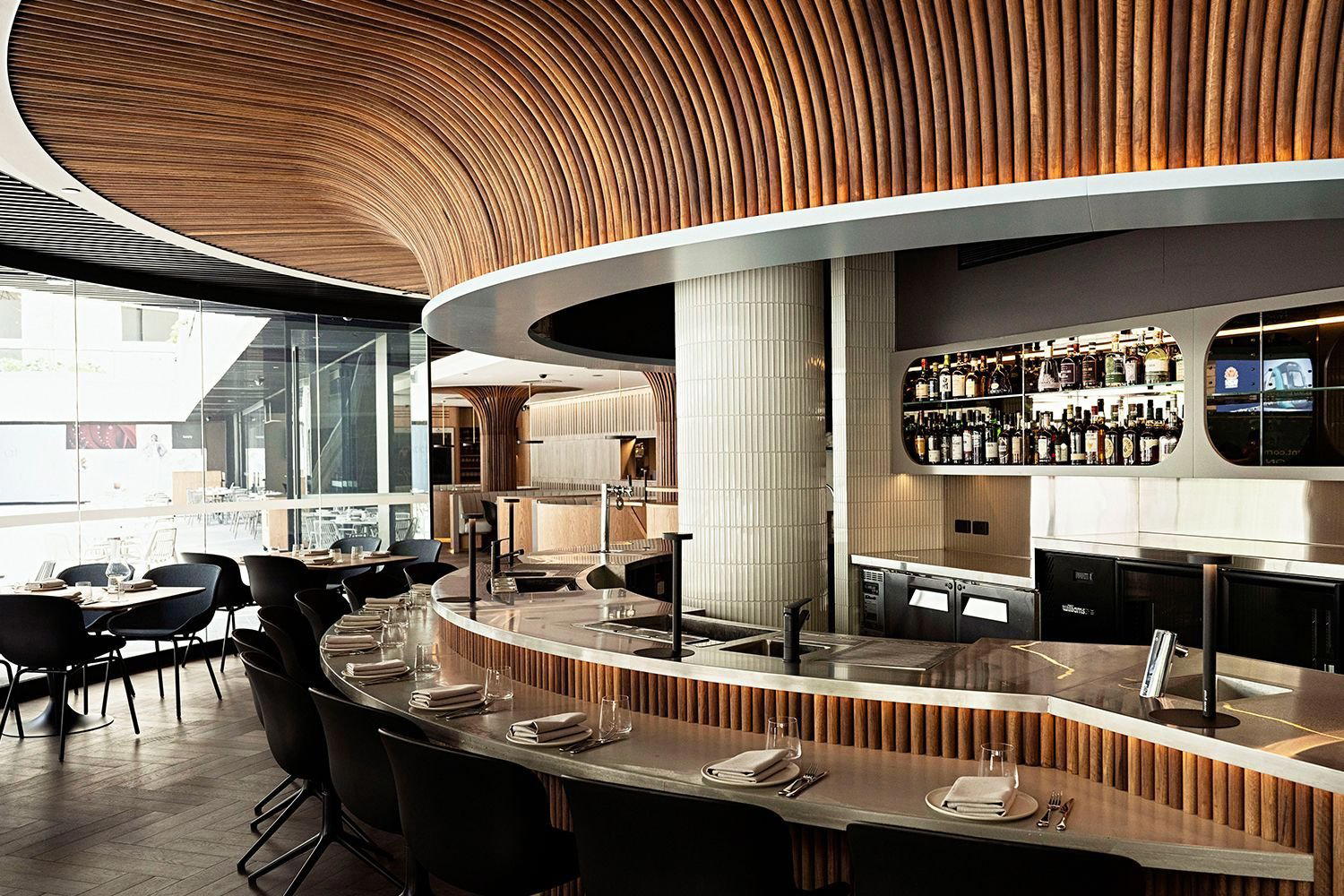
Restaurants in Sydney
Browse all →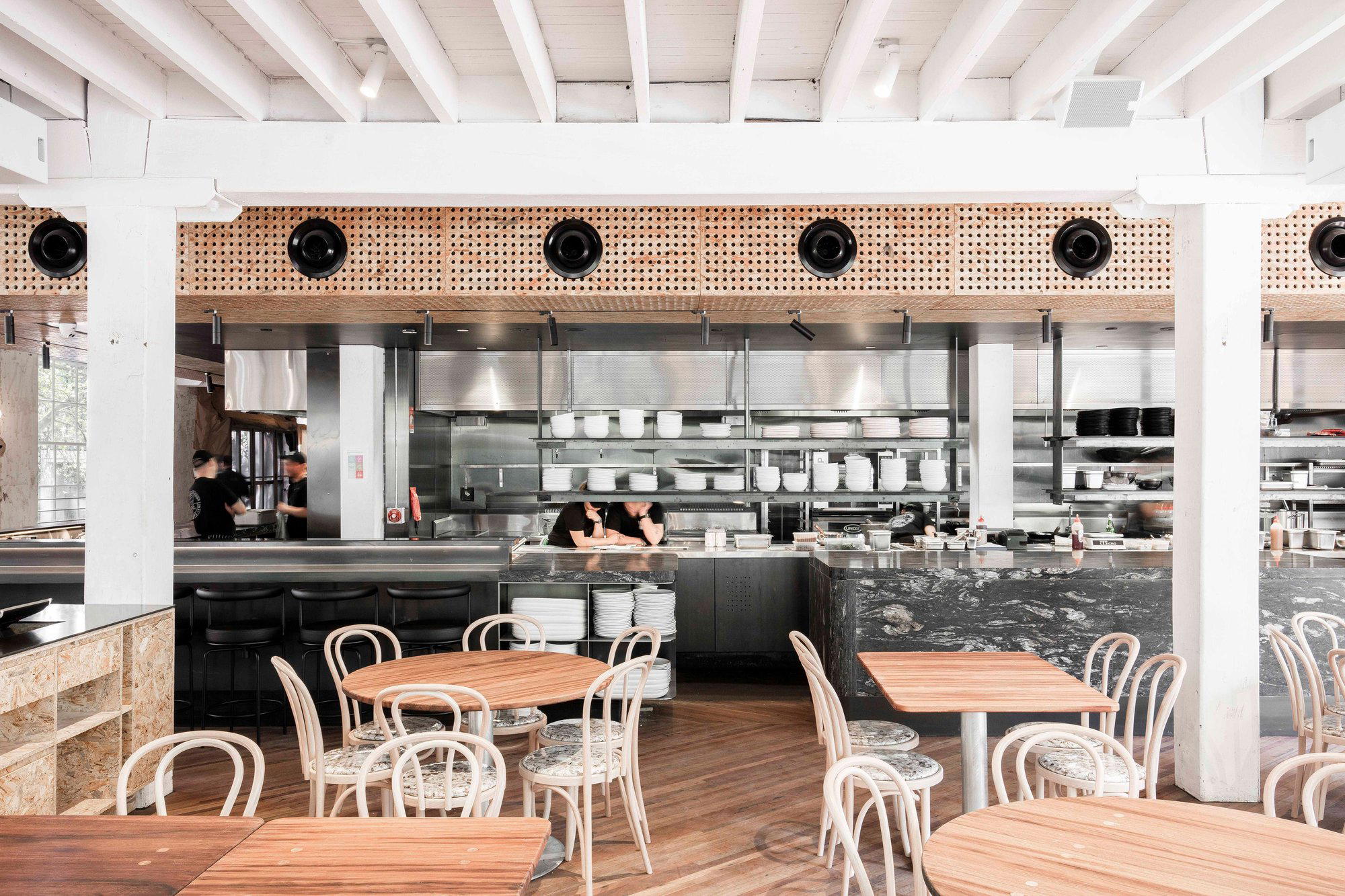
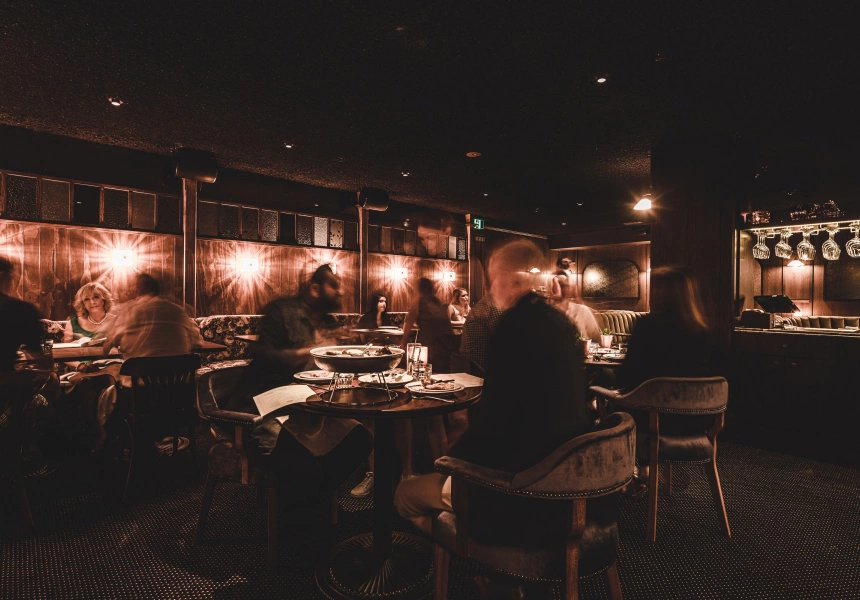
Bars in Sydney
Browse all →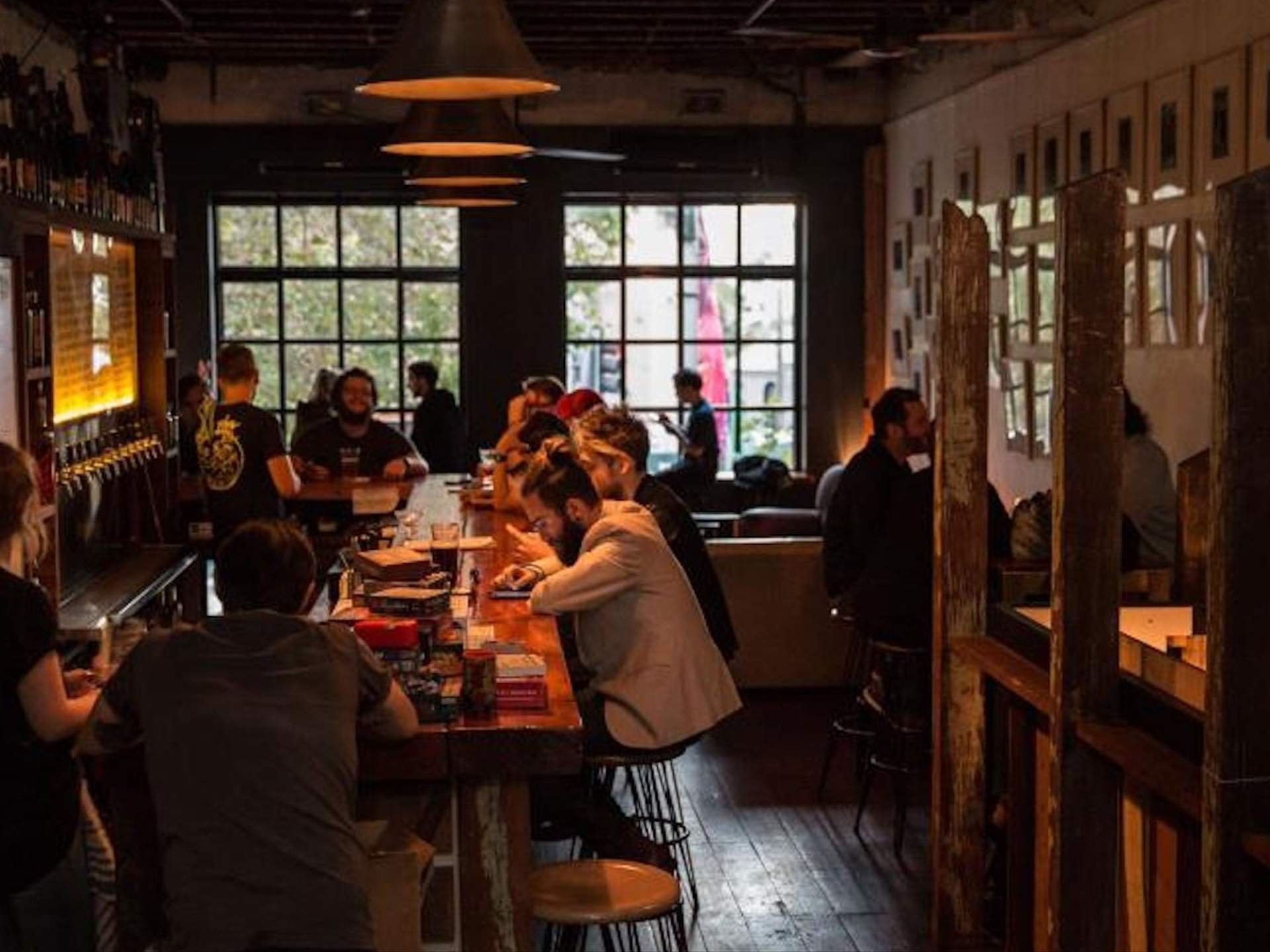
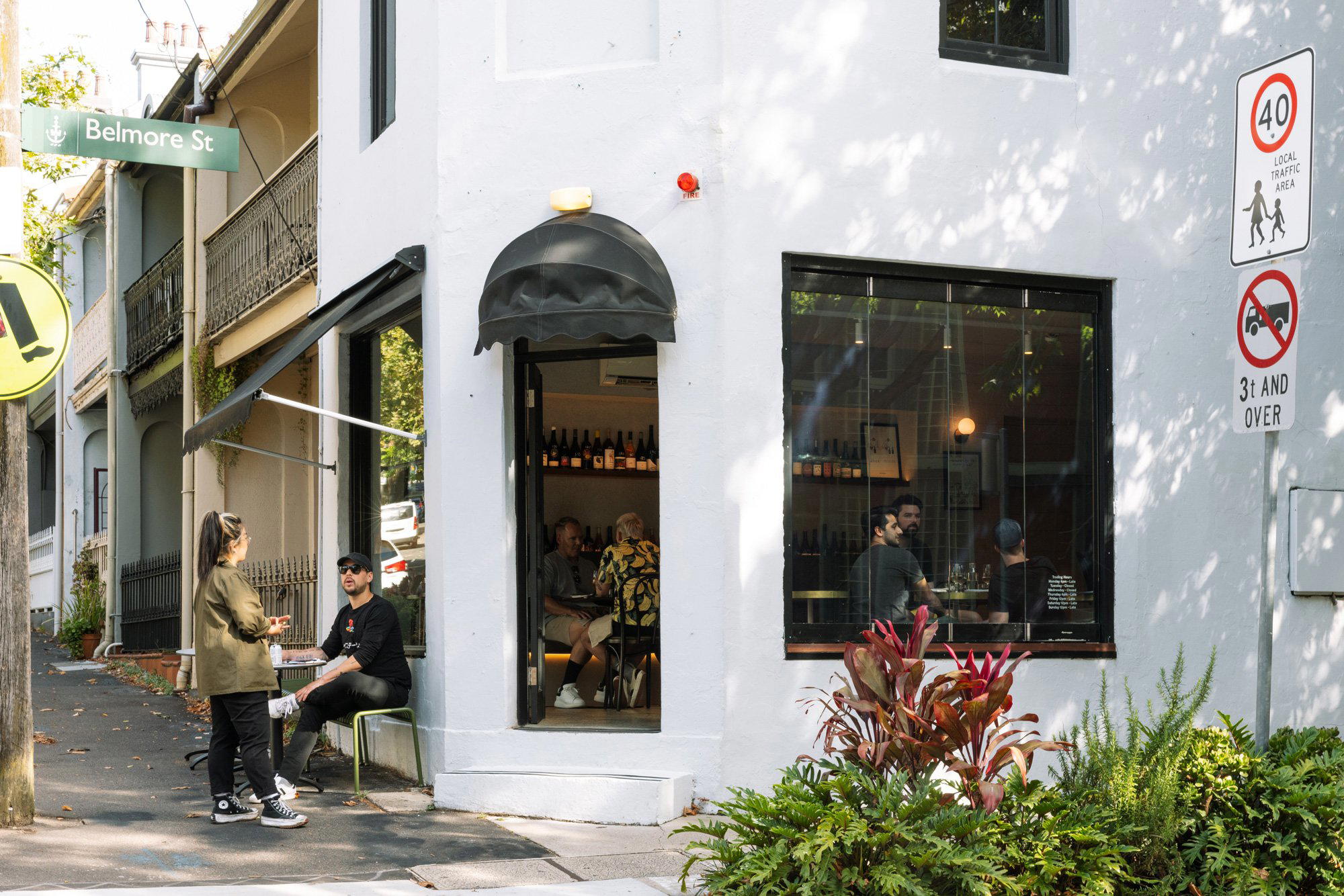
Hotels in Sydney
Browse all →

Details
- Modern
- Trendy
- Date Night
- Group Dining
- Casual Hangout
- Open Kitchen
- Courtyard
- Private Dining
- Sake Program
- Craft Cocktails
- Local Sourcing
- Sustainable Seafood
- A La Carte
- Omakase
- Small Plates
- Vegetarian Friendly
- Gluten Free Options
Current opening hours
- Monday
- 12–3 PM, 5:30–9 PM
- Tuesday
- 12–3 PM, 5:30–9 PM
- Wednesday
- 12–3 PM, 5:30–9 PM
- Thursday
- 12–3 PM, 5:30–9 PM
- Friday
- 12–3 PM, 5:30–10 PM
- Saturday
- 12–10 PM
- Sunday
- 12–8:30 PM
Hours can change for holidays and private events. Last verified .
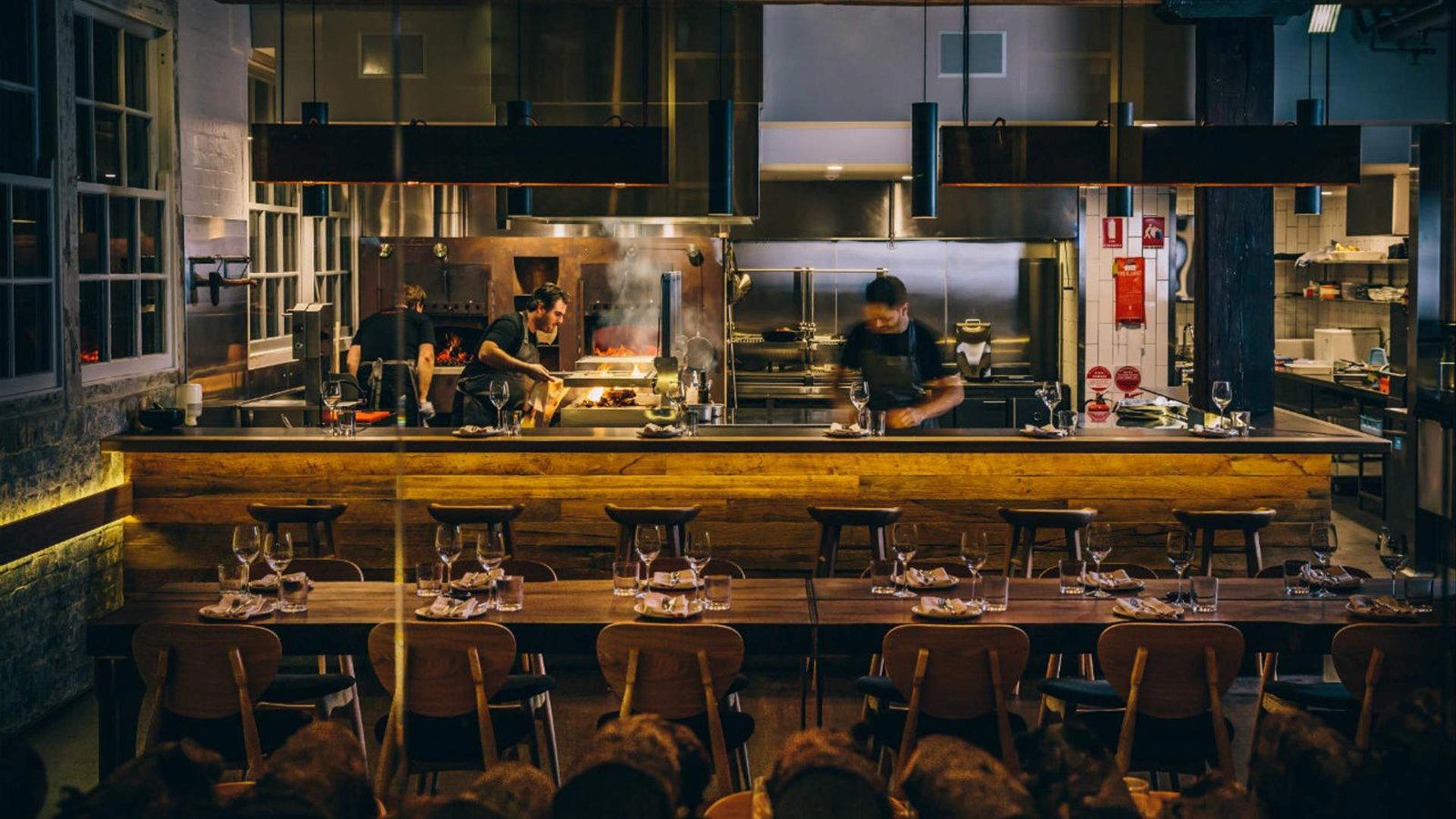
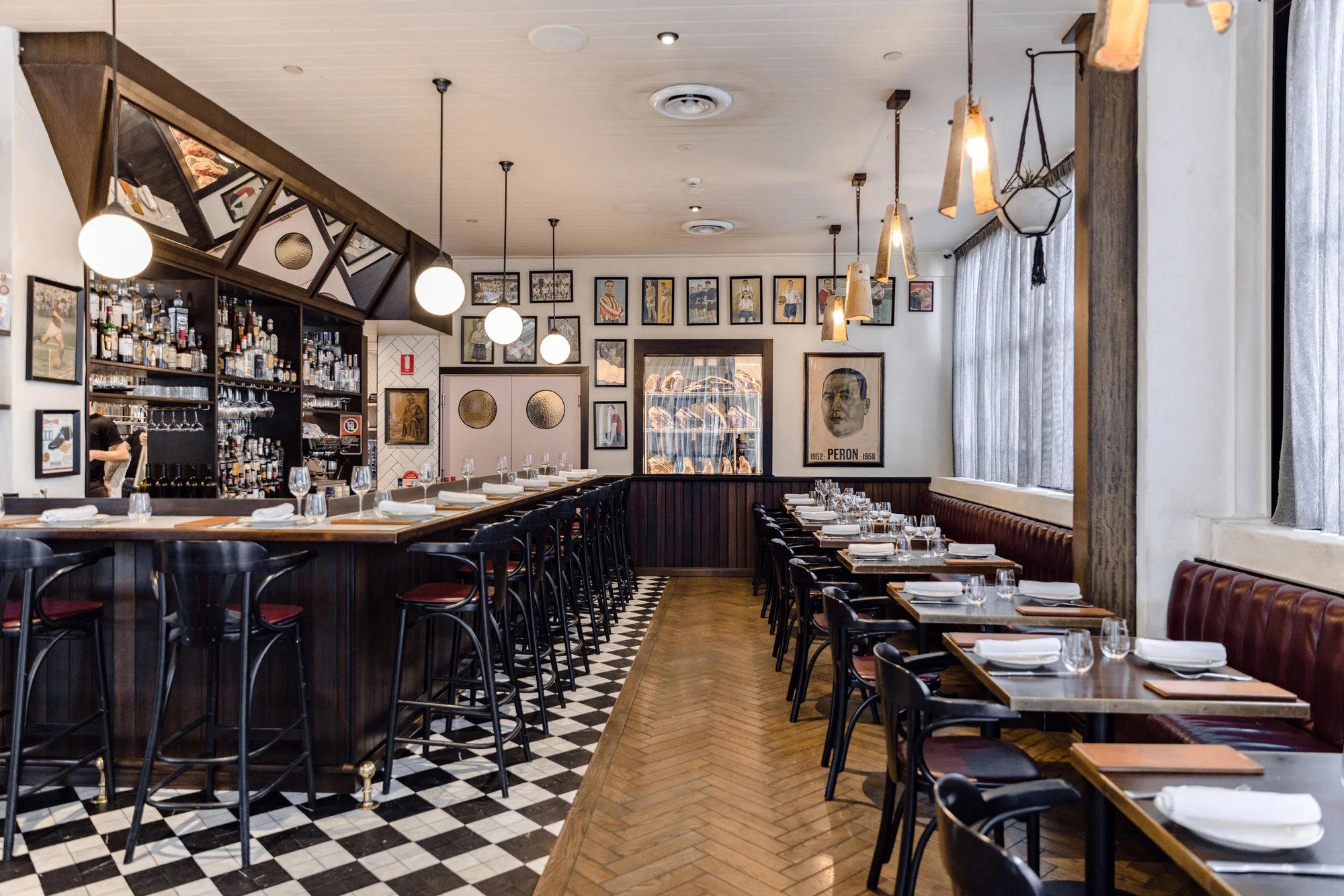
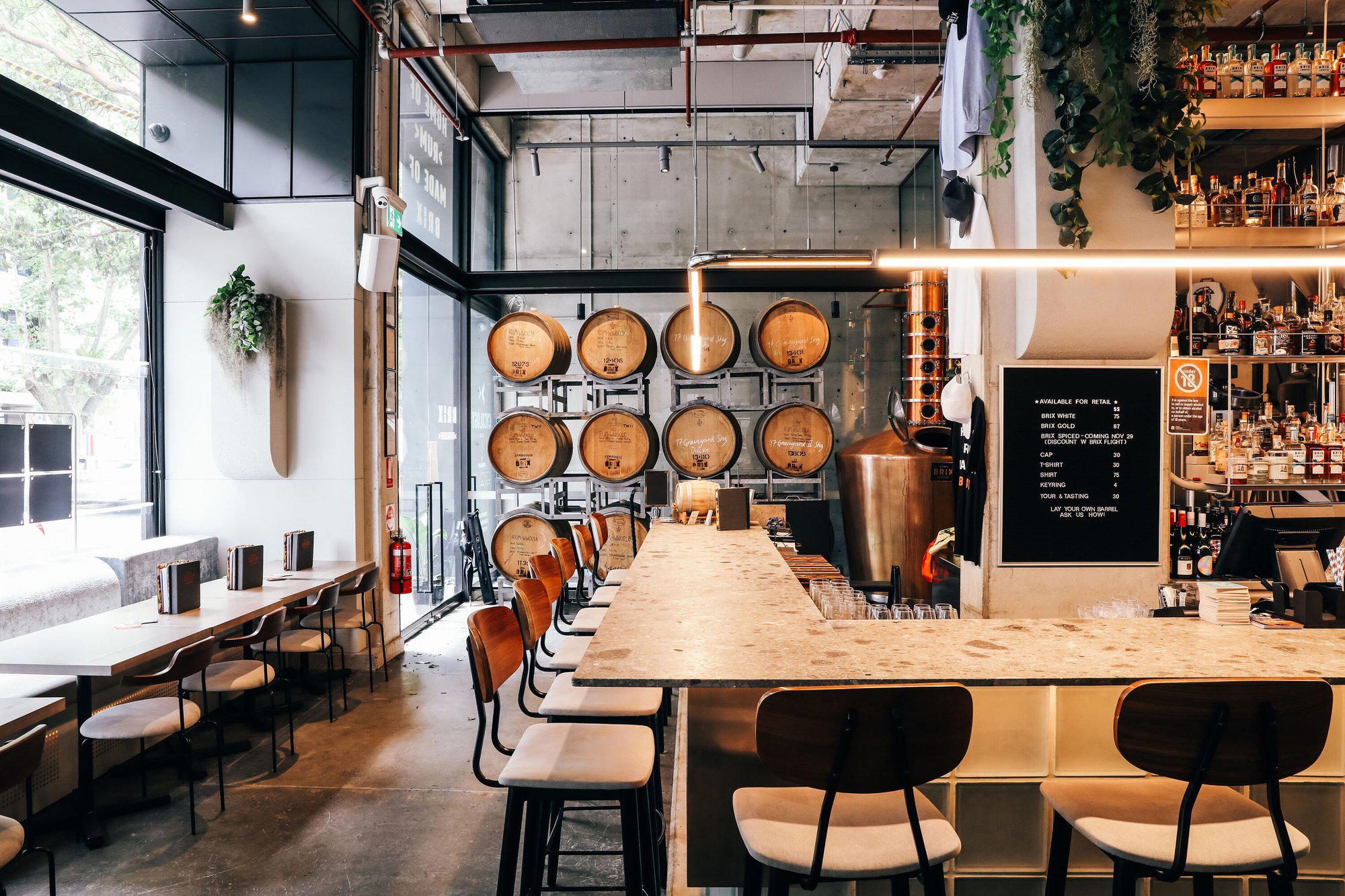
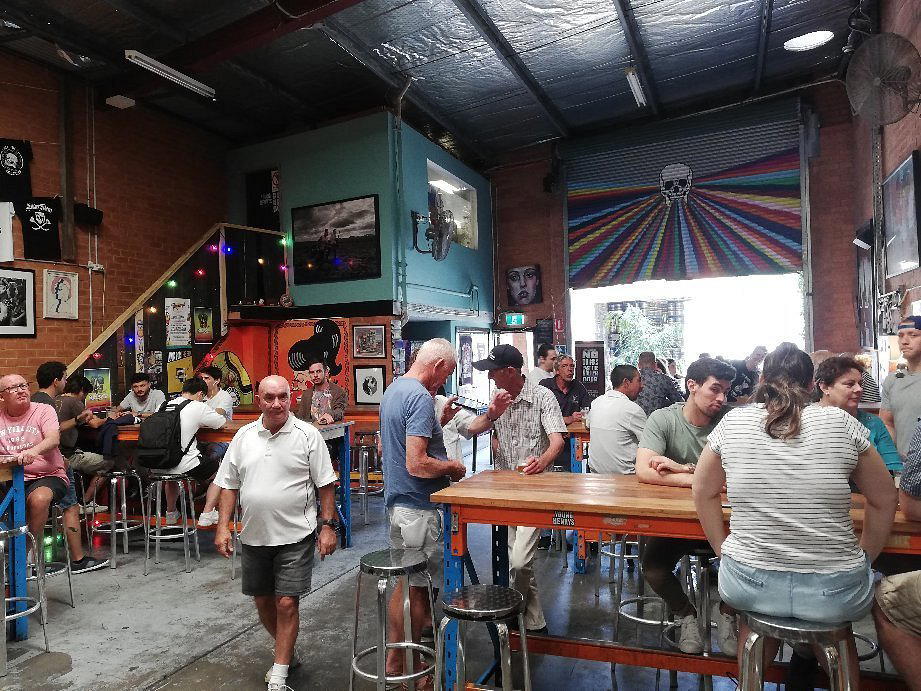
Inviting two-level space with designer wood decor and a trendy interior, well-suited for sharing plates in a modern atmosphere.