Eastwood's Yakiniku Tradition, at the Counter Level Level 1 of a low-rise building on Hillview Road is not where Sydney's dining press tends to focus its attention. Eastwood, a suburb about 18 kilometres northwest of the CBD, has built its food...
Pearl is the En Primeur Club membership app — saves, bookings, and concierge access live there. Same editors, same standards.
- Address
- level 1/6 Hillview Rd, Eastwood NSW 2122, Australia
- Phone
- +61423333088
- Website
- takumiyakiniku.com.au
- Directions
- Get directions
 Saves & bookings on Pearl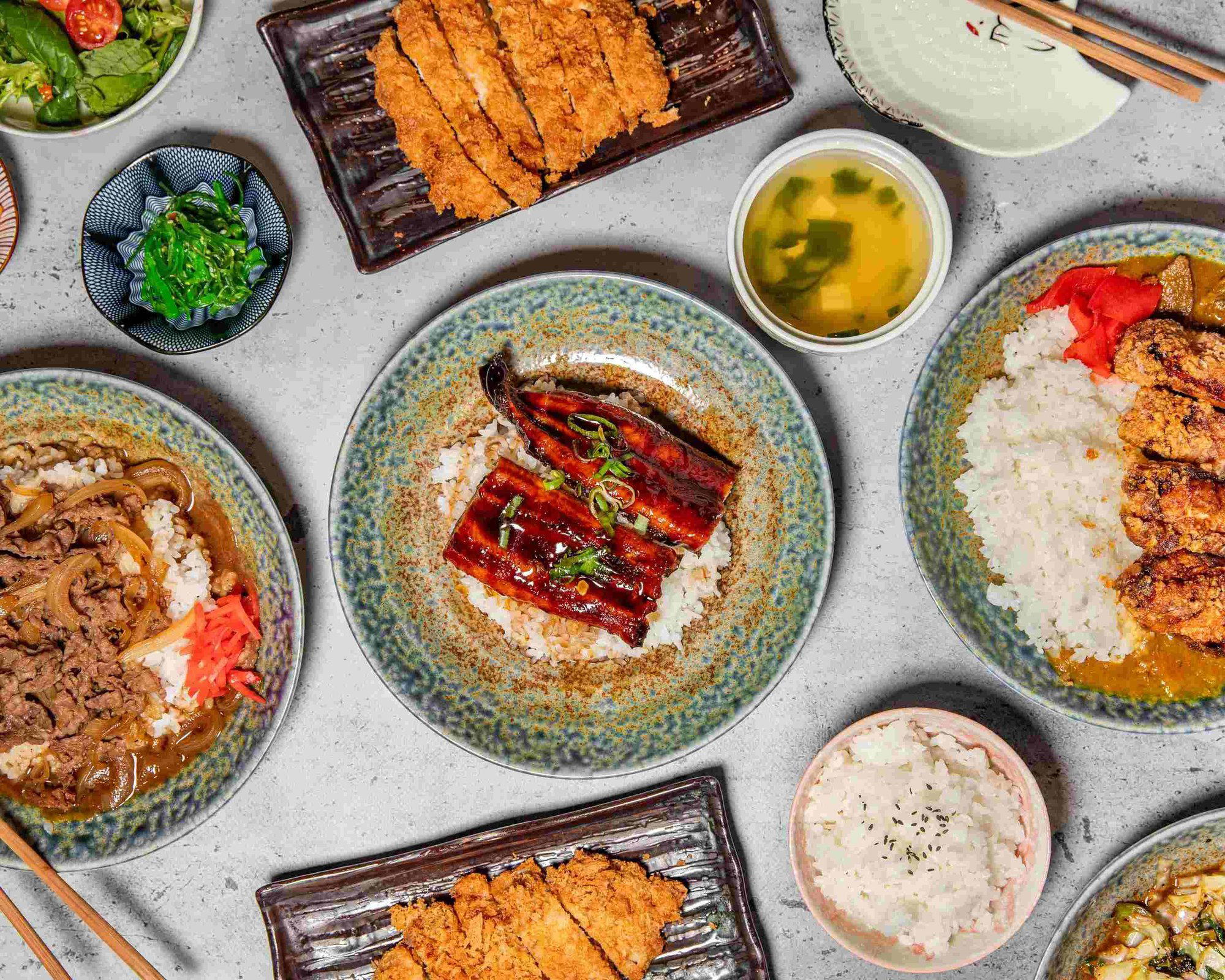
Eastwood's Yakiniku Tradition, at the Counter Level
Level 1 of a low-rise building on Hillview Road is not where Sydney's dining press tends to focus its attention. Eastwood, a suburb about 18 kilometres northwest of the CBD, has built its food reputation on concentration rather than theatre: the blocks around Rowe Street form one of the densest Korean and Chinese dining corridors in New South Wales, where the measure of a restaurant is repeat business from the neighbourhood rather than a review cycle driven by proximity to Circular Quay. Takumi Yakiniku sits inside that tradition. The address tells you something about the intended audience: not the Surry Hills weekend diner in search of novelty, but the family that has been coming back for years because the grill works and the cuts are right.
Yakiniku as a format arrived in Australia from Japan, where it developed as an adaptation of Korean barbecue, then evolved its own identity around tableside charcoal grills, thinly sliced premium beef, and an ordering logic that rewards regulars. The format rewards repetition in a way that tasting-menu dining does not: once you know which cuts you prefer, which dipping sauces suit which marbling grades, and how long each piece needs on a specific grill, the meal becomes a practised ritual rather than an exploration. That is precisely what pulls loyal diners back, and Eastwood's concentration of Asian restaurants means the local clientele arrives already fluent in the format.
What the Regulars Know
In yakiniku, the gap between a first visit and a fifth is significant. First-timers often over-order, misjudge grill timing, and leave the table before the rhythm of the meal has settled. The regulars at a suburban venue like Takumi Yakiniku tend to arrive with a settled order in mind: a core selection of cuts they trust, a pace that lets the grill recover between rounds, and the confidence to steer newer guests through the process. That accumulated knowledge is, effectively, the unwritten menu, and it is the reason the dining room at a well-run yakiniku tends to feel cohesive even when individual tables are at completely different points in their meal.
The Eastwood dining corridor rewards this kind of loyalty because the suburb functions more like a neighbourhood than a destination. Diners who live or work nearby develop preferences across multiple venues, which makes cross-venue comparison a practical habit rather than an occasional exercise. In that context, consistency matters more than ambition. A yakiniku counter that delivers the same quality of beef and the same grill conditions across a hundred consecutive visits holds more value in the regulars' calculus than a menu that rotates for the sake of novelty. The comparison set here is not Rockpool or Saint Peter, where the editorial conversation is about Australian produce and chef ambition. It is other suburban yakiniku and Korean barbecue operators in the same corridor, judged on cut quality, grill maintenance, and the ability to handle a table of eight as efficiently as a table of two.
The Broader Sydney Yakiniku Picture
Sydney's Japanese dining scene has expanded considerably over the past decade. The city now has a credible tier of omakase counters in the CBD and inner suburbs, and the premium Japanese segment has attracted investment in technique, sourcing, and physical design. Yakiniku occupies a different register: less chef-driven, more format-driven, and anchored to a dining experience where the guest has more agency over the outcome. That distinction matters for how you read the sector. The restaurants drawing media attention in Sydney's Japanese dining space, including venues with Michelin-equivalent recognition at the Atomix level in comparable cities, operate on an entirely different model from a suburban tableside-grill operation. Both are legitimate, but they answer different questions.
For context on how Sydney's dining scene is structured more broadly, the full Sydney restaurants guide maps the tiers from casual neighbourhood dining through to formal fine dining. Eastwood sits firmly in the neighbourhood tier, and that positioning is a feature, not a limitation. The suburbs northwest of the CBD, including Eastwood, have a dining density that inner-city neighbourhoods rarely match for specific cuisines. Venues like Bayly's Bistro in Kirribilli and bills in Bondi Beach represent the inner-city neighbourhood model; Eastwood's corridor represents something with more ethnic-culinary concentration and less lifestyle signalling.
The comparison extends beyond Sydney. In Melbourne, Attica and Brae in Birregurra represent the destination-dining end of the Australian spectrum, where the journey is built into the value proposition. Suburban yakiniku operates without that framework. The journey is routine; the value is in the grill itself.
Format and the Tableside Grill
Yakiniku's tableside format creates a social dynamic that few other restaurant styles match. The grill becomes a shared focal point, and the act of cooking each piece individually slows the meal in a way that encourages conversation. Families use this feature differently from couples or groups of colleagues: for a family meal, the grill becomes a collaborative task, with different members taking charge of different cuts; for a group, it becomes a social lubricant. The format is genuinely versatile in ways that a plated tasting menu is not, which partly explains why it sustains loyal repeat business across different group configurations.
The venue's location on Level 1 means the physical approach involves a flight of stairs rather than a ground-floor entrance, a small but real signal about the venue's orientation: this is not a walk-in impulse stop but a destination within the neighbourhood, the kind of place you decide to visit before you leave home. That threshold, minor as it is, filters the clientele toward people who already know where they are going. In a dining corridor as concentrated as Eastwood's, that is a meaningful distinction from the ground-floor operators competing for foot traffic.
Sydney's wider dining community has been tracking venues like Johnny Bird in Crows Nest and 10 William St as expressions of distinct neighbourhood dining identities. Eastwood's identity is its concentration, and Takumi Yakiniku is part of that fabric. Other reference points across the state, including Kulcha Restaurant in Wollongong and Hungry Wolfs in Newcastle, demonstrate how regional New South Wales dining has developed its own neighbourhood anchors outside the Sydney metro conversation. Takumi Yakiniku belongs to the same logic: local loyalty over destination ambition.
Planning Your Visit
Eastwood is accessible by train on the T1 North Shore and Western line, with Eastwood Station a short walk from Hillview Road. The venue is on Level 1 at 6 Hillview Road, so account for the staircase if accessibility is a consideration. No booking method, phone number, or website is publicly listed through EP Club's database at time of publication; the safest approach is to visit in person or check current listings for updated contact details. Given the venue's position in a high-traffic suburban dining corridor, weekends and early evening slots on weekdays tend to draw the densest local traffic.
For broader Sydney planning, 10 Pounds and 1021 Mediterranean represent the inner-city end of the spectrum, while 10 William St covers the wine-focused casual tier. For fine dining reference further afield, both Le Bernardin in New York City and Bar Carolina in South Yarra sit in a different register entirely. Takumi Yakiniku answers a specific question: where to go in northwest Sydney for tableside Japanese barbecue in a neighbourhood that takes the format seriously.
Quick reference: Takumi Yakiniku, Level 1/6 Hillview Rd, Eastwood NSW 2122. No phone or website confirmed at time of publication.
Continue exploring
More in Sydney
Restaurants in Sydney
Browse all →
Bars in Sydney
Browse all →
Hotels in Sydney
Browse all →

At a Glance
- Modern
- Elegant
- Group Dining
- Open Kitchen
- Sake Program
Current opening hours
- Monday
- 5:30–9:30 PM
- Tuesday
- 5:30–9:30 PM
- Wednesday
- 11 AM–9:30 PM
- Thursday
- 11 AM–9:30 PM
- Friday
- 11:30 AM–10 PM
- Saturday
- 11:30 AM–10 PM
- Sunday
- 11:30 AM–9:30 PM
Hours can change for holidays and private events. Last verified .
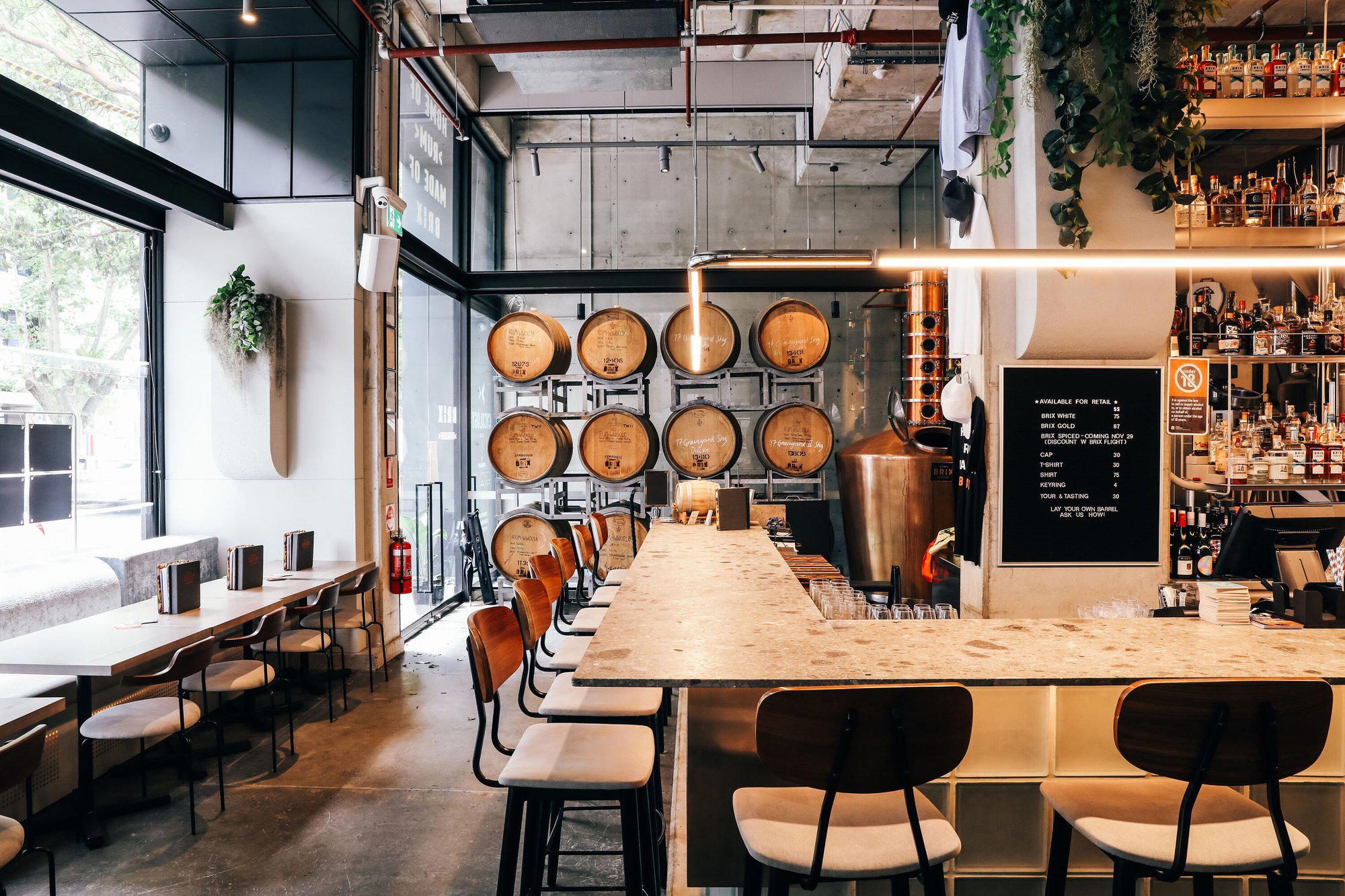
Harmonious dining environment with moderate noise levels, focused on authentic Japanese BBQ experience.
Know Before You Go
- Getting there
- level 1/6 Hillview Rd, Eastwood NSW 2122, Australia