
Tabelog Bronze #402
Our verdict
A Tabelog Bronze Award winner for four consecutive years (2023–2026) and twice selected for the Tabelog Japanese Cuisine EAST Top 100, Shinchaya in Oshu, Iwate serves kaiseki-rooted Japanese cuisine with a noted focus on eel and premium fish. Operating on a reservation-only basis, with full private room configurations and a price point of JPY 20,000–29,999 per person, it represents the serious end of regional Japanese dining well outside Japan's major urban corridors.

Pearl is the En Primeur Club membership app, where members save venues, book tables and use the concierge.
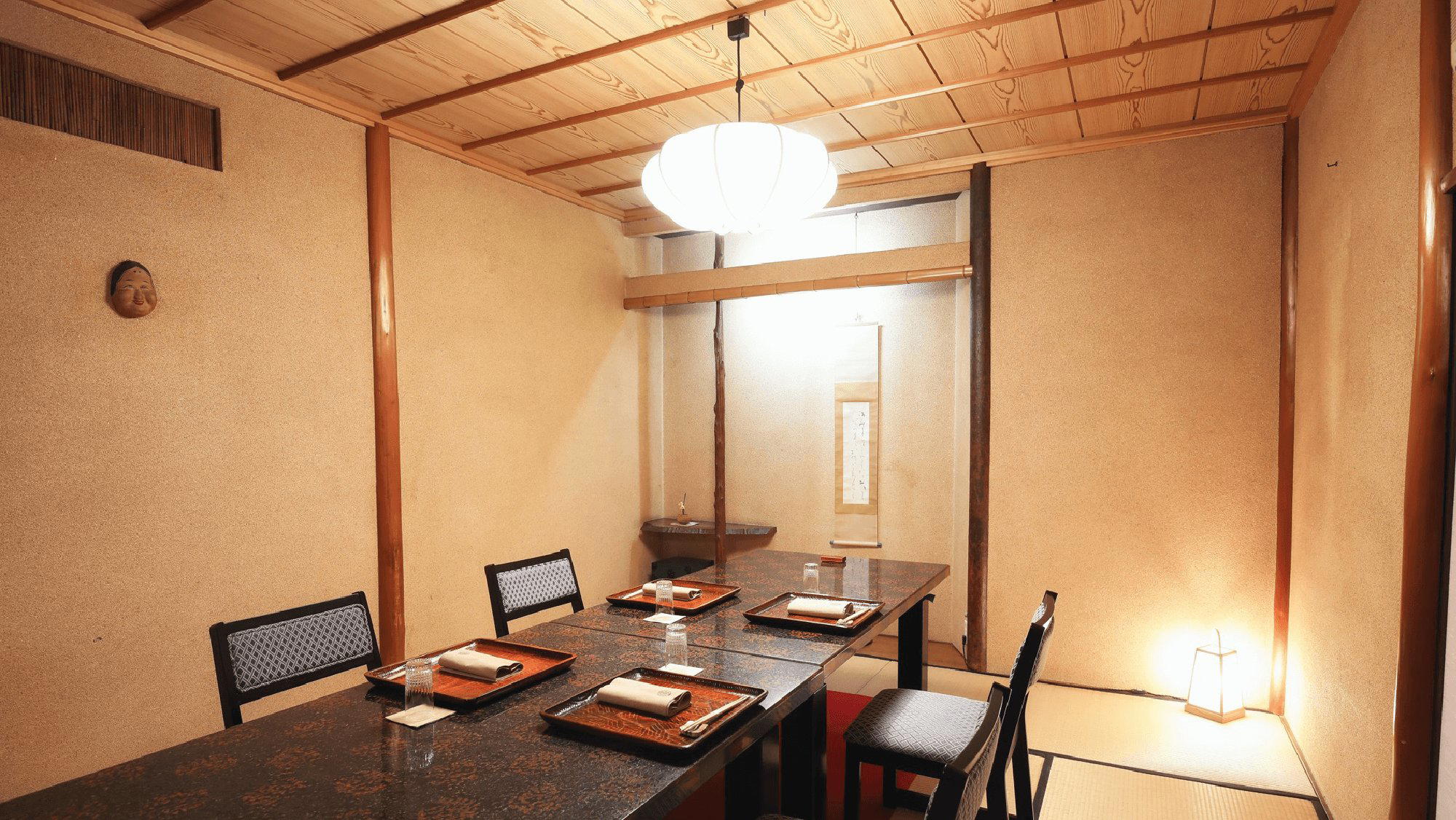
Regional Japanese Dining at Its Most Deliberate
There is a particular quality to serious Japanese restaurants that operate far from Tokyo's dining circuit. Without the gravitational pull of Michelin inspectors or international food media, they tend to develop on their own terms, answering to the community around them and to the internal logic of the cuisine itself. Shinchaya, located in Oshu city in Iwate Prefecture, belongs to that tradition. It has earned Tabelog Bronze Award recognition in four consecutive years, from 2023 through 2026, and has been selected twice for the Tabelog Japanese Cuisine EAST Top 100 list, in 2023 and 2025. A Tabelog score of 4.31 places it well above the threshold for serious regional consideration. These are not credentials manufactured for visitors; they reflect sustained local recognition over time.
Oshu sits roughly 12 minutes by car from Mizusawa-Esashi Station in southern Iwate, a prefecture better known internationally for its sake production, coastal seafood, and mountain-fed river systems than for its restaurant culture. That context matters. A JPY 20,000–29,999 price point per person, applied equally to both lunch and dinner, positions Shinchaya at the upper register of the region's dining options, comparable in spend, if not in format, to kaiseki tables in Kyoto or high-end Japanese cuisine restaurants in Tokyo such as Harutaka in Tokyo. For visitors travelling through Tohoku rather than concentrating on Japan's metropolitan corridor, this is where the spending makes sense.
The Cultural Logic of Kaiseki and Eel Outside the Cities
Japanese cuisine at this level draws on two distinct but intertwined traditions. The kaiseki framework, a sequence of small courses built around seasonality, visual composition, and the logic of contrast, has its canonical home in Kyoto, where restaurants like Gion Sasaki operate within a centuries-old civic dining culture. But kaiseki thinking has always travelled. It moves with trained practitioners, and it adapts to local produce without losing its structural principles. The option for Cha Kaiseki at Shinchaya, available upon discussion, signals alignment with that broader tradition rather than a simplified version of it.
Unagi, freshwater eel, occupies its own cultural register in Japanese cuisine. It is both a regional staple and a prestige ingredient, with preparation methods varying sharply between the Kanto style (steamed before grilling, producing a softer texture) and the Kansai style (grilled directly without steaming, yielding a crisper exterior). In Tohoku, the preference tends toward preparations that let the fish's natural richness carry the dish. The same attentiveness to raw material is evident at the coastal fish-focused end of high-end Japanese dining more broadly, from Aji Arai in Oita to Goh in Fukuoka.
The availability of Shojin Ryori, Buddhist vegetarian cuisine, for discussion adds a further layer. Shojin Ryori is among the most technically demanding branches of Japanese cuisine, with roots in Zen temple cooking. Its presence as an option, rather than a concession, positions Shinchaya within a range of Japanese culinary traditions that extends well beyond the mainstream urban izakaya or casual kaiseki format.
The Space and Its Configurations
The physical setup at Shinchaya reflects a dining culture that prizes enclosure and intimacy. All rooms are private, structured around chairs and tables rather than floor-level seating, with configurations for groups of 2 through to parties of 30 or more in the large hall. The total capacity is 30 seats across booth, intermediate, and large hall configurations, and the space can be taken for private use in full for parties from 20 to over 50 people. The tatami room is available, and guests should be prepared to remove shoes on entry, socks or stockings are required, which the restaurant notes explicitly.
This kind of architecture is common in serious Japanese regional dining establishments: the private room model removes the social pressure of the open dining room and creates an atmosphere calibrated to the occasion. It also makes the space adaptable in a way that a counter-only restaurant cannot be, Shinchaya is listed as recommended for both family occasions and business dining, two contexts that sit in productive tension in formal Japanese hospitality. The counter seats are reserved for children capable of eating the same menu as adults, which reflects the house's commitment to the counter as a focused dining position rather than a casual perch.
Drinks, Format, and the Broader Picture
The drinks list at Shinchaya reflects the regional character of Iwate's drinking culture. BYO is also available, which is unusual at this price point and gives the table more control over the drinking side of the meal.
Payment flexibility is broad: Visa, Mastercard, JCB, American Express, Diners Club, electronic money, and PayPay are all accepted. The service charge of 10% is added on top of the listed prices, which means the effective per-person spend sits closer to JPY 22,000–32,999 fully serviced. Parking is available, which matters in a location that is primarily car-accessible from Mizusawa-Esashi Station.
For context within Japan's restaurant scene, the Tabelog Top 100 Eastern Japan selection puts Shinchaya in the same editorial tier as regionally prominent Japanese cuisine restaurants across the Tohoku and Kanto areas. It is not operating in the same format as multi-starred urban kaiseki counters like HAJIME in Osaka or akordu in Nara, but the recognition framework places it within the serious tier of Japanese dining outside the major cities, comparable in local standing to what affetto akita in Akita or Ristorante SHIKAZAWA represent in their respective categories within the Tohoku region.
Planning Your Visit
Shinchaya operates on a reservation-only basis, seven days a week including public holidays, with lunch from 12:00 to 15:30 (last entry 13:30) and dinner from 17:30 to 22:00 (last entry 19:30). Single diners on weekdays require a phone call or Instagram DM to reserve. Groups of seven or more, or those wishing to use the large hall, must contact the restaurant directly. The 30-minute cancellation window is enforced: if the restaurant cannot reach a party that has not arrived within half an hour of their reservation time, the booking may be treated as a cancellation. Arrivals running late should call ahead.
The dress code asks guests to avoid heavy perfume or fabric softener, a request driven by consideration for neighbouring tables rather than formality, and the shoe-removal policy applies throughout. For anyone planning a broader trip through the Tohoku region, the full Iwate restaurants guide provides wider context, and EP Club's guides to Iwate hotels, Iwate bars, Iwate wineries, and Iwate experiences cover the broader region in the same editorial frame.
Frequently asked questions
Where is Shinchaya in Iwate?
Shinchaya is located at 3 Chome-11-18 Senboku, Morioka, Iwate 020-0861, Japan, Iwate.
When can I go to Shinchaya?
Hours at Shinchaya: Mon, Tue, Wed, Thu, Fri, Sat, Sun, Public Holiday, Day before public holiday, Day after public holiday 12:00 - 15:30 17:30 - 22:00.
What distinctions does Shinchaya have?
Shinchaya has received recognition including:
What should I eat at Shinchaya?
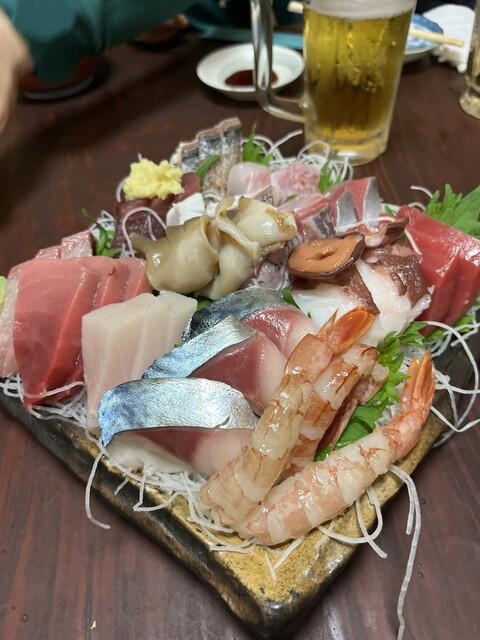
Tabelog lists Shinchaya under two categories: Japanese Cuisine and Unagi (Eel). Shojin Ryori and Cha Kaiseki are available upon request and consultation, giving the kitchen range beyond a single format.
What's the standout thing about Shinchaya?
Four consecutive Tabelog Bronze Awards (2023–2026) and two selections for the Tabelog Japanese Cuisine EAST Top 100 (2023 and 2025) place Shinchaya among the most consistently recognised Japanese restaurants in the Tohoku region. A Tabelog score of 4.31 and a price point of JPY 20,000–29,999 per person for both lunch and dinner reinforce that position. For a reservation-only restaurant operating outside any major city, that track record is difficult to match in Iwate.
Booking and Cost Snapshot
Comparable venues nearby, for context on price, style, and recognition.
| Venue | Cuisine | Price | Awards | Notes |
|---|---|---|---|---|
| ShinchayaThis venue (the venue you are viewing) | Traditional Japanese Kaiseki | $100–150 | Tabelog Bronze #402 | Not listed |
| Ryuen | Yakiniku with Maesawa Beef | $30–50 | Tabelog 100 #1 | Mizusawa, Yakiniku with Maesawa Beef |
| Chinese jiu | Chinese Fine Dining | $50–100 | Tabelog 100 #57 | Hizume, Chinese Fine Dining |
| Steak Teppan Ryori Wakana Morioka honten | Teppanyaki Steakhouse | $50–100 | Tabelog 100 #19 | Morioka, Teppanyaki Steakhouse |
| Ristorante SHIKAZAWA | Modern Italian with Iwate Influences | $150–200 | Tabelog Bronze #372 | Morioka, Modern Italian with Iwate Influences |
| THE BURGER HEARTS | Gourmet hamburger & cafe | $10–20 | Tabelog 100 #9 | Sakari, Gourmet hamburger & cafe |
Recognition history
Dated appearances from independent guides and award organizations, with the underlying list record or original source where available.
Tabelog Bronze #402
Tabelog
Full recognition history (3 entries)
Tabelog 100 #55 · No. 55
Tabelog · Tabelog 100 - Japanese cuisine - EAST - 2025
Tabelog Bronze
Tabelog
Continue exploring
More in Iwate
Details
- Classic
- Elegant
- Cozy
- Special Occasion
- Business Dinner
- Historic Building
- Sake Program
- Local Sourcing
- Garden
- Set Menu
Current opening hours
- Monday
- 11 AM–9 PM
- Tuesday
- 11 AM–9 PM
- Wednesday
- Closed
- Thursday
- 11 AM–9 PM
- Friday
- 11 AM–9 PM
- Saturday
- 11 AM–9 PM
- Sunday
- 11 AM–9 PM
Hours can change for holidays and private events. Hours as of .
Traditional Japanese setting evoking ancient culture with warm hospitality and seasonal decor.