Izakaya Pau Hana Base
Izakaya Pau Hana Base occupies a Waikiki address on Seaside Avenue where the after-work izakaya format meets Hawaii's local-sourcing culture. The format sits between casual standing-bar izakaya and the more structured Japanese dining rooms found elsewhere on the island, making it a reference point for how Japanese drinking-food tradition adapts to a Pacific Island context.
Pearl is the En Primeur Club membership app — saves, bookings, and concierge access live there. Same editors, same standards.
- Address
- 407 Seaside Ave, Honolulu, HI 96815
- Phone
- +18084921280
- Website
- opentable.com
- Directions
- Get directions
 Saves & bookings on Pearl
The Izakaya Format in Honolulu: Context Before the Counter
Honolulu's Japanese dining scene has long operated on two tracks: the formal restaurant tier, represented by venues like Ginza Bairin and Fujiyama Texas, and the looser, drink-first izakaya tradition that arrived with Hawaii's Japanese immigrant community and never fully left. The izakaya format, built around small plates, cold beer, and long evenings rather than composed tasting progressions, sits in sharp contrast to the ceremonial dining rooms that anchor the higher end of the island's restaurant culture. Venues like 53 By The Sea or Fête (New American) operate in a fundamentally different register, one defined by occasion dining and composed service. The izakaya sits at the other end of that spectrum: convivial, informal, and organized around the logic of drinking rather than eating.
Izakaya Pau Hana Base on Seaside Avenue in Waikiki occupies that second track. The name itself signals intent: pau hana is Hawaiian pidgin for the end of the workday, borrowed directly from Japanese hana (work) and used across the islands as shorthand for the after-work unwind. That linguistic blend of Japanese and Hawaiian is not decorative. It maps a real cultural overlap that defines how the izakaya format functions differently in Honolulu than it does in, say, a residential neighborhood in Osaka or a basement bar in a Tokyo business district.
Waikiki's Seaside Avenue: What the Address Tells You
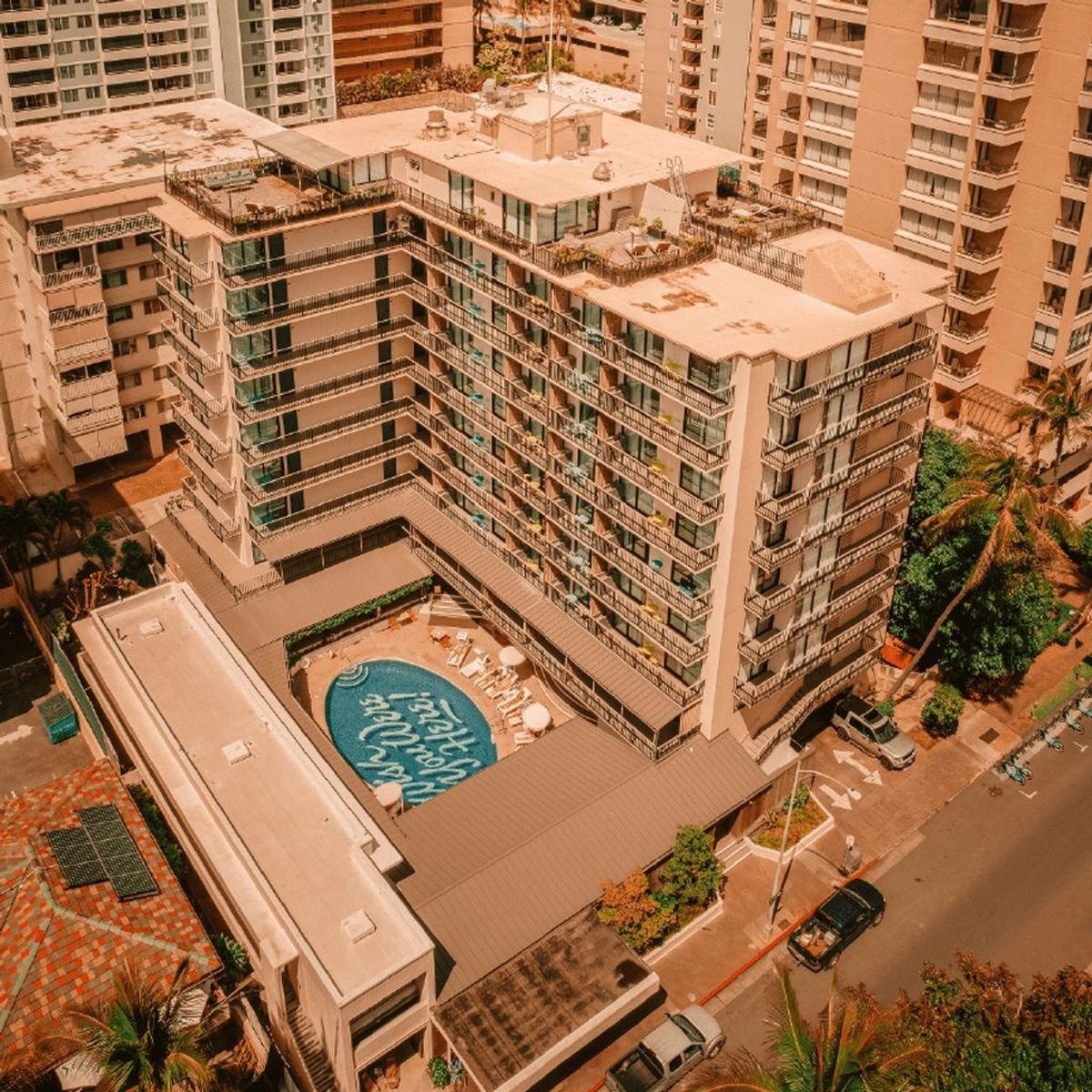
Seaside Avenue runs perpendicular to Kalakaua, the main artery through Waikiki, and the blocks closest to that intersection attract a mix of hotel guests, local workers, and residents navigating the neighborhood after hours. The address places Izakaya Pau Hana Base in a part of Waikiki where the tourism infrastructure is dense but the local audience is also real and present. That dual audience shapes what a venue on this street needs to offer: accessible enough for visitors unfamiliar with the format, consistent enough to hold regulars who are comparing it against other izakaya options across the island.
For visitors arriving from the hotel corridors of Kalakaua, the izakaya format can read as a contrast to the more polished dining experiences marketed by Waikiki's resort properties. Compared to the ceremony of an Ahaaina Luau or the special-occasion framing of 3660 On the Rise, an izakaya operates on a shorter, less structured decision cycle. You sit, you order a drink, the food follows incrementally. No fixed menu, no scheduled performance, no arc designed by the kitchen.
Sustainability and Local Sourcing in the Izakaya Frame
The broader conversation about sustainability in Honolulu's restaurant sector has accelerated over the past decade, driven partly by the islands' geographic isolation and the logistical cost of importing ingredients across the Pacific. For any venue operating in Hawaii, the distance between the plate and the source is not an abstract ethical consideration but a measurable economic and environmental variable. Shipping protein and produce thousands of miles into an island chain has real carbon and cost implications that mainland restaurants do not face at the same scale.
The izakaya format, with its emphasis on small plates and ingredient-led preparation, is structurally well-suited to local sourcing. The small-plate logic allows a kitchen to work with whatever is available from local fishers, farmers, and livestock producers without being locked into a fixed composed menu. Hawaii's fishing tradition runs deep, and an izakaya that sources from local fleets, whether through the Honolulu Fish Auction or direct relationships with day-boat operations, reduces both food miles and the pressure on cold-chain logistics. The same applies to the vegetable component of a typical izakaya menu: taro, sweet potato, bitter melon, and locally grown herbs are all available from Hawaiian farms and align naturally with the pickled, grilled, and braised preparations that define the format.
Across the United States, restaurants at the highest tier of sustainability practice have built operations around this logic. Blue Hill at Stone Barns in Tarrytown and Single Thread Farm in Healdsburg have each made farm-direct sourcing the structural foundation of their menus. The izakaya model does not require that level of vertical integration to achieve meaningful local sourcing; the format's inherent flexibility does much of the work.
For a Waikiki izakaya operating in 2024, the sourcing question is also a market differentiation question. Visitors who have eaten at Providence in Los Angeles or Le Bernardin in New York City arrive in Honolulu with established expectations around provenance and ingredient quality. An izakaya that can speak to its sourcing relationships operates in a more credible position with that audience than one that cannot.
How the Format Compares Across the Island
Within Honolulu's Japanese dining tier, the izakaya sits below the full-service restaurant in formality but above the fast-casual ramen or bento format in terms of time and investment. The cocktail-omakase hybrid represented by venues like Bar Maze on the island marks a separate evolution, one that borrows the counter format and curation logic of Japanese drinking culture but applies it at a significantly higher price and commitment level. The izakaya remains the more democratic expression of the tradition.
That positioning has a practical planning implication. The izakaya format generally operates with lower booking friction than composed-menu restaurants. Venues like Alinea in Chicago or Atomix in New York City require weeks or months of advance planning and function as fixed-commitment dining events. An izakaya on Seaside Avenue operates on a different clock, one closer to a bar with food than a ticketed experience.
Planning Your Visit
Izakaya Pau Hana Base is located at 407 Seaside Ave in Waikiki, within walking distance of the main hotel district along Kalakaua Avenue. Given the after-work and evening positioning of the izakaya format, the venue is logically suited to late-afternoon or evening visits rather than midday. Waikiki's foot traffic peaks in early evening, and arriving before the post-dinner surge generally means shorter waits and more attentive service. For visitors using the Honolulu dining scene as a base, our full Honolulu restaurants guide maps the full range of options from casual izakaya through to formal occasion dining. Current hours, pricing, and booking details are best confirmed directly with the venue before visiting, as operational details in Waikiki shift with seasonal demand.
How Izakaya Pau Hana Base Honolulu compares with similar nearby venues.
| Venue | Cuisine |
|---|---|
| natuRe waikiki | French |
| Zigu | Japanese |
At a Glance
- Cozy
- Trendy
- Lively
- Casual Hangout
- Late Night
- After Work
- Sake Program
- Beer Program
Current opening hours
- Monday
- 5 PM–12 AM
- Tuesday
- 5 PM–12 AM
- Wednesday
- 5 PM–12 AM
- Thursday
- 5 PM–12 AM
- Friday
- 5 PM–12 AM
- Saturday
- 5 PM–12 AM
- Sunday
- Closed
Hours can change for holidays and private events. Last verified .
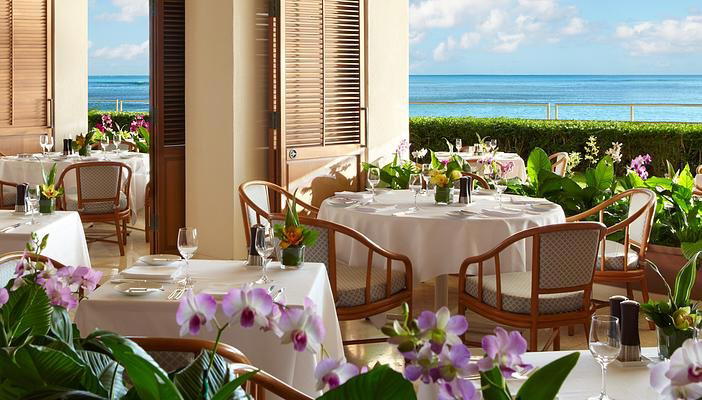
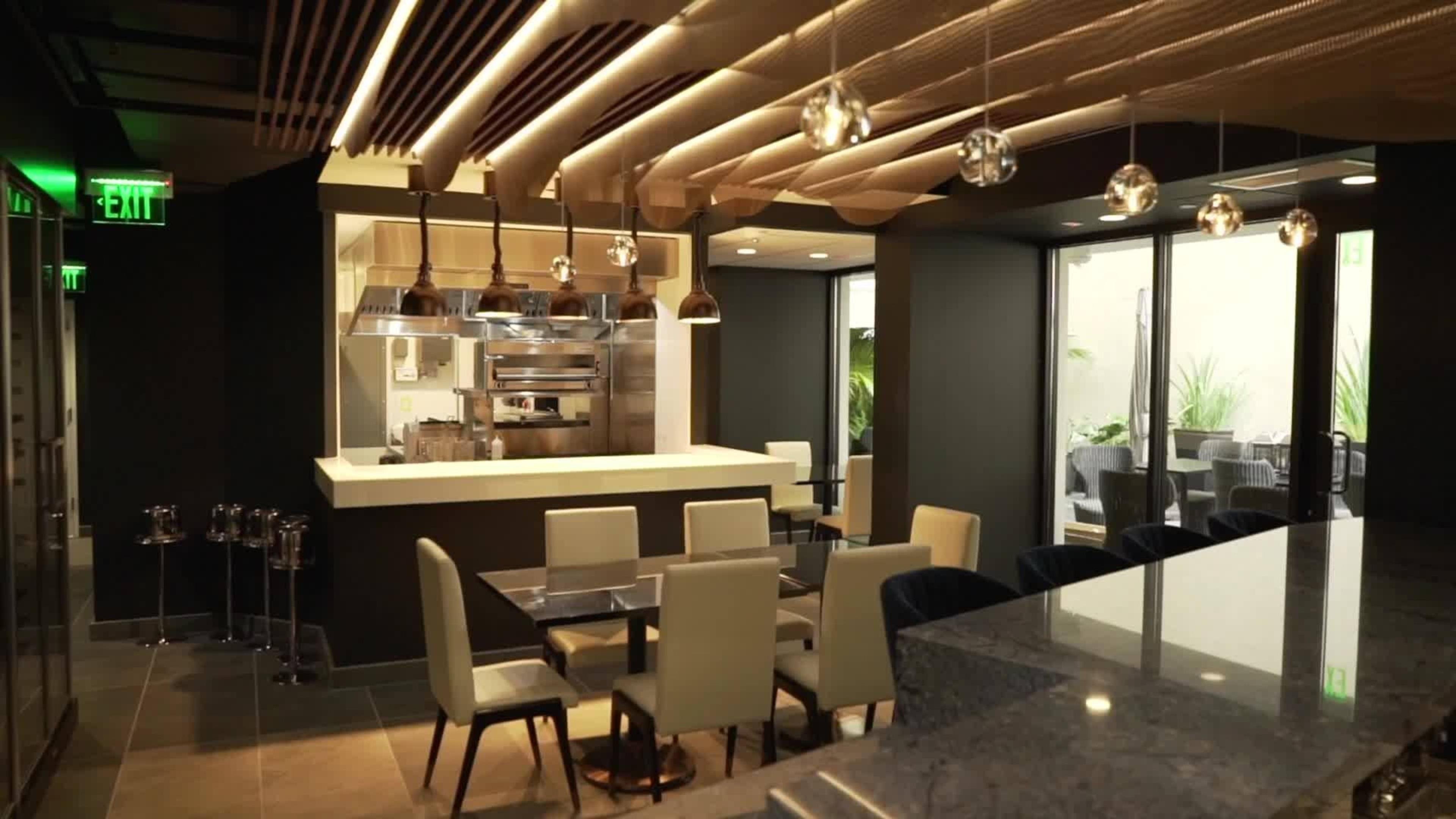
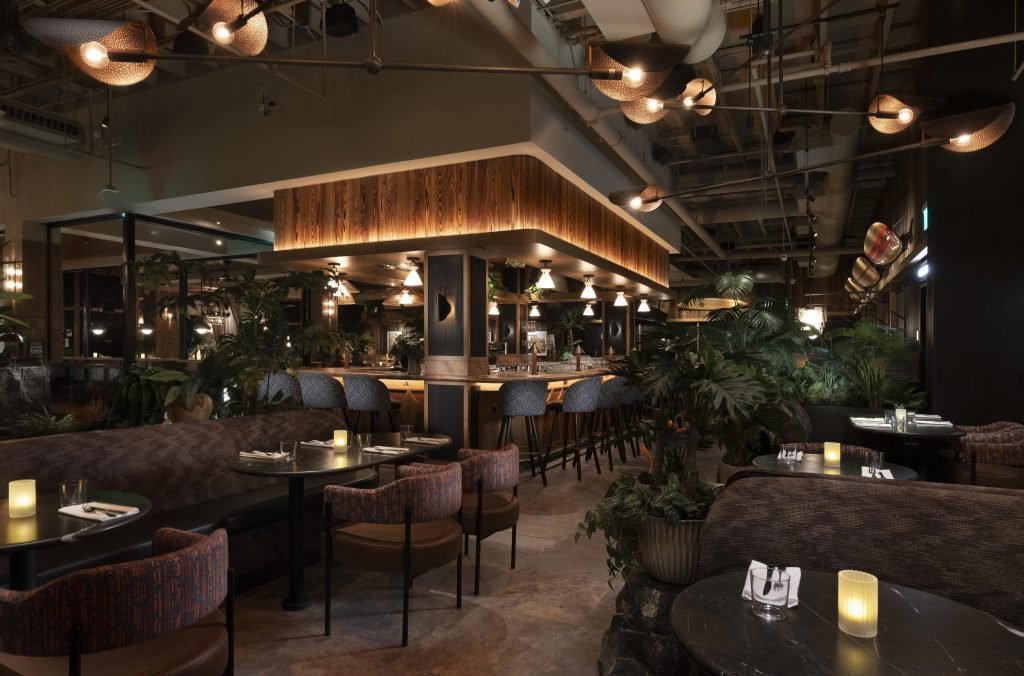
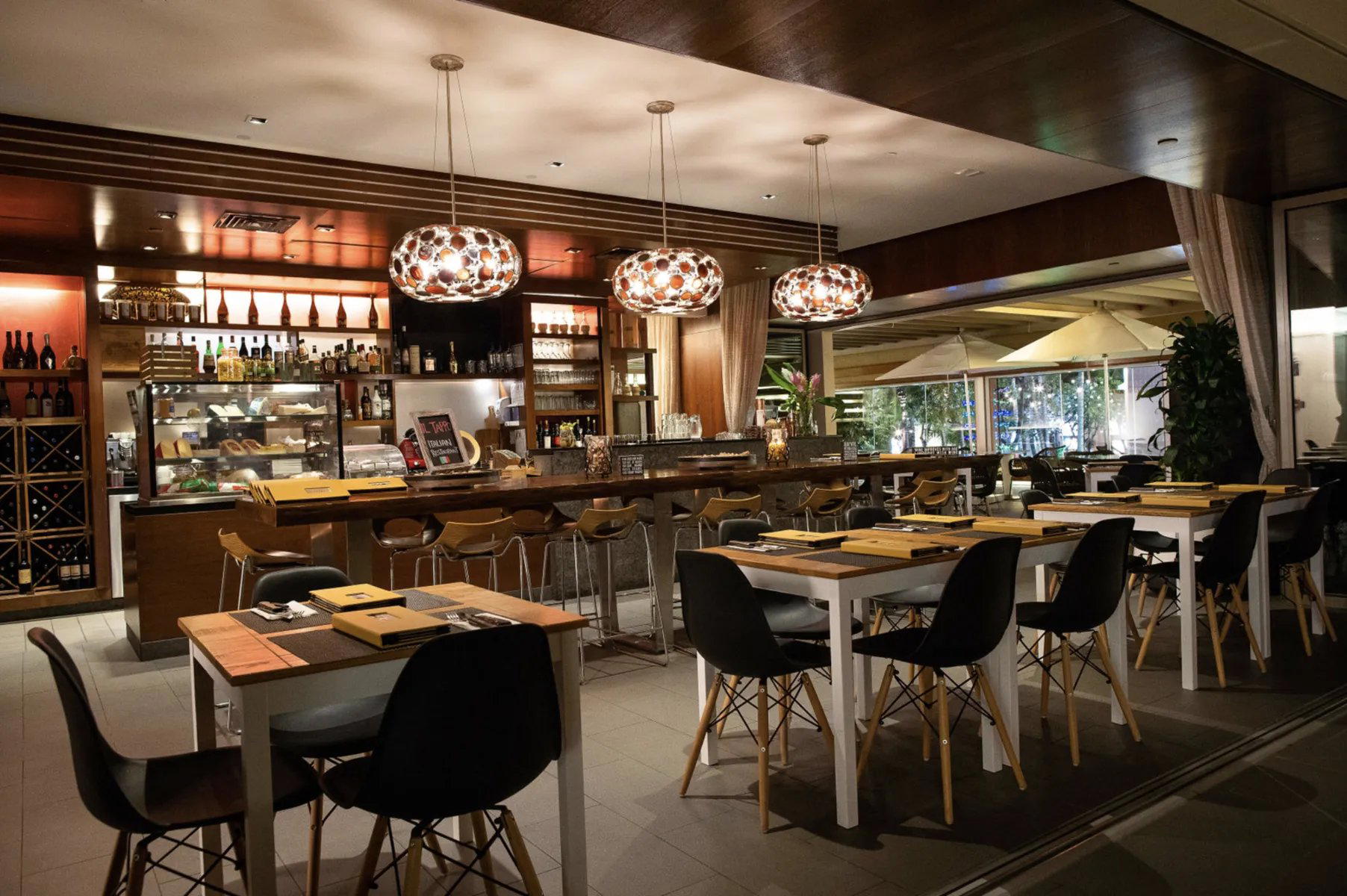
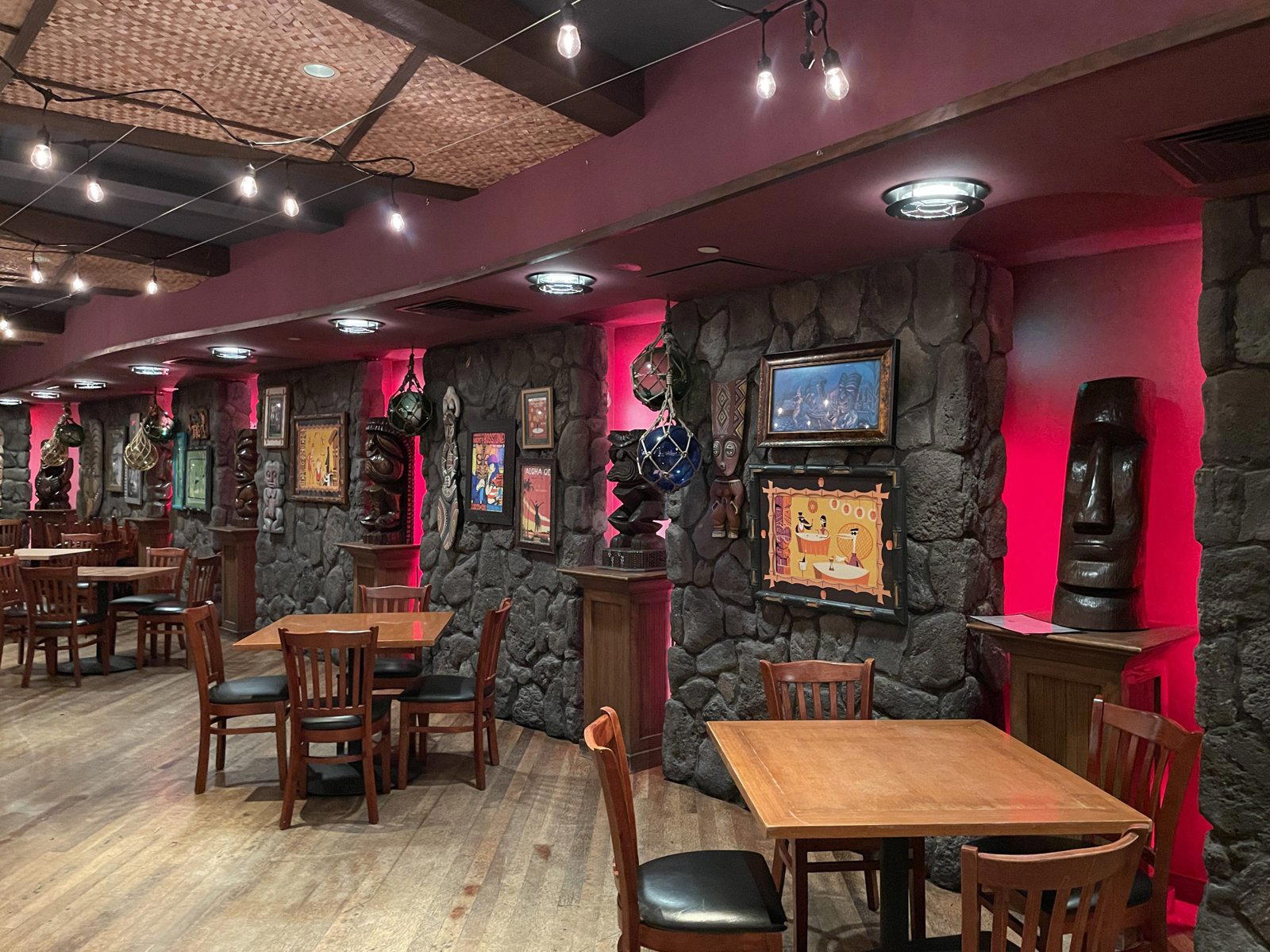
Cozy, relaxed, and authentic Japanese pub atmosphere with lantern-lined alley entrance and charming quirky decor.
Know Before You Go
- Getting there
- 407 Seaside Ave, Honolulu, HI 96815