Shi Yang
.png)
Set in the hills of Xizhi District, a short drive from central New Taipei, Shi Yang operates as an architect-designed retreat where seasonal ingredients, principally sourced from Japan, are prepared with precision and minimal intervention. The set-menu format centres on natural flavour and careful plating rather than technical complexity. A vegetarian menu is available with advance notice.
 Discover on Pearl
Pearl is the En Primeur Club membership app — saves, bookings, and concierge access live there. Same editors, same standards.
- Address
- 6, Lane 366, Section 3, Xiwan Road, Xizhi District
- Phone
- +886 2 2646 2266
- Website
- shi-yang.com
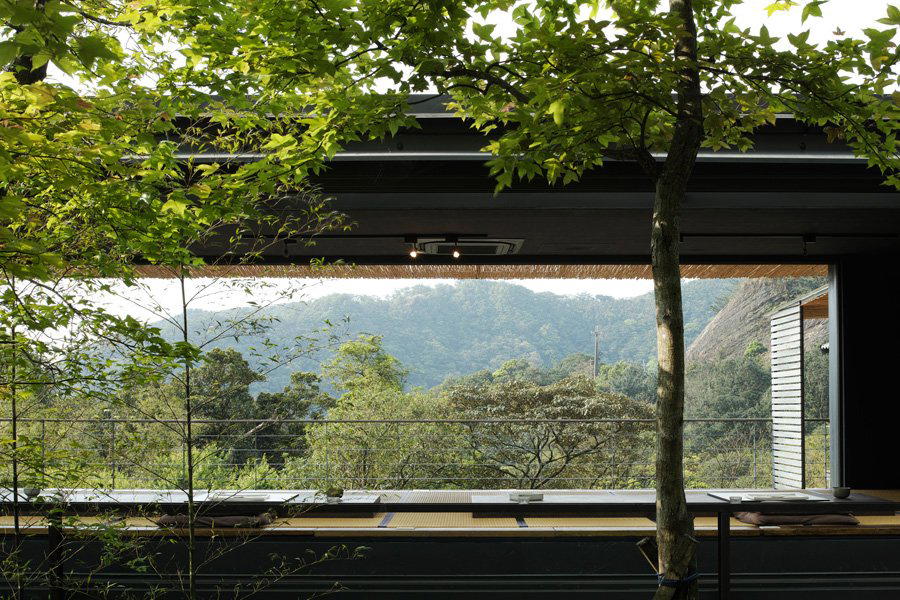
Where Restraint Becomes the Statement
Shi Yang is a contemporary Taiwanese kaiseki restaurant in Xizhi District, New Taipei, with a Google rating of 4.1 from 2,382 reviews and an average spend of about US$30 per person. Xizhi District sits at the edge of metropolitan New Taipei, where the city's density gives way to hillside terrain and tree cover. The building itself is a considered piece of spatial design, with a retreat format that asks visitors to slow down rather than perform the usual urban dining ritual. In Taiwan's broader fine-dining conversation, that physical remove is not incidental; it is the editorial position of the kitchen made literal.
The ryokan-inflected retreats of rural Japan, the mountain-set teahouses of Kyoto's outskirts, and Taiwan's own emerging category of nature-adjacent restaurants all operate on the same logic: remove the urban noise, and the food becomes more legible. Shi Yang positions itself squarely in that tradition. The natural flavours of ingredients are not obscured by heavy seasoning or complicated layering; instead, the preparation is described as simple yet meticulous, with presentation given the same attention that the sourcing receives.
The Sourcing Logic and What It Implies
Premium seasonal sourcing from Japan is a recurring signal in Taiwan's dining segment. At restaurants like logy in Taipei, Japanese-trained chefs and Japanese product networks have become a mark of ambition. The same sourcing signal appears at JL Studio in Taichung, where cross-cultural ingredient selection frames the menu's identity. What distinguishes Shi Yang's approach is not the sourcing alone but the philosophy it serves: ingredients imported for their seasonal peak are then handled with minimal intervention, which places the burden of quality entirely on the produce itself. There is nowhere to hide behind a sauce or a technique.
Fresh vegetables and seafood, prepared simply and plated with care, is a discipline that demands more from procurement than from the kitchen's technical arsenal. It is closer in spirit to the kappo tradition, where the cook's role is to clarify and present rather than transform. Shi Yang applies a similar premise at a retreat scale, in a geography that reinforces the point.
A Critical Framework for Recognising What Shi Yang Is
Taiwan's restaurant recognition circuit has, over the past decade, acknowledged a wider range of dining formats. Destination restaurants operating outside the capital, including Akame in Wutai Township and rural or semi-rural concepts built around indigenous ingredients or specific terroir, have drawn critical attention that earlier focused exclusively on urban addresses. The retreat format is increasingly read as a distinct category, one where the architecture, the location, and the kitchen philosophy form a coherent whole rather than existing as separate variables.
Shi Yang's profile fits this emerging recognition logic. An architect-owner who has built a space where nature, design, and food operate in alignment is not a casual arrangement; it is a programmatic decision with clear aesthetic consequences. The set-menu format, which fixes the guest's relationship to the meal and removes the distraction of à la carte choices, reinforces that authorial control. Across Taiwan's more considered dining addresses, from GEN in Kaohsiung to Zhu Xin Ju in Tainan, the set-menu discipline has become a shared language among kitchens that are making an argument rather than serving a market.
New Taipei's Dining Geography and How Shi Yang Fits
New Taipei is a city whose dining identity is frequently defined by contrast with Taipei proper. Where the capital concentrates its fine-dining and internationally recognised addresses in Daan, Zhongshan, and the hotel corridors of Xinyi, New Taipei spreads across a larger, more varied geography that includes coastal districts, mountain-adjacent neighbourhoods, and dense urban nodes like Banqiao and Zhonghe. Within that spread, places like Chi Yuan and Amajia represent different registers of the city's food culture, as do the street-facing casual formats of A Gan Yi Taro Balls and A-ba's Taro Ball, which anchor the city's popular dessert and snack culture in Jiufen and surrounding areas.
Shi Yang occupies a different register entirely. Xizhi District, while administratively part of New Taipei, sits northeast of Taipei city limits and is accessible by road from either city. The address on Xiwan Road, in a lane setting rather than a commercial strip, signals the retreat character from the first approach. For visitors spending time across the wider region, Shi Yang reads as a day-trip or evening destination from central Taipei or New Taipei, rather than a neighbourhood walk-in. The Volando Urai Spring Spa and Resort in Wulai District offers a comparable logic of nature-set dining in the wider New Taipei area, demonstrating that the appetite for this format extends across the city's mountain and river-adjacent zones.
Planning Your Visit
Reaching Shi Yang requires driving or arranging private transport; the lane address in Xizhi is not within easy walking distance of a metro station. Visitors coming from central Taipei should allow time for the drive, which positions the meal as a deliberate half-day commitment rather than a quick dinner outing. The set-menu format means there is no flexibility around what is served on a given visit, and guests with dietary requirements, specifically those wanting the vegetarian menu, need to communicate that preference when booking, as it is available only with prior notice. Reservations are required. For a parallel format at a comparable level of seriousness, the Malaysian-Chinese tasting-menu work at BAK KUT PAN offers an instructive contrast in how New Taipei's more ambitious kitchens are framing their identity. And for those charting Taiwan's broader restaurant geography, the ambition visible at Emeril's in New Orleans serves as a useful international reference point for how chef-driven destination restaurants establish authority outside a major culinary capital.
Side-by-Side Snapshot
Comparable venues nearby, for context on price, style, and recognition.
| Venue | Cuisine | Price | Awards | Notes |
|---|---|---|---|---|
| Shi YangThis venue — the venue you are viewing | Contemporary Taiwanese Kaiseki | $$$ | Michelin Plate | |
| JIA YEN | Greater Chinese: Cantonese-Shanghai-Sichuan-Zhejiang-Shaanxi Fusion | $$$ | Michelin Plate | Banqiao District |
| QING YA | Cantonese Chinese | $$$ | Michelin Plate | Banqiao District |
| Lao Hsu | Taiwanese and Jiangzhe Cuisine | $$ | Michelin Plate | New Taipei City |
| Superman | Taiwanese Small Eats | $$ | Bib Gourmand | Xindian District |
| Chi Yuan | Taiwanese Farm-to-Table | $$ | Michelin Plate | Gongliao District |
Continue exploring
More in New Taipei
Restaurants in New Taipei
Browse all →
Bars in New Taipei
Browse all →
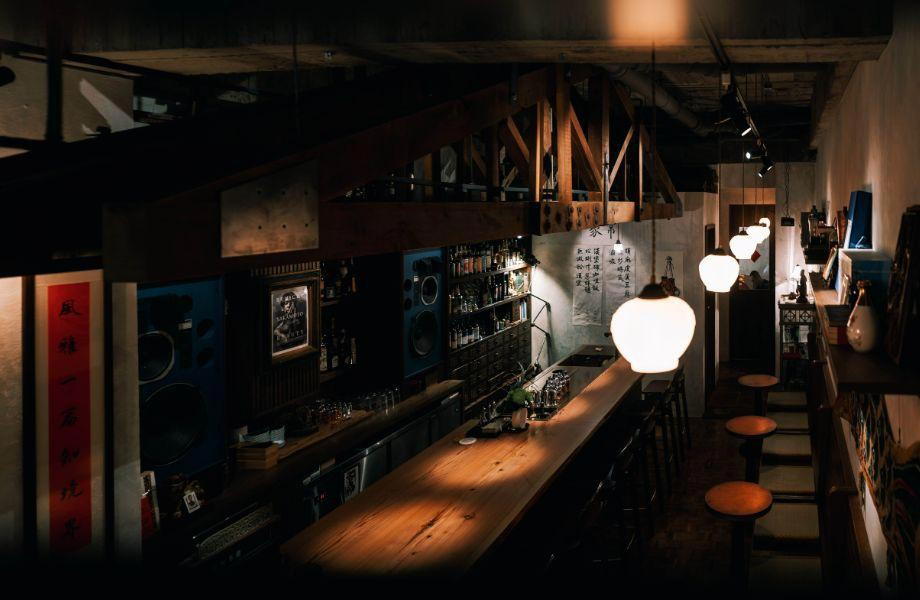
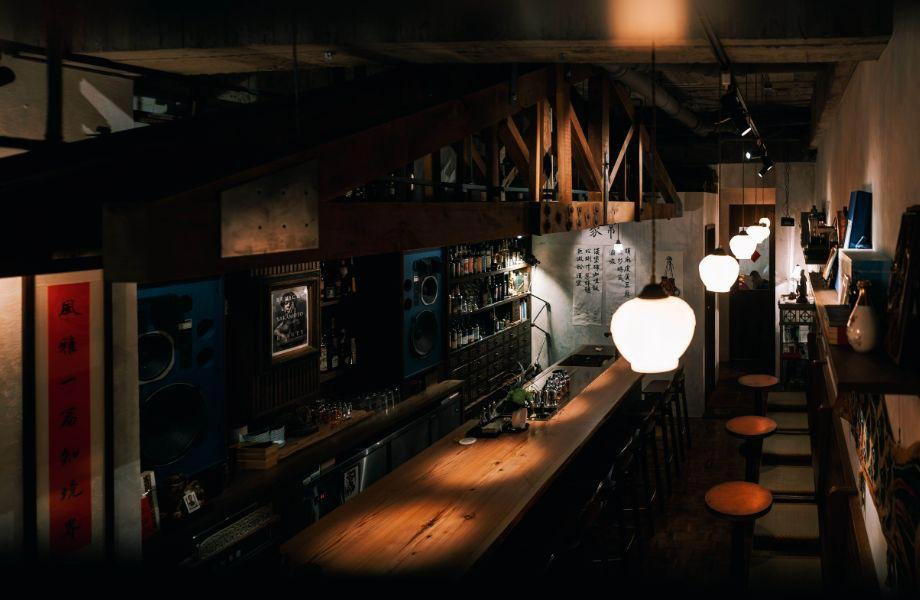
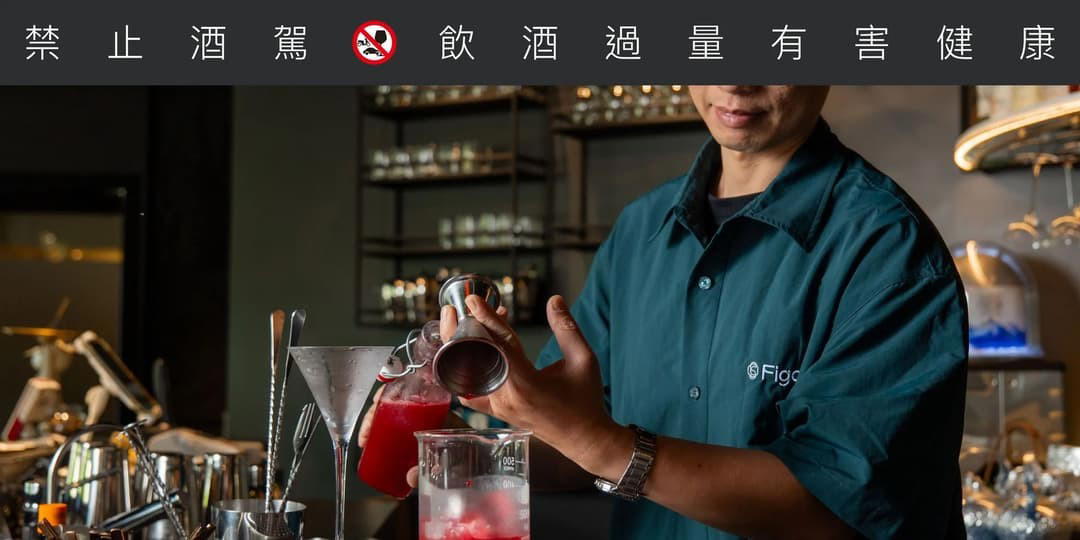
Hotels in New Taipei
Browse all →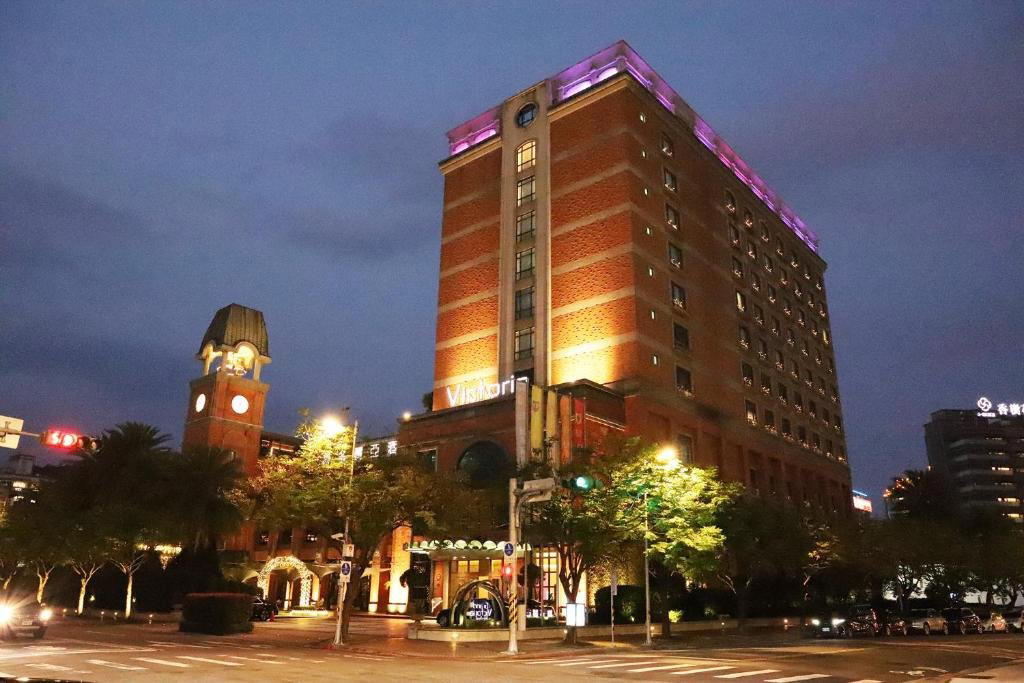
Wineries in New Taipei
Browse all →
At a Glance
- Quiet
- Scenic
- Elegant
- Minimalist
- Hidden Gem
- Intimate
- Special Occasion
- Date Night
- Celebration
- Group Dining
- Design Destination
- Garden
- Private Dining
- Panoramic View
- Standalone
- Corkage Allowed
- Byob
- Farm To Table
- Local Sourcing
- Organic
- Mountain
- Garden
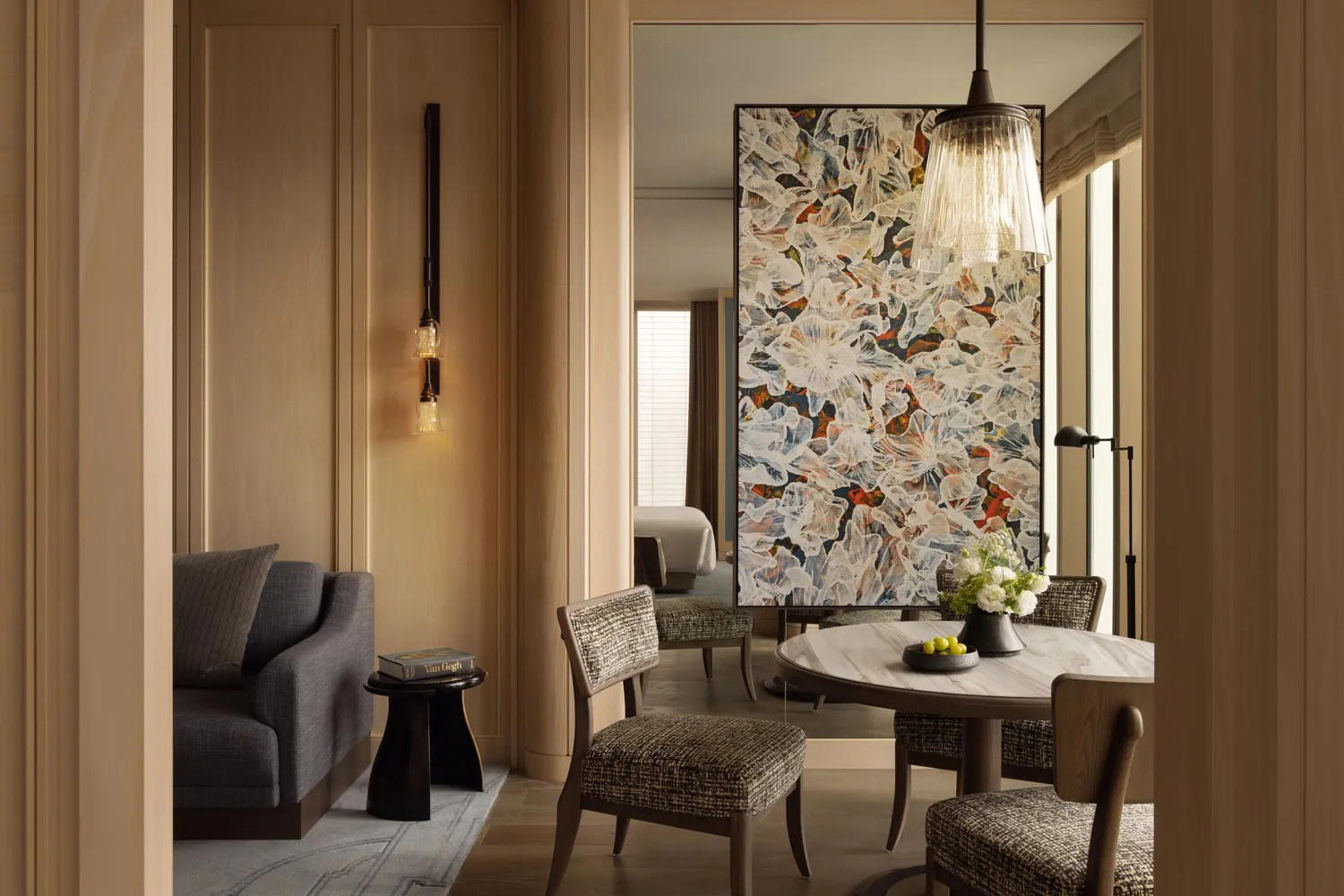
Minimalist Chinese Zen design with natural wood and black steel beams, soft lighting, mountain views, and an unhurried, contemplative atmosphere enhanced by fresh flowers presented with each course.