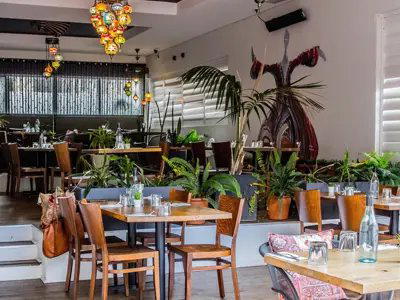
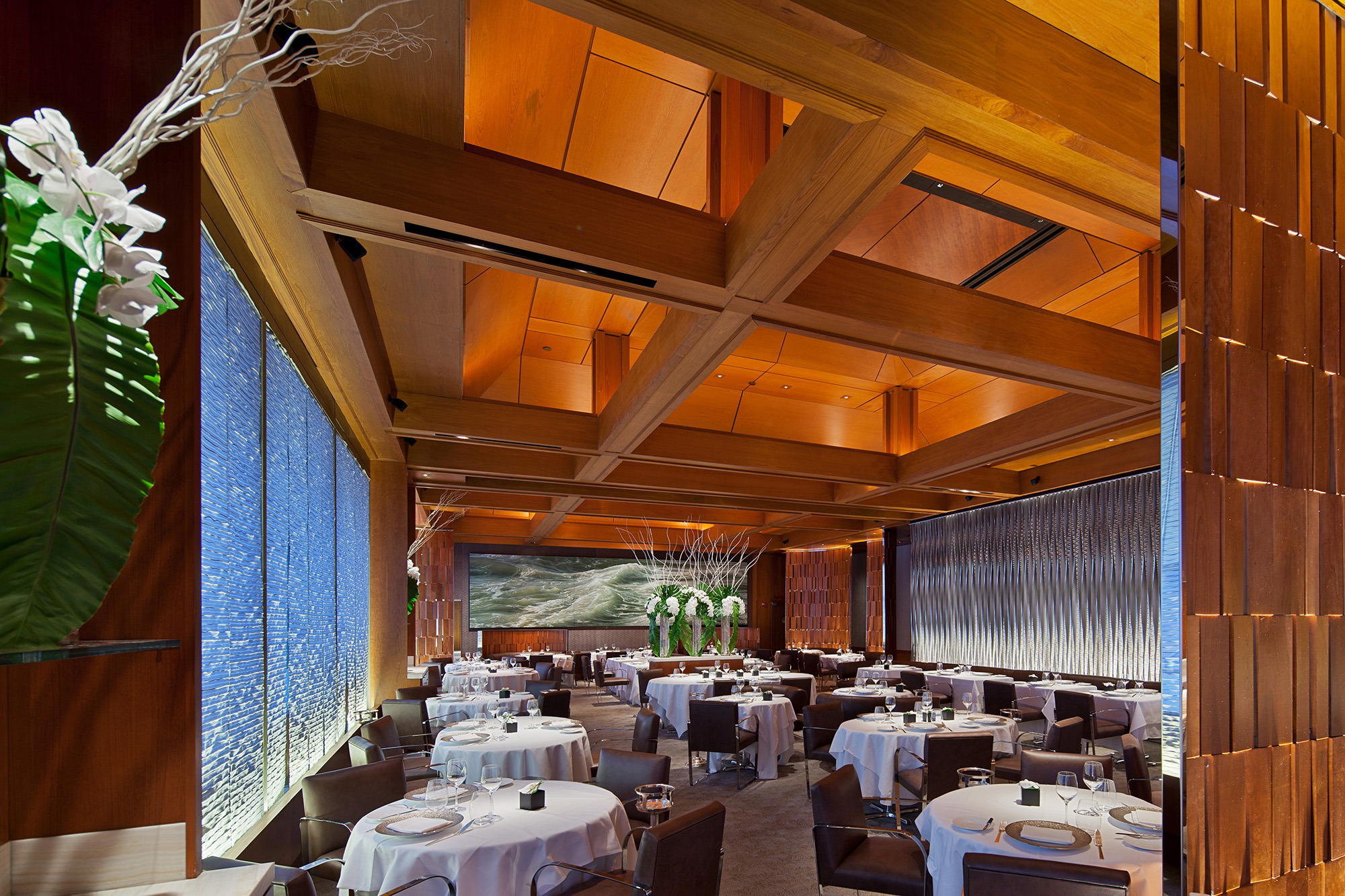
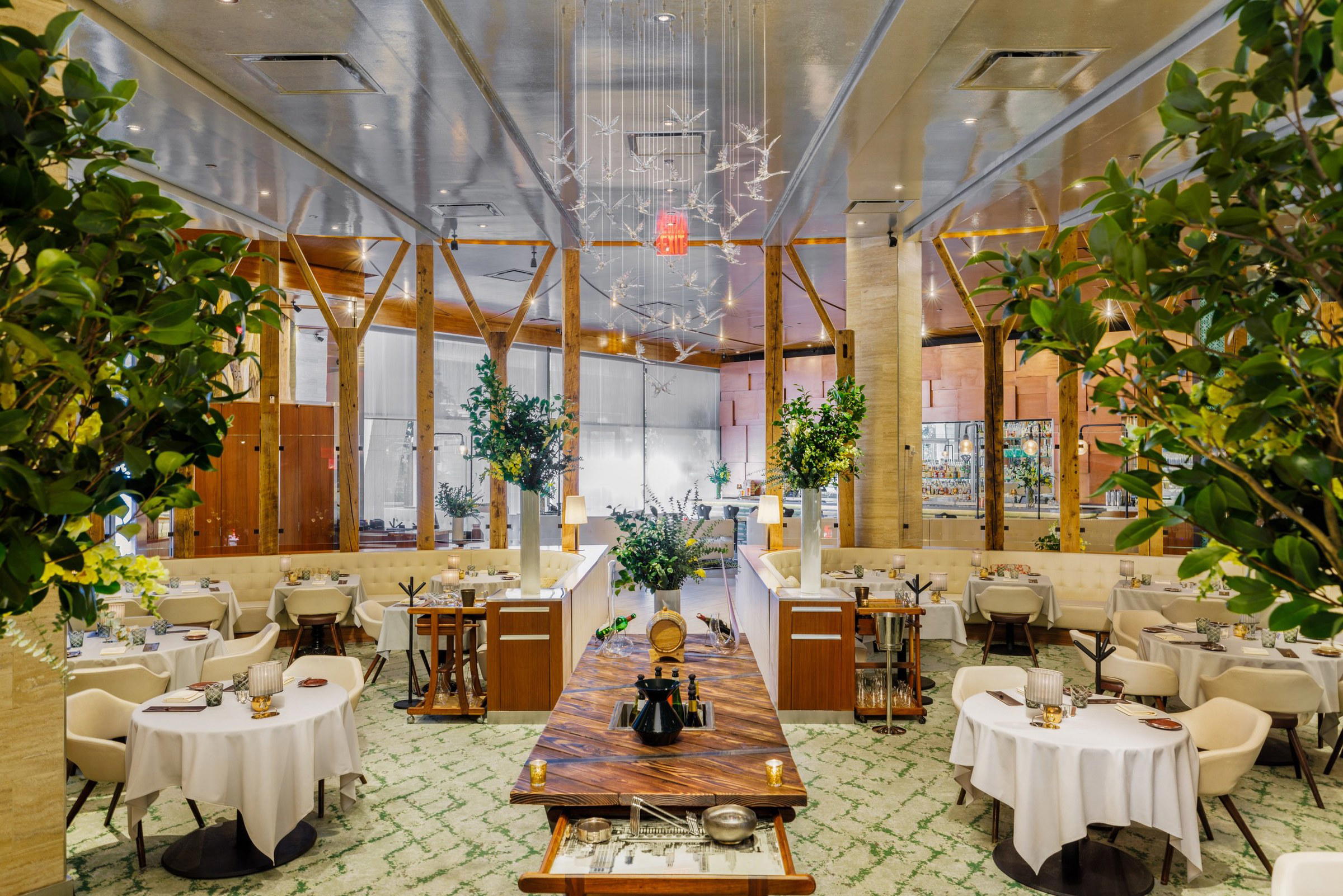
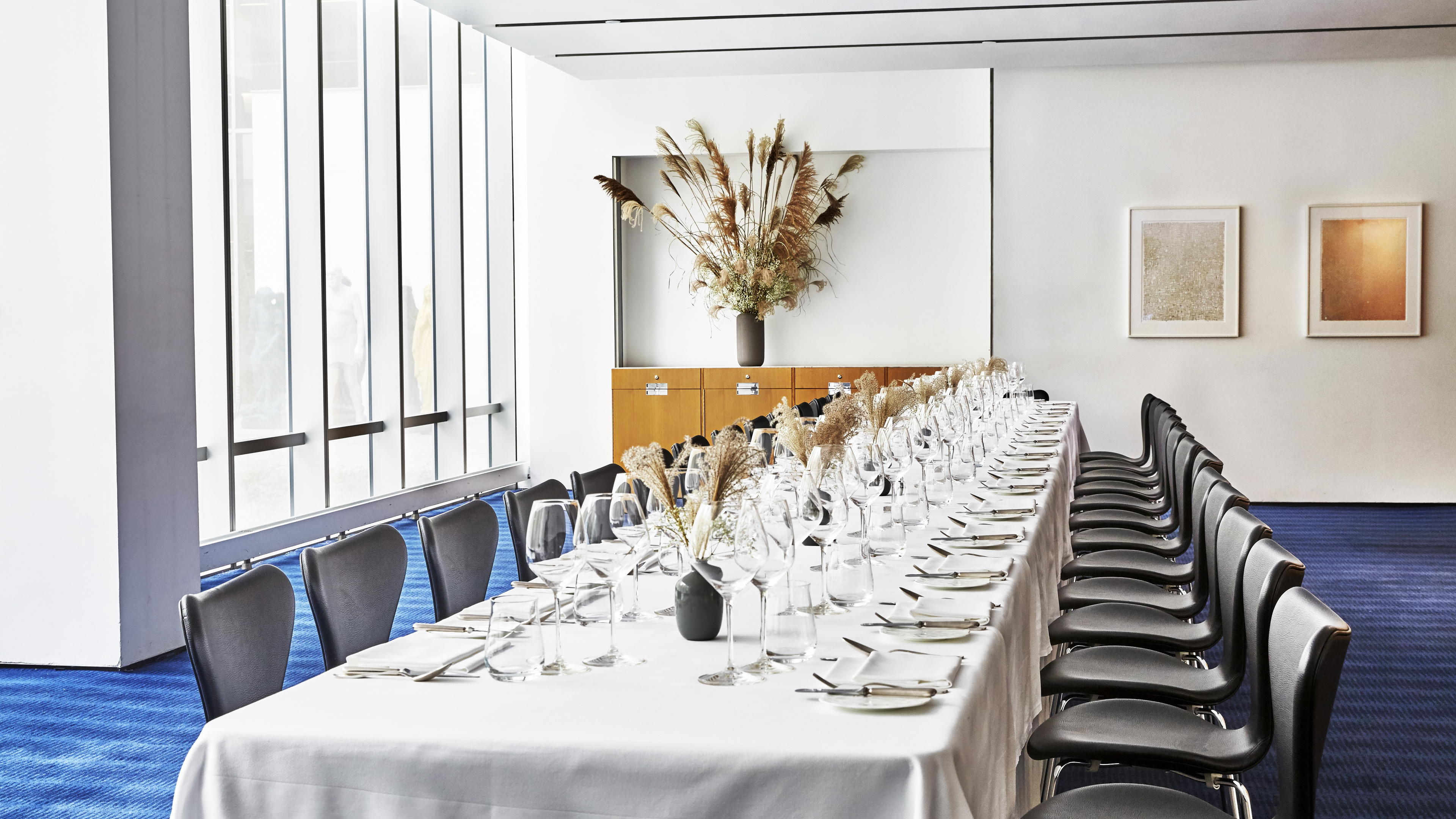
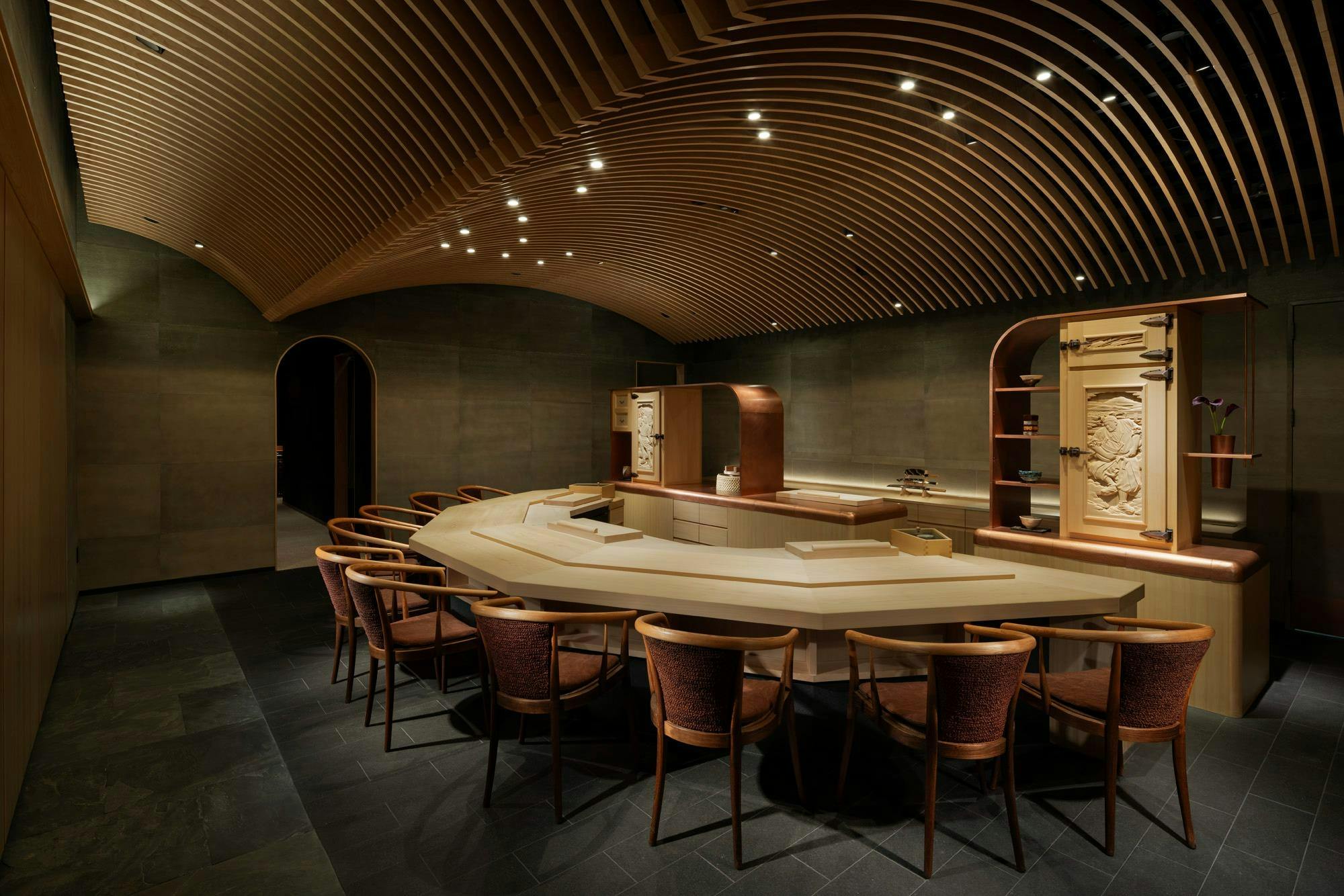
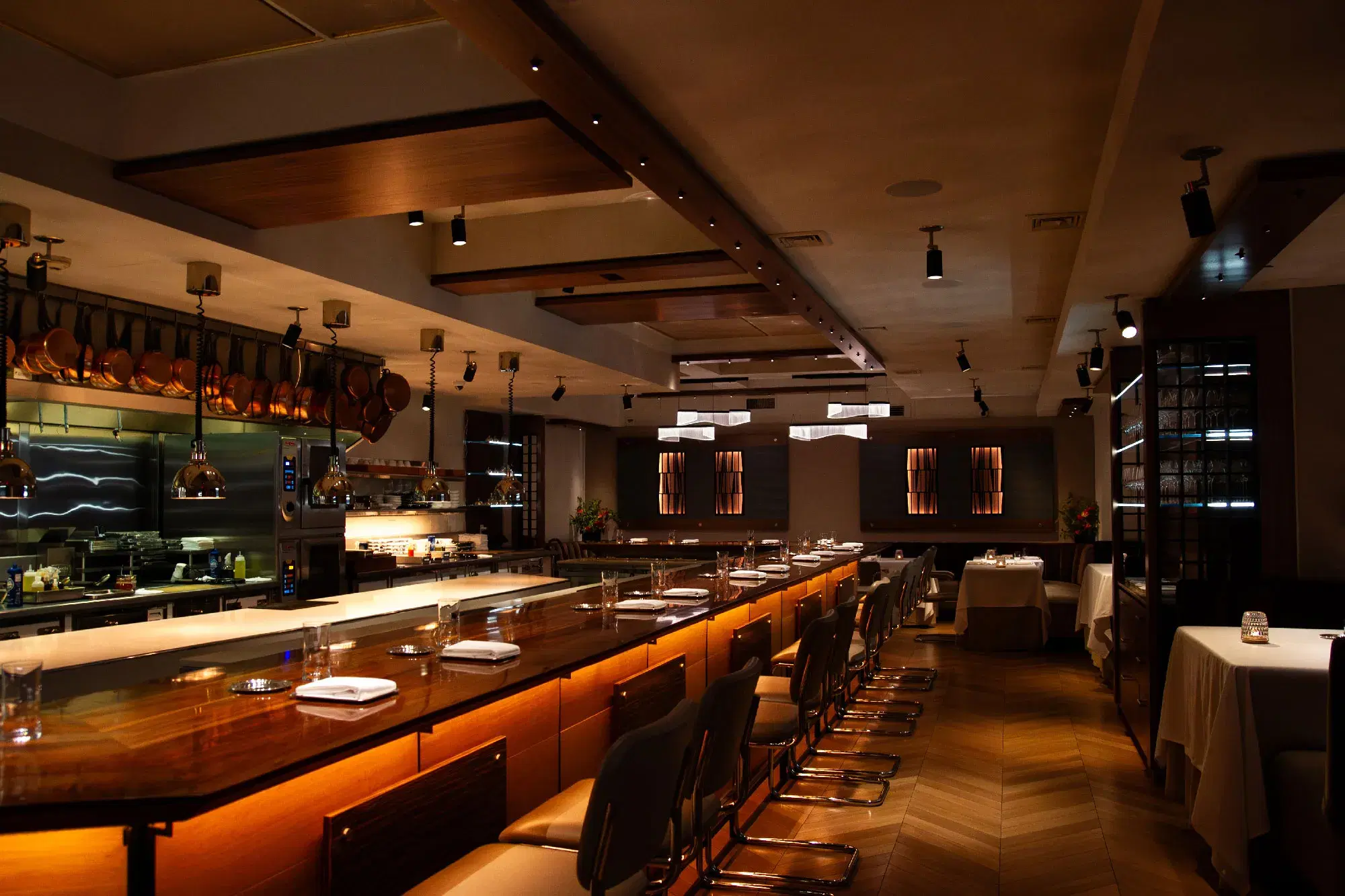
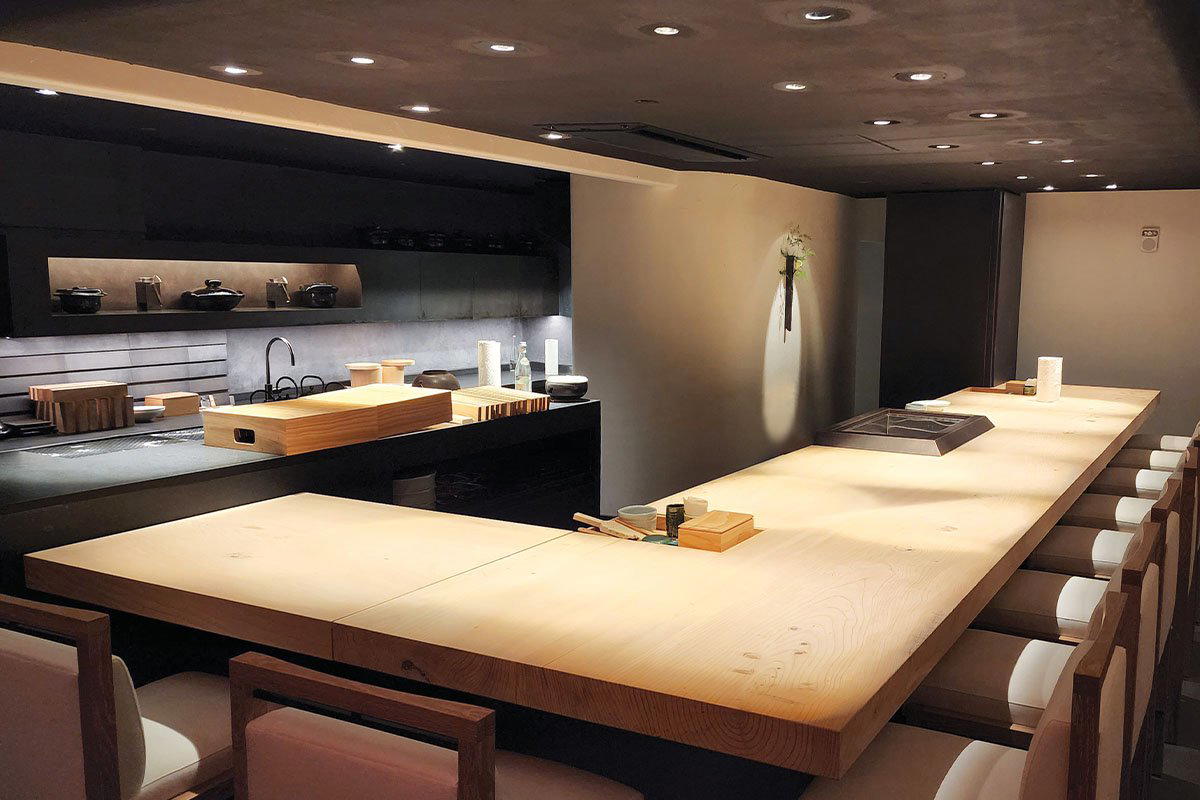
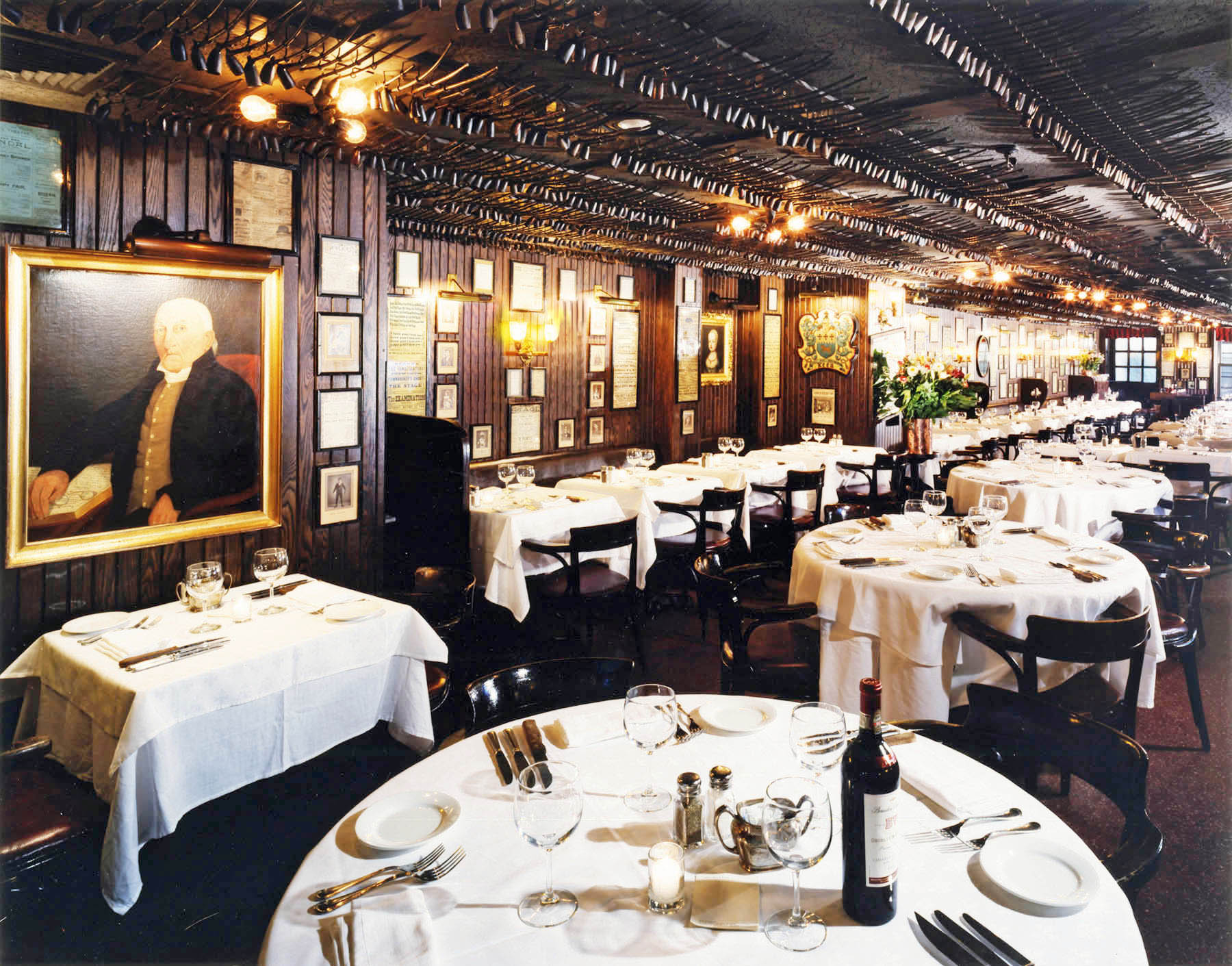
Satsuki brings traditional Edomae technique to Manhattan under Oyakata Toshio Suzuki, earning Opinionated About Dining's Highly Recommended designation for North America in 2023. The counter format places it within the upper tier of New York's serious omakase circuit, where sourcing discipline and classical preparation carry more weight than spectacle. A reference address for guests tracking the city's Japanese dining conversation.

New York's Omakase Tier and Where Satsuki Sits
Manhattan's serious omakase market has stratified considerably over the past decade. What once operated as a relatively flat category — defined loosely by counter seating and seasonal fish — has separated into distinct tiers based on sourcing reach, chef lineage, and the willingness of a clientele to commit months in advance for a seat. At the upper end of that spectrum sit counters where the fish program, not the room or the brand, determines the reputation. Satsuki, operating under Oyakata Toshio Suzuki, occupies that register. Its 2023 Opinionated About Dining Highly Recommended recognition for North America places it within a peer set that includes Joji, Shion 69 Leonard Street, and Sushi Sho , counters where OAD recognition functions as a signal of technical seriousness rather than mainstream visibility.
The Edomae Tradition and What It Demands of Sourcing
Edomae sushi, the tradition from which most serious omakase counters descend, was built around the fish available in Tokyo Bay and the curing and aging techniques that transformed raw catch into something shelf-stable and complex. The original constraint was geography. Today's constraint is inverse: a chef in Manhattan has access to global supply chains but must exercise selection discipline that would have been unnecessary when the fish came from water visible outside the window.
That selection discipline is what separates counters at Satsuki's level from mid-tier omakase operations. The reference market for high-end Japanese seafood procurement remains Toyosu , the replacement for Tsukiji that opened in 2018 and now handles the bulk of Japan's premium tuna, bream, and shellfish trade. Sourcing through or adjacent to Toyosu-grade suppliers means competing on the same supply lines as Tokyo's three-star counters, which in turn sets the cost baseline for what a serious omakase meal must charge to be viable. New York's version of that math runs against higher real estate and labor costs, making the price-per-seat economics considerably tighter than in Tokyo.
Aging and preparation technique compound the sourcing question. At this tier, fish is rarely served the same day it arrives. Controlled aging , ranging from days to over a week depending on species , draws moisture from flesh, concentrates flavor, and changes texture in ways that reward a technically trained palate. The counter becomes a classroom in delayed gratification: the value is not freshness in the conventional sense but precision in the management of time. Counters that skip this step signal, to those paying attention, a different kind of ambition.
The Counter Format as Editorial Argument
The omakase counter makes a structural argument that the chef's judgment supersedes the diner's preference. There is no à la carte hedge, no substitution logic. The sequence is fixed, the pace is set, and the meal's integrity depends on the cumulative arc across courses rather than the strength of any single piece. This is a meaningful commitment to ask of a Manhattan dining public accustomed to high degrees of customization, and the counters that thrive under it tend to attract guests who read menus the way a serious wine drinker approaches a cellar list , as a document of accumulated decisions rather than a menu of options.
Satsuki's Google rating of 4.6 across 125 reviews suggests a small, self-selected audience with high baseline expectations. That sample size is consistent with a tight-seat counter format, where the volume of covers per week is structurally limited. For comparison, Bar Masa and Blue Ribbon Sushi operate at higher capacity and review volume, reflecting different format philosophies and different positions in the market.
New York's Omakase Scene in Global Context
To understand where a counter like Satsuki fits, it helps to place New York's omakase circuit against its nearest international reference points. Tokyo remains the baseline: counters like Harutaka operate within a city where the fish supply chain, the critical culture, and the diner fluency all evolved together over generations. Hong Kong's market, represented by counters like Sushi Shikon, developed as a transplant market serving Japanese expats and well-traveled local diners , conditions that produce high standards but a different kind of institutional depth.
New York's omakase market is the most recent of the three to reach genuine seriousness, and it has done so by importing not just chefs but entire culinary frameworks: sourcing relationships, aging protocols, counter etiquette, and an expectation that the oyakata's background is as legible to diners as a sommelier's MW credential at a wine-led restaurant. Oyakata Suzuki's title designation at Satsuki signals positioning within that framework, aligning the counter with a tradition-conscious peer set rather than the more fusion-inclined segment of New York's Japanese dining scene.
For readers tracking the broader premium dining conversation across the United States, the seriousness of New York's Japanese counter tier sits in instructive contrast to the ambitions of tasting-menu restaurants in other cities: Alinea in Chicago, Lazy Bear in San Francisco, The French Laundry in Napa, Single Thread Farm in Healdsburg, Providence in Los Angeles, and Emeril's in New Orleans each represent different national approaches to the fixed-format premium meal. The omakase counter is its own grammar within that conversation , one where silence, restraint, and the quality of a single piece of fish over warm rice carry more argumentative weight than a 20-course architecture.
Planning Your Visit
Booking a seat at a counter of this type requires the same advance planning logic as New York's other OAD-recognized omakase addresses. The format rewards guests who arrive with some familiarity with Edomae conventions , the pacing, the etiquette around nigiri, the expectation that each piece is complete as served. Specific booking method, current hours, and pricing are not confirmed in our data; contact the venue directly for current availability.
| Venue | Cuisine | Price Tier | Recognition | Format |
|---|---|---|---|---|
| Satsuki | Sushi / Edomae | Not confirmed | OAD Highly Recommended 2023 | Omakase counter |
| Joji | Sushi | $$$$ | Michelin-starred | Omakase counter |
| Shion 69 Leonard Street | Sushi | $$$$ | OAD recognized | Omakase counter |
| Masa | Sushi | $$$$ | Michelin three-star | Omakase counter |
For a broader view of where Satsuki sits within Manhattan's wider dining and hospitality offer, see our full New York City restaurants guide, our full New York City hotels guide, our full New York City bars guide, our full New York City wineries guide, and our full New York City experiences guide.
Frequently Asked Questions
What's the must-try dish at Satsuki?
Satsuki operates as an omakase counter under Oyakata Toshio Suzuki, meaning the sequence is set by the chef rather than selected from a menu. At counters of this type and recognition tier , OAD Highly Recommended for North America in 2023 , the nigiri program is the central argument, particularly pieces where aging technique is most legible: aged tuna cuts, cured white fish, and shellfish prepared with traditional Edomae methods. Specific dish details are not confirmed in our current data; the counter's approach to sourcing and preparation is leading understood as a complete sequence rather than individual highlights.
Need a table?
Our members enjoy priority alerts and concierge-led booking support for the world's most difficult tables.
Access the Concierge