BONDST
Positioned on level five of Hudson Yards, BONDST brings a Japanese-inflected dining format to one of Manhattan's most architecturally deliberate addresses. The space and setting place it in a tier of New York restaurants where the physical container is as considered as the plate. For visitors exploring the West Side's newer dining corridor, it represents a distinct point of reference against the neighbourhood's broader ambitions.
Pearl is the En Primeur Club membership app — saves, bookings, and concierge access live there. Same editors, same standards.
- Address
- 20 Hudson Yards level 5, New York, NY 10001
- Phone
- +12127267755
- Website
- bondstrestaurant.com
- Directions
- Get directions
 Saves & bookings on Pearl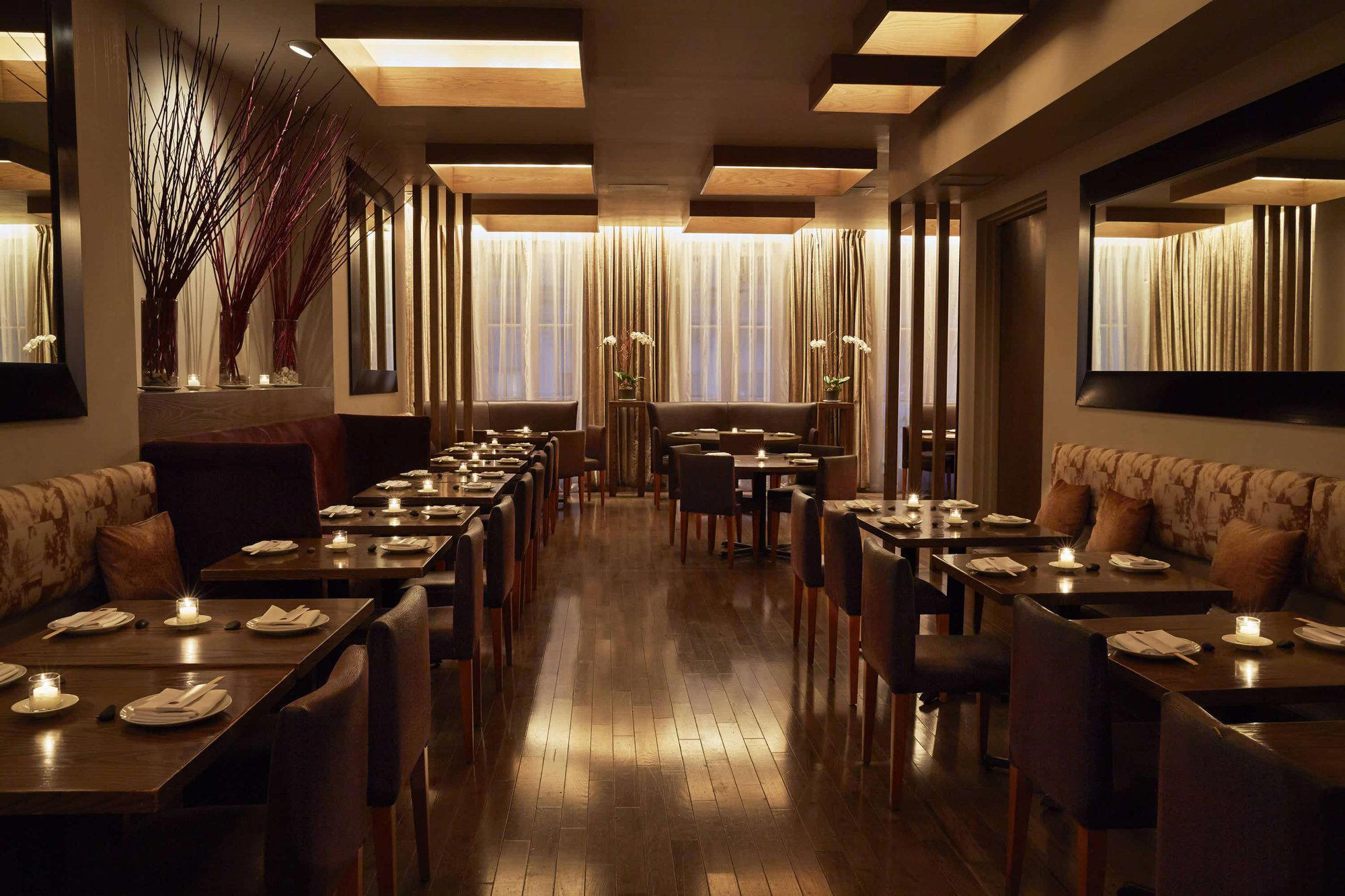
Hudson Yards and the Architecture of Dining in New York
BONDST is a modern Japanese restaurant with sushi at 20 Hudson Yards level 5, New York, NY 10001. Unlike the organic accumulation of kitchens in the West Village or the competitive density of the Flatiron, Hudson Yards arrived fully formed, a planned commercial district stacking retail, office space, and hospitality vertically across its towers and podiums. Level five of 20 Hudson Yards, where BONDST is addressed, sits inside that deliberate architecture, a floor that was designed with dining in mind rather than retrofitted for it.
That context matters because the physical container shapes what a restaurant can be. At Hudson Yards, the geometry is generous. Ceiling heights, sightlines, and the relationship between interior space and the Hudson River views outside define the category of experience before a single plate arrives. BONDST occupies that geometry, and the design decisions within it position the restaurant inside a specific tier of New York dining: formal enough to compete with the West Side's established fine-dining corridors, but with a Japanese-influenced framework that separates it from the French-leaning rooms that still anchor the city's premium restaurant identity.
A Japanese-Influenced Format in a Purpose-Built Setting
New York's Japanese dining register has expanded considerably over the past decade, moving well beyond traditional sushi counters. The city now sustains a range of formats from allocation-only omakase at venues like Masa through to more accessible izakaya and contemporary Japanese kitchens where the cuisine acts as a framework for broader ingredient conversations. BONDST occupies a middle position in that range, a Japanese-influenced restaurant rather than a purist counter, which gives the kitchen more flexibility but also places it in a more crowded competitive set.
That flexibility is visible in how the space is arranged. Unlike the tight counter formats that define the high-end omakase tier, BONDST is built for a dining room experience, with the kind of seating geometry that supports both groups and couples without defaulting to the banquette-and-white-tablecloth formula that still defines rooms like Le Bernardin or Per Se. The design at BONDST draws from a different visual vocabulary, one that treats the Japanese aesthetic influence as an architectural principle rather than a decorative layer.
This approach to space has precedent in how particularly considered Japanese-influenced restaurants operate globally. When the interior language is restrained and material-led, the room itself communicates something about the kitchen's intentions, calibrating the diner's expectations before the menu arrives. At 20 Hudson Yards, that restraint operates in dialogue with the building's own scale, a tension that rooms in older, smaller Manhattan buildings rarely have to manage.
Where BONDST Sits in the West Side's Dining Tier
The Hudson Yards corridor has developed a dining identity distinct from the East Side or downtown. The neighbourhood draws a corporate lunch and premium dinner crowd, and the restaurants that have established themselves there operate across a broad range of price points and formats. Within that mix, BONDST's Japanese-influenced positioning gives it a differentiated angle. The heavy French and contemporary American formats that anchor rooms like Eleven Madison Park or Atomix in Midtown and the Flatiron belong to a different competitive conversation.
Across the wider American dining scene, the move toward Japanese-influenced formats at premium price tiers has been consistent. Restaurants from Lazy Bear in San Francisco to Providence in Los Angeles have absorbed Japanese technique and presentation principles into their kitchen logic without becoming Japanese restaurants in the traditional sense. BONDST at Hudson Yards operates within that broader shift, a fact that places it in an interesting comparative position relative to both the pure Japanese counter format and the French-lineage fine dining that still defines New York's most awarded rooms.
Design as Editorial Statement
The decision to anchor a Japanese-influenced concept on the fifth floor of a Hudson Yards building is an architectural argument as much as a culinary one. Purpose-built dining floors at this scale demand a certain visual confidence from the restaurants they house, because the building's bones are already doing a considerable amount of work. The restaurants in Hudson Yards that have found their footing are those where the interior design makes a coherent statement that doesn't compete with the architecture but extends it.
Fine-dining rooms across the country have navigated this question in different ways. Single Thread Farm in Healdsburg and Blue Hill at Stone Barns in Tarrytown both use the physical environment as an active part of the dining proposition, though in both cases the landscape exterior is a collaborator in a way that Hudson Yards' urban tower cannot replicate. What BONDST has instead is the deliberate geometry of a designed floor plate, which places greater pressure on the interior choices to carry the room's character on their own terms.
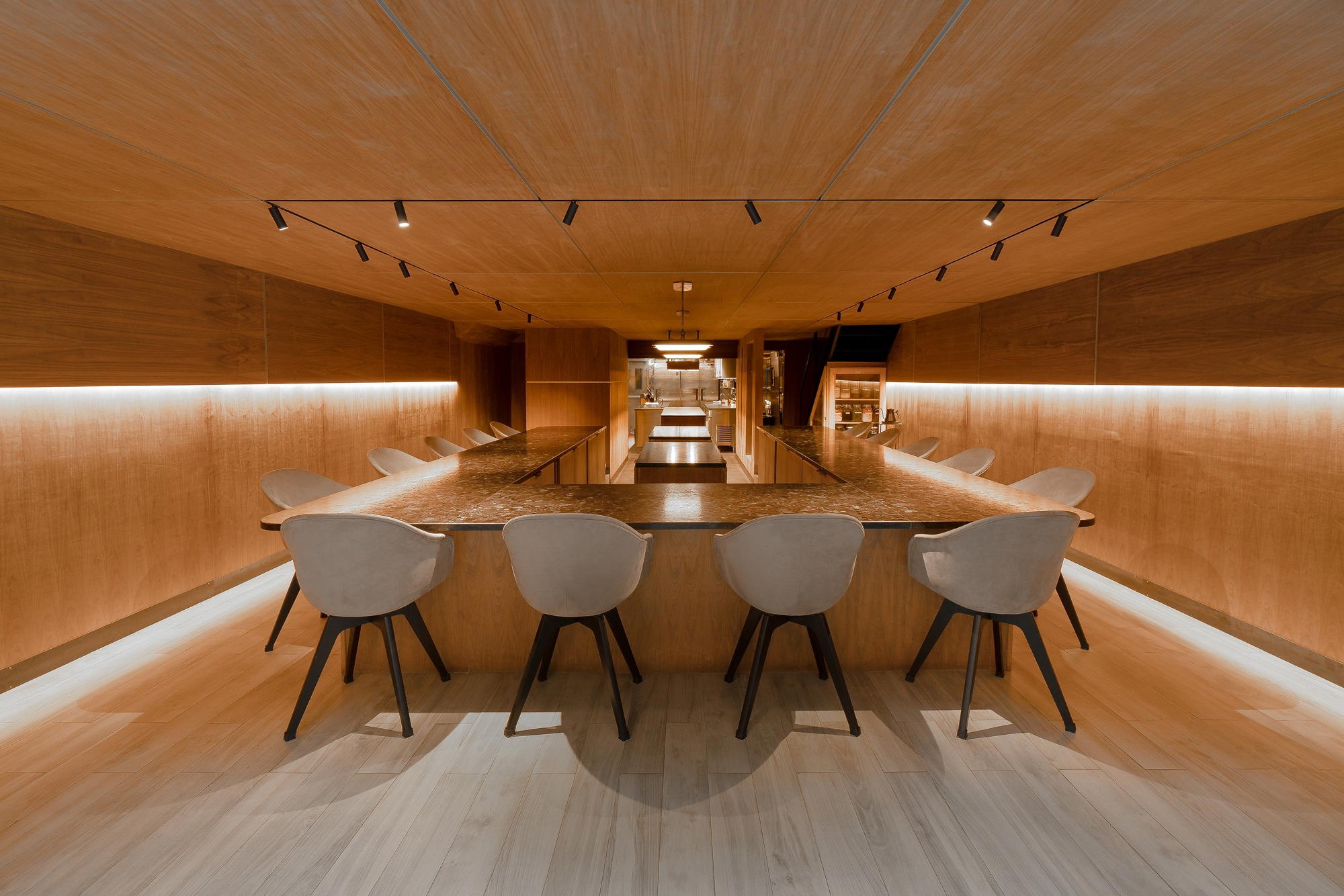
That challenge is one the leading urban Japanese-influenced rooms have historically handled through material restraint: warm timber, considered lighting, and a floor plan that prioritises sightline and acoustic separation over table maximisation. Whether BONDST's interior resolves those competing demands is a question the room answers on arrival, which is, ultimately, the test that matters.
Smyth in Chicago, Addison in San Diego, The French Laundry in Napa, The Inn at Little Washington, Frasca Food & Wine in Boulder, or Emeril's in New Orleans. For international reference points in the Japanese-influenced fine-dining space, Atelier Moessmer Norbert Niederkofler in Brunico and Dal Pescatore in Runate offer instructive contrasts in how European fine dining absorbs Asian culinary principles.
Comparable Options
Comparable venues nearby, for context on price, style, and recognition.
| Venue | Cuisine | Price | Notes |
|---|---|---|---|
| BONDSTThis venue — the venue you are viewing | Modern Japanese with Sushi | $$$$ | Not listed |
| Yamada | Seasonal Kaiseki | $$$$ | SoHo-Little Italy-Hudson Square |
| Koi | Upscale Japanese Fusion | $$$$ | Midtown-Times Square |
| Kappo Sono | Japanese Kaiseki | $$$$ | Greenwich Village |
| Kaiyo Omakase | Japanese Omakase | $$$$ | Long Island City-Hunters Point |
| Sushi Sho | Edomae Omakase Sushi | $$$$ | Midtown East |
Continue exploring
More in New York City
Restaurants in New York City
Browse all →
Bars in New York City
Browse all →
Hotels in New York City
Browse all →




At a Glance
- Trendy
- Elegant
- Modern
- Sophisticated
- Well Known
- Date Night
- Special Occasion
- Business Dinner
- Private Dining
- Sake Program
- Craft Cocktails
Current opening hours
- Monday
- 11:30 AM–9 PM
- Tuesday
- 12–9:30 PM
- Wednesday
- 12–9:30 PM
- Thursday
- 12–9:30 PM
- Friday
- 12–10 PM
- Saturday
- 11:30 AM–10 PM
- Sunday
- 11:30 AM–9 PM
Hours can change for holidays and private events. Last verified .
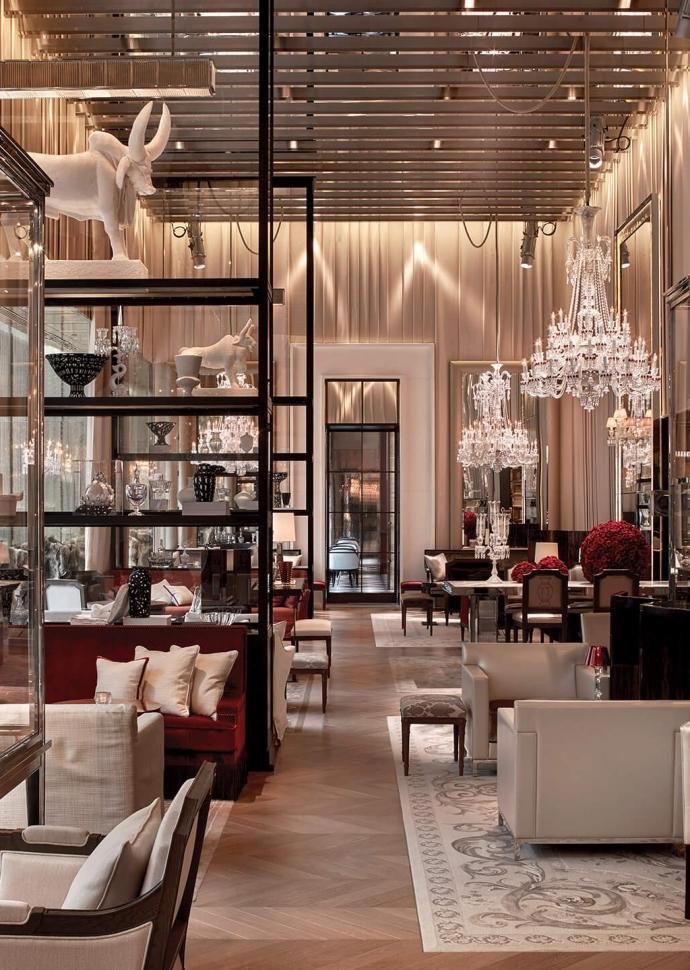
Warm minimalist interior with chic, energetic, and casually elegant atmosphere across lounge, lively dining room, and elegant upper floor.