Serafina Meatpacking
Serafina Meatpacking sits at 7 Ninth Avenue in one of Manhattan's most scenically charged dining districts, where the neighbourhood's transition from industrial grit to polished hospitality plays out block by block. The address places it squarely in a zone where format, atmosphere, and the quality of a room's wine program matter as much as the food itself. Expect the character of the Meatpacking District rather than the quieter remove of Midtown's tasting-menu circuit.
Pearl is the En Primeur Club membership app — saves, bookings, and concierge access live there. Same editors, same standards.
- Address
- 7 9th Ave, New York, NY 10014
- Phone
- +16469644494
- Website
- serafinarestaurant.com
- Directions
- Get directions
 Saves & bookings on Pearl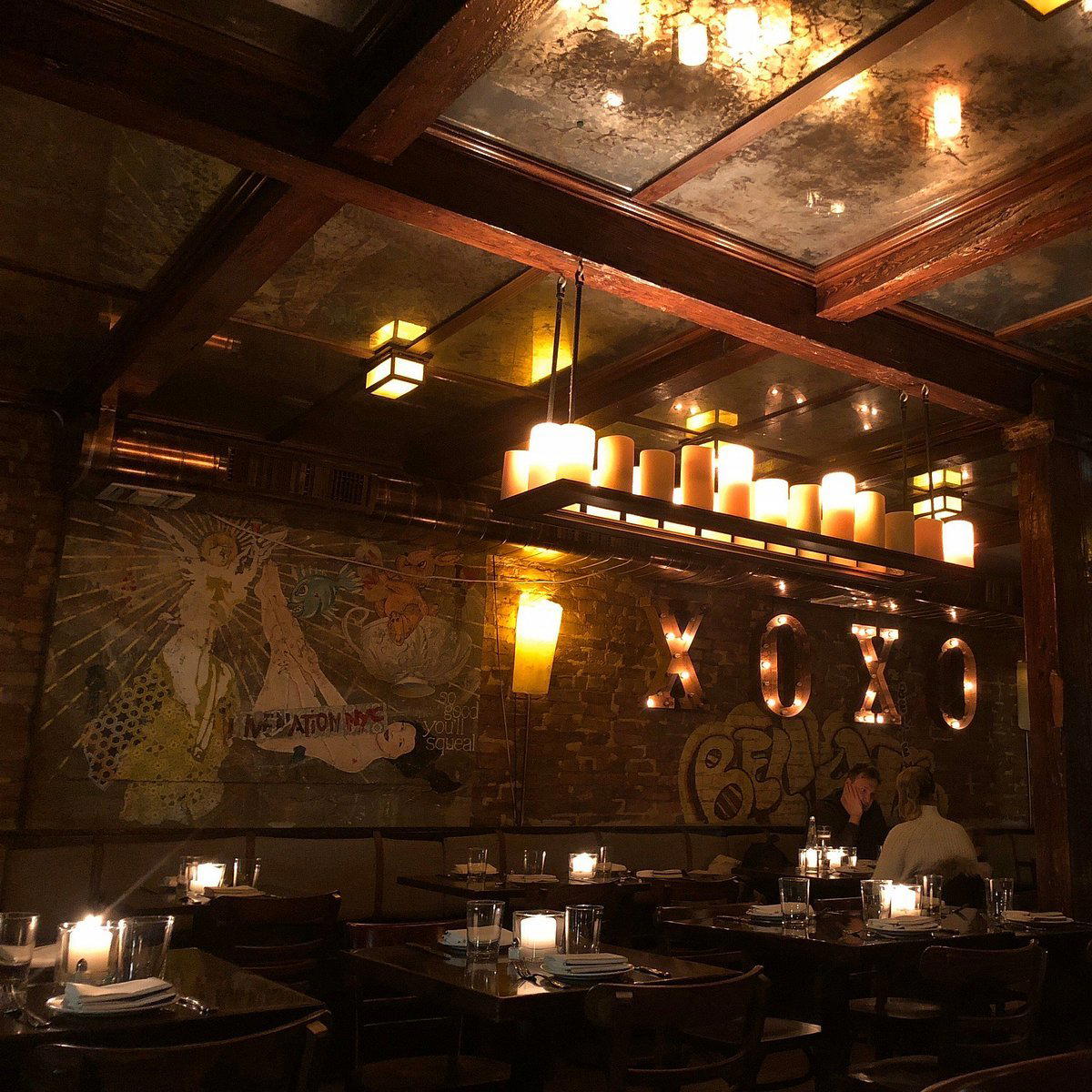
The Meatpacking District and What It Demands of a Wine List
Manhattan's Meatpacking District has completed one of the more dramatic identity shifts in American urban dining. The cobblestoned blocks around Ninth Avenue and Gansevoort Street now operate as a concentration of destination restaurants, boutique hotels, and bars that draw a crowd expecting a certain level of polish, not the austere polish of a Midtown tasting-menu room, but something looser and more social, where a well-constructed wine list functions as the connective tissue between food and atmosphere.
Serafina Meatpacking, at 7 Ninth Avenue, sits inside that dynamic. The Serafina group has operated across multiple Manhattan locations for years, with Italian-leaning menus and a room calibrated for energy rather than silence. In this district, that positioning makes particular sense. The Meatpacking block doesn't reward the reserved; it rewards places that can hold a room and keep it moving.
Italian Wine in an American Setting: What to Expect from the Cellar
Italian restaurant wine programs in New York sit along a wide spectrum. At one end, you have the Midtown institutions, rooms adjacent to Le Bernardin territory, where cellar depth runs to decades of Barolo and Brunello, and sommeliers treat the list as a statement of seriousness. At the other end, you have casual trattorias where the wine is an afterthought measured in house-pour carafes.
Serafina's market position sits between those poles, which is where particularly interesting wine decisions actually happen. A group-format Italian restaurant serving a broad Manhattan clientele has to balance regional Italian variety, Vermentino from Sardinia, Nerello Mascalese from Etna, Sangiovese in its various regional expressions, against the gravitational pull of the familiar: Super Tuscans, a Pinot Grigio, a Barolo from a name producer. How that balance is struck tells you more about a restaurant's wine ambitions than the presence of any single prestige bottle.
This is not a neighbourhood where the table defaults to the second-cheapest bottle without looking at the list. A flat, generic list reads immediately in this district. A list with a point of view, even a modest one, does corresponding work for the room.
How Serafina Fits the Broader Italian-American Dining Tradition
The Italian-American dining tradition in New York has never been monolithic. What the city's upper-tier Italian rooms demonstrate, compare the formal architecture of a white-tablecloth Midtown Italian to a modern Neapolitan pizza counter or a Roman trattoria format in the West Village, is that Italian cuisine adapts its register to its setting with unusual flexibility. Serafina as a group has operated at the more accessible end of that range: wood-fired pizza as an anchor, pasta formats that lean classical, a room structure that supports long tables and celebration dinners as readily as it does two-tops.
That format has its own logic. Group dining in the Italian tradition places wine at the centre of the table in a way that a tasting-menu counter does not. Bottles get shared, second bottles get ordered, and the list's breadth across price points matters practically, not just editorially. For a table of six splitting the cost, the jump from one bottle to another represents a real decision, and a wine list that offers considered options at both levels is more useful than one that concentrates its depth at the summit.
New York's broader fine-dining circuit, the rooms tracked by Michelin, represented by Atomix, Masa, Per Se, and Jungsik New York, operates at a fundamentally different scale of investment and focus. Serafina's value is precisely that it doesn't compete in that bracket. It competes in the category of reliable, social Italian dining in a neighbourhood where the room itself is part of the product.
The Neighbourhood as Context
Ninth Avenue in the Meatpacking District carries its own logic. The address places Serafina in immediate proximity to the High Line's southern terminus, the Whitney Museum, and a concentration of hospitality that skews toward the design-conscious and experience-oriented. This is a neighbourhood that eats late, books reservations as a social act rather than a practical one, and where the energy of the room at 9pm is as much part of the evening as anything on the plate.
That context shapes how the wine list functions in practice. A dinner here is rarely a quiet occasion with sustained focus on a single glass. It's more likely a shared bottle over pizza and pasta, a second bottle because the conversation extended, a glass of Amaro to close. The wine program that serves that pattern well is one built with range, priced to encourage exploration, and staffed by someone who can make a recommendation quickly without making the table feel scrutinised.
For reference points elsewhere in American dining, from The French Laundry in Napa to Blue Hill at Stone Barns in Tarrytown, Alinea in Chicago, Lazy Bear in San Francisco, or Providence in Los Angeles, the wine program is a primary editorial statement. At Serafina Meatpacking, it plays a supporting role, but not an incidental one. The room's character depends on that support functioning reliably. See also: Single Thread Farm in Healdsburg, Addison in San Diego, The Inn at Little Washington, Bacchanalia in Atlanta, and Emeril's in New Orleans for contrast across American dining registers. Internationally, rooms like 8½ Otto e Mezzo Bombana in Hong Kong and Alain Ducasse at Louis XV in Monte Carlo represent the furthest formal end of Italian and French wine-list ambition, useful calibration points for understanding what Serafina deliberately is not.
Know Before You Go
- Address: 7 Ninth Avenue, New York, NY 10014
- Neighbourhood: Meatpacking District, Manhattan
- Format: Italian-leaning, social dining; suited to groups and shared plates
- Booking: Booking: Recommended
- Hours: Mon: 11:30 AM to 10 PM; Tue: 11:30 AM to 10 PM; Wed: 11:30 AM to 10 PM; Thu: 11:30 AM to 10 PM; Fri: 11:30 AM to 11 PM; Sat: 11:30 AM to 11 PM; Sun: 11:30 AM to 10 PM
- Pricing: About $50 per person
- Dress code: Smart casual
Cost and Credentials
Comparable venues nearby, for context on price, style, and recognition.
| Venue | Cuisine | Price | Notes |
|---|---|---|---|
| Serafina MeatpackingThis venue — the venue you are viewing | Not listed | $$$ | Not listed |
| Il Giglio | Not listed | $$$ | Tribeca-Civic Center, Tuscan Italian Fine Dining |
| Via Toscana | Hell's Kitchen, Authentic Tuscan Italian | $$$ | Not listed |
| L'incontro by Rocco | Not listed | $$$ | Upper East Side-Yorkville, Traditional Italian Trattoria |
| Gargiulo's | Not listed | $$$ | Coney Island-Sea Gate, Traditional Neapolitan Italian |
| Barano | Williamsburg, Modern Wood-Fired Italian | $$$ | Not listed |
Continue exploring
More in New York City
Restaurants in New York City
Browse all →
Bars in New York City
Browse all →
Hotels in New York City
Browse all →




At a Glance
- Trendy
- Lively
- Cozy
- Modern
- Date Night
- Group Dining
- Casual Hangout
- Private Dining
- Extensive Wine List
- Local Sourcing
Current opening hours
- Monday
- 11:30 AM–10 PM
- Tuesday
- 11:30 AM–10 PM
- Wednesday
- 11:30 AM–10 PM
- Thursday
- 11:30 AM–10 PM
- Friday
- 11:30 AM–11 PM
- Saturday
- 11:30 AM–11 PM
- Sunday
- 11:30 AM–10 PM
Hours can change for holidays and private events. Last verified .
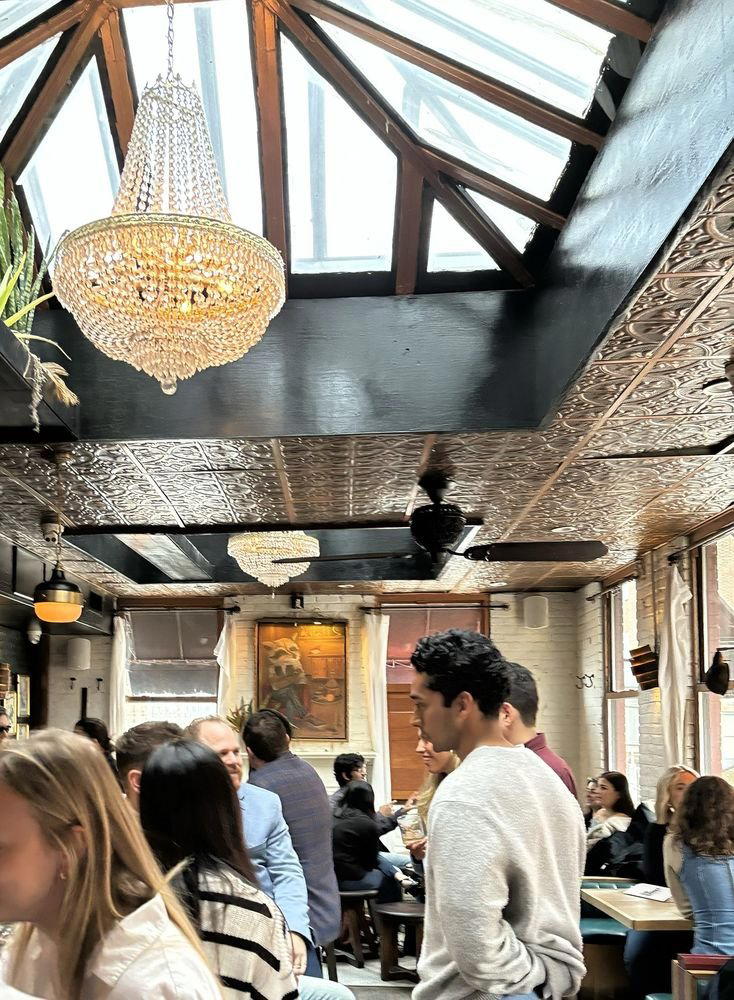
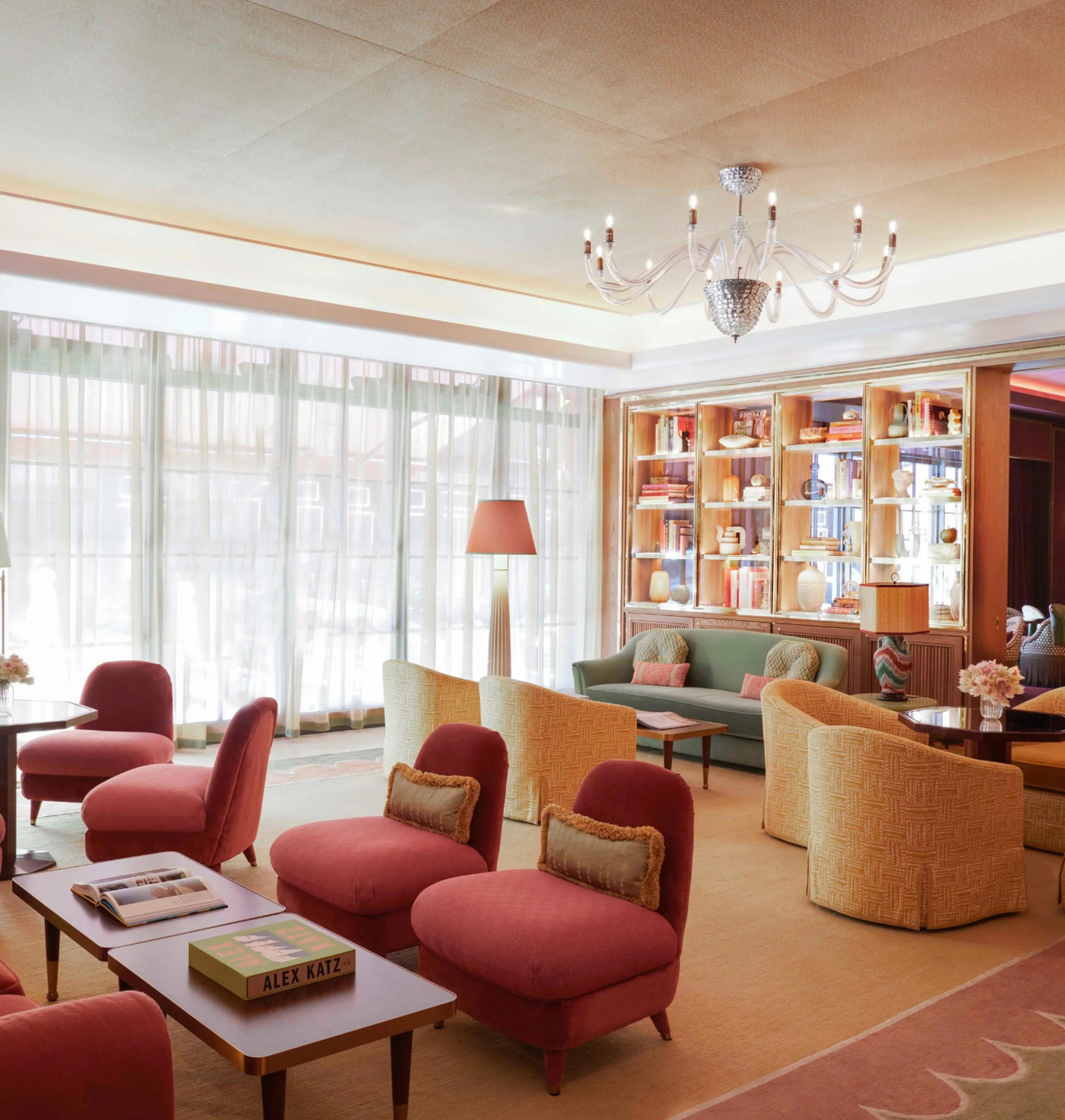
Charming with exposed brick walls, cozy seating, modern decor, and a casual-cool atmosphere.