Barano
Barano occupies a quietly confident position in Brooklyn's Williamsburg dining scene, where a commitment to locally sourced ingredients meets technique drawn from broader culinary traditions. Situated at 26 Broadway, the restaurant represents a strand of New York dining that prizes craft over spectacle. For those tracking how American cities are reframing regional identity through food, Barano offers a considered reference point.
Pearl is the En Primeur Club membership app — saves, bookings, and concierge access live there. Same editors, same standards.
- Address
- 26 Broadway, Brooklyn, NY 11249
- Phone
- +13476255663
- Website
- baranobk.com
- Directions
- Get directions
 Saves & bookings on Pearl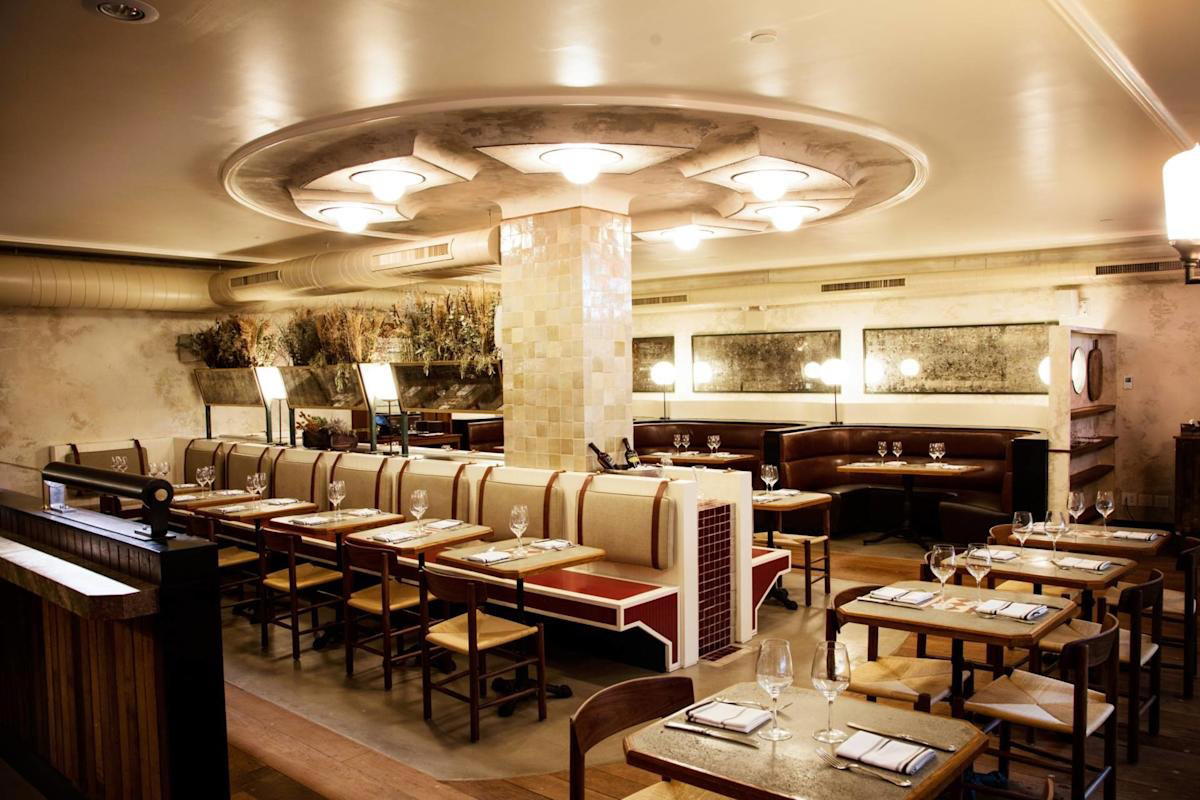
Brooklyn's Craft-Driven Italian and the Technique Question
When Brooklyn's restaurant culture began pulling away from Manhattan's gravitational field in the early 2010s, it did so on two tracks: casual neighbourhood spots that prized accessibility, and a smaller cohort of more ambitious kitchens that borrowed European technique without abandoning a distinctly American sense of place. Barano is a restaurant in Williamsburg, Brooklyn, serving modern wood-fired Italian cooking at 26 Broadway. It arrived as the borough was consolidating a dining identity that no longer needed Manhattan validation, and its positioning reflects that confidence.
The broader pattern this fits is one visible across American cities with serious food cultures. At Smyth in Chicago and Lazy Bear in San Francisco, the model is similar: European or global technique applied with deliberate attention to what's grown or raised within a plausible radius. The question at any such restaurant is always whether the technique serves the ingredient or eclipses it. Barano's answer, consistent with the Williamsburg context it operates in, leans toward restraint.
Local Ingredients and What Technique Actually Means Here
The editorial angle that keeps recurring when discussing Brooklyn's better Italian-influenced kitchens is how they handle the tension between imported method and indigenous product. Italy's regional cooking tradition is itself built on this discipline: technique evolved to serve what the land and sea produced locally, not to demonstrate virtuosity for its own sake. When that tradition travels to New York, the interesting restaurants are the ones that take the principle rather than just the recipes.
In the Northeast United States, this means working with a specific larder: Hudson Valley produce, New England-sourced seafood, tri-state area farms, and the occasional foraged addition depending on season. The test isn't whether a kitchen can name its suppliers (many can) but whether the cooking decisions reflect genuine responsiveness to what those suppliers are actually producing at a given moment. This is the standard against which Barano is measured.
For Italian-inflected restaurants specifically, wood-fired cooking has become a meaningful differentiator in this conversation. The wood oven and grill impose a discipline that rewards ingredient quality: there's less room to correct with sauce or finish than in more interventionist techniques. Barano's address in Williamsburg places it in a neighbourhood that has become comfortable with this kind of cooking confidence, where the audience is sufficiently experienced to notice when a kitchen is hiding behind complexity.
Williamsburg as Context
To understand where Barano sits, it helps to map what Williamsburg's dining scene has become over the past decade. The neighbourhood was never a fine-dining corridor in the classical sense. It built its reputation on density of good cooking at accessible price points, and on a willingness to import global influences without the reverence (or the price tags) that Manhattan attached to them. That culture has matured. The gap between Williamsburg's more serious kitchens and their Manhattan counterparts has narrowed considerably, and in some category segments, it has closed entirely.
The $$$$ bracket in New York, occupied by institutions like Le Bernardin, Masa, Per Se, Atomix, and Eleven Madison Park, represents a category defined by sustained Michelin recognition and international visibility. Barano operates below that tier. Its comparable set is the cohort of mid-to-upper Brooklyn restaurants where cooking ambition is high, the sourcing story is genuine, and the format remains genuinely neighbourhood-facing rather than destination-driven in the jet-set sense.
Comparable properties in other cities would include Frasca Food and Wine in Boulder, where Italian regional tradition has been translated through a specific American place, or Emeril's in New Orleans, where technique and local identity are explicitly in dialogue. Further afield, the conversation about indigenous products and imported method finds its most rigorous expression at places like Atelier Moessmer Norbert Niederkofler in Brunico and Dal Pescatore in Runate, both of which have built their reputations on the exact principle of technique in service of place.
How Barano Compares in the Broader American Scene
New York's Italian restaurant category is crowded at every price point, which makes positioning genuinely difficult. The city has old-school red-sauce institutions with multi-generational followings, high-concept Italian tasting menus competing against Eleven Madison Park and Le Bernardin for serious-occasion dining, and a middle tier of neighbourhood-facing trattorias that vary enormously in kitchen discipline. Barano's Williamsburg location and its wood-fire identity place it in a specific niche: serious craft without the formality or the expense of the Manhattan flagship tier.
Restaurants that have navigated similar positioning in other American cities include Providence in Los Angeles, which takes a regional-sourcing approach within a seafood-focused framework, and Blue Hill at Stone Barns in Tarrytown, which has made the local-ingredient principle central to its entire identity at a considerably higher price point. Single Thread Farm in Healdsburg and Addison in San Diego represent the more rarefied, awards-facing end of this same philosophy. The French Laundry in Napa and The Inn at Little Washington operate in a different competitive register entirely, but they share the foundational commitment to ingredient-forward cooking that Barano draws on at a neighbourhood scale.
Planning Your Visit
Barano is located at 26 Broadway, Brooklyn, NY 11249, in the Williamsburg neighbourhood. Reservations are recommended. Budget: Expect about $50 per person. Dress: Smart casual. Timing: Mon: Closed; Tue: 5-9 PM; Wed: 5-9 PM; Thu: 5-10 PM; Fri: 5-10:30 PM; Sat: 3-10:30 PM; Sun: 3-9 PM.
Standing Among Peers
Comparable venues nearby, for context on price, style, and recognition.
| Venue | Cuisine | Price | Notes |
|---|---|---|---|
| BaranoThis venue — the venue you are viewing | Modern Wood-Fired Italian | $$$ | Not listed |
| Graziella's | Authentic Italian Wood-Fired Pizza | $$$ | Fort Greene |
| La Pizza & La Pasta | Neapolitan Pizza & Fresh Pasta | $$$ | Midtown South-Flatiron-Union Square |
| Barolo East | Northern Italian | $$$ | East Midtown-Turtle Bay |
| Fresco by Scotto | Modern Italian | $$$ | Midtown-Times Square |
| Tartufo Osteria | Contemporary Italian Trattoria | $$$ | Hell's Kitchen |
Continue exploring
More in New York City
Restaurants in New York City
Browse all →
Bars in New York City
Browse all →
Hotels in New York City
Browse all →




At a Glance
- Cozy
- Rustic
- Trendy
- Date Night
- Casual Hangout
- Brunch
- Open Kitchen
- Natural Wine
- Craft Cocktails
- Street Scene
Current opening hours
- Monday
- Closed
- Tuesday
- 5–9 PM
- Wednesday
- 5–9 PM
- Thursday
- 5–10 PM
- Friday
- 5–10:30 PM
- Saturday
- 3–10:30 PM
- Sunday
- 3–9 PM
Hours can change for holidays and private events. Last verified .
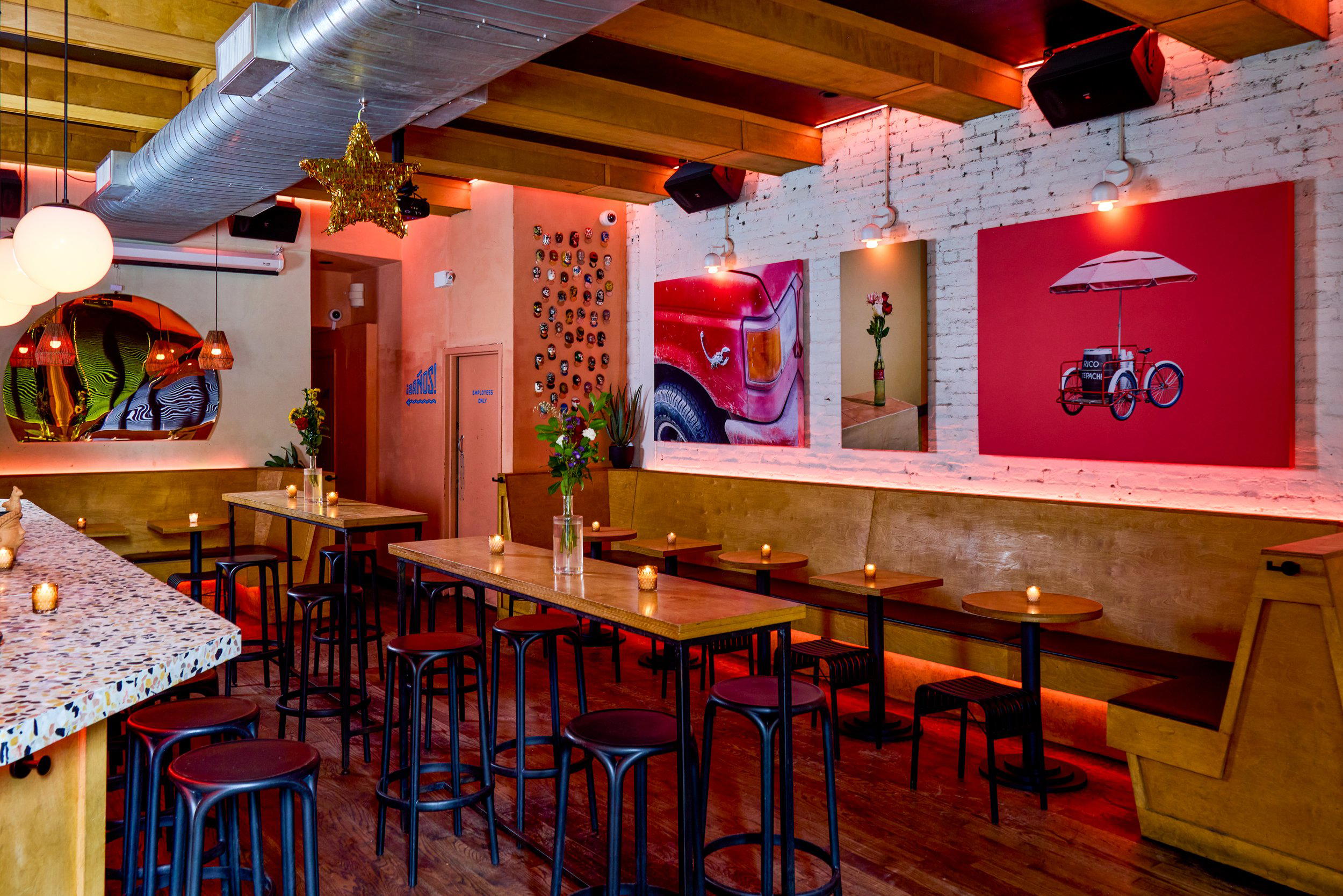
Casual and approachable setting with warm wood-fired oven atmosphere and classy neighborhood vibe.