Blue Door Kitchen & Garden

Blue Door Kitchen & Garden holds consecutive Michelin Plate recognition (2024 and 2025) in Chicago's Gold Coast and prices in the accessible mid-range tier for the neighbourhood. The American menu is anchored to a garden-linked concept that positions the kitchen closer to ingredient sourcing than most Gold Coast peers.
Pearl is the En Primeur Club membership app — saves, bookings, and concierge access live there. Same editors, same standards.
- Address
- 52 W Elm St, Chicago, IL 60610
- Phone
- (312) 573-4000
- Website
- bluedoorkitchenchicago.com
- Directions
- Get directions
 Saves & bookings on Pearl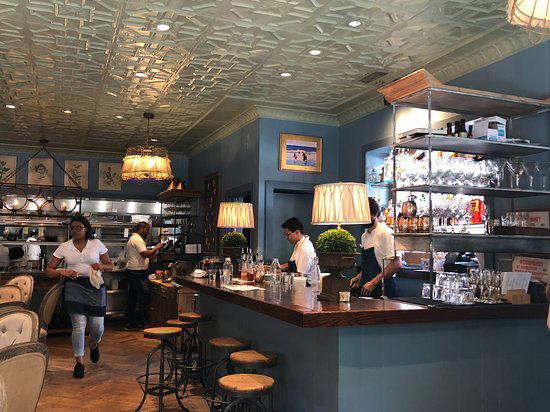
American Cooking and the Garden-to-Table Question in Chicago's Gold Coast
The approach to West Elm Street in the Gold Coast is quiet by Chicago standards: low foot traffic, residential brownstones, and a neighbourhood character that leans more private-club than dining district. Blue Door Kitchen & Garden is a Chicago restaurant at 52 W Elm St serving Southern Farm-to-Table Comfort at a $45 per-person price point. In that context, a restaurant with a garden in its name and no Michelin stars carries a specific signal. It is not reaching for the theatrical omakase or progressive-tasting territory occupied by Alinea or Smyth a few miles south. It is staking out a different claim entirely: seasonally oriented American cooking at a price point accessible enough that the Michelin Plate, rather than a star, is the appropriate credential.
Blue Door Kitchen & Garden, at 52 W Elm St, sits within that mid-range American tier in a city that has seen considerable movement in how restaurants connect sourcing language to actual practice. The garden component in its identity is not cosmetic. In a food city where sustainability has moved from talking point to operational standard across serious kitchens, the question worth asking of any garden-concept restaurant is how deeply the sourcing actually runs, and whether the price structure allows for it at the $$-bracket level.
Where It Sits in the Chicago Sourcing Conversation
At the leading, restaurants like Smyth have built farm relationships and fermentation programs into multi-course formats where the cost of ethical sourcing is absorbed into $$$$ pricing. Below that, most mid-range operators use seasonal language loosely, adjusting menus to what regional distributors offer rather than maintaining fixed farm partnerships. The interesting position is the one Blue Door appears to occupy: garden-rooted identity at a price accessible to a wider audience than the starred tier.
That positioning echoes what is happening in American cities generally, where a generation of operators has begun arguing that sourcing integrity and accessible pricing are not mutually exclusive. Comparable examples include Hilda and Jesse in San Francisco and Selby's in Atherton, both of which operate American menus with deliberate material choices at price tiers below the flagship tasting-counter tier. The editorial question for Blue Door is the same: does the garden concept translate into menu decisions that reflect reduced waste, direct relationships, or ingredient-led cooking, or does it remain primarily aesthetic?
At that volume, the score reflects consistent execution rather than novelty, guests return and recommend, which at the $$ tier typically correlates with value perception and reliability rather than theatrical ambition. That reliability is its own kind of sustainability argument: a restaurant that does not overpromise and does not generate the kind of sourcing theater that collapses under scrutiny.
Michelin Plate Recognition in Context
Recognition in 2024 and 2025 carries a specific meaning within the Guide's architecture. The Plate signals that inspectors found cooking worth acknowledging, quality ingredients, and technically sound execution. For a mid-range American kitchen with a garden-sourcing orientation, that is a meaningful external validation. It places Blue Door in a different competitive tier than the neighbourhood's steakhouses and brasseries while keeping it distinct from the starred progressive-American kitchens that dominate the city's critical conversation.
For comparison, one-star Gold Coast and Near North Side operators like Boka price considerably higher and frame their menus through a more explicit fine-dining contract. Blue Door's Plate status at the $$ bracket is more difficult to sustain: it requires genuine cooking quality at margins that do not permit the sourcing budget of a starred kitchen. The fact that inspectors returned for a second consecutive Plate in 2025 suggests the kitchen has not drifted.
The Gold Coast Setting and What It Means for Sourcing Practice
The Gold Coast's dining character is historically oriented toward comfort and occasion rather than culinary innovation. Hugo's Frog Bar, one of the neighbourhood anchors, has held its position through consistent execution of a classic seafood format that prioritises the guest experience over sourcing conversation. The neighbourhood is not where Chicago's ingredient-led restaurants typically cluster, that energy concentrates in the West Loop and Logan Square, where operators like Forbidden Root have built sustainability into their production model from the ground up.
Blue Door's address therefore makes its garden-concept positioning slightly contrarian for the area. That is the more credible version of the story.
Planning Your Visit
Blue Door Kitchen & Garden is located at 52 W Elm St in the Gold Coast, easily reachable from the Red Line's Clark/Division stop. The $$ price range puts it in accessible mid-range territory for the neighbourhood, making it a practical choice for both weekday meals and weekend occasions without the reservation pressure of the city's starred restaurants.
Elsewhere in the Gold Coast and Near North Side, John's Food and Wine occupies a comparable neighbourhood-restaurant register. For a different register entirely, GG's Chicken Shop and Portillo's represent the city's more casual, higher-volume American dining identity. Beyond Chicago, the farm-to-table American format reaches its most resource-intensive expression at Single Thread Farm in Healdsburg and The French Laundry in Napa, both of which operate integrated growing programs at the $$$$ tier. At the seafood end of the American sustainability conversation, Le Bernardin in New York and Providence in Los Angeles have each built sourcing ethics into their starred identities. Lazy Bear in San Francisco and Emeril's in New Orleans represent the American mid-tier doing ingredient-led work at a different scale.
What to Order
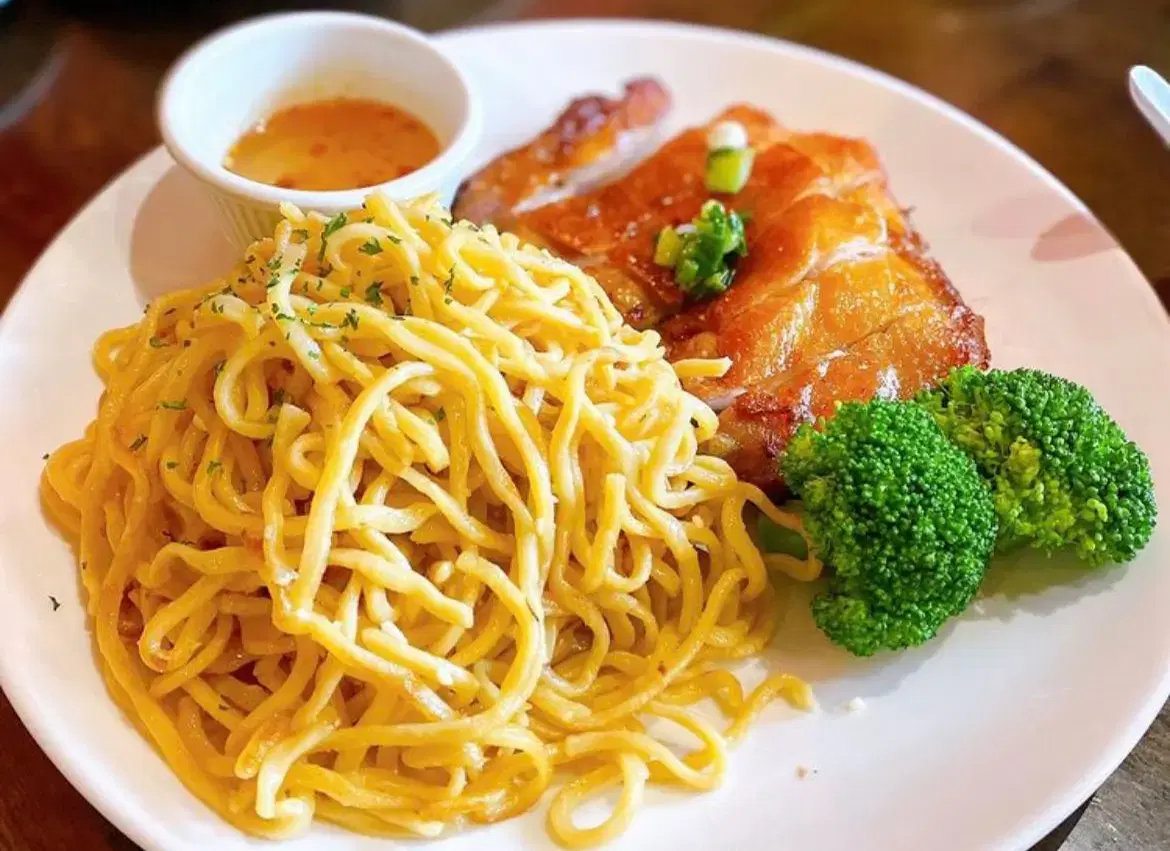
Blue Door Kitchen & Garden's menu falls under American cuisine with a garden-oriented sourcing framework. Given the consecutive Michelin Plate recognition, the Guide's signal for sound cooking with quality ingredients, the stronger ordering strategy at a kitchen like this is to follow what is most season-specific on the menu at any given visit. Garden-concept restaurants at this price tier tend to produce their most coherent plates when the kitchen is working with what is immediately available from its sourcing relationships, rather than year-round staples. The $$ price range means portions and formats are designed for accessibility rather than tasting-course theater, so a table-wide approach across multiple courses generally gives a clearer picture of the kitchen's range than a single-dish order.
Price Lens
Comparable venues nearby, for context on price, style, and recognition.
| Venue | Cuisine | Price | Awards | Notes |
|---|---|---|---|---|
| Blue Door Kitchen & GardenThis venue — the venue you are viewing | American | $$$$ | Michelin Plate | Not listed |
| John's Food and Wine | Lincoln Park, Seasonal American Bistro | $$$ | Michelin Plate | Not listed |
| Astor Club: Chef's Table | Not listed | $$$$ | Michelin Plate | Gold Coast, Modern American Fine Dining Tasting Menu |
| The Perch | Not listed | $$$ | Michelin Plate | Wicker Park, American Gastropub with Wood-Fired Grill |
| Travelle at The Langham, Chicago | Not listed | $$$$ | Not listed | Near North Side, Seasonal American with Creative Twist |
| Robert’s | Streeterville, Modern Thin-Crust Pizza | $$$ | Not listed | Not listed |
Recognition history
Dated appearances from independent guides and award organizations, with the underlying list record or original source where available.
Michelin Plate
Michelin
Michelin Plate
Michelin
At a Glance
- Cozy
- Elegant
- Classic
- Intimate
- Date Night
- Business Dinner
- Group Dining
- Family
- Brunch
- Open Kitchen
- Garden
- Historic Building
- Standalone
- Craft Cocktails
- Farm To Table
- Local Sourcing
- Garden
Current opening hours
- Monday
- 11 AM–9 PM
- Tuesday
- 11 AM–9 PM
- Wednesday
- 11 AM–9 PM
- Thursday
- 11 AM–9 PM
- Friday
- 11 AM–9 PM
- Saturday
- 10 AM–9 PM
- Sunday
- 10 AM–9 PM
Hours can change for holidays and private events. Last verified .
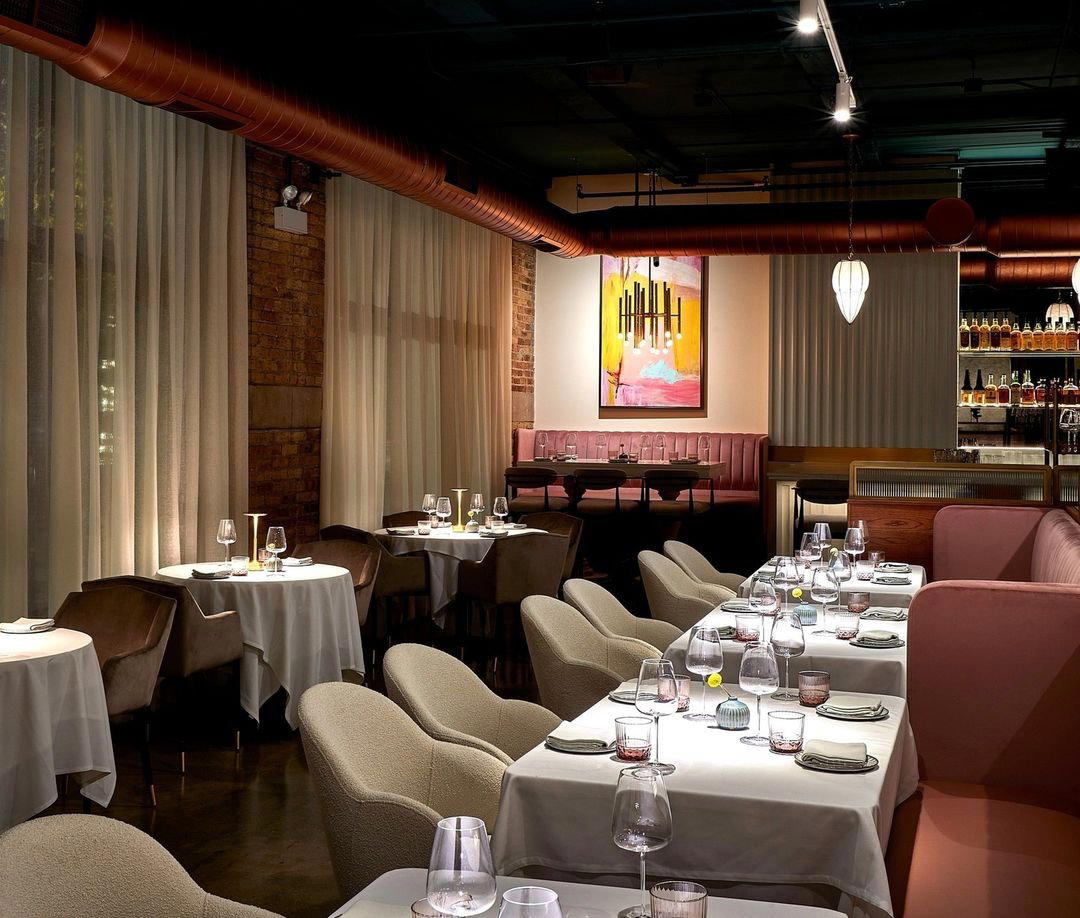
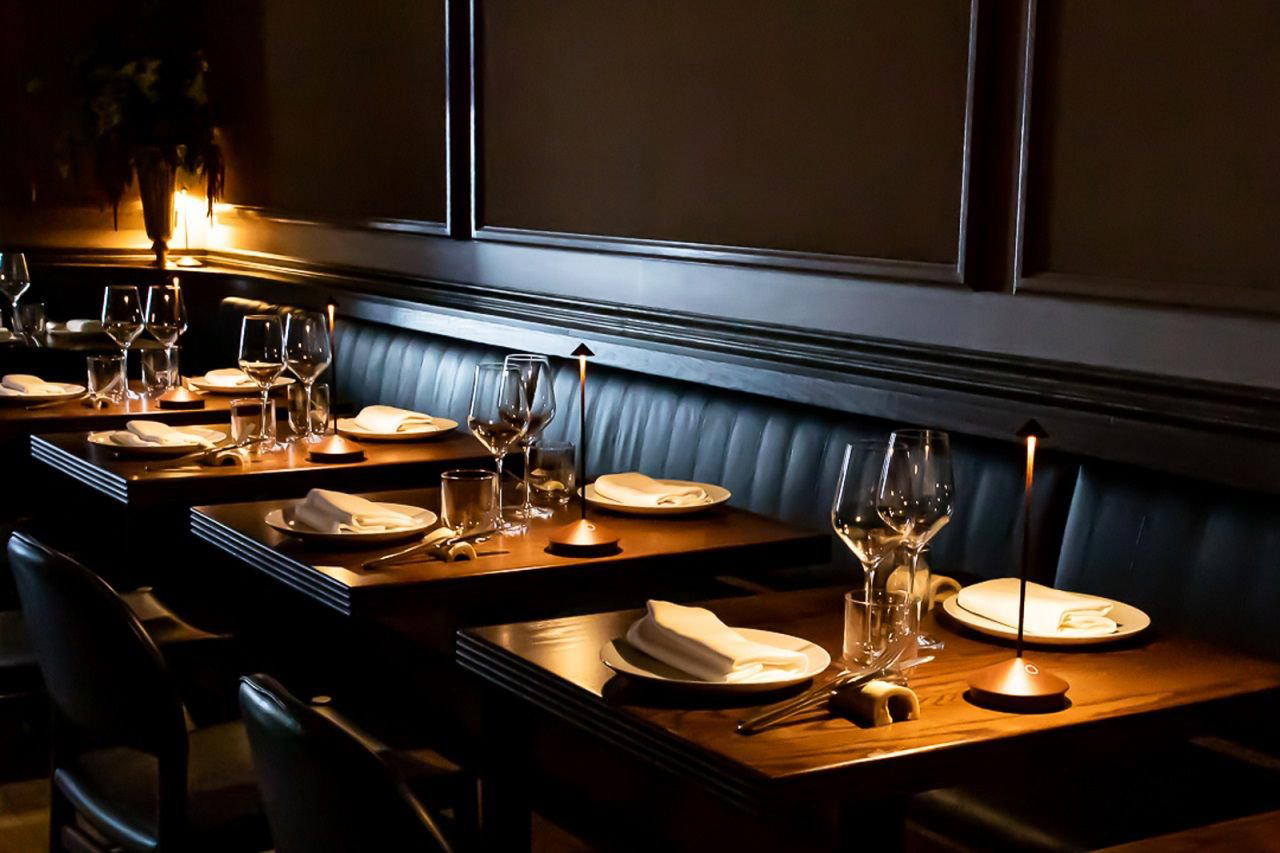
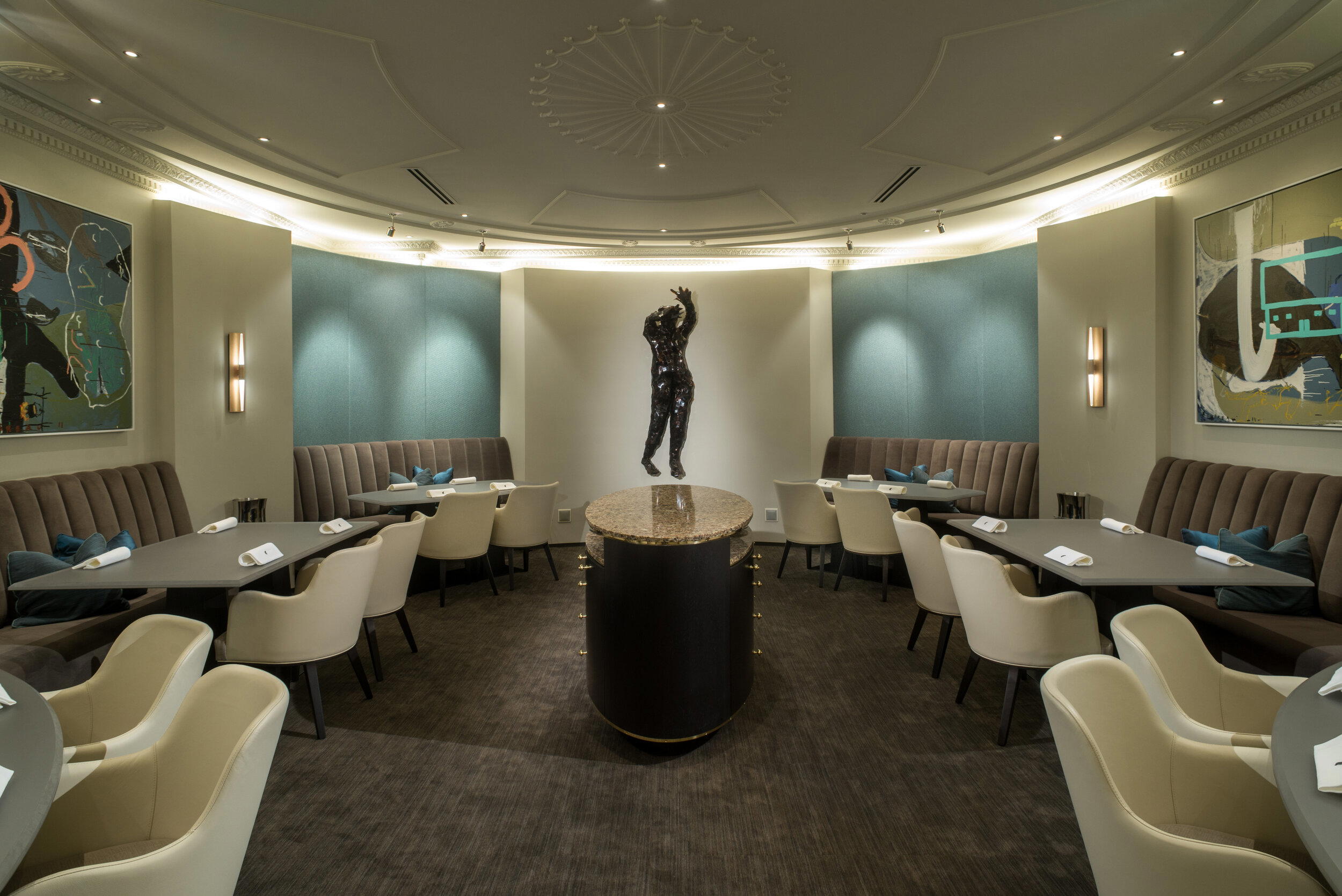
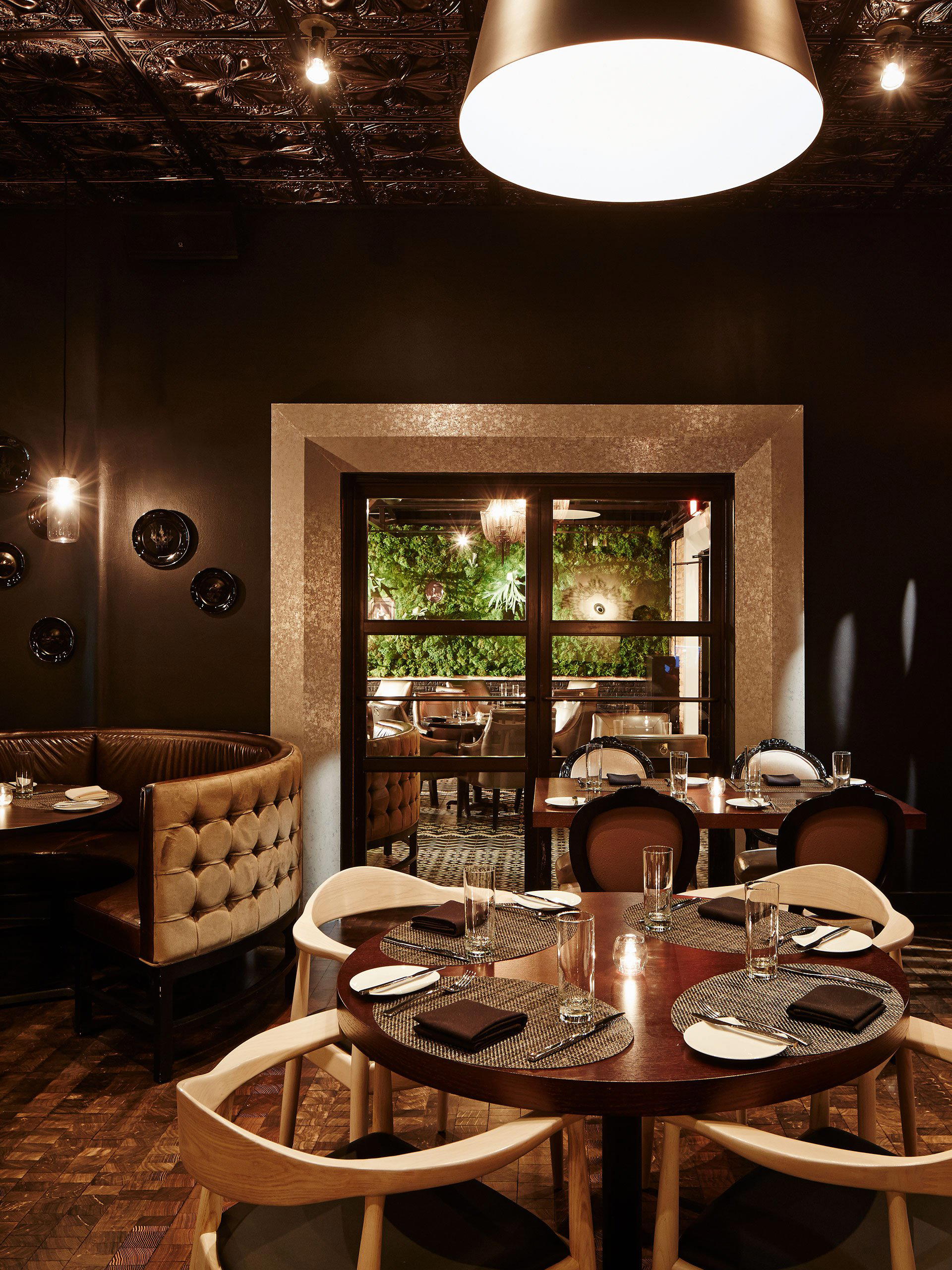
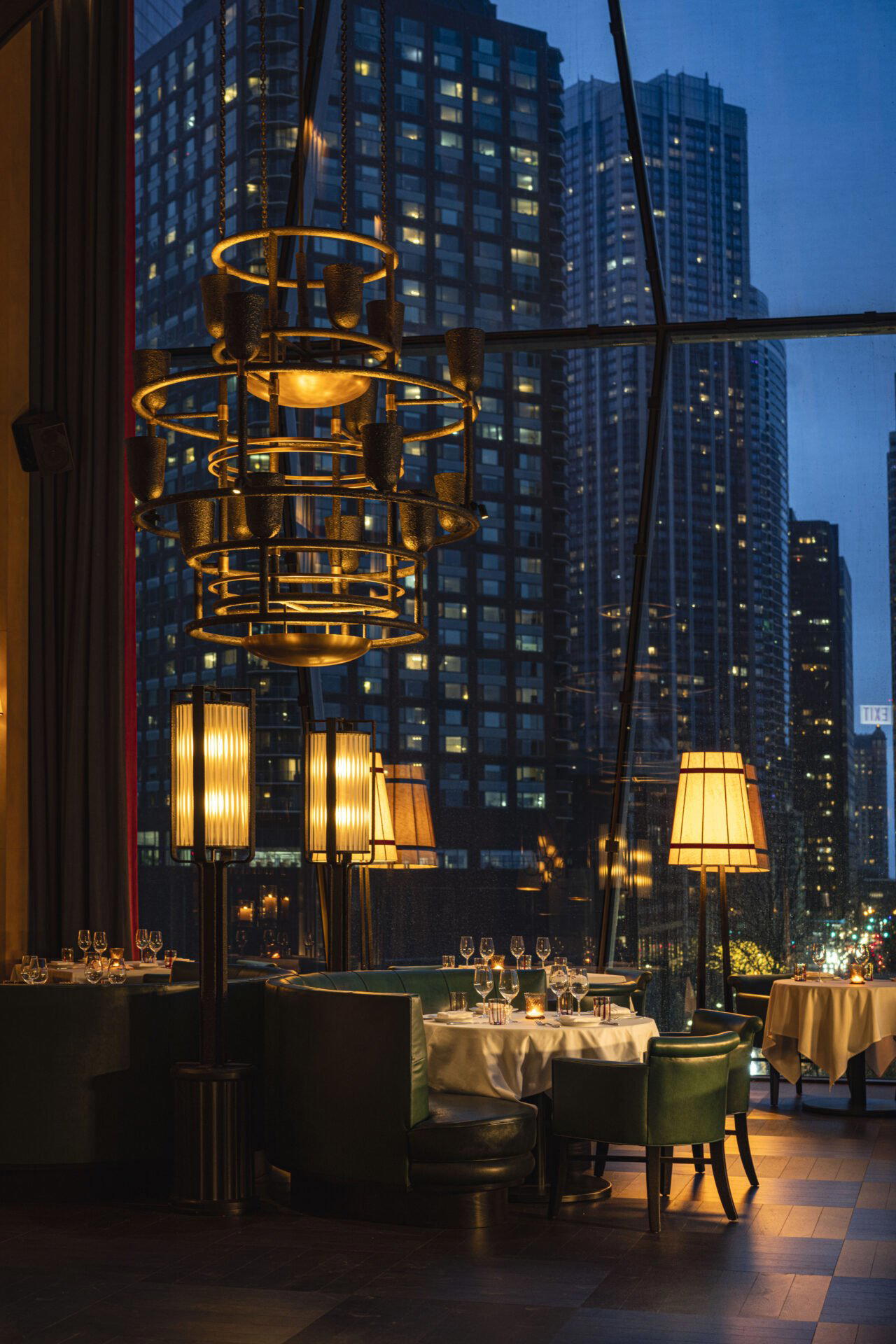
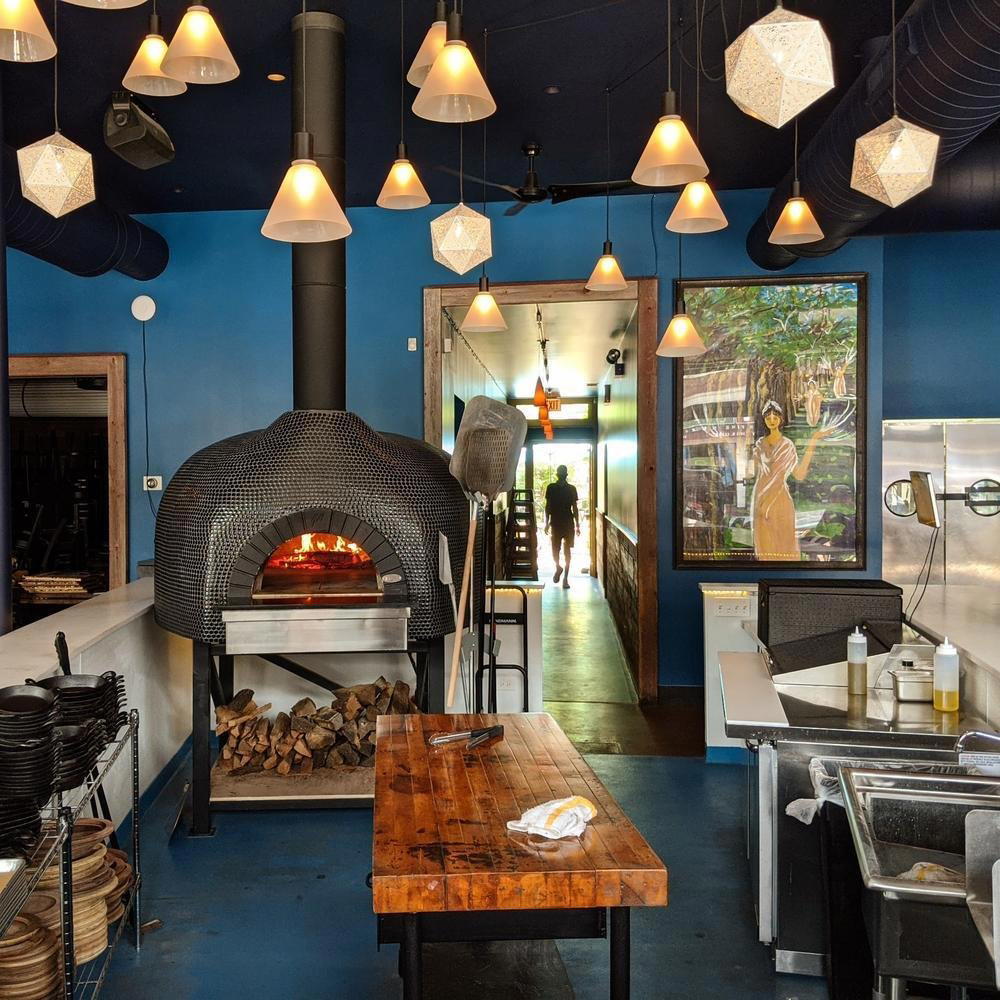
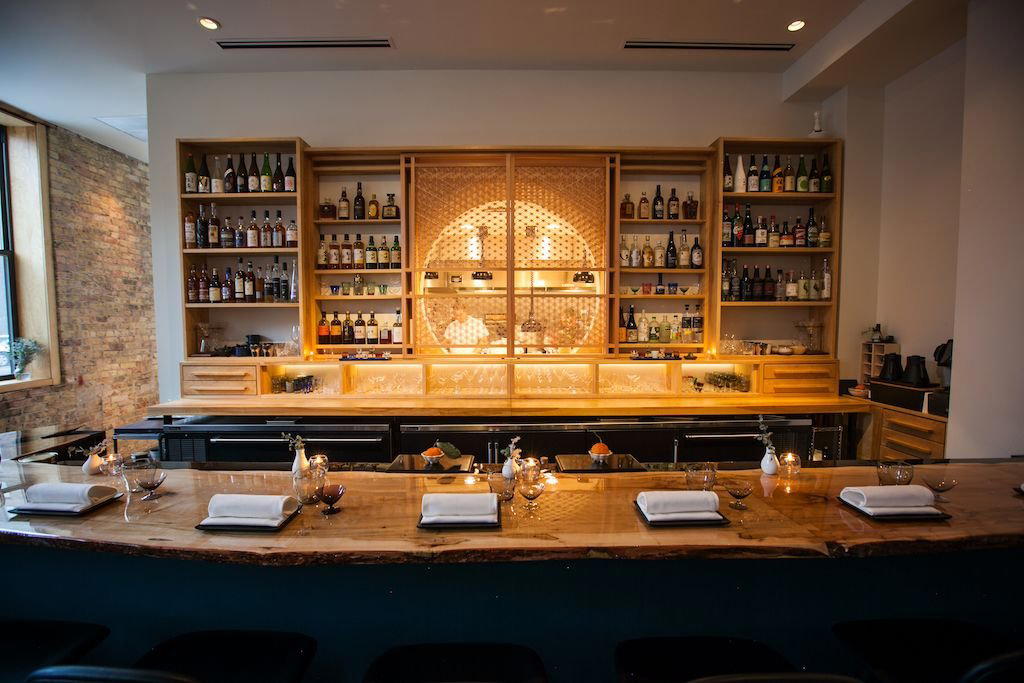
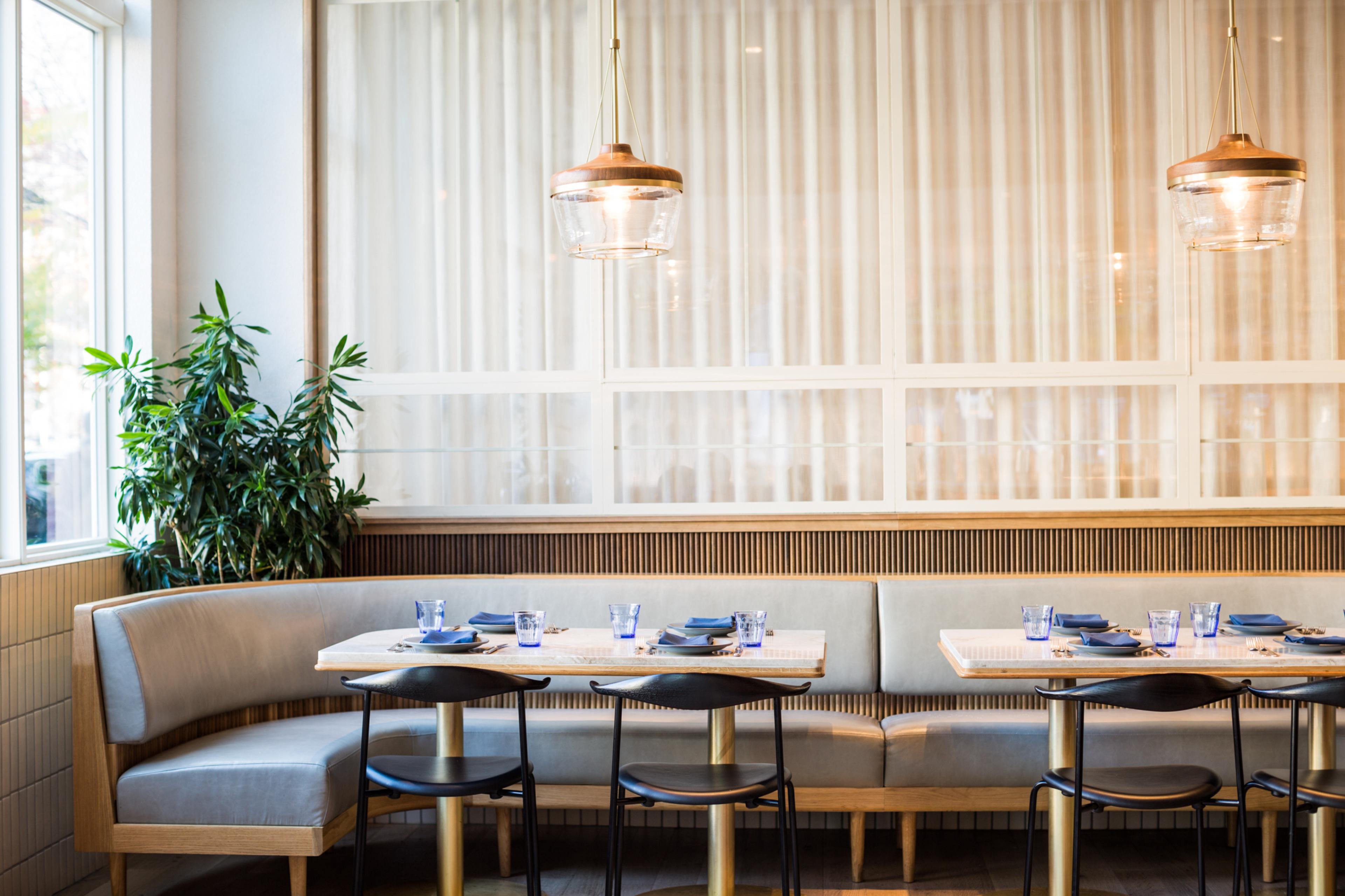
Warm, homey, and relaxed with soft lighting, wood floors, exposed brick walls, wooden beams, and lush greenery creating an intimate yet refined atmosphere.