
Yakitori Kouun is a compact Kagoshima yakitori counter with 16 seats, counter seating, private room availability for six, and selection in Tabelog’s Yakitori WEST 100 in 2024 and 2025. The draw is not ceremony for its own sake, but the Kyushu grammar of charcoal, chicken, vegetables, shochu, and a room scaled for close attention.
Pearl is the En Primeur Club membership app — saves, bookings, and concierge access live there. Same editors, same standards.
- Address
- 鹿児島県鹿児島市樋之口町10-45
- Phone
- +81992953332
- Website
- tabelog.com
 Saves & bookings on Pearl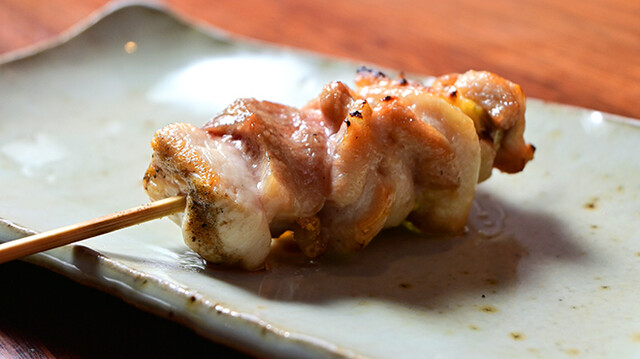
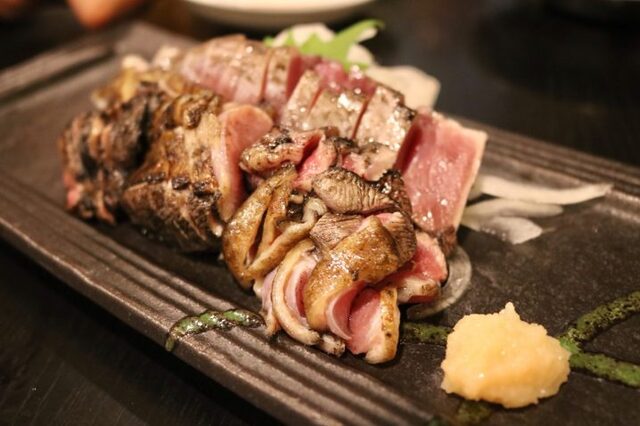
Charcoal changes a room’s tempo. In Kagoshima, where drinking culture has long leaned toward shochu rather than wine-page theatre, yakitori carries practical intelligence: smoke, salt, heat control, and restraint that keeps the evening moving. Yakitori Kouun belongs to that lineage, not the high-gloss counter culture of larger Japanese dining capitals. The space is small, the format focused, and the appeal lies between everyday skewers and the discipline that makes them worth crossing town for.
Kagoshima’s dining identity is often read through kurobuta pork, Satsuma-age, market seafood, and sweet-potato shochu, but chicken has local resonance in southern Kyushu. Charcoal grilling suits the region’s appetite for direct flavors: fewer sauces, more attention to cut, doneness, smoke, and pacing. A yakitori counter here need not mimic Tokyo’s trophy-seat model. It can be judged by whether the grill anchors the room, the drinks list understands nihonshu and shochu, and small scale produces concentration rather than preciousness.
Charcoal-grilled chicken in a city that drinks seriously
Yakitori’s cultural value lies in how much technique hides inside a casual form. The skewer looks simple; the work is in butchery, spacing, seasoning, and heat. The genre is unforgiving. A kitchen can dress up a tasting menu with tableware and narrative, but yakitori has fewer places to hide. The better rooms make repetition purposeful: chicken, vegetable, smoke, drink, conversation, then another skewer before the pace slackens.
That is the frame for Yakitori Kouun. Its selection for Tabelog’s Yakitori WEST 100 in both 2024 and 2025 places it in a regional conversation beyond Kagoshima, while its Tabelog score of 3.78 gives a public benchmark in a category where regulars and traveling diners overlap. The listing also notes attention to vegetables and vegetarian options, important because non-chicken courses show whether a counter treats the grill as a full language or a narrow protein station.
The drinks context matters. Kagoshima is shochu country, and yakitori is a format where shochu makes immediate sense: it cuts through fat, tolerates smoke, and does not demand formal pairing hush. The listed drinks cover sake, shochu, wine, and cocktails, with particular attention to sake. That breadth places the restaurant closer to a modern charcoal counter than an old drinking den, though the city’s shochu backbone remains part of the rhythm.
A compact counter, not a destination spectacle
The 16-seat scale is the operative fact. Small yakitori restaurants work because the grill is not background equipment; it is the organising element. Counter seating shows timing and sequence, while a private room for six creates a more contained evening without making the restaurant a banquet venue. Non-smoking status is a practical signal for travelers who want charcoal aroma without cigarette smoke.
Within Kagoshima, the comparison set is varied. Torisen Ippo operates in a lower dinner bracket, Yakitori Senmyou sits in the same stated spending band, and Karen Kagoshima ten moves higher with a different proposition. BAR STINGER, though not a restaurant peer, is relevant to how Kagoshima evenings continue after dinner: cocktails and spirits rather than another full meal. That spread defines Kouun’s lane. It is neither the city’s cheapest skewer stop nor a luxury set-piece, but mid-priced and small-format, where recognition depends on execution rather than scale.
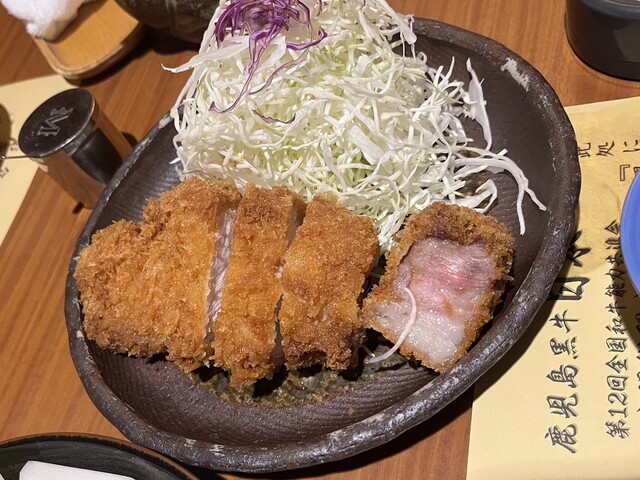
For a broader read on the city, compare it with Kagoshima staples such as Aji no Tonkatsu Maruichi for pork culture, Akadori Sumiyaki Daiyasu for another charcoal-chicken angle, Charcoal-grilled Fish & Clay Pot-cooked Rice Ochawan, Japanese Set Meal Diner for grilled fish and rice, and Ichiba Shokudo Jounan ten for market-adjacent everyday cooking. Together, they show a city less interested in imported luxury codes than in heat, rice, pork, fish, chicken, and drink culture handled confidently.
How to place it in a Kagoshima itinerary
Use Yakitori Kouun as a focused dinner rather than a symbolic splurge. Opened in 2014, its decade-plus operating history gives it more weight than a fashionable newcomer. Its location near Koto Chugakko Mae Station also makes it workable for a night with a bar stop afterward, especially for travelers staying around central Kagoshima rather than making dinner a taxi-dependent excursion.
Reservations are available, the practical move for a 16-seat room with regional recognition. The listed schedule runs dinner service most evenings except Sunday, with a last order before closing and the caveat that service can end when ingredients run out. Read that plainly: later arrivals carry more risk. Payment flexibility is stronger than at many compact counters, with major credit cards, transit IC cards, QUICPay, and PayPay listed.
Travelers building a fuller Kagoshima plan can start with Our full Kagoshima restaurants guide, then branch into Our full Kagoshima bars guide, Our full Kagoshima hotels guide, Our full Kagoshima experiences guide, and Our full Kagoshima wineries guide. For contrast beyond Kagoshima, EP Club’s Japan and international restaurant coverage ranges from -Grilled beef Sukiyaki- KAMAKURA TANUKIAN 鎌倉 たぬき庵 in Kamakura and. 鮪と炭火焼き うお炭 秋葉原店 in Tokyo to.cafe in Osaka.know in Kumamoto, (Shoku) Vietnam in Kawasaki, [Curry Senmon Ten] Maruyama Kyoju. in Sapporo, Jōdo Saké Bar in Los Angeles, and Onigiri Time in Pasadena. Those references are not direct peers; they mark how tightly Japanese dining formats travel, adapt, and keep identity when the premise is clear.
The editorial case for Kouun is specific: a small Kagoshima yakitori room with credible regional recognition, a drink program broad enough for shochu and sake drinkers, and a scale that keeps the grill central. In a city where dinner can default to pork, seafood, or izakaya grazing, this is the charcoal-chicken address to prioritise when the night calls for focus rather than variety for its own sake.
Price Lens
Comparable venues by cuisine and price in the same metro.
| Venue | Cuisine | Price | Notes |
|---|---|---|---|
| Yakitori KouunThis venue — the venue you are viewing | Hinohiguchi-cho, Yakitori | $$ | Not listed |
| Ichinii San Tenmonkan ten | Not listed | $$ | Tenmonkan, Kagoshima kurobuta shabu-shabu & regional dishes |
| Sushi Dokoro Kimiya | Not listed | $$$ | Not listed |
| Tonkatsu Kawakyu | Chuocho, Kagoshima Black Pork Tonkatsu | $$ | Not listed |
| Maruman Ganso Yakitori | Not listed | $$ | Tenmonkan / Tenmonkandori, Traditional Kagoshima Yakitori (Satsuma Chicken) |
| shirokuma cafe | Not listed | $ | Tenmonkan, Traditional Kagoshima shaved ice & dessert cafe |
Recognition history
Dated appearances from independent guides and award organizations, with the underlying list record or original source where available.
Tabelog 100 #80 · No. 80
Tabelog · Tabelog 100 - Yakitori - WEST - 2025
Continue exploring
More in Kagoshima
Restaurants in Kagoshima
Browse all →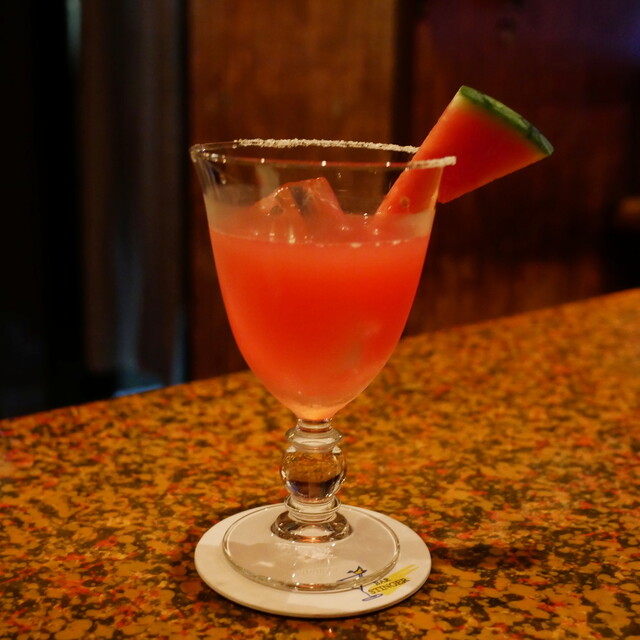
Hotels in Kagoshima
Browse all →
Wineries in Kagoshima
Browse all →
At a Glance
- Intimate
- Cozy
- Classic
- Date Night
- Group Dining
- Solo
- Special Occasion
- Late Night
- Chefs Counter
- Standalone
- Sake Program
- Beer Program
- Craft Cocktails
- Local Sourcing
Dimly lit, relaxed, and calm, with counter seating, table seating, and tatami mat areas that suit dates and unhurried dinners.