
Tabelog 100 #38
Our verdict
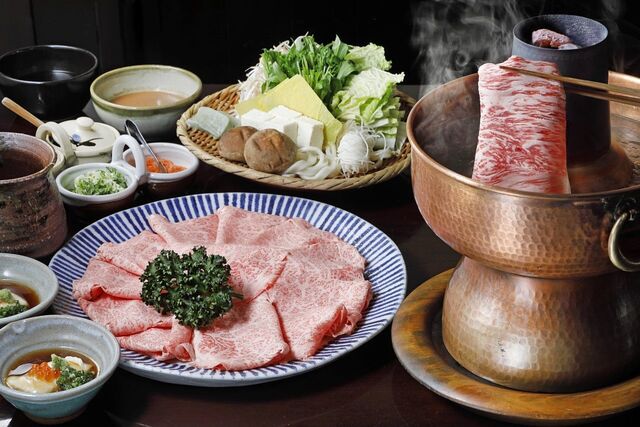
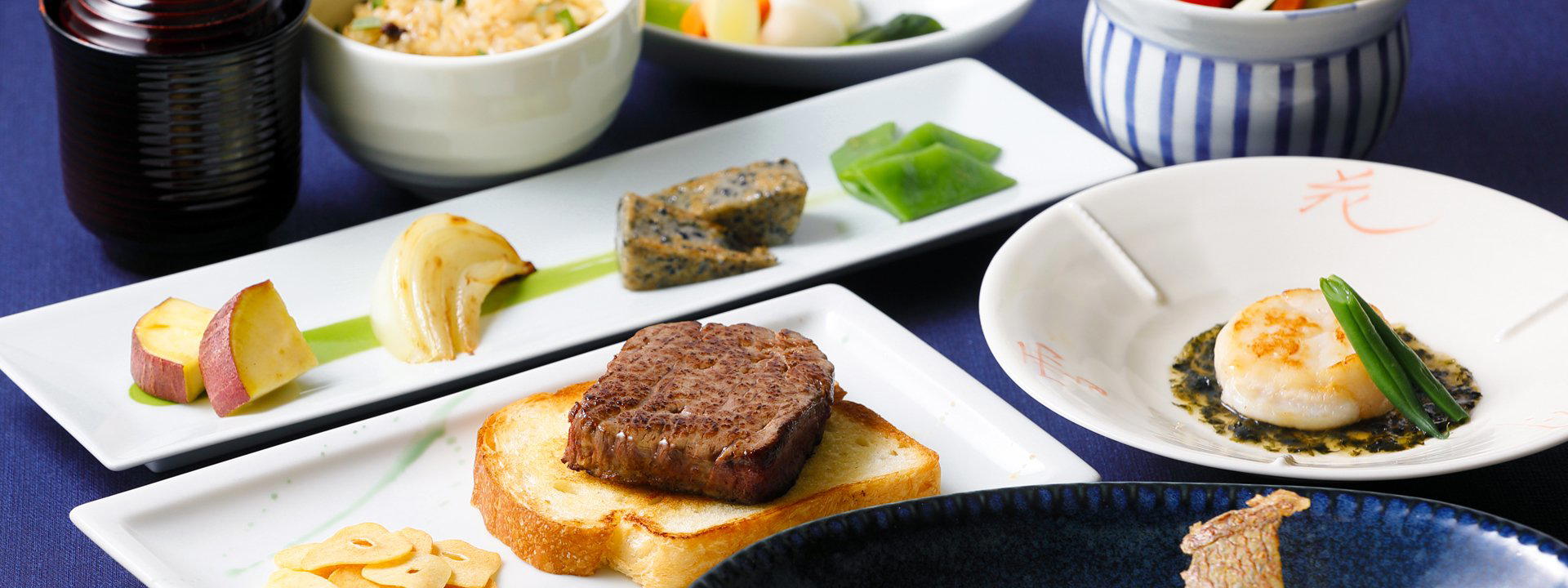
Yagumo gives Nagoya’s shabu-shabu tradition a formal, sequence-driven setting rather than a quick hot-pot stop. Its Tabelog 100 Hot Pot 2024 selection, 100-seat scale, private-room format, and focus on shabu-shabu, sukiyaki, and Japanese cooking place it in the city’s established entertaining tier, useful for diners who want ceremony without drifting into counter-only fine dining.

Pearl is the En Primeur Club membership app, where members save venues, book tables and use the concierge.
The menu
What to order
- Charcoal-fired shabu-shabu (susugi nabe) with sesame sauce
- Sukiyaki course
- Ami-yaki (grilled beef) course
- Kaiseki course menus
- Oshokuji with kishimen noodles
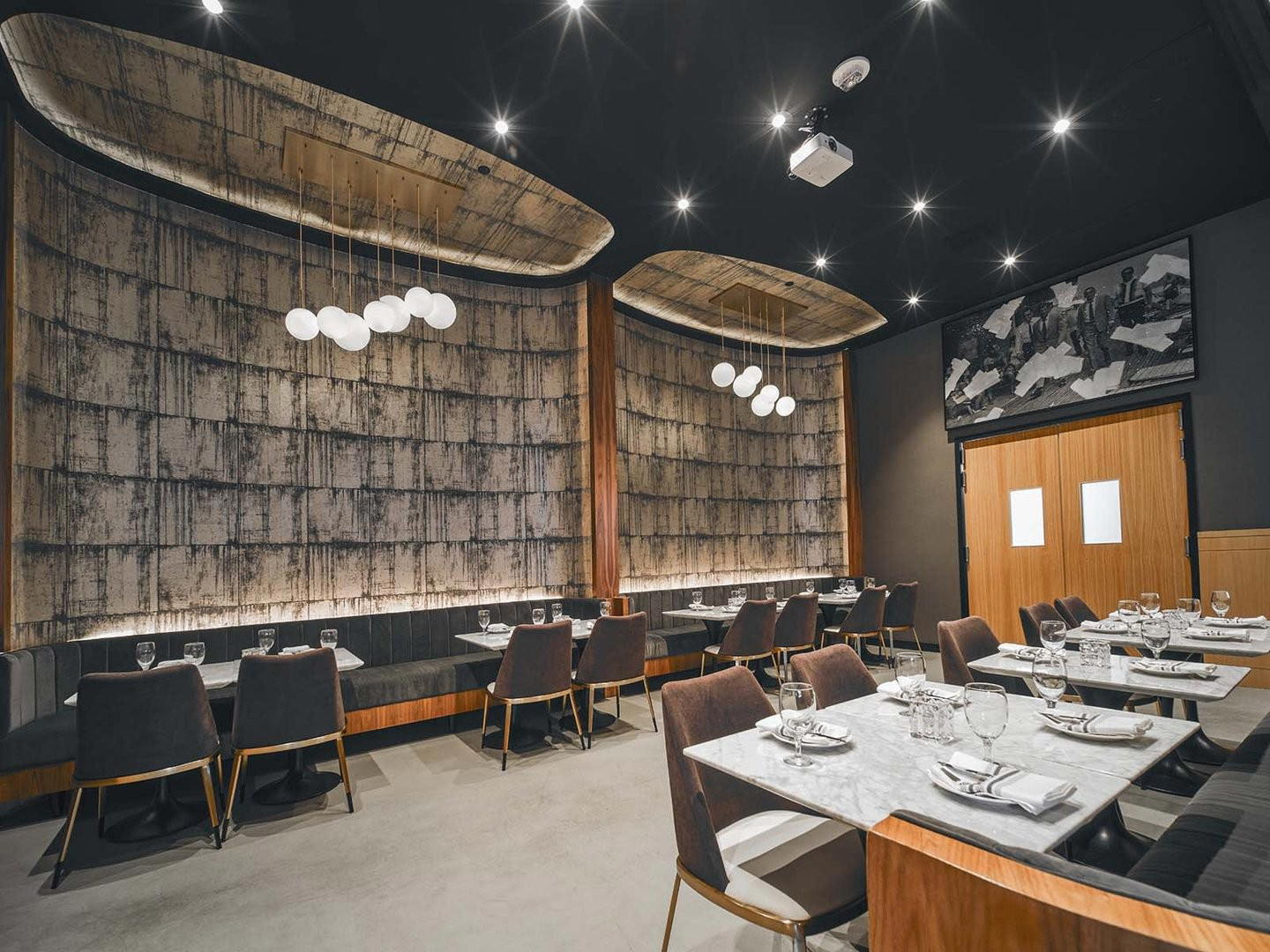
The room matters before the broth. Nagoya’s older hot-pot houses announce themselves through spacing, table arrangement, and service discretion rather than theatrical kitchens, and Yagumo belongs to that lineage. Its appeal is not a single plate or chef-led monologue, but the measured rhythm of a Japanese meal built around heat, dipping, pacing, and conversation. In a city where business dinners often favor structure and comfort, shabu-shabu remains a social format with its own grammar: the pot at the center, the meal unfolding in stages, and the table controlling tempo without losing formality.
That structure explains why Yagumo sits apart from Nagoya’s contemporary reservation circuit. Yakitori Kissho works in a narrower grilled-skewer register, while Ronin and prospero occupy a similar dinner spend band through different culinary languages. Maruko overlaps in the city’s mid-to-premium Japanese dining conversation, and Trattoria Tope pushes Italian dining into a higher evening bracket. Hot pot has another logic: communal but controlled, familiar but not casual by default, and in Nagoya often a setting for work dinners, family occasions, and group meals where the room is part of the value.
Shabu-shabu as a paced meal, not a single-pot shortcut
Good shabu-shabu depends on progression. The table begins with anticipation around the vessel, then moves through first cooked items, condiments, side dishes, and the slower comfort of a meal that gathers weight as it goes. The format rewards patience: diners are not chasing novelty course by course, but reading shifts in heat, texture, broth concentration, and timing. Sukiyaki, with its sweet soy-based profile, offers a more assertive counterpoint within the same Japanese hot-pot family. Having both shabu-shabu and sukiyaki in the house’s stated categories gives the meal range, especially for mixed groups choosing between lighter dipping and richer simmering.
Yagumo’s 2024 selection for Tabelog 100 Hot Pot gives it a clear external signal in a category where international travelers often lack reference points. The Tabelog score is 3.61, which in Japan’s user-review culture sits in a competitive bracket rather than the inflated ratings common on global platforms. More important is the category itself: Hot Pot is where long-running specialists, regional comfort, and formal Japanese dining overlap. Selection here suggests category credibility, not flash.
The restaurant’s place in Nagoya matters less as nostalgia than context. Shabu-shabu is often treated by visitors as a national template, but better experiences are shaped locally by room type, service cadence, and occasion. Nagoya’s dining culture has a pragmatic streak: value is measured not only in product quality but in suitability. A hot-pot meal that can handle business, friends, celebrations, and welcome or farewell gatherings occupies a broad civic role. That versatility is tradition, not compromise.
Service rhythm changes the meaning of hot pot in Nagoya
The social scale is notable. A shabu-shabu restaurant suited to both smaller tables and group use functions differently from an intimate counter or chef-driven tasting room. It gives the format social elasticity. The same cooking method can support a quiet dinner, formal company meal, or family gathering without changing the experience’s architecture. Seating style and room comfort also matter practically, especially for older guests or mixed-age groups.
This is where Nagoya differs from cities that export dining through omakase counters and tasting menus. Its premium meals are not limited to intimate chef-facing formats. Many operate through measured pacing, composed room layouts, and hospitality designed for conversation. Yagumo’s role in that context reinforces hot pot’s hosting function. The point is not pairing orthodoxy, but flexibility for tables where guests may approach the same meal differently while sharing the same pot.
For travelers, the decision is clear. Choose this style when the meal needs space, cadence, and Japanese hot-pot tradition with formal footing. Choose another Nagoya category when the priority is counter intimacy, grill smoke, or wine-led Italian cooking. The comparison is not hierarchical; it is about what kind of evening the table needs. The city has enough range that a hot-pot room should not be mistaken for a fallback from fine dining. At this level, it is a distinct branch of Japanese hospitality.
How to place it in a Nagoya dining itinerary
Yagumo fits a Nagoya itinerary that balances regional depth with national Japanese formats. The city is known to many visitors through miso katsu, kishimen, hitsumabushi, and coffee-shop culture, but its formal dining side often appears in rooms built for hosting rather than spectacle. Shabu-shabu gives that side a clean reading: controlled service, shared cooking, a composed setting, and a meal arc that leaves room for conversation.
Travelers comparing city options can use Our full Nagoya restaurants guide as the broader map, then branch into nearby categories through Our full Nagoya hotels guide, Our full Nagoya bars guide, Our full Nagoya wineries guide, and Our full Nagoya experiences guide. Within the restaurant index, other Nagoya dining rooms show how varied the city becomes once the search moves beyond a single cuisine label.
For readers tracing hot pot and Japanese comfort formats beyond Aichi, the wider EP Club restaurant archive is best used as calibration rather than direct substitution. Japanese dining abroad and across regions often compresses formats that, in Japan, remain highly specific. Yagumo should be read within that specificity: shabu-shabu, Japanese cuisine, and sukiyaki in Nagoya, with external recognition from Tabelog’s Hot Pot selection.
The editorial read is simple: this is a room for diners who understand that shabu-shabu progression can be as deliberate as a tasting menu, even when the table does part of the cooking. The value lies in sequence, composure, and category confidence. In Nagoya, that combination carries more authority than another performance of novelty.
Frequently asked questions
What are Yagumo's hours?
Current hours for Yagumo should be confirmed directly with the restaurant before visiting.
Is Yagumo expensive?
Pricing at Yagumo is listed as Dinner: JPY 10,000 - JPY 14,999; Lunch: JPY 3,000 - JPY 3,999.
What's Yagumo's location?
Nagoya.
What is Yagumo known for?
Yagumo is known for shabu-shabu, Japanese cuisine, and sukiyaki in Nagoya, with a 2024 Tabelog Hot Pot selection and a listed Tabelog score of 3.61.
Comparison Snapshot
Comparable venues at a glance for context.
| Venue | Cuisine | Price | Awards | Notes |
|---|---|---|---|---|
| YagumoThis venue (the venue you are viewing) | Traditional Nagoya Shabu-shabu & Sukiyaki (Mingei Kappo) | $50–100 | Tabelog 100 #38 | Not listed |
| Yakiniku Taiga | Modern wagyu yakiniku | $30–50 | Tabelog 100 #39 | Naka |
| Yakitori Shige Higashizakura | Nagoya Cochin Yakitori Omakase | $50–100 | Tabelog 100 #55 | Higashi |
| Kikkou Hanare | Seasonal Omakase Sushi Counter | $100–150 | Tabelog 100 #29 | Nishi |
| Yasui | Seasonal Japanese Cuisine with Clay Pot Rice | $50–100 | Tabelog 100 #8 | Nakamura |
| Tatsufumi Shiten | Traditional Sushi Omakase Counter | $100–150 | Tabelog 100 #5 | Higashi |
Recognition history
Dated appearances from independent guides and award organizations, with the underlying list record or original source where available.
Tabelog 100 #38 · No. 38
Tabelog · Tabelog 100 - Hot Pot - 2024
Continue exploring
More in Nagoya
Restaurants in Nagoya
All restaurants in Nagoya →
Details
- Classic
- Elegant
- Rustic
- Well Known
- Intimate
- Business Dinner
- Group Dining
- Family
- Celebration
- Private Event
- Private Dining
- Historic Building
- Design Destination
- Standalone
- Local Sourcing
- Set Menu
- Tasting Menu
- Family Style
- Sake
- Beer
- Shochu
Current opening hours
- Monday
- 5:30–10 PM
- Tuesday
- 5:30–10 PM
- Wednesday
- 5:30–10 PM
- Thursday
- 5:30–10 PM
- Friday
- 5:30–10 PM
- Saturday
- 11:30 AM–2:30 PM, 5:30–10 PM
- Sunday
- 11:30 AM–2:30 PM, 5:30–10 PM
Hours can change for holidays and private events. Hours as of .
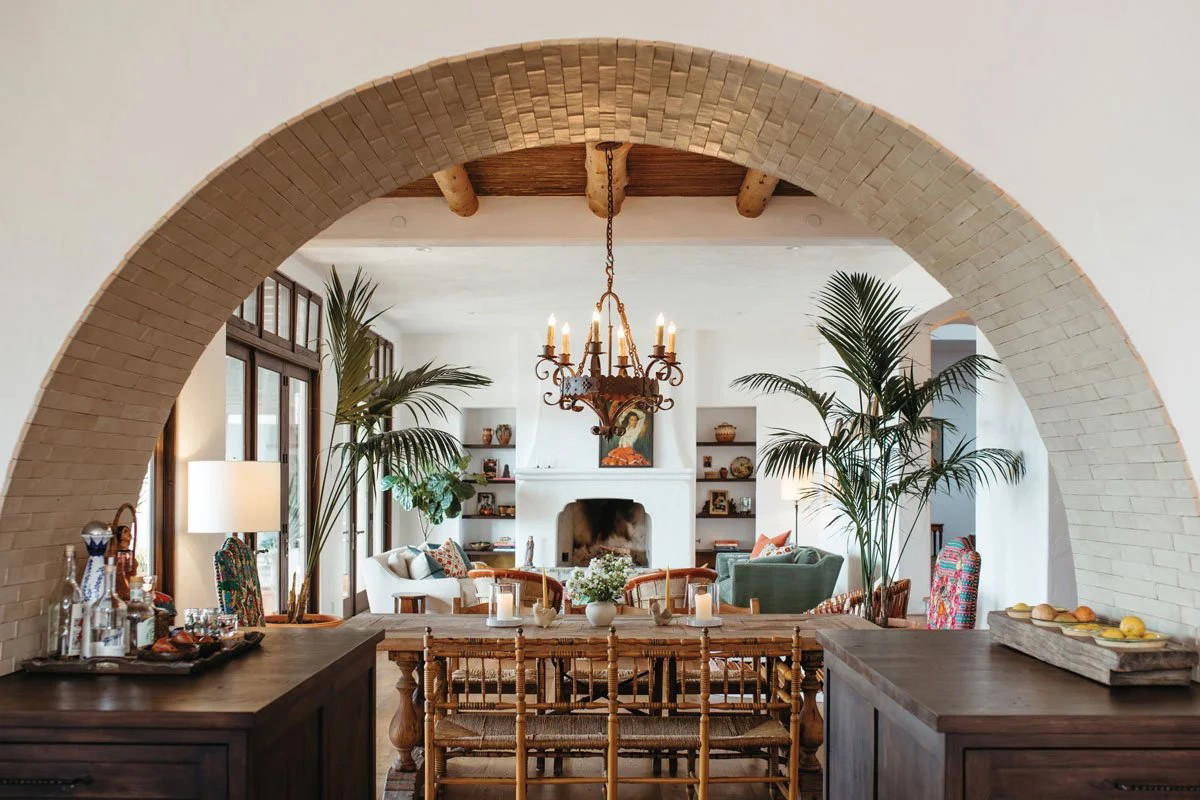
A quietly refined, nostalgic atmosphere in a folk-craft (mingei) style wooden building, decorated with works by noted Japanese artists and soft, warm lighting, creating an elegant yet cozy setting suited to business dinners and family celebrations.