
Tabelog 100 #58
Our verdict
Masaka places Nagoya yakiniku in a quieter, occasion-led register: compact, smoke-tolerant, and built around beef and tripe rather than ceremony. Tabelog selected it for the Yakiniku EAST 100 in 2025 and 2020, a useful signal in a city where special-occasion dining often defaults to higher-priced Italian or kappo-style counters.

Pearl is the En Primeur Club membership app, where members save venues, book tables and use the concierge.
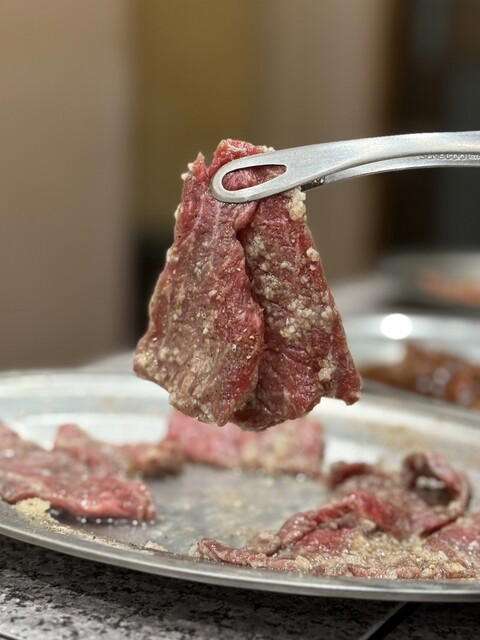
The menu
What to order
- Assorted yakiniku platters
- Beef tripe (horumon) cuts
- Japanese black wagyu kalbi
Approaching a yakiniku room in Nagoya after dark is a different proposition from entering the city’s polished hotel dining rooms or formal tasting-menu counters. The appeal is less about theatrical arrival than compression: heat, conversation, grills taking over the table, and a meal that turns a group dinner into a shared sequence of decisions. Masaka belongs to that side of Nagoya dining, where the occasion is not softened into ceremony. It is made social, smoky, and direct.
That matters in a city with several competing languages for milestone meals. At the higher end, Nagoya diners can look toward restaurants such as Itsuki or Japan no Italian Ryori Ten sai, where the experience is framed very differently. Yakiniku works on another register. It gives the table control, keeps the rhythm communal, and makes meat quality, pacing, and grill management part of the evening rather than background service. For birthdays, reunions, and small celebrations, that format can feel more honest than a procession of plated courses.
Yakiniku for groups that want energy over formality
Nagoya’s serious dining culture is often discussed through sushi, kaiseki, Italian, and French-leaning rooms, but yakiniku has its own hierarchy. Recognition in Tabelog’s 2025 listings, with a score of 3.58, puts Masaka in a category where specialist reputation matters more than design language. The restaurant is also categorized around yakiniku and tripe, a useful distinction: this is not merely grilled beef as a generic night out, but a meat-focused room with offal in the frame.
The occasion angle is important. Yakiniku rewards groups who like to eat actively. The table is not waiting passively for the kitchen to define the entire arc; the meal depends on ordering, sharing, watching the grill, and negotiating pace. That makes the format well suited to friends and small celebrations, especially when the point is conversation rather than hushed reverence. In Nagoya, where business dinners can become rigid and tasting menus can become expensive quickly, this middle band has real value.
The city comparison is revealing. A dinner budget around JPY 6,000 to JPY 7,999 places the experience in a contained bracket for a planned group meal. That changes expectations. Masaka is not competing on linen, wine-pairing ceremony, or chef-counter intimacy. It competes on whether a focused yakiniku room can turn a relatively contained spend into a meal with enough texture for an occasion.
For broader planning, Our full Nagoya restaurants guide gives the wider city context, while other Nagoya dining rooms help map how varied the city’s restaurant field has become. The point is not to rank unlike formats against one another; it is to choose the level of ceremony the evening actually needs.
The Nagoya setting keeps the meal grounded
Nagoya gives this kind of dinner a useful counterpoint to the city’s more polished commercial dining zones. The appeal is not a hotel-lobby gloss or a department-store sense of occasion. For yakiniku, that helps. The format benefits from a grounded feel: a room where the grill, not the room styling, sets the tempo.
The practical shape reinforces that reading. Masaka is best understood as a place for a group that wants a lively table within a focused room rather than a corporate dinner built around separation and quiet. The restaurant’s appeal is direct and social, so diners should choose it for energy, appetite, and shared decisions rather than for the hush of a formal counter.
Drinks and logistics should be checked directly with the restaurant before the evening is planned. That is especially true for anyone organizing a birthday, a visiting guest, or a casual but deliberate dinner among friends. In a yakiniku setting, the small practical details matter because they determine the pace of the meal as much as the order itself.
Anyone building a fuller Nagoya stay can pair the restaurant decision with Our full Nagoya hotels guide, Our full Nagoya bars guide, Our full Nagoya wineries guide, and Our full Nagoya experiences guide. For contrast across Japan and beyond, EP Club also covers specialist casual and Japanese-adjacent formats in other cities, but Masaka’s case is most clearly understood within Nagoya’s own range of informal, occasion-ready dining.
Where Masaka fits in a Nagoya celebration
Masaka is strongest as a choice for diners who want a special meal without the stiffness that can come with a formal counter or tasting menu. The Tabelog 2025 recognition gives it external support, the JPY 6,000 to JPY 7,999 dinner band keeps it within reach for a group dinner, and the yakiniku format gives the evening enough focus to feel deliberate. It is less about formal ceremony than about whether the table wants to participate in the meal.
The editorial read is simple: this is occasion dining for people who prefer appetite and conversation over choreography. In Nagoya, that is a useful category. Not every celebration needs a long menu, a sommelier-led progression, or a high-spend room. Some are better built around a grill, a few decisive rounds of meat, and a table that stays animated until the last order is gone.
Frequently asked questions
Is Masaka okay with children?
Masaka reads more like a group-oriented yakiniku room than a family restaurant. Its format is active and table-focused, so families should check directly with the restaurant before planning a meal with children.
What's the overall feel of Masaka?
Masaka feels informal, direct, and group-oriented. The Tabelog 2025 recognition, plus the JPY 6,000–7,999 dinner price range, places it in a solid Nagoya dinner bracket rather than a formal occasion room.
Is Masaka more mid-range or high-end?
Pricing at Masaka is listed as JPY 6,000 - JPY 7,999 View spending breakdown.
When is Masaka open?
Opening hours for Masaka should be confirmed directly with the restaurant before visiting.
The Minimal Set
Comparable venues by category and price.
| Venue | Cuisine | Price | Awards | Notes |
|---|---|---|---|---|
| MasakaThis venue (the venue you are viewing) | Traditional Yakiniku (Japanese BBQ) | $50–100 | Tabelog 100 #58 | Not listed |
| Itsuki | Italian | Not listed | Tabelog 100 #83 | JPY 20,000 - JPY 29,999 |
| Japan no Italian Ryori Ten sai | Not listed | Not listed | Not listed | Italian, JPY 20,000 - JPY 29,999 JPY 10,000 - JPY 14,999 |
| 日本のイタリア料理店 sai | Japanese Italian Cuisine | $100–150 | Tabelog Bronze #380 | Not listed |
| LA VAGABONDE | Modern French Fine Dining | $200–300 | Tabelog Bronze #236 | Not listed |
Recognition history
Dated appearances from independent guides and award organizations, with the underlying list record or original source where available.
Tabelog 100 #58 · No. 58
Tabelog · Tabelog 100 - Yakiniku - EAST - 2025
Continue exploring
More in Nagoya
Restaurants in Nagoya
All restaurants in Nagoya →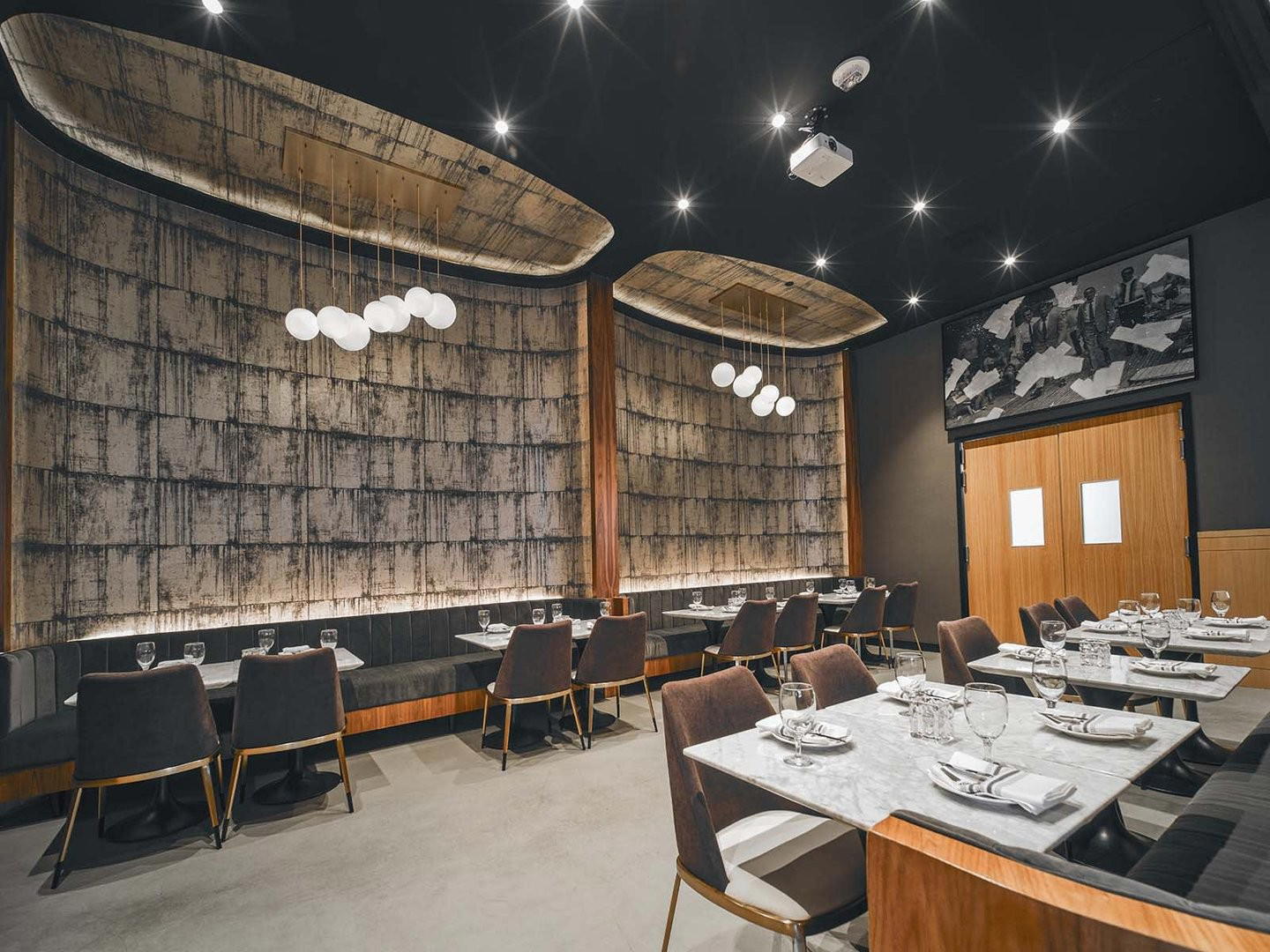





Details
- Cozy
- Lively
- Intimate
- Casual Hangout
- Group Dining
- After Work
- Late Night
- Solo
- Standalone
- Sake Program
- A La Carte
- Family Style
- Sake
- Shochu
Current opening hours
- Monday
- 6–9 PM
- Tuesday
- 6–9 PM
- Wednesday
- 6–9 PM
- Thursday
- 6–9 PM
- Friday
- 6–9 PM
- Saturday
- Closed
- Sunday
- Closed
Hours can change for holidays and private events. Hours as of .
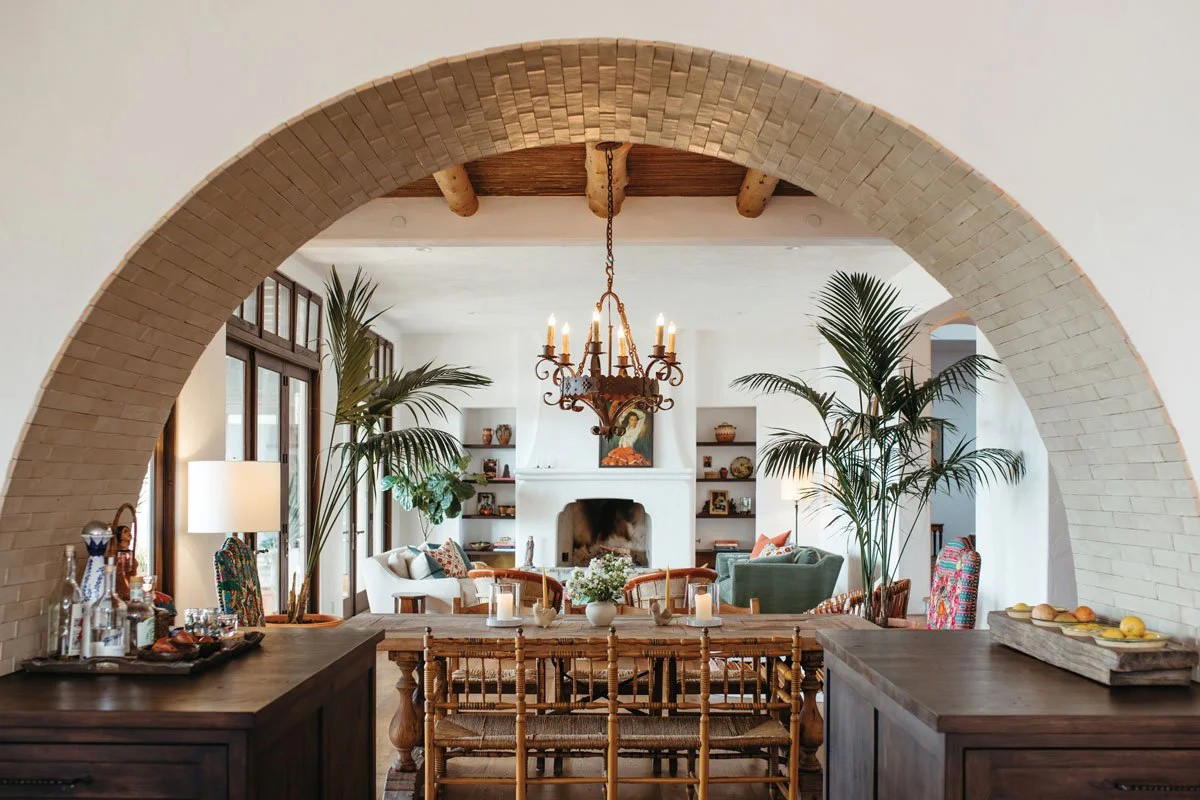
A small, smoky yakiniku hideout with around twenty seats, close‑set tables and relaxed lighting, creating an intimate, bustling atmosphere that feels like a local favorite rather than a polished modern grill.