
Seitan Teuchi Joto Udon belongs to Kagawa’s serious udon culture, where wheat noodles are judged by texture, restraint, and the discipline of a small room rather than ceremony. Its Tabelog 100 Udon Kagawa 2024 selection and compact counter-led format place it among Kanonji’s notable low-cost noodle stops, with the appeal tied to Sanuki udon’s ingredient logic: flour, water, salt, broth, and timing.
Pearl is the En Primeur Club membership app — saves, bookings, and concierge access live there. Same editors, same standards.
- Address
- 香川県観音寺市豊浜町箕浦974-1
- Website
- tabelog.com
 Saves & bookings on Pearl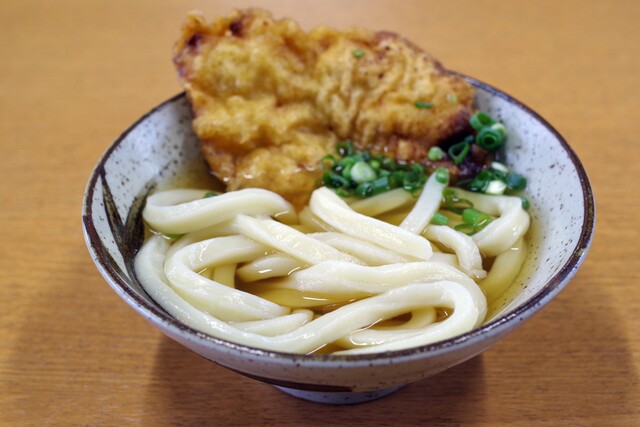
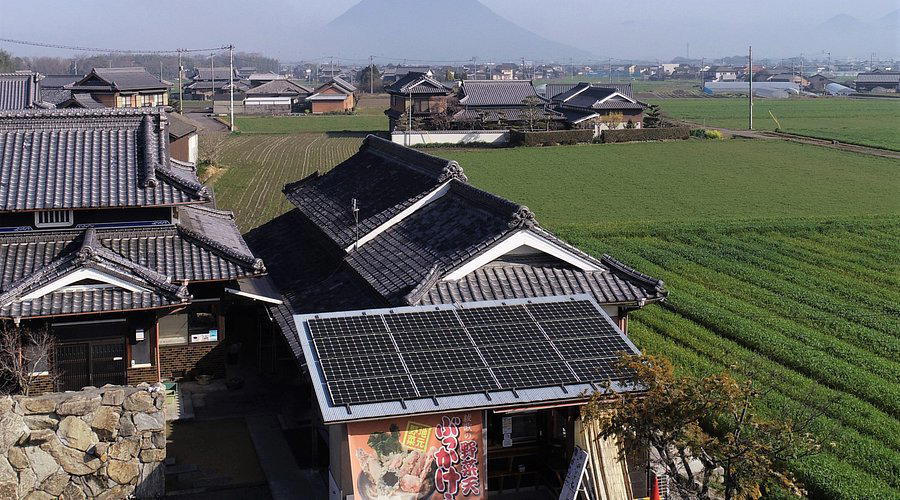
The approach to serious udon in western Kagawa is rarely theatrical. Around Kanonji, the format is plain by design: small rooms, quick turnover, a direct line between kitchen and counter, and noodles that carry the argument without decoration. Seitan Teuchi Joto Udon fits that local grammar. The setting is described as a house restaurant with an ocean view, but the important point is not scenery as ornament; it is geography. Sanuki udon belongs to Kagawa because the prefecture has long treated wheat noodles as everyday food with unusually strict expectations, and coastal towns such as Kanonji keep that standard close to the source.
That matters for travellers who arrive expecting Japan’s regional noodle cultures to behave like ramen tourism. Udon in Kagawa is different. The benchmark is not a maximal bowl or a chef’s personal manifesto. It is chew, temperature, broth discipline, and the way a modest order exposes any shortcut in flour handling or cooking time. Seitan Teuchi Joto Udon’s selection for Tabelog 100 Udon Kagawa 2024 gives it a concrete place inside that competitive local field, where recognition is attached to a category that Kagawa residents already scrutinise heavily.
Kagawa udon is a wheat-and-water argument, not a luxury format
Sanuki udon’s reputation rests on an austere ingredient chain. Wheat flour, salt, water, and dashi leave little space for camouflage, so the noodle’s elasticity becomes the main test. In a prefecture dense with udon shops, the meaningful distinction is not whether a bowl is elaborate, but whether the kitchen can make repetition feel exact. This is why Kagawa’s udon culture rewards places that look modest from the outside yet draw serious attention from local diners and listmakers.
Seitan Teuchi Joto Udon sits in that tradition rather than apart from it. The public category is simply udon, the service includes take-out, and the room is small enough that counter culture shapes the experience. Those details point to a practical local meal, not a tasting-menu performance. The Tabelog score of 3.78 and the 2024 Tabelog 100 listing are useful signals because they measure the shop against a crowded prefectural category, not against a generic national restaurant field.
Kanonji’s udon map also has depth beyond one address. Kamakiri, Teuchi Udon Tsuruya, and Kanakuma Mochi all sit in the same low-cost bracket, which is part of the point: in Kagawa, high interest and low spend are not contradictory. The reader’s decision is less about luxury ranking than about format, route, and appetite for a regional staple that locals treat with precision.
A compact counter room keeps the focus on texture
The room’s scale matters. With 17 seats, including 11 at the counter and 6 at tables, the format keeps the meal close to the making. Counter seating is not decorative in this category; it compresses the distance between cooking rhythm and eating rhythm. Udon loses force when timing drifts, so small formats often suit the cuisine better than large dining rooms designed for lingering.
The house-restaurant setting and ocean-view location add context without changing the hierarchy. The bowl remains the centre of gravity. Kagawa’s strongest udon addresses tend to prize utility: quick service, accessible pricing, family compatibility, and enough informality for solo diners. The restaurant aligns with that pattern through children-welcome positioning, take-out service, no private rooms, and a non-smoking interior. Payment is cash-led in practice because credit cards, electronic money, and QR payments are not accepted.
There is also a time-depth signal. The shop moved from 2495-1 Minoura in June 2007, which places the current address within a longer local history rather than a recent food-tourism wave. Irregular holiday notices have appeared via Twitter, so serious planners should treat the published schedule as a guide rather than a guarantee. The broader lesson is simple: Kagawa udon rewards early, flexible routing, especially when a small counter is involved.
How to place it within a Kanonji food day
For a Kanonji itinerary, this is the kind of stop that works before the day becomes overplanned. The nearest station is Minoura on the JR Yosan Line, and the restaurant is listed 78 metres from the station, so it suits rail-based movement as well as a wider udon crawl by car. Parking is available, which helps in a prefecture where many serious noodle addresses sit outside dense urban cores.
The comparison set clarifies the editorial value. Kamakiri, Teuchi Udon Tsuruya, and Kanakuma Mochi occupy the same accessible price tier, so the question is not where to spend heavily, but how to read differences among small Kagawa udon rooms. One may be chosen for routing, another for format, another for a local speciality; the restaurant earns attention because its recognition, small counter structure, and coastal Kanonji setting make it a concise expression of the region’s noodle logic.
Readers building a broader trip can use Our full Kanonji restaurants guide for nearby dining context, then cross-check overnight options through Our full Kanonji hotels guide. For category planning beyond meals, see Our full Kanonji bars guide, Our full Kanonji wineries guide, and Our full Kanonji experiences guide. Wider Japan planning can range from -Grilled beef Sukiyaki- KAMAKURA TANUKIAN 鎌倉 たぬき庵 in Kamakura and. 鮪と炭火焼き うお炭 秋葉原店 in Tokyo to.cafe in Osaka.know in Kumamoto, (Shoku) Vietnam in Kawasaki, [Curry Senmon Ten] Maruyama Kyoju. in Sapporo, [ki:] in Kyoto, and #肉といえば松田 奈良本店 in Kashihara. For readers linking Japanese comfort-food traditions abroad, Jōdo Saké Bar in Los Angeles and Onigiri Time in Pasadena offer a useful contrast in how simple formats travel.
How It Stacks Up
Comparable venues by cuisine and price in the same metro.
| Venue | Cuisine | Price | Notes |
|---|---|---|---|
| Seitan Teuchi Joto UdonThis venue — the venue you are viewing | Sanuki Udon | $ | Not listed |
| Teuchi Udon Tsuruya | Traditional Sanuki Udon Shop | $ | Kanonji |
| Kanakuma Mochi | Sanuki udon and mochi shop | $ | Uedacho |
| Kamakiri | Sanuki udon shop with cafe-like design | $ | Kanonji |
| Gyoza no Fukuho (餃子の福包) | Traditional Japanese Gyoza | $ | Shinjuku |
| Koja Sobaya (古謝そば屋) | Traditional Miyako Soba | $ | Hirara, Miyakojima City |
Recognition history
Dated appearances from independent guides and award organizations, with the underlying list record or original source where available.
Tabelog 100 #17 · No. 17
Tabelog · Tabelog 100 - Udon - KAGAWA - 2024
Continue exploring
More in Kanonji
Restaurants in Kanonji
Browse all →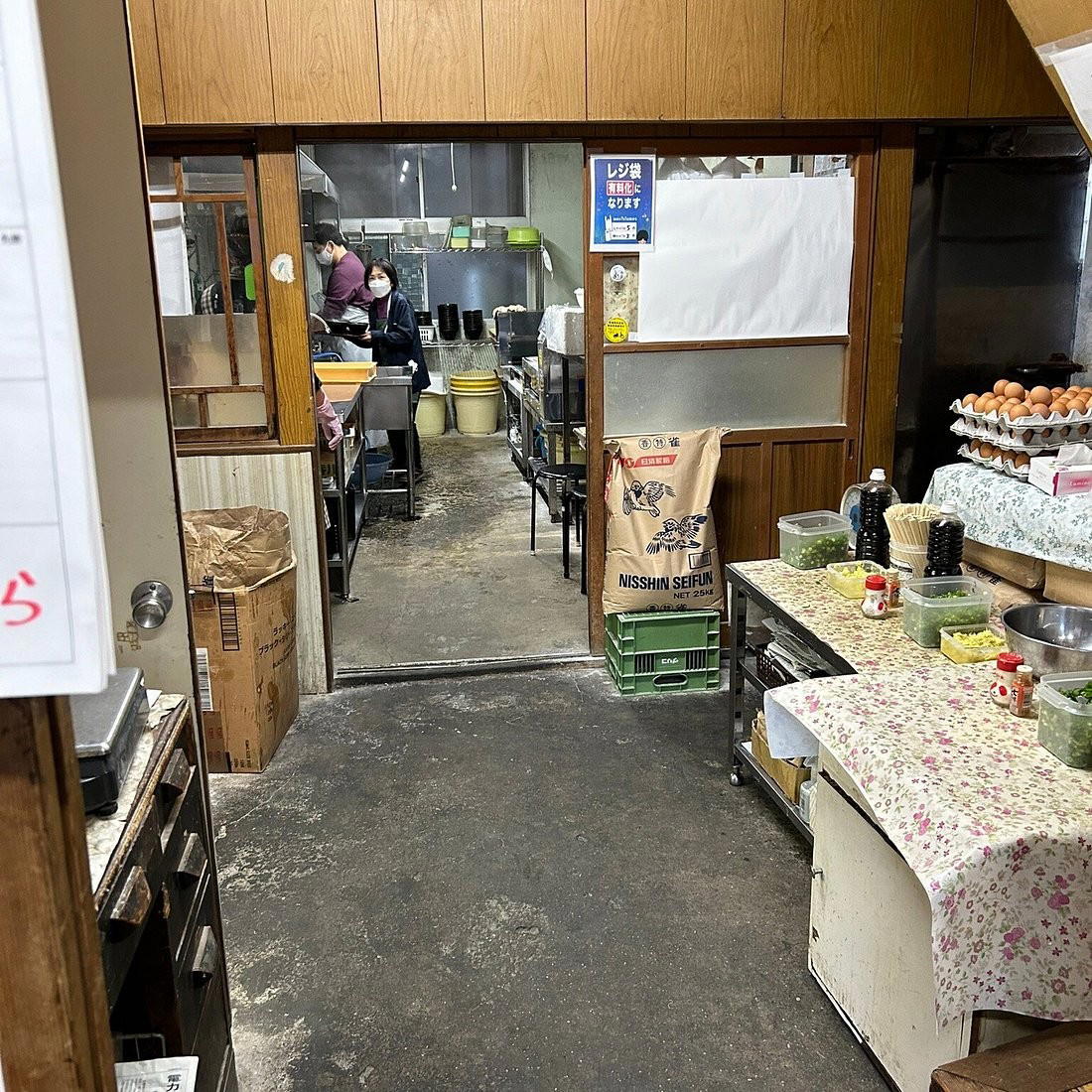
At a Glance
- Scenic
- Rustic
- Classic
- Solo
- Family
- Casual Hangout
- Waterfront
- Standalone
- Local Sourcing
- Waterfront
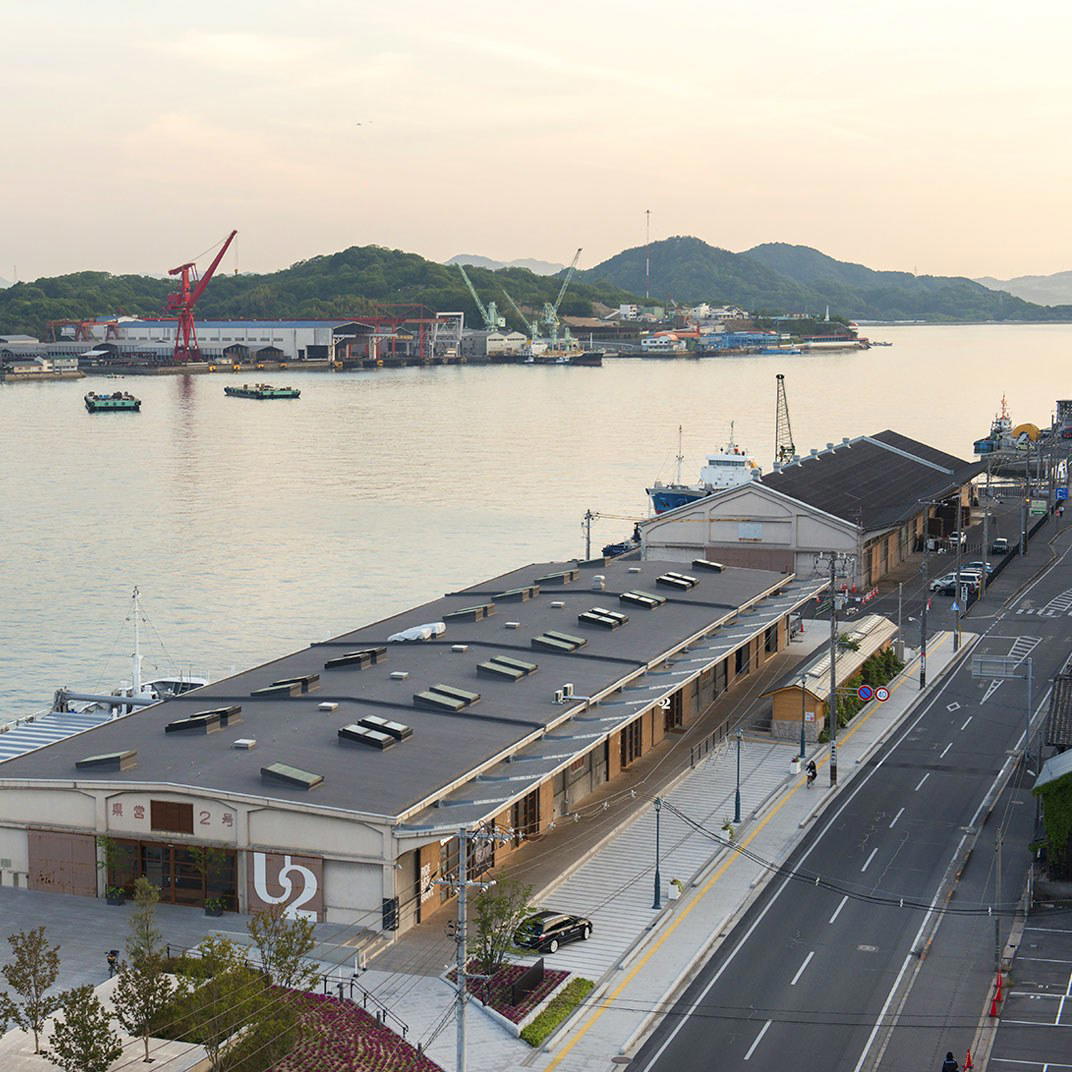
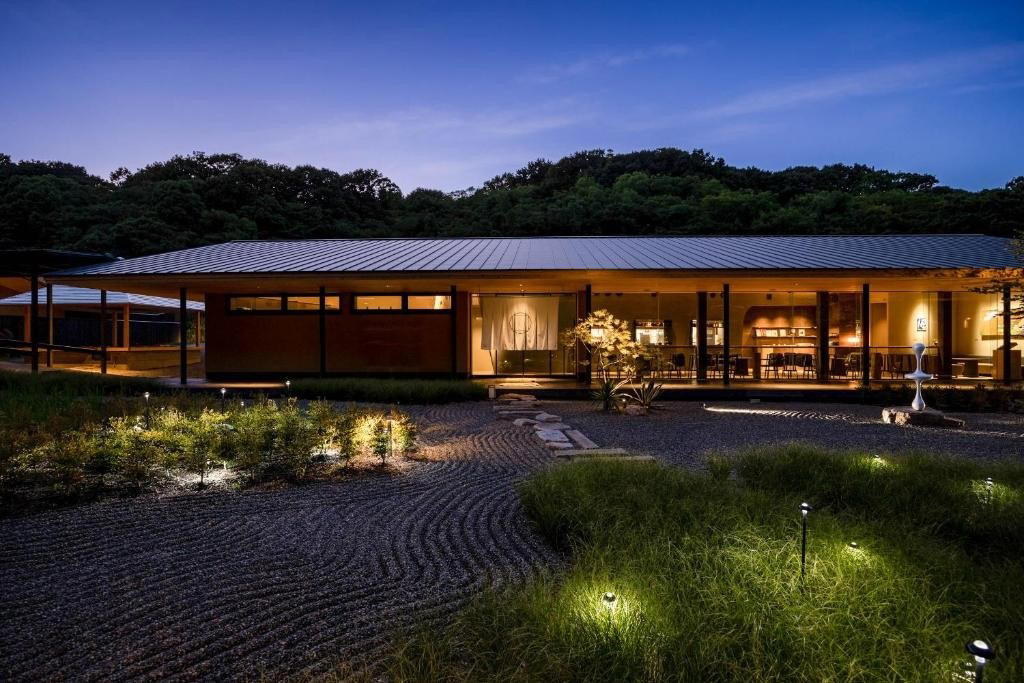
Rustic, casual, and scenic, with an ocean-view house-restaurant feel that fits a quick, no-frills udon stop.