
Kanakuma Mochi is a Kanonji udon, cafeteria, and Japanese sweets address selected for Tabelog 100 Udon Kagawa 2024. It sits in Kagawa’s deeply local Sanuki udon culture, with a low JPY 999-and-under spend profile, no reservations, take-out service, non-smoking seating, and parking available.
Pearl is the En Primeur Club membership app — saves, bookings, and concierge access live there. Same editors, same standards.
- Address
- 35-2 Uedacho, Kanonji, Kagawa 768-0012, Japan
- Phone
- +81 875-25-3044
- Website
- instagram.com
 Saves & bookings on Pearl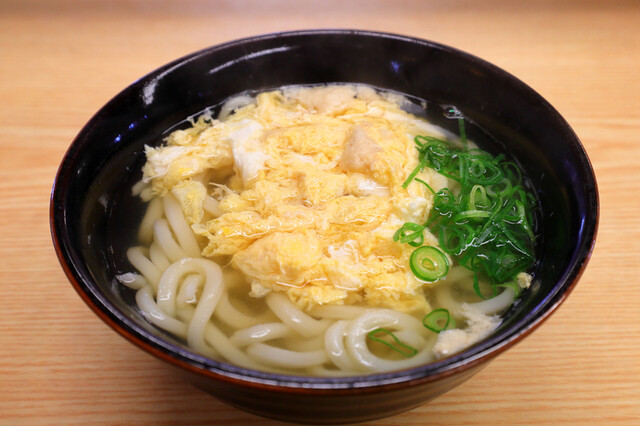
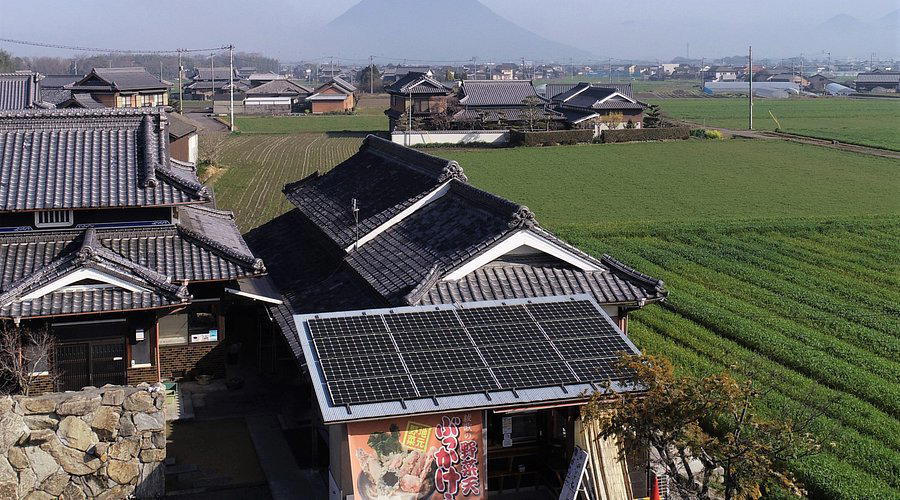
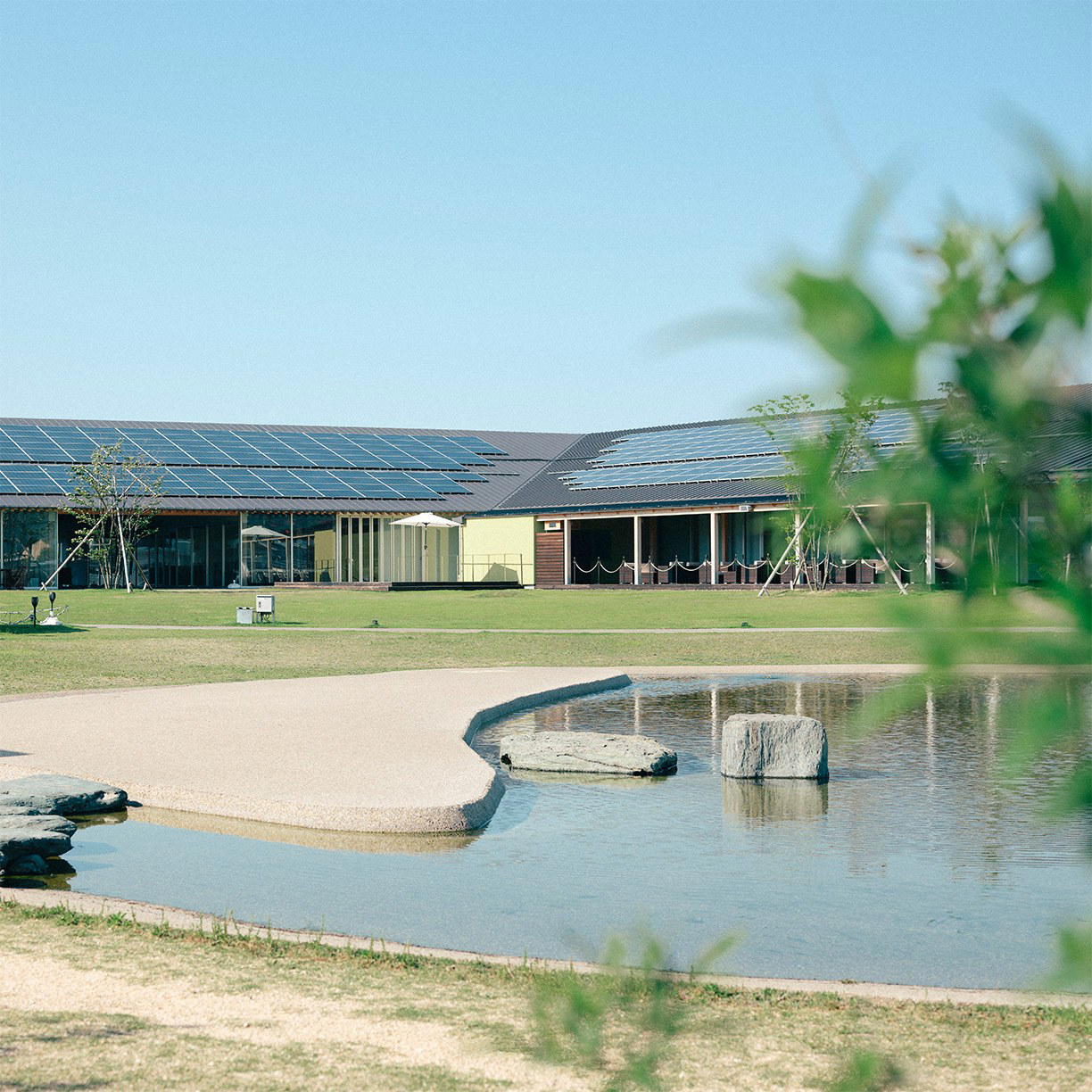
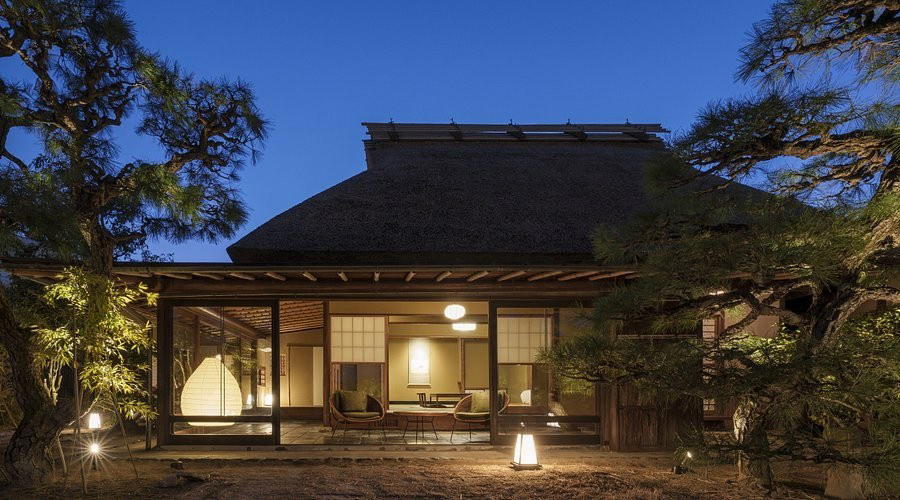
Approaching a house-style restaurant in Kagawa changes the rhythm of an udon meal. The setting is modest rather than theatrical, and that matters in a prefecture where Sanuki udon is not an imported dining format but daily infrastructure: breakfast counter, lunch stop, road-trip detour, family errand, and local point of pride. Kanonji sits on the western side of Kagawa, away from the heavier tourist flow around Takamatsu, so the udon culture here reads less as performance and more as habit. Kanakuma Mochi belongs to that register.
Kagawa’s udon reputation is built on repetition and specialization. The noodle is the anchor, but the surrounding format varies: self-service counters, canteen-style shops, sweets-adjacent kitchens, and small rooms where the meal is short, inexpensive, and judged with little patience for ornament. In that context, the combination of udon, cafeteria cooking, and Japanese traditional sweets is not a contradiction. It reflects a regional eating pattern where wheat noodles, rice-based sweets, and light daytime meals can share the same address without needing the language of fine dining.
Sanuki udon culture, with mochi in the frame
The name points toward mochi, but the recognition places the restaurant inside Kagawa’s udon conversation. Selection for Tabelog 100 Udon Kagawa 2024 gives the address a concrete signal in a prefecture crowded with serious noodle shops. That distinction is useful because Sanuki udon has a low barrier to entry for travelers and a high standard among locals. Many bowls cost little, service can be fast, and the difference between an average stop and a meaningful one is often found in texture, pacing, and whether the room feels built around routine rather than spectacle.
Kanakuma Mochi’s category mix also says something about Kanonji. This is not the polished urban udon counter where every movement is staged for visitors. It is closer to the local cafeteria tradition: accessible, daytime-driven, and practical. That makes it a stronger cultural read than a more decorative meal. The interest is not only what lands in the bowl, but how naturally udon sits beside sweets and everyday dining in a smaller Kagawa city.
For travelers comparing Kanonji udon addresses, Kamakiri and Teuchi Udon Tsuruya occupy the same low-spend bracket, while Seitan Teuchi Joto Udon broadens the city’s hand-made noodle map. The useful approach is not to rank them by polish, but to read each as a different version of Kagawa’s everyday udon economy. Kanakuma Mochi’s advantage is its crossover identity: udon shop, cafeteria, and traditional sweets stop in one local format.
Award signal without the luxury code
Tabelog’s Hyakumeiten lists are especially relevant in Japan because they often capture categories that global restaurant awards underrepresent. Udon in Kagawa is one of those categories. A Tabelog 100 selection here does not imply white tablecloth service or a tasting-menu mindset. It signals that a humble, price-sensitive genre has been judged within its own terms. That distinction helps travelers avoid a common mistake: expecting prestige to look expensive.
The better read is comparative. In Tokyo or Osaka, a noodle stop with national attention may be folded into a dense day of shopping, trains, and reservations. In Kanonji, the udon meal often works as the destination itself, or as a precise stop between temples, coast, and rural drives. That changes the value equation. The reward is not ceremony; it is contact with a food culture that Kagawa has refined through volume, repetition, and local scrutiny.
The restaurant’s non-smoking policy, take-out service, and parking fit that everyday structure. So does the absence of a formal reservation model. This is a practical daytime address, not a drawn-out evening plan. The smart move is to treat it as part of a Kanonji food circuit rather than a solitary trophy meal. Pair it with the broader city list in Our full Kanonji restaurants guide, then build the rest of the day around the slower pace of western Kagawa.
How to place it in a Kanonji day
Kanonji rewards travelers who think in clusters. Udon can anchor the morning or midday, while the city’s quieter hospitality and leisure options fill in around it. For the broader trip frame, Our full Kanonji hotels guide, Our full Kanonji bars guide, Our full Kanonji wineries guide, and Our full Kanonji experiences guide help separate a quick noodle run from a more complete western Kagawa itinerary.
Readers extending the Japan file beyond Kagawa can use a few contrasts to sharpen the point. -Grilled beef Sukiyaki- KAMAKURA TANUKIAN 鎌倉 たぬき庵 in Kamakura sits in a different register of meat and set-piece dining, while. 鮪と炭火焼き うお炭 秋葉原店 in Tokyo reflects the capital’s seafood-and-grill density..cafe in Osaka.know in Kumamoto, (Shoku) Vietnam in Kawasaki, [Curry Senmon Ten] Maruyama Kyoju. in Sapporo, [ki:] in Kyoto, and #肉といえば松田 奈良本店 in Kashihara show how broad the country’s casual and specialist dining categories can be. Across the Pacific, Jōdo Saké Bar in Los Angeles and Onigiri Time in Pasadena are useful reminders that Japanese food abroad often isolates forms that, in places like Kagawa, remain woven into daily routine.
The editorial case for the restaurant is therefore cultural rather than luxurious. It offers a clear way into Kanonji’s udon habits, backed by a recognized Kagawa udon selection and grounded in a format that keeps cost, pace, and comfort close to local life. For a premium traveler, that is the point: not every serious meal announces itself with ceremony.
Cost and Credentials
Nearby venues at a similar price tier for orientation.
| Venue | Cuisine | Price | Notes |
|---|---|---|---|
| Kanakuma MochiThis venue — the venue you are viewing | Uedacho, Sanuki udon and mochi shop | $ | Not listed |
| Teuchi Udon Tsuruya | Kanonji, Traditional Sanuki Udon Shop | $ | Not listed |
| Seitan Teuchi Joto Udon | Minoura, Sanuki Udon | $ | Not listed |
| Kamakiri | Not listed | $ | Kanonji, Sanuki udon shop with cafe-like design |
| Numazu Gyoza Nomiseko Taguchitei | Not listed | $ | Numazu Station area, Numazu Gyoza Standing Bar |
| ひろめで安兵衛 | 帯屋町, High Kochi Yatai Gyoza | $ | Not listed |
Recognition history
Dated appearances from independent guides and award organizations, with the underlying list record or original source where available.
Tabelog 100 #48 · No. 48
Tabelog · Tabelog 100 - Udon - KAGAWA - 2024
Continue exploring
More in Kanonji
Restaurants in Kanonji
Browse all →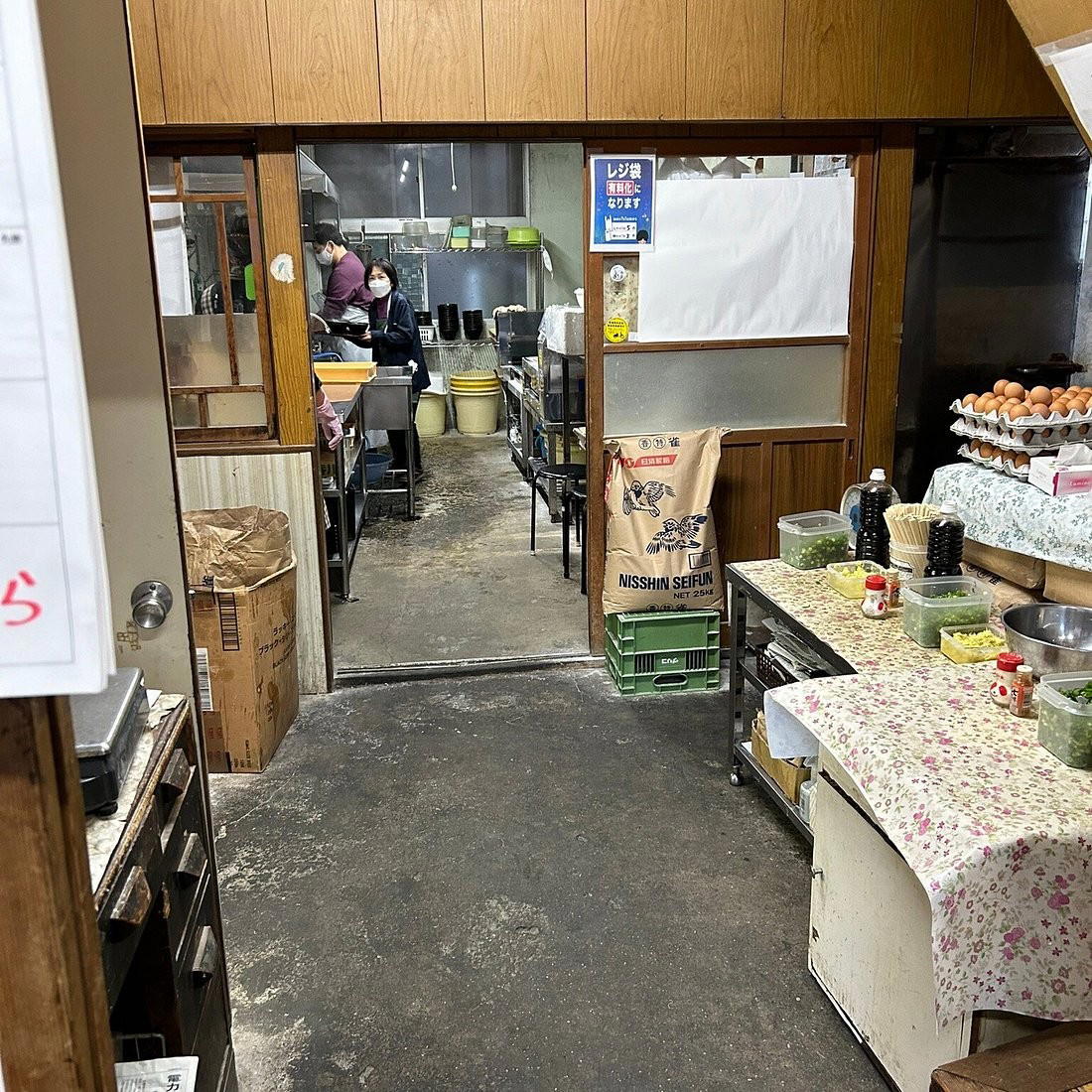

At a Glance
- Classic
- Cozy
- Solo
- Family
- Casual Hangout
- After Work
- Group Dining
- Standalone
Current opening hours
- Monday
- 8 AM–3 PM
- Tuesday
- 8 AM–3 PM
- Wednesday
- 8 AM–3 PM
- Thursday
- Closed
- Friday
- 8 AM–3 PM
- Saturday
- 8 AM–3 PM
- Sunday
- Closed
Hours can change for holidays and private events. Last verified .