Hiraoka Seiniku Ten

Hiraoka Seiniku Ten belongs to Kotohira’s practical food culture: takeaway croquettes, fried foods, side dishes and delicatessen cooking rather than a seated restaurant ritual. Its 2025 Tabelog 100 Yoshoku WEST selection puts a small Shinmachi Shopping Arcade counter into a broader conversation about Japanese-Western comfort food and ingredient-led everyday eating in Kagawa.
Pearl is the En Primeur Club membership app — saves, bookings, and concierge access live there. Same editors, same standards.
- Address
- Japan, 〒766-0002 Kagawa, Nakatado District, Kotohira, 220
- Phone
- +81 877-75-3866
- Website
- tabelog.com
- Directions
- Get directions
 Saves & bookings on Pearl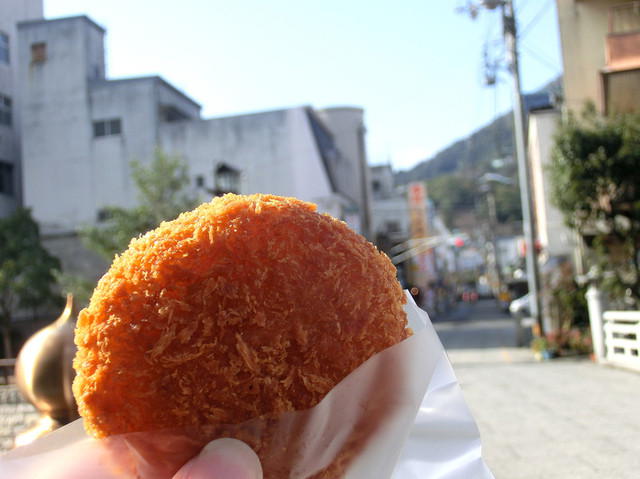
Approaching Hiraoka Seiniku Ten in nakatadogunkotohirachou, the dining register shifts from longer meals to the faster language of counters, paper-wrapped food and local errands. This is where croquettes and prepared side dishes feel less like a formal restaurant genre and more like daily infrastructure: fried foods, side dishes and delicatessen staples made for movement rather than ceremony. Hiraoka Seiniku Ten sits inside that tradition, a compact prepared-food format whose appeal depends on frying craft, turnover and everyday usefulness rather than table service or theatre.
nakatadogunkotohirachou food culture has a practical rhythm around quick purchases, everyday snacking and small family errands. In that setting, a croquette counter matters because it translates a familiar prepared-food category into immediate food: potato balance, oil management, seasoning and turnover all carry more weight than menu length. The 2025 Tabelog Hyakumeiten recognition is the trust signal here, placing the shop among addresses judged within a category where everyday dishes can still carry serious technique behind them.
Why a croquette counter belongs in the conversation
Japanese prepared-food counters are often understood through everyday comfort rather than ceremony, but their deeper history is about adaptation: familiar forms absorbed into shopping streets, lunch counters and home cooking. Croquettes are central to that story because they reward restraint. Too much filling turns heavy; too little structure reads dry; weak seasoning disappears once the crust cools. A counter version raises the stakes because the product has to be clear, immediate and consistent.
That is the useful way to read Hiraoka Seiniku Ten. The shop is categorized around croquettes, deep-fried foods, side dishes and delicatessen cooking, which puts it closer to the prepared-food lineage than to a plated dining room. The format keeps the judgment direct rather than cushioned by restaurant choreography. The product has to work in the hand, in transit, and often as part of a larger day in nakatadogunkotohirachou.
Within the local comparison set, the positioning is clear. Kami Tsubaki reads more like a sit-down stop, while nearby udon names in the broader local orbit often compete on speed, noodle texture and broth clarity. This counter plays a different game: fried food as provisioning, priced in the everyday bracket and recognized by Tabelog in 2025 despite the modest, counter-led format.
Ingredient sourcing, not spectacle, drives the format
Small Japanese prepared-food shops can be misunderstood by travelers who arrive expecting a full restaurant experience. Their logic is often retail-first: the counter sells ready-to-eat foods that extend the usefulness of a daily food shop, turning familiar staples into immediate side dishes. That model explains why the category can be modest in price yet exacting in execution. The difference between a routine croquette and a destination-level one is rarely a flourish; it is the balance of filling and crust, the handling of the frying, and the speed at which items move through the case.
The Tabelog score of 3.62 gives another useful calibration. In Japan’s review culture, especially outside major dining capitals, numbers in that range can signal strong local confidence rather than luxury positioning. The 2025 Tabelog Hyakumeiten listing sharpens the point: recognition here is not about white-tablecloth performance, but about an everyday-food format that has earned attention within Japan’s casual dining canon.
For travelers building a nakatadogunkotohirachou day, this kind of stop also changes the meal plan. It works better as a tactical food break than as the anchor of an evening. Pairing a croquette or side dish with a broader walk through the area gives a clearer reading of the town than treating every meal as a seated reservation. For broader planning, our full nakatadogunkotohirachou restaurants guide maps the local dining spread, while our full nakatadogunkotohirachou hotels guide, our full nakatadogunkotohirachou bars guide, our full nakatadogunkotohirachou wineries guide and our full nakatadogunkotohirachou experiences guide help place food around the rest of the itinerary.
How to judge it against Japan's casual-food circuit
The strongest reason to pay attention is not rarity; Japan has many excellent fried-food counters. The argument is context. nakatadogunkotohirachou is not defined by one dining style alone, and a 2025 Tabelog Hyakumeiten selection for a croquette and delicatessen counter widens that frame, showing how much of the region’s eating culture happens outside the formal restaurant template.
That matters for ingredient-led travel. High-end dining often explains product choices through menus and service language. Counters like this explain them through compression: a small number of prepared foods, a practical category and a format where repeat local purchase is the real test. The practical, retail-first setup also keeps the experience close to its original function rather than reshaping it for destination dining.
Read together, they show how comfort formats travel, localize and compete at different levels of formality.
The editorial call is simple: treat Hiraoka Seiniku Ten as a sharp, low-cost measure of nakatadogunkotohirachou’s everyday fried-food culture, not as a substitute for a long meal. Its value lies in the way a compact counter, a narrow fried-food repertoire and regional recognition make a small purchase say something specific about the town.
How Hiraoka Seiniku Ten compares with similar nearby venues.
| Venue | Price | Awards |
|---|---|---|
| Hiraoka Seiniku Ten | JPY 999 - JPY 999 View spending breakdown | Tabelog 100 #47 (2025) |
| Teuchi Udon Musashi | JPY 999 - JPY 999 | Not listed |
| Kami Tsubaki | JPY 1,000 - JPY 1,999 | Not listed |
| Nagata Udon | JPY 999 | Not listed |
| Ganso Shoyu Udon Ogataya | JPY 999 - JPY 999 View spending breakdown | Not listed |
| Shirakawa Udon | JPY 999 | Not listed |
Recognition history
Dated appearances from independent guides and award organizations, with the underlying list record or original source where available.
Tabelog 100 #47 · No. 47
Tabelog · Tabelog 100 - Yoshoku - WEST - 2025
Continue exploring
More in nakatadogunkotohirachou
Restaurants in nakatadogunkotohirachou
Browse all →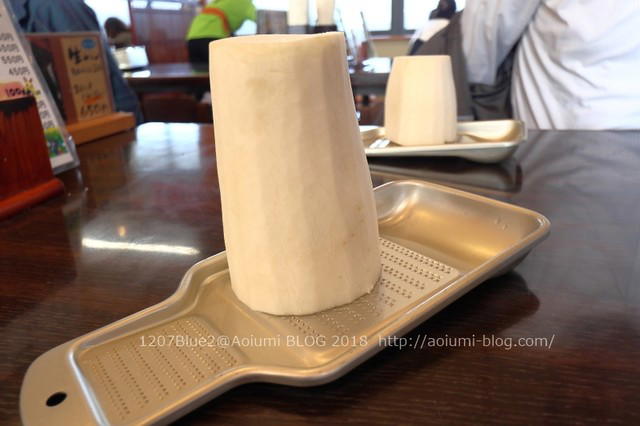
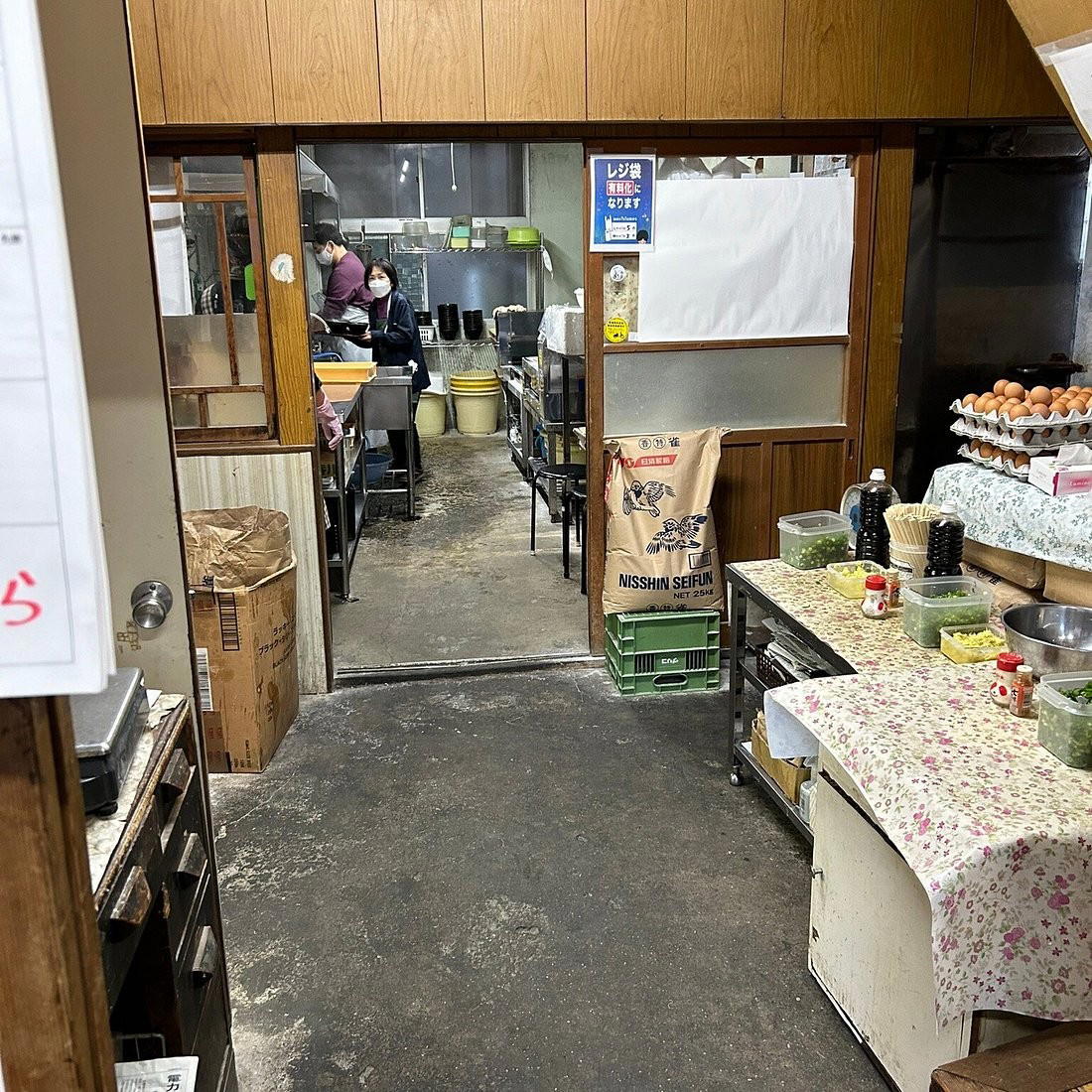
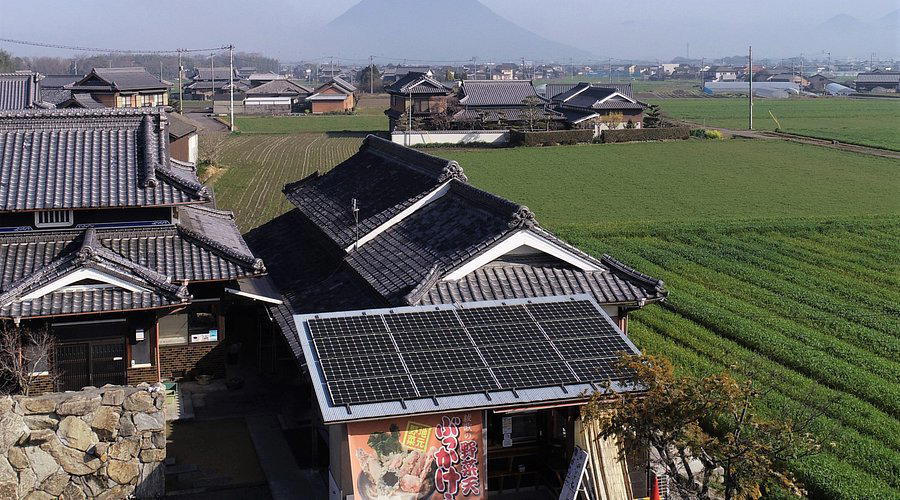
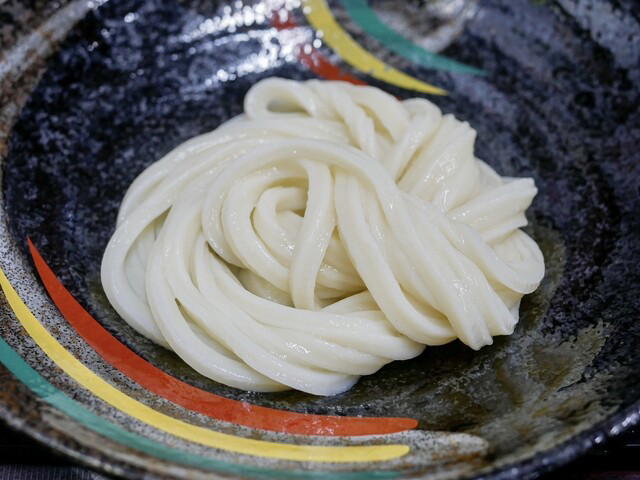
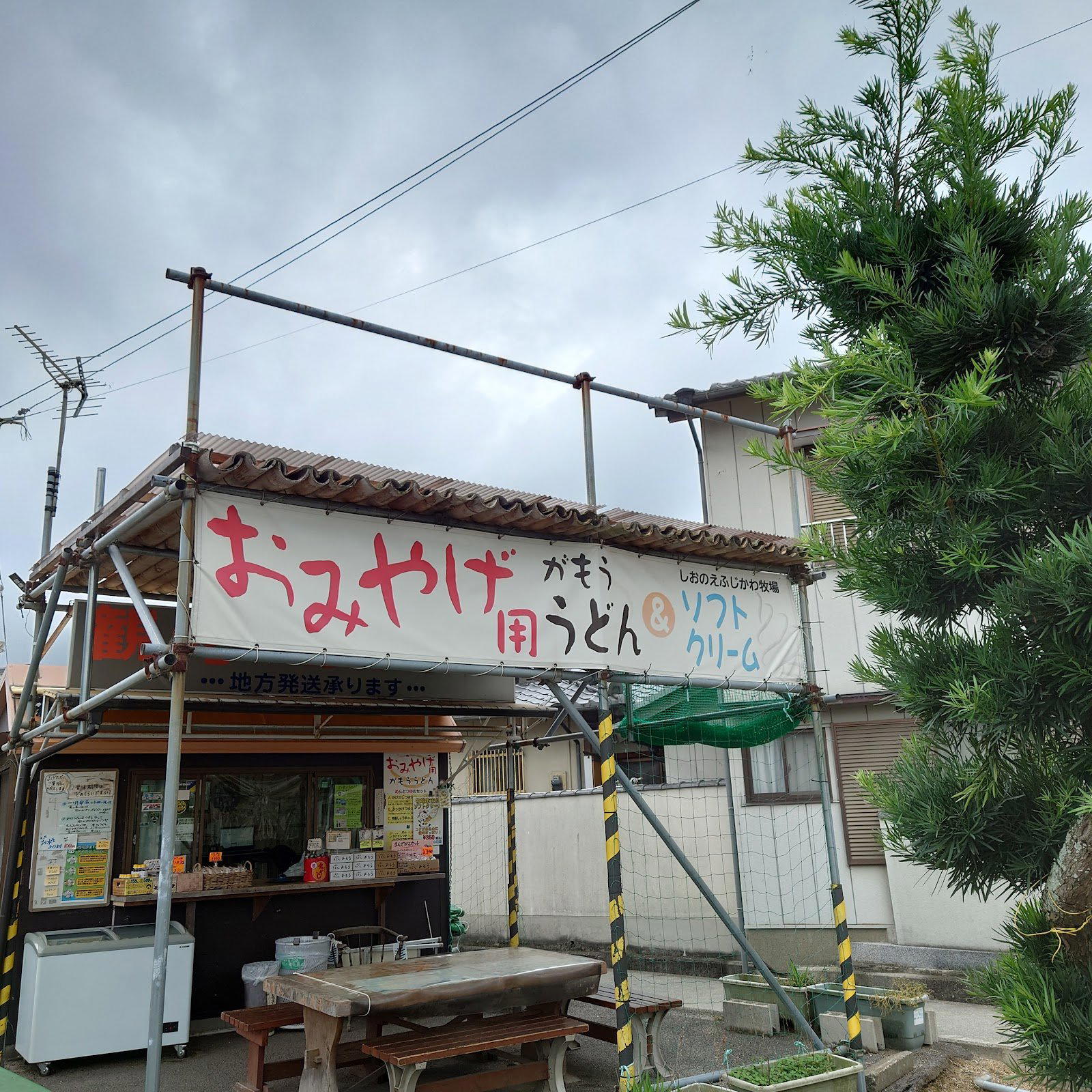
Bars in nakatadogunkotohirachou
Browse all →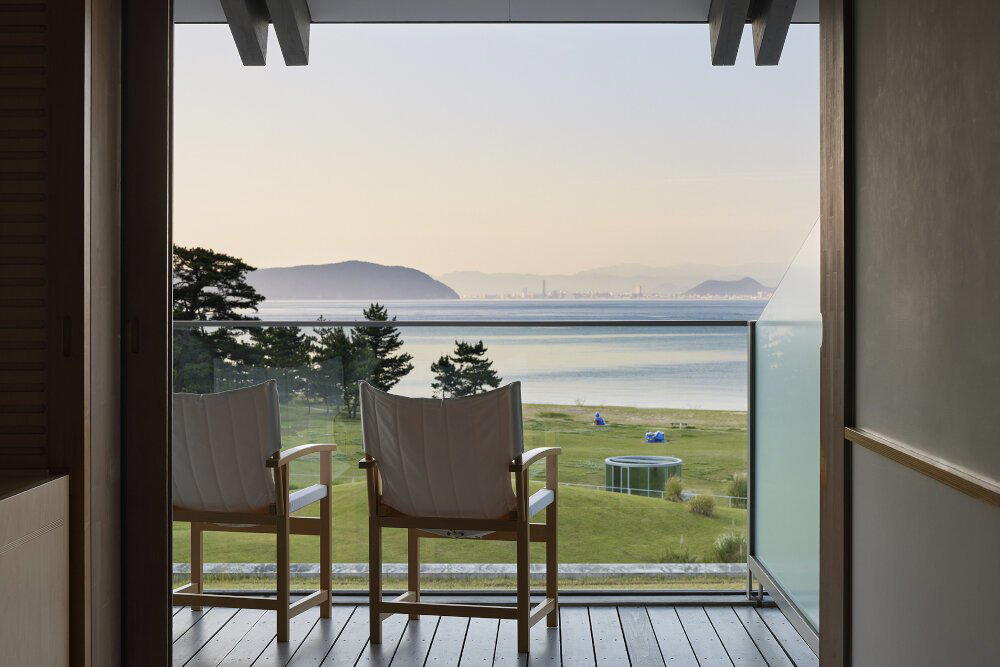
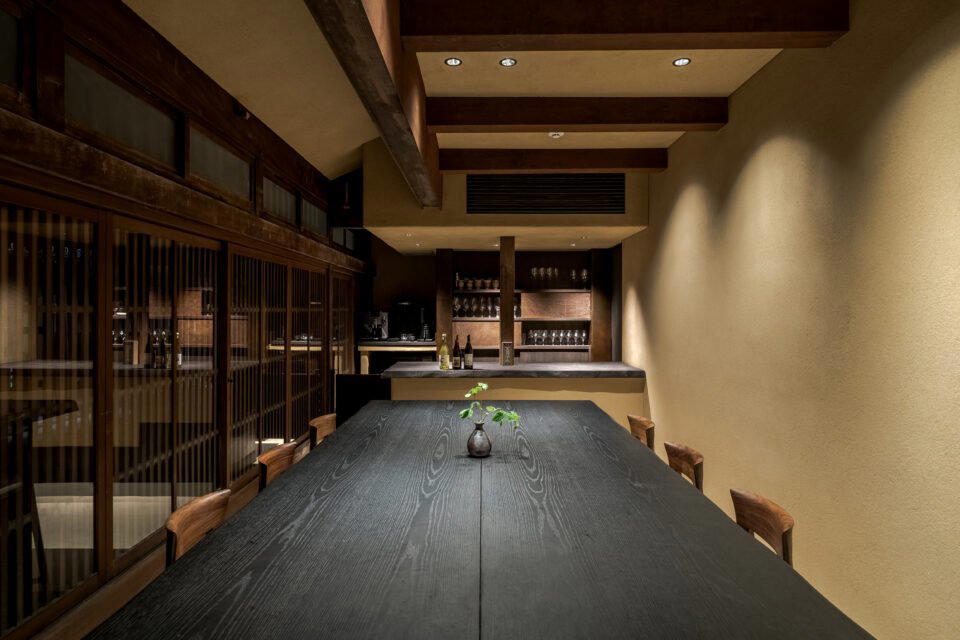
Hotels in nakatadogunkotohirachou
Browse all →
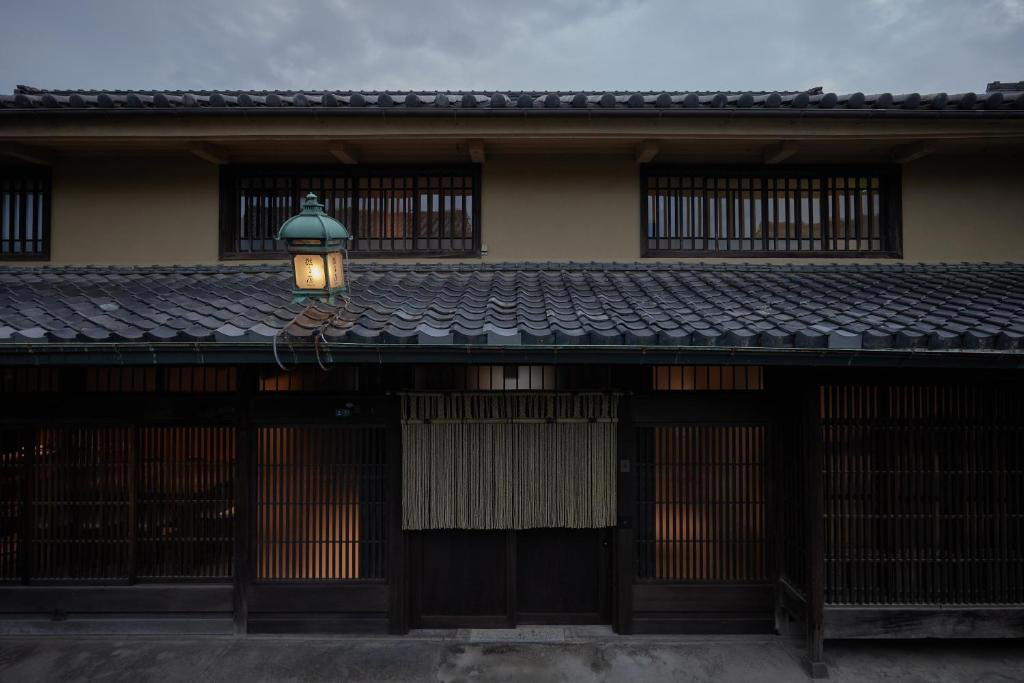
At a Glance
- Lively
- Classic
- Well Known
- Solo
- Family
- Casual Hangout
- After Work
- Standalone
- Historic Building
- Street Scene
Current opening hours
- Monday
- 9 AM–5 PM
- Tuesday
- Closed
- Wednesday
- Closed
- Thursday
- 9 AM–5 PM
- Friday
- 9 AM–5 PM
- Saturday
- 9 AM–5 PM
- Sunday
- 9 AM–5 PM
Hours can change for holidays and private events. Last verified .
Know Before You Go
- Reservations
- Walk in friendly
- Getting there
- Japan, 〒766-0002 Kagawa, Nakatado District, Kotohira, 220