
Tabelog 100 #79
Our verdict
Kamakiri belongs to Kagawa’s serious udon circuit: inexpensive, local, and judged by noodle craft rather than ceremony. Its selection for Tabelog 100 Udon Kagawa 2024 places it among the prefecture’s documented noodle addresses, with the appeal tied to Sanuki udon’s ingredient logic: wheat, water, dashi, and speed from kitchen to bowl.

Pearl is the En Primeur Club membership app — saves, bookings, and concierge access live there. Same editors, same standards.
- Address
- 香川県観音寺市柞田町甲46-3
- Phone
- +81875248288
- Website
- tabelog.com
- Directions
- Get directions
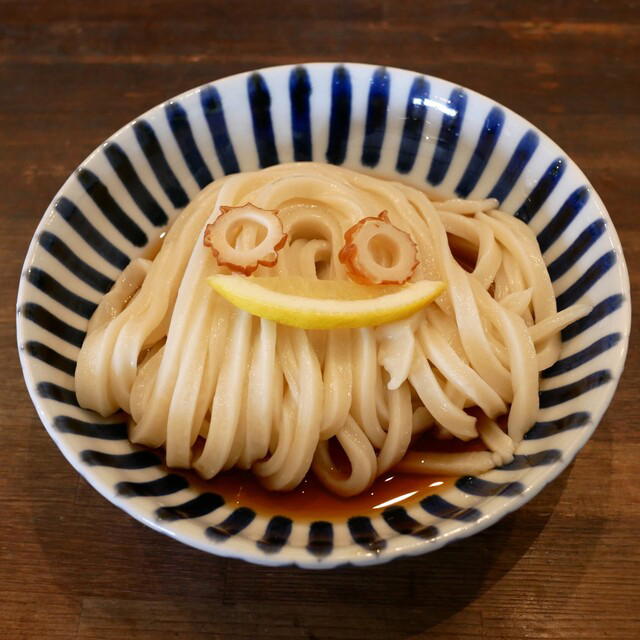
The menu
What to order
- Kake udon
- Tsuke (cold dipping) udon
- Keema curry udon
- Udon with tempura
Approaching an udon shop in Kagawa is rarely about grand arrival. The rhythm is practical: cars pull in, solo diners move quickly, families read the room, and the meal turns on a bowl whose value depends on flour, water, kneading, boiling, and timing. Kamakiri sits inside that culture rather than above it. In Kanonji, where udon is not a novelty but a working meal, the point is not luxury signalling. The point is whether a modest bowl can hold its place in a prefecture that treats noodles with unusual seriousness.
Kagawa’s udon reputation is built on a style that rewards structure. The noodle needs enough resistance to matter, but not so much that it becomes a performance. Broth and toppings may vary, yet the foundation remains agricultural and local in spirit: wheat as the main event, dashi as support, and a service model designed around freshness and turnover. That sourcing logic explains why low prices and high scrutiny can coexist here. A sub-¥1,000 udon meal in Kagawa is not automatically casual in ambition; it can be a precise expression of regional food culture.
Udon judged by the noodle, not the room
Kamakiri’s 2024 Tabelog recognition matters because it is category-specific. It places the shop within a dense local field rather than in a broad national restaurant ranking. That distinction is useful for travellers: Kagawa udon is not a single destination meal but a circuit of small differences, where texture, broth style, pacing, and house habits separate one counter from another.
The comparison within Kanonji is especially instructive. Kanakuma Mochi, Seitan Teuchi Joto Udon, and Teuchi Udon Tsuruya all sit in an inexpensive udon band, which means the decision is not driven by budget alone. It is driven by itinerary, appetite, and the kind of udon experience a diner wants to understand. Kamakiri belongs to the serious local category: restrained spend, fast purpose, and a reputation confirmed by attention to a narrow craft.
That narrowness is the appeal. Udon in this part of Japan has never needed imported luxury ingredients to justify attention. The ingredient story is closer to discipline than rarity: dough handled correctly, boiling timed correctly, broth kept in proportion. For travellers used to equating prestige with tasting menus, Kagawa offers a useful correction. A bowl can be inexpensive and still operate under intense local judgement.
Kanonji's noodle circuit rewards planning, not formality
The city’s dining map is better read as a sequence of specialist stops than as a conventional restaurant scene. Udon shops often anchor daytime eating, while other categories fill in around them. For wider planning, our full Kanonji restaurants guide gives the broader food context, and travellers building a longer stay can pair it with our full Kanonji hotels guide, our full Kanonji bars guide, our full Kanonji wineries guide, and our full Kanonji experiences guide. The practical advantage is clear: udon works well when treated as the spine of the day rather than a late afterthought.
There is also a useful distinction between destination dining and local food literacy. A traveller can chase elaborate meals across Japan in many forms, from beef-focused rooms and seafood counters to cafes, curry specialists, and contemporary Japanese dining rooms. Kagawa asks for a different kind of attention: less ceremony, more calibration. Even Japanese formats outside the region show how staple foods can travel, but Kagawa udon makes its strongest argument close to its source.
Kamakiri’s format reinforces that point. The shop reads as everyday dining rather than spectacle, suited to quick meals, focused bowls, and diners who care more about noodle quality than room theatre. Its 2024 Tabelog recognition gives it current category relevance without turning the meal into a luxury proposition. The editorial case is not that this is an elaborate detour. It is that a Kagawa udon education is incomplete without seeing how low-cost, ingredient-led shops compete on precision.
Why the sourcing story is bigger than the menu
Ingredient sourcing in udon is often less visible than in sushi, kaiseki, or wine-focused dining, but it is no less decisive. Wheat noodles expose errors quickly: weak structure, dull broth, poor pacing, or sloppy temperature management cannot hide behind luxury garnish. In Kanonji, this makes udon a useful lens on local taste. The region values clarity, speed, and repeatability because residents eat this food as part of daily life, not as a staged performance for visitors.
That is where Kamakiri earns attention. It represents a category where price remains accessible, recognition is specific, and the cooking depends on a few elements handled with consistency. For a premium traveller, the lesson is not to replace high-end dining with noodle shops. It is to understand that Japan’s serious food culture is not confined to expensive rooms. In Kagawa, the craft can sit in a small bowl, judged by locals before it is judged by visitors.
Frequently asked questions
Where is Kamakiri in Kanonji?
Kamakiri is located in Kanonji.
Is Kamakiri more mid-range or high-end?
Pricing at Kamakiri is listed as - JPY 999.
Is Kamakiri reservation-only?
Reservation details are not part of the provided venue information. Kamakiri is listed as an udon shop in Kanonji.
What makes Kamakiri worth seeking out?
Kamakiri was recognized in 2024 by Tabelog in the udon category, a category-specific signal that matters for a noodle shop in Kanonji. It is listed with a score of 3.84 and pricing at - JPY 999.
Snapshot
Comparable venues by cuisine and price in the same metro.
| Venue | Cuisine | Price | Awards | Notes |
|---|---|---|---|---|
| KamakiriThis venue — the venue you are viewing | Sanuki udon shop with cafe-like design | $1–10 | Tabelog 100 #79 | Not listed |
| Seitan Teuchi Joto Udon | Sanuki Udon | $1–10 | Tabelog 100 #17 | Minoura |
| Teuchi Udon Tsuruya | Traditional Sanuki Udon Shop | $1–10 | Tabelog 100 #70 | Kanonji |
| Kanakuma Mochi | Sanuki udon and mochi shop | $1–10 | Tabelog 100 #48 | Uedacho |
| 菊屋 | Traditional Japanese Noodles (Chanpon & Udon) | Not listed | Not listed | 中央町 (Chuo-cho) |
| Nagata Udon | Traditional Sanuki udon (kamaage specialty) | Not listed | Not listed | Manno-cho Yoshino |
Recognition history
Dated appearances from independent guides and award organizations, with the underlying list record or original source where available.
Tabelog 100 #79 · No. 79
Tabelog · Tabelog 100 - Udon - KAGAWA - 2024
Continue exploring
More in Kanonji
Restaurants in Kanonji
Browse all →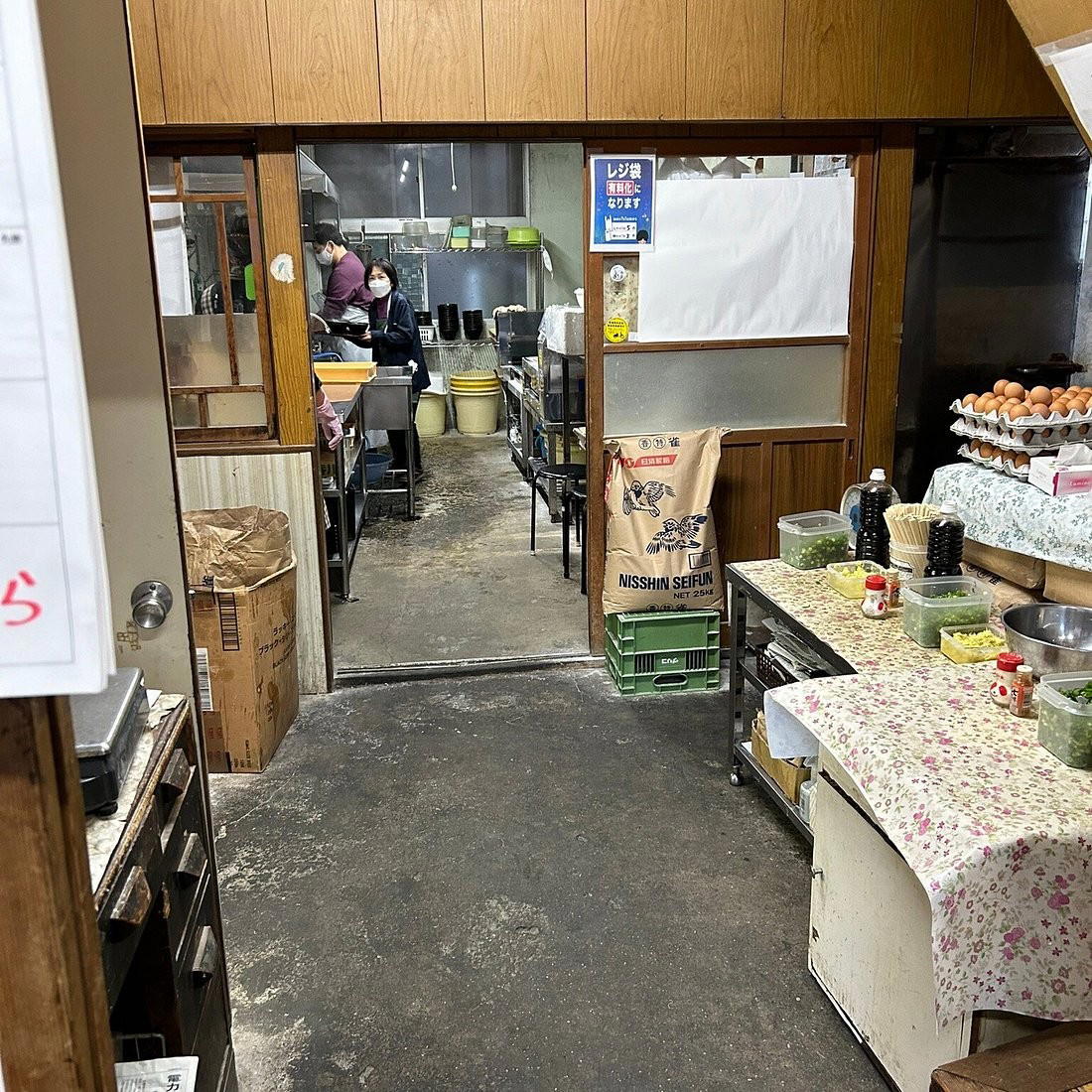

Details
- Modern
- Cozy
- Solo
- Family
- Casual Hangout
- Group Dining
- Standalone
- Design Destination
- A La Carte
- Counter Dining
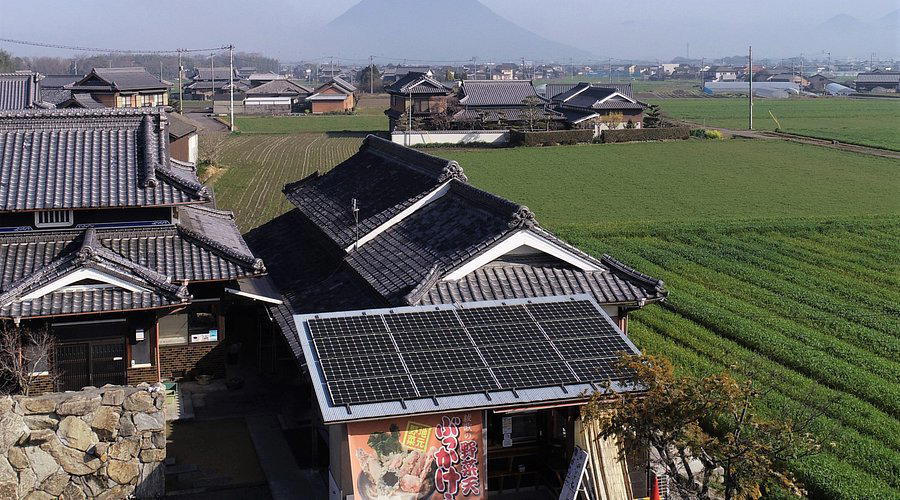
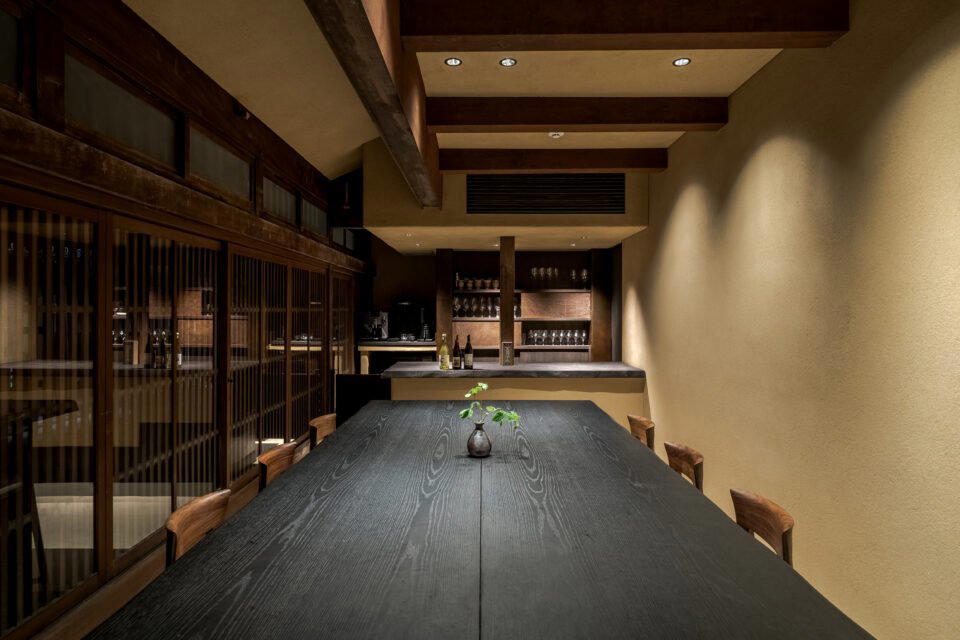
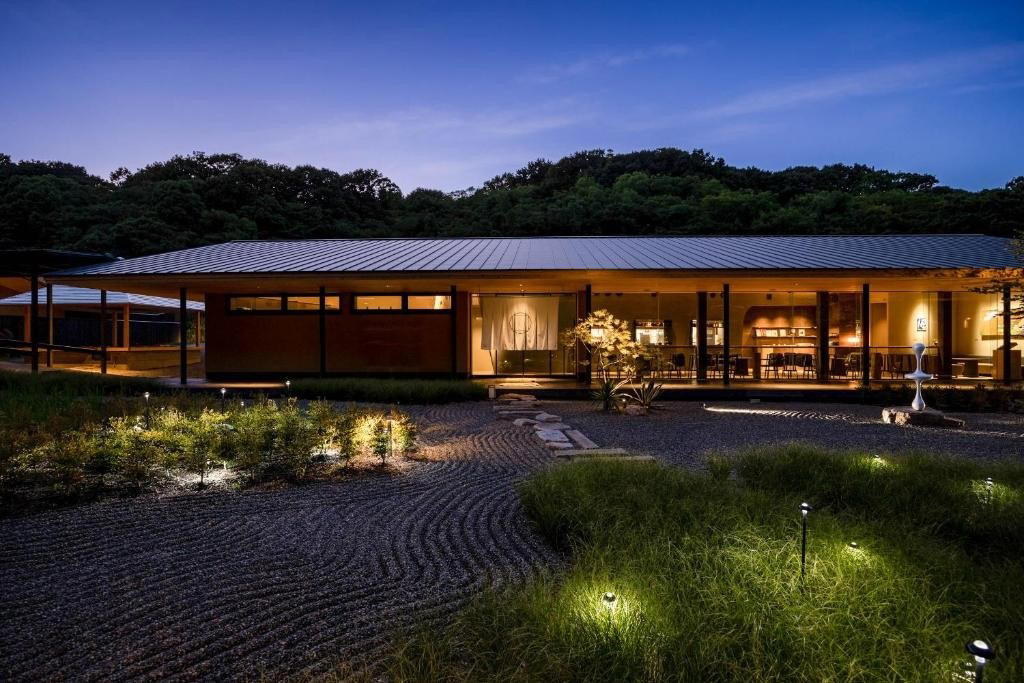
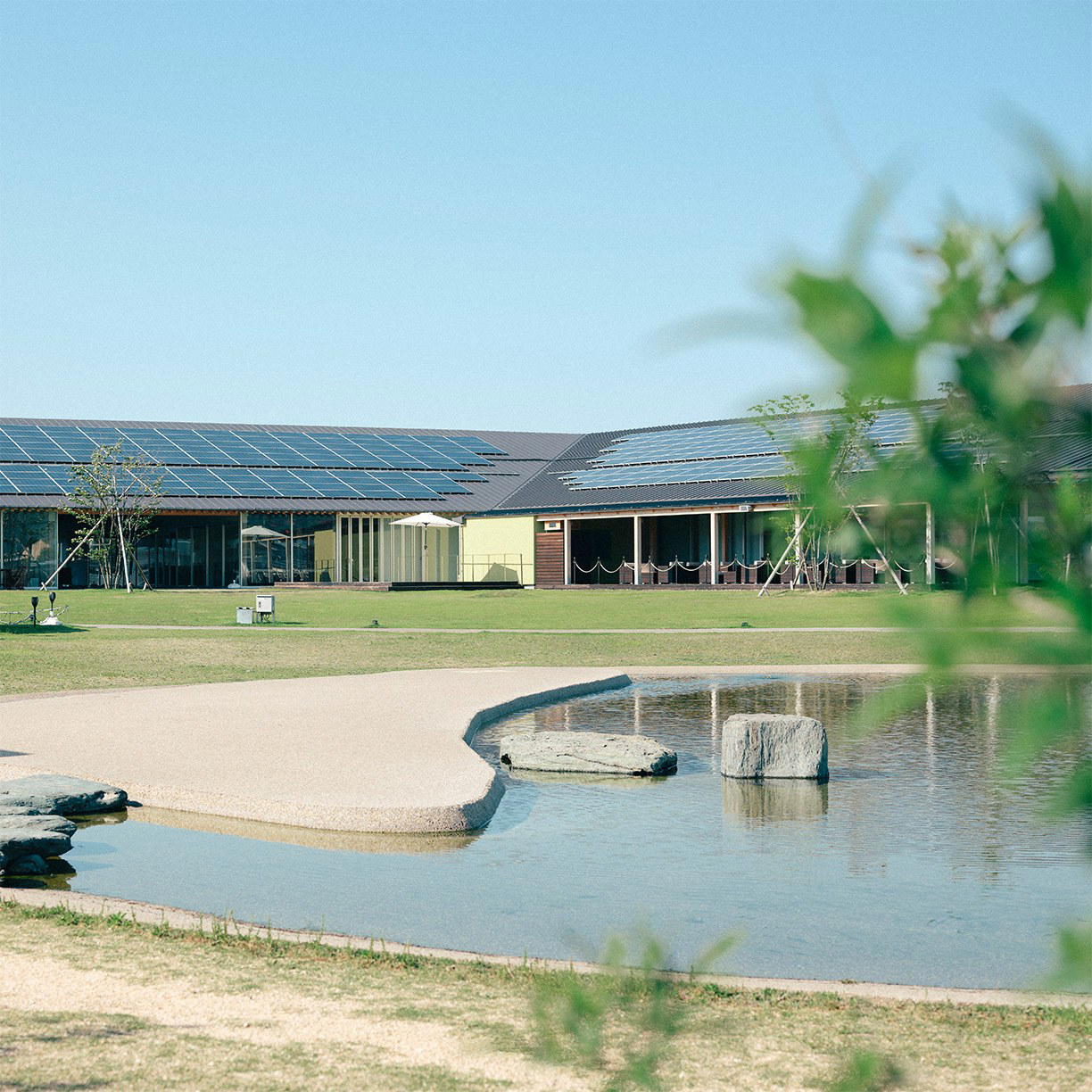
A bright, stylish, cafe-like udon shop with a relaxed, cozy atmosphere; simple modern interior, counter and table seating, and a casual, family‑friendly feel that stays lively but not hectic during the short lunch service.