Ganso Shoyu Udon Ogataya

Kagawa udon culture rewards specificity: wheat noodles, regional habits, and a low-price format that keeps serious shops democratic. Ganso Shoyu Udon Ogataya belongs to that tradition with udon and oden, a Tabelog Udon Kagawa 100 selection in 2024, and a price band under JPY 999 that places it firmly in the everyday end of the prefecture’s noodle circuit.
Pearl is the En Primeur Club membership app — saves, bookings, and concierge access live there. Same editors, same standards.
- Address
- 1298-2 Yoshino, Manno, Nakatado District, Kagawa 766-0023, Japan
- Phone
- +81 877-79-2262
- Website
- ganso-ogataya.com
- Directions
- Get directions
 Saves & bookings on Pearl
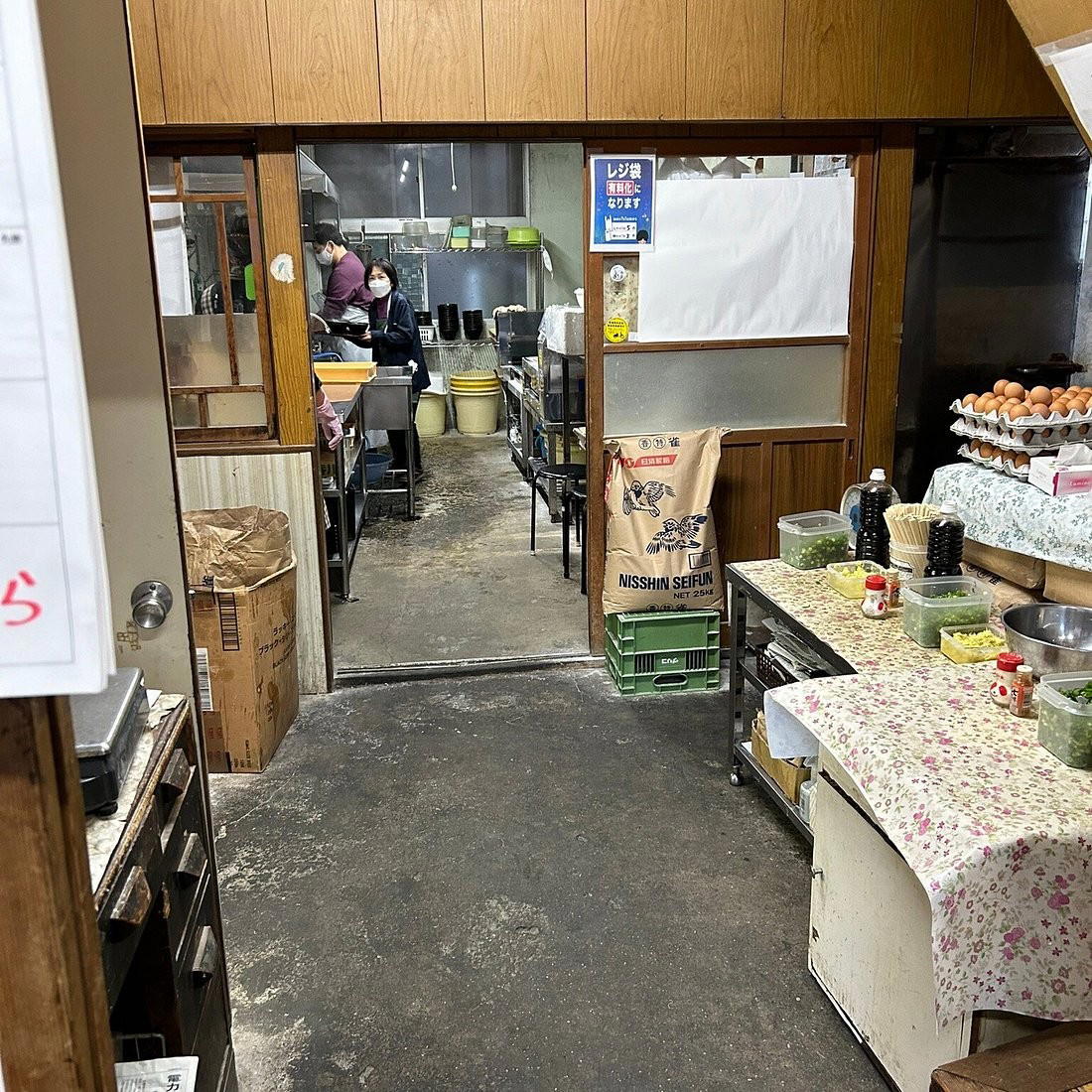
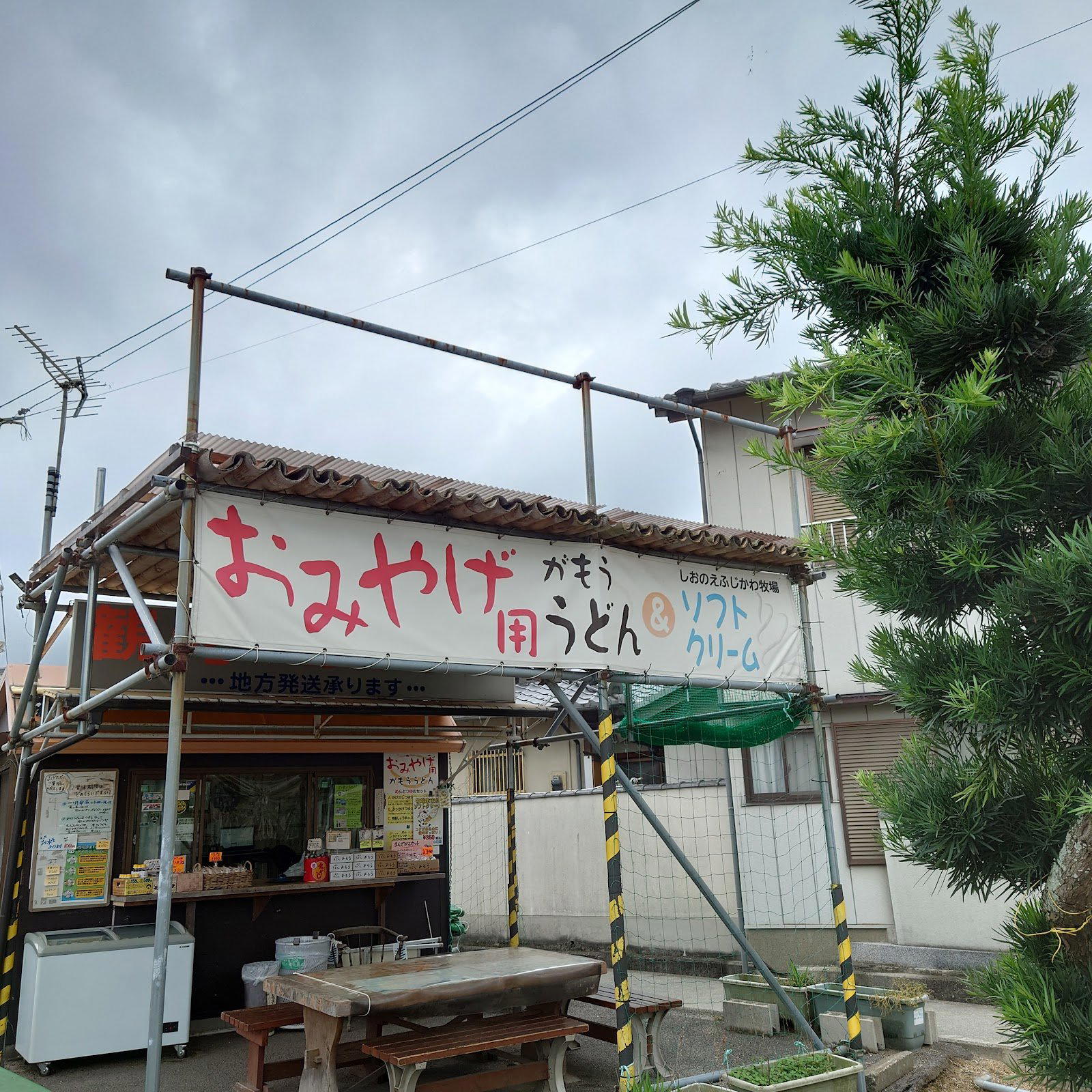
Approaching Ganso Shoyu Udon Ogataya in Nakatado-gun, the udon map changes character. This is not the station-front quick bowl or the polished city counter; it belongs to everyday noodle culture, where practical service and repeat local use matter as much as the bowl itself. The room at Ganso Shoyu Udon Ogataya fits that older udon-shop logic: a straightforward stop built around turnover, value, and the social rhythm of a local meal.
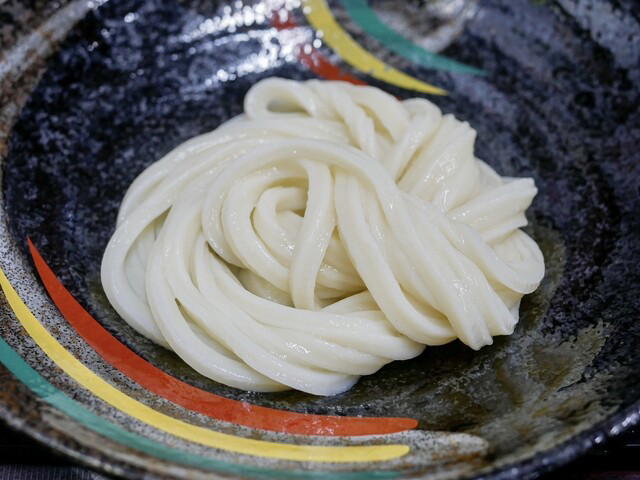
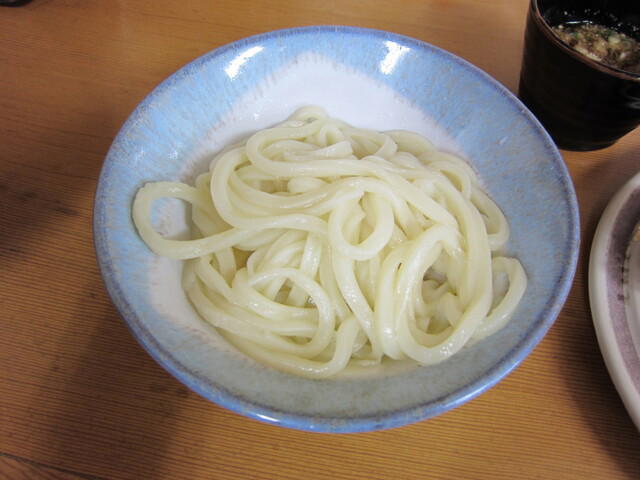
Udon identity often depends on restraint. The appeal is not luxury produce but repetition: wheat noodles made to be eaten often, quickly, and cheaply, with texture doing much of the work. Shoyu udon, the style signalled in the name here, sits close to that idea because it gives less cover to the kitchen. Compared with broth-led bowls, the seasoning is more direct and the noodle has fewer places to hide. That makes ingredient handling, dough discipline, and serving tempo the real measures of the meal.
Sanuki udon, stripped back to noodle and seasoning
In this part of the country, udon is a staple with an unusually competitive dining culture. Shops are judged on small differences: the pull of the noodle, the balance of soy seasoning, the freshness of simple garnish, and the speed at which a bowl reaches the table. Ganso Shoyu Udon Ogataya appears in the Tabelog Hyakumeiten 2024 recognition set, with a listed score of 3.67, a useful trust signal in an area where udon shops are part of everyday local infrastructure.
The price band matters. Lunch and dinner budgets are listed under JPY 999, which places the experience in the same democratic bracket as udon peers such as Nagata Udon and Teuchi Udon Musashi. That low ceiling is not incidental; this style of udon’s credibility depends on remaining ordinary enough for repeat eating. The pleasure is not in ceremony but in precision at a price that encourages comparison.
That comparison is worth making across Nakatado-gun. Other local dining rooms provide useful points of reference for how compact noodle formats can differ without leaving the same price culture. The target here is not a long menu or chefly display. It is whether the shop’s core udon format holds its place in a strong local noodle landscape.
Oden and the regional lunch-house rhythm
The category listing includes udon and oden, a pairing that says more about casual Japanese dining than a menu inventory would. Oden gives a udon house a second tempo: something to consider before or alongside noodles, especially in settings where casual meals often move quickly. The main story remains everyday food culture rather than destination-formality dining.
The physical format is part of the editorial case, but it should be understood in broad terms rather than through unverified room statistics. In a regional district, accessibility and practicality change the experience: serious udon does not have to mean a tiny counter or an urban queue. It can mean a straightforward dining room where the noodle bowl remains the organizing principle.
Operational expectations should stay modest and practical. Many udon houses are built around low spend and quick service, and Ganso Shoyu Udon Ogataya’s listed budget reinforces that everyday character. Visitors comparing this with urban Japanese dining should adjust expectations: the craft is in the bowl and the rhythm of the category, not in contemporary restaurant polish.
How to place it within a Kagawa food itinerary
For a traveller building a Nakatado-gun food day, the better frame is clustering rather than pilgrimage. Ganso Shoyu Udon Ogataya sits in a part of the region where serious udon stops can be compared in one trip, especially for diners interested in how noodle texture and seasoning vary from shop to shop. The location is Nakatado-gun, so planning should focus on how this stop fits with the wider local dining circuit.
The broader EP Club map helps separate the region’s food purpose from its hotel, bar, and cultural infrastructure. Start with Our full Nakatado-gun restaurants guide for nearby dining context, then use Our full Nakatado-gun hotels guide, Our full Nakatado-gun bars guide, Our full Nakatado-gun wineries guide, and Our full Nakatado-gun experiences guide to judge whether this is a focused food detour or part of a longer stay.
Readers comparing Japanese regional eating across the country can also trace how modest-price specialization works beyond this stop through other unnamed local dining rooms, casual noodle counters, regional cafés, sake bars, and specialist restaurants. The point of comparison is not celebrity or spectacle, but how everyday food cultures develop strong identities through repetition, value, and a narrow sense of purpose.
The editorial recommendation is narrow and clear: come for udon in its everyday register. The 2024 Tabelog Hyakumeiten recognition gives the shop standing, but the stronger reason to go is contextual. This is a useful stop for understanding how a regional udon system works: low prices, high repetition, practical rooms, and noodles that carry the argument.
Fast Comparison
Comparable venues by cuisine and price in the same metro.
| Venue | Cuisine | Price | Notes |
|---|---|---|---|
| Ganso Shoyu Udon Ogataya | Traditional Kagawa shoyu udon shop | $ | Hazama, Nakatado-gun |
| IKEKO UDON | Sanuki udon noodle shop | $ | Tadotsu-cho |
| Nagata Udon | Traditional Sanuki udon (kamaage specialty) | $ | Manno-cho Yoshino |
| Mishima Seimenjo | Traditional Sanuki udon noodle shop | $ | Manno Town, Nakatado District |
| Teuchi Udon Musashi | Sanuki udon & curry udon shop | $ | Kotohira-cho |
| Yayoi (やよい軒 筑紫口店) | Japanese Teishoku | $ | Hakata |
Recognition history
Dated appearances from independent guides and award organizations, with the underlying list record or original source where available.
Tabelog 100 #9 · No. 9
Tabelog · Tabelog 100 - Udon - KAGAWA - 2024
Continue exploring
More in Nakatado-gun
Restaurants in Nakatado-gun
Browse all →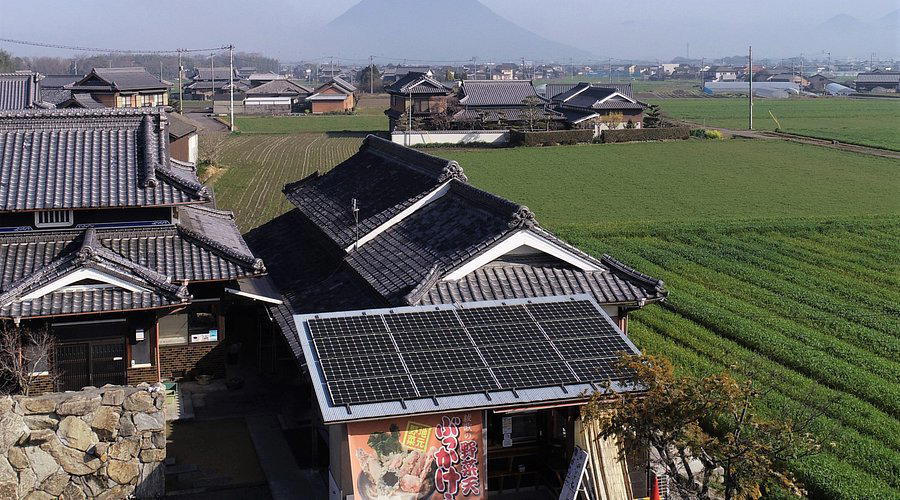
Bars in Nakatado-gun
Browse all →

At a Glance
- Classic
- Cozy
- Rustic
- Solo
- Family
- Casual Hangout
- Group Dining
- After Work
- Standalone
- Local Sourcing
Current opening hours
- Monday
- Closed
- Tuesday
- Closed
- Wednesday
- 10:30 AM–2:30 PM
- Thursday
- 10:30 AM–2:30 PM
- Friday
- 10:30 AM–2:30 PM
- Saturday
- 10:30 AM–2:30 PM
- Sunday
- 10:30 AM–2:30 PM
Hours can change for holidays and private events. Last verified .
Know Before You Go
- Reservations
- Walk in friendly
- Dress code
- Casual
- Getting there
- 1298-2 Yoshino, Manno, Nakatado District, Kagawa 766-0023, Japan