


Michelin Plate · Tabelog 100 #80
Our verdict
No Code occupies a quiet Nishiazabu address and operates in the tier of Tokyo creative restaurants that trade on precision and restraint over spectacle. Chef Fumio Yonezawa's kitchen earned a ranking of #427 on Opinionated About Dining's 2025 Japan list, placing it within a recognised cohort of independent creative addresses worth tracking. The room is small, the format focused, and the cooking sits firmly in the creative cuisine category.

Pearl is the En Primeur Club membership app, where members save venues, book tables and use the concierge.
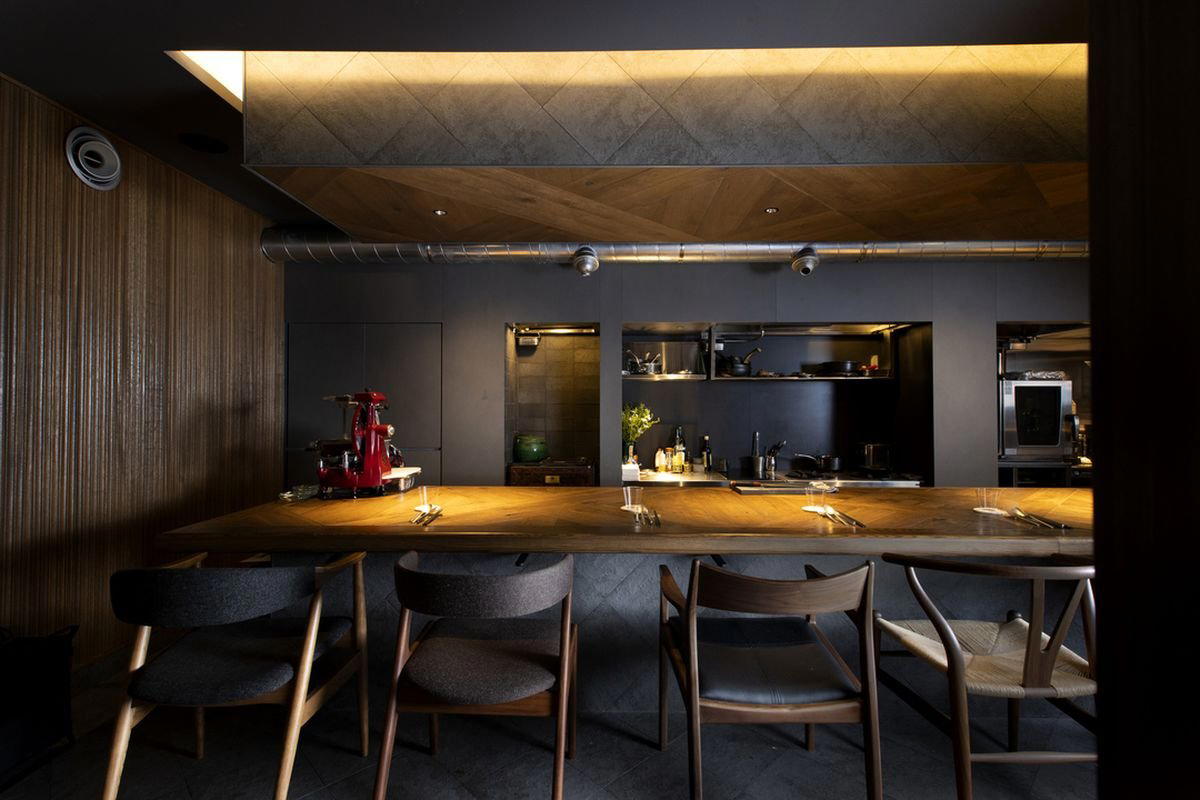
Nishiazabu After Dark: Where Tokyo's Creative Dining Gets Quiet
The ground floor of a low-rise on Nishiazabu's 2-chome strip is not where most diners expect to find a ranked creative kitchen. No Code operates from that address, Kuore Nishiazabu 1F, in a neighbourhood that sits between the high-volume Roppongi corridor and the quieter, money-old streets of Minami-Azabu. Nishiazabu occupies a specific register in Tokyo's dining geography: dense with serious restaurants, light on tourist foot traffic, and largely indifferent to the kind of visibility that Ginza or Shinjuku kitchens depend on. A creative restaurant here signals a deliberate choice to let the cooking do the positioning.
Tokyo's creative cuisine category has widened considerably over the past decade. Where it once described a handful of French-trained outliers applying European technique to Japanese produce, it now encompasses a spectrum running from kaiseki-adjacent tasting menus to boundary-crossing formats that resist easy categorisation. No Code sits within that spectrum under Chef Fumio Yonezawa, and its 2025 ranking of #427 on the Opinionated About Dining Japan list places it inside a recognised tier of independent creative addresses, not at the summit, but clearly within the conversation that serious Tokyo diners are having.
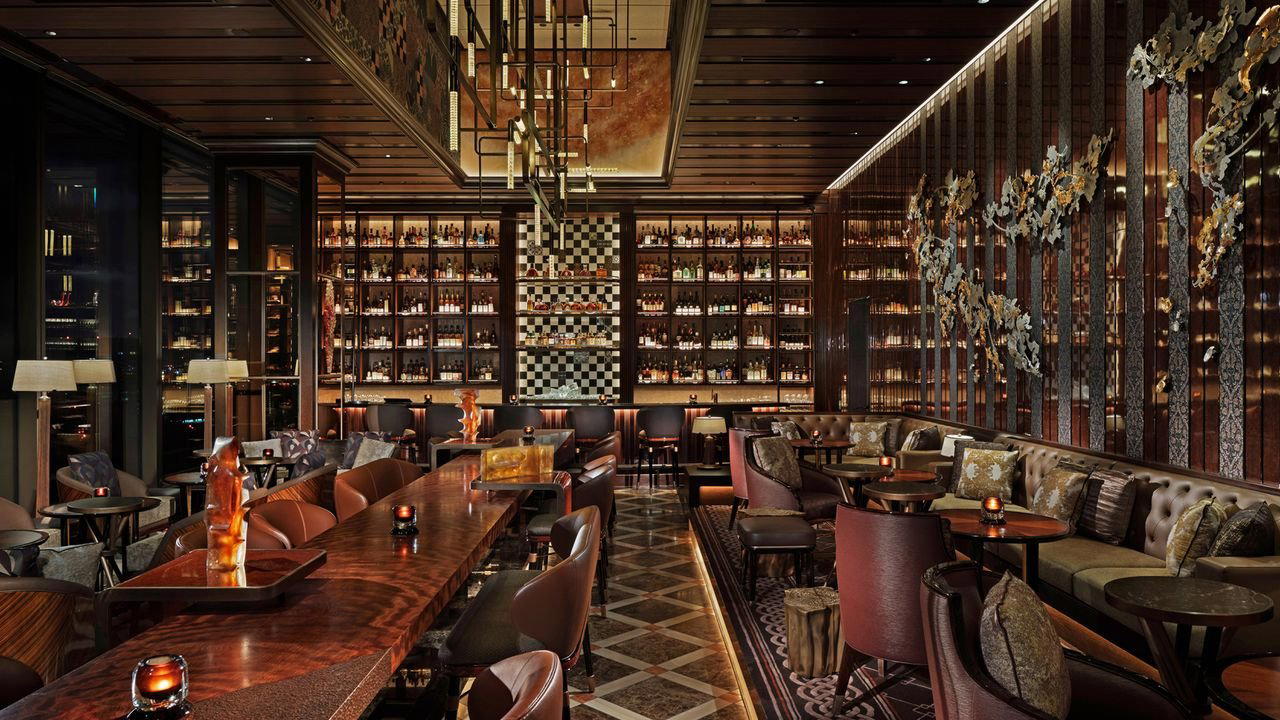
The Atmosphere a Small Nishiazabu Room Creates
In a city where restaurant design frequently competes with the food for attention, the creative kitchens that endure in neighbourhoods like Nishiazabu tend to rely on compression rather than grandeur. Small rooms in Tokyo operate by different physics than large ones: sound stays low and close, light sources matter more, the distance between kitchen and table contracts until you are eating inside the production rather than watching it from a remove. The OAD ranking at #427, drawn from a voting pool weighted toward frequent fine-dining travellers and industry professionals, implies a restaurant that has built its reputation within that compressed, attentive format rather than through scale.
Creative cuisine in this neighbourhood context usually means a tasting format with a fixed number of courses, ingredient-led sequencing, and a kitchen that makes editorial choices about what arrives and in what order. The sensory rhythm of that kind of meal, the shift from raw to cooked, from acid to fat, from textural contrast to something smooth and final, is as much a product of room atmosphere as it is of what is on the plate. In Tokyo's leading creative tiers, the lighting temperature, the sound level, and the pace of service are treated as part of the composition. That standard applies here.
Where No Code Sits in Tokyo's Creative Field
To read No Code's position accurately, it helps to map the broader Tokyo creative field. At the upper end of the OAD Japan rankings, restaurants like RyuGin (kaiseki) and L'Effervescence (French) anchor the list's top tier. Sézanne has climbed rapidly since opening, while Crony represents the newer wave of innovative French-adjacent cooking finding an audience in the city. Harutaka anchors the premium sushi end of that peer conversation. No Code at #427 occupies the stratum just below the headline names, a position that, in a market as competitive as Tokyo's, still requires consistent execution and a clear point of view.
That stratum is arguably where Tokyo's most interesting creative work is happening. The pressure to perform for critics and award bodies is lower, which frequently allows kitchens to take more considered risks. The clientele at this level skews toward repeat visitors and word-of-mouth referrals rather than tourists ticking off Michelin addresses. For a diner who has covered the leading ten and wants to understand where Tokyo creative cooking is developing next, the #400 band on OAD Japan is a reliable signal.
The creative cuisine category in Japan also sits in productive tension with the country's deep kaiseki and sushi traditions. Where a kitchen like Harutaka operates inside a codified form, and where RyuGin interprets kaiseki through a contemporary lens, a creative restaurant like No Code operates without the same inherited grammar. That freedom is both the appeal and the challenge, and the OAD ranking suggests Yonezawa's kitchen has found a workable answer to it.
Japan's Creative Restaurant Scene Beyond Tokyo
No Code belongs to a national creative dining conversation that extends well beyond Nishiazabu. HAJIME in Osaka represents the longer-established end of Japan's creative fine dining, while Gion Sasaki in Kyoto works at the intersection of kaiseki form and creative impulse. akordu in Nara applies a European sensibility to local produce in a way that has attracted attention from OAD voters. Goh in Fukuoka and 1000 in Yokohama extend the map further, with 6 in Okinawa operating at the geographic edge of the conversation. Regionally, the creative format has also gained ground in Southeast Asia, Locavore in Manila and Mosu in Seoul are the most cited comparisons for diners mapping the broader Asian creative field.
Planning a Visit
No Code's address, Kuore Nishiazabu 1F, 2 Chome-25-31 Nishiazabu, Minato City, Tokyo, puts it within a short walk of Hiroo Station on the Hibiya Line, which is the most practical approach from central Tokyo. Nishiazabu is not served directly by major interchange stations, so allowing time for the walk or a short cab from Roppongi is sensible. Given the room's apparent scale and the OAD recognition, reservations almost certainly require advance planning, this is not the kind of ranked creative address that absorbs walk-ins on a Friday evening. Booking through a hotel concierge with established Tokyo relationships, or through a reservation service familiar with smaller independent kitchens, is the practical path.
For broader Tokyo planning, the EP Club publishes guides across the city's dining and hospitality categories: Tokyo restaurants, Tokyo hotels, Tokyo bars, Tokyo wineries, and Tokyo experiences each cover the relevant tier in detail.
Frequently asked questions
Who's behind the kitchen at No Code?
The chef associated with No Code is Fumio Yonezawa.
Do they take walk-ins at No Code?
No Code holds an OAD ranking (#427 in Japan, 2025), which places it in a tier where Tokyo's serious independent kitchens book out in advance. Walk-in availability is not reliable at this level. Reservations made ahead of your visit are the only safe approach.
A Quick Peer Check
Comparable venues nearby, for context on price, style, and recognition.
| Venue | Cuisine | Price | Awards | Notes |
|---|---|---|---|---|
| No CodeThis venue (the venue you are viewing) | Mexican French Fusion Omakase | Not listed | Michelin Plate · Tabelog 100 #80 | Not listed |
| SECRETO | Innovative Molecular Fusion | $150–200 | Tabelog Bronze #390 | Shinjuku |
| Tiger Peak | Sino-Japanese Tasting Menu | $50–100 | Black Pearl 2 Diamond | Minato |
| マス | Peruvian-Inspired Innovative Fine Dining | Not listed | Not listed | Chiyoda |
| Shohei Shimano | French-Japanese Fusion Tasting Menu | Not listed | Tabelog 100 #93 | Shibuya |
| Dining & Bar Lavarock (ラヴァロック) | Modern Grilled Bistro | $50–100 | Not listed | Kyobashi |
Recognition history
Dated appearances from independent guides and award organizations, with the underlying list record or original source where available.
Michelin Plate
Michelin · 2026 Michelin Plate
Opinionated About Dining Top Restaurants in Japan Recommended
Opinionated About Dining
Tabelog 100 #80 · No. 80
Tabelog · Tabelog 100 - Innovative / Creative cuisine - 2025
Full recognition history (4 entries)
Opinionated About Dining Top Restaurants in Japan Ranked #427
Opinionated About Dining
Continue exploring
More in Tokyo
Restaurants in Tokyo
All restaurants in Tokyo →


Bars in Tokyo
All bars in Tokyo →






Details
- Modern
- Trendy
- Intimate
- Sophisticated
- Special Occasion
- Date Night
- Chefs Counter
- Open Kitchen
- Sake Program
- Omakase
- Counter Dining
Stylish and relaxing counter seating space focused on the chef's performance.