Seafarm
Our verdict
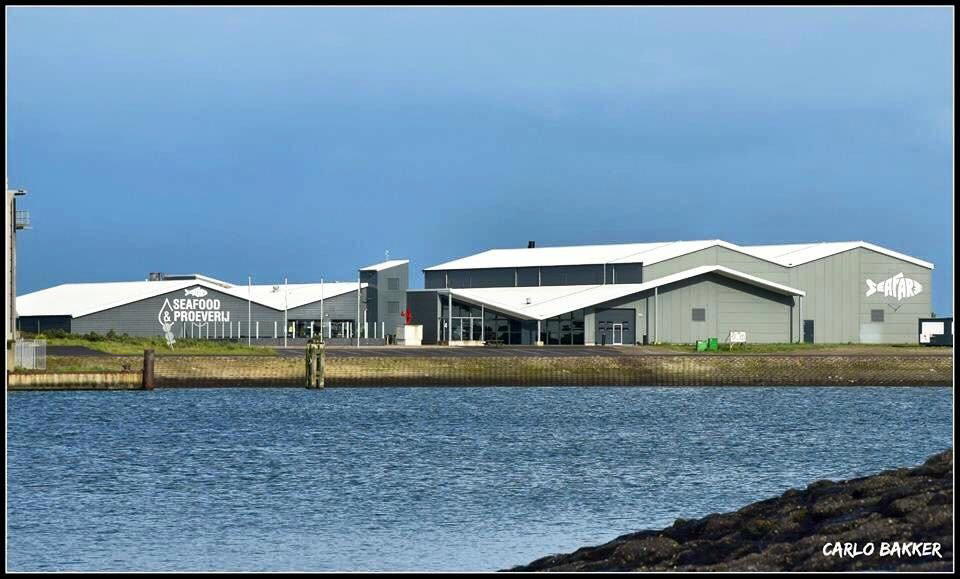
Seafarm sits at Jacobahaven 4 in Kamperland, on the Zeeland coast where the Eastern Scheldt estuary meets the North Sea. The restaurant's address alone signals its orientation: this is a kitchen defined by what the surrounding water produces, placing it within a small but serious cohort of Dutch coastal restaurants where ingredient provenance is the editorial point, not just the backdrop.

Pearl is the En Primeur Club membership app — saves, bookings, and concierge access live there. Same editors, same standards.
- Address
- Jacobahaven 4, 4493 ML Kamperland, Netherlands
- Phone
- +31113371828
- Hours
- Daily 11:30 AM–10 PM
- Website
- seafarm.nl
- Directions
- Get directions
- Booking
- Book on the venue's website
Where the Estuary Sets the Menu
Zeeland's coastline has always operated on a different logic from the Netherlands' urban restaurant scene. Here, the Eastern Scheldt (Oosterschelde) is not scenic backdrop but working infrastructure: its tidal flats and saltwater channels produce some of Europe's most closely watched shellfish, including the Oosterschelde lobster and the flat oysters that carry a protected designation of origin. Restaurants along this stretch of the Dutch coast either engage seriously with that provenance or they don't. Seafarm, addressed at Jacobahaven 4 in Kamperland, sits on the side that does.
Kamperland is a small harbour settlement on Noord-Beveland, the island municipality that sits between the Eastern Scheldt and the Veerse Meer. It draws seasonal visitors in summer, but the surrounding water defines its year-round identity more than any tourism calendar. Arriving at Jacobahaven puts you at the edge of a working harbour, where the gap between what the water contains and what arrives on a plate is measured in metres rather than supply-chain logistics. That proximity is the central argument for making the trip from Middelburg, Goes, or further afield.
The Sourcing Position That Drives Dutch Coastal Kitchens
Across the Netherlands, the most discussed fine-dining addresses occupy urban centres. De Librije in Zwolle, 't Nonnetje in Harderwijk, and Ciel Bleu in Amsterdam all operate within reach of broad urban audiences and the infrastructure that supports starred kitchens. Coastal Zeeland represents a different model: lower population density, harder logistics, and a sourcing advantage that urban kitchens can approximate but not replicate. The Oosterschelde's shellfish move through a cold, clean tidal system that produces a flavour profile and a texture standard that chefs in Rotterdam or Amsterdam pay a premium to access. A kitchen sitting directly on the harbour at Kamperland starts at a different point on that supply chain.
This dynamic has precedent in the region. Inter Scaldes in Kruiningen, also in Zeeland, has demonstrated that the province can sustain serious fine-dining ambition by building menus around the estuary's seasonal yield. The model works when the kitchen has both the discipline to let the ingredient lead and the technical fluency to do something more than present it plainly. That combination is what separates ingredient-led coastal restaurants from fish restaurants that happen to be near the sea.
For comparison, the sourcing intensity found along the Zeeland coast shares a structural logic with kitchens further afield: Le Bernardin in New York City built its reputation on the argument that seafood deserves the same technical precision applied to meat in classical French cooking. Atomix in New York City has made a related case for produce with verifiable origin. The Dutch coastal equivalent is less publicised internationally but operates on the same underlying premise: where the ingredient comes from is inseparable from what it becomes on the plate.
What Zeeland Seasonal Rhythm Means for Visitors
The Eastern Scheldt's shellfish calendar shapes any serious visit to this part of Zeeland. Oosterschelde lobster has a regulated season, and flat oysters are at their most sought-after in the cooler months, when water temperatures are lower and the flesh is firmer. A visit timed to the mid-autumn through early spring window will encounter a different, often more concentrated version of what the estuary produces than a peak-summer trip, when the harbour at Kamperland is busy with recreational traffic and the kitchen is serving a broader, more mixed audience.
Kamperland is accessible by car from Middelburg in under thirty minutes, and from Goes in roughly twenty. Public transport to Noord-Beveland is limited, which means most visitors arriving without a car will need to plan accordingly. The island's scale is small enough that accommodation options are modest, and the sensible approach for visitors travelling from Amsterdam or Rotterdam is to combine a meal at Seafarm with a wider circuit of Zeeland's dining addresses, of which Inter Scaldes in Kruiningen is the most formally recognised.
How Seafarm Sits Within the Dutch Fine-Dining Tier
The broader Dutch restaurant scene at the premium end is concentrated in a handful of cities and a smaller number of rural addresses that have built reputations strong enough to justify destination travel. Aan de Poel in Amstelveen, De Bokkedoorns in Overveen, and FG - François Geurds in Rotterdam sit within established dining corridors. Addresses like De Groene Lantaarn in Staphorst, De Lindehof in Nuenen, De Lindenhof in Giethoorn, De Treeswijkhoeve in Waalre, Tribeca in Heeze, 't Amsterdammertje in Loenen aan de Vecht, Brut172 in Reijmerstok, and De Nieuwe Winkel in Nijmegen demonstrate that the Netherlands' most compelling kitchens are often found at a distance from the major cities, where the relationship between a specific geography and the food on the table can be stated with more clarity.
Seafarm operates within this pattern. Its location at a working harbour is not incidental to its identity; it is the argument the kitchen is built around. See our full Kamperland restaurants guide for how Seafarm fits within the wider Noord-Beveland dining picture.
Planning a Visit
Given the limited venue data available, visitors should confirm current opening hours, reservation requirements, and pricing directly with Seafarm before making the journey. The address is Jacobahaven 4, 4493 ML Kamperland. Booking ahead is advisable for any coastal restaurant in Zeeland, particularly during the summer season when harbour-adjacent tables are in demand, and during the shellfish season in autumn and winter when a more focused clientele makes the trip specifically for what the estuary produces.
Frequently asked questions
Is Seafarm suitable for children?
Kamperland is a family-oriented harbour destination, particularly in the summer months, and the Eastern Scheldt coastline draws mixed-age visitors. The harbour address at Jacobahaven 4 places it in a setting that is broadly accessible rather than formally exclusive.
Is Seafarm formal or casual?
Zeeland's harbour dining culture generally sits closer to relaxed than ceremonial, and Seafarm's position on the working waterfront at Jacobahaven 4 in Kamperland points toward an atmosphere shaped by the coastal setting rather than urban formality. No dress code is documented. Confirm current expectations directly with Seafarm before arrival.
What do regulars order at Seafarm?
Given Seafarm's position on the Eastern Scheldt harbour, the logical anchor of any meal is what the surrounding water produces. The Oosterschelde is one of the Netherlands' most closely managed shellfish waterways, known for flat oysters and lobster with a regulated season.
At-a-Glance Comparison
Comparable venues nearby, for context on price, style, and recognition.
| Venue | Cuisine | Price | Notes |
|---|---|---|---|
| SeafarmThis venue — the venue you are viewing | Fresh Seafood & Shellfish | $30–50 | Not listed |
| De Campveerse Toren | Zeeland Seafood Fine Dining | $50–100 | Veere |
| Buutengaets | Fresh Seafood & Local Fish | $30–50 | Sint Annaland Marina |
| De Cleenne Mossel | Modern Dutch Seafood Brasserie | $50–100 | Bruinisse |
| Chefsbar Seinpost | Modern Dutch Seafood Fine Dining | Not listed | Scheveningen |
| Arsenaal Restaurant | Seasonal Seafood Fine Dining | Not listed | Naarden Vesting |
Continue exploring
More in Kamperland
Restaurants in Kamperland
Browse all →
Bars in Kamperland
Browse all →
Details
- Scenic
- Cozy
- Elegant
- Group Dining
- Family
- Casual Hangout
- Celebration
- Waterfront
- Terrace
- Open Kitchen
- Beer Program
- Farm To Table
- Sustainable Seafood
- Local Sourcing
- Waterfront
- A La Carte
- Family Style
- Beer
- Wine
- Gluten Free Options
- Pescatarian Friendly
- Allergy Accommodating
Current opening hours
- Monday
- 11:30 AM–10 PM
- Tuesday
- 11:30 AM–10 PM
- Wednesday
- 11:30 AM–10 PM
- Thursday
- 11:30 AM–10 PM
- Friday
- 11:30 AM–10 PM
- Saturday
- 11:30 AM–10 PM
- Sunday
- 11:30 AM–10 PM
Hours can change for holidays and private events. Last verified .
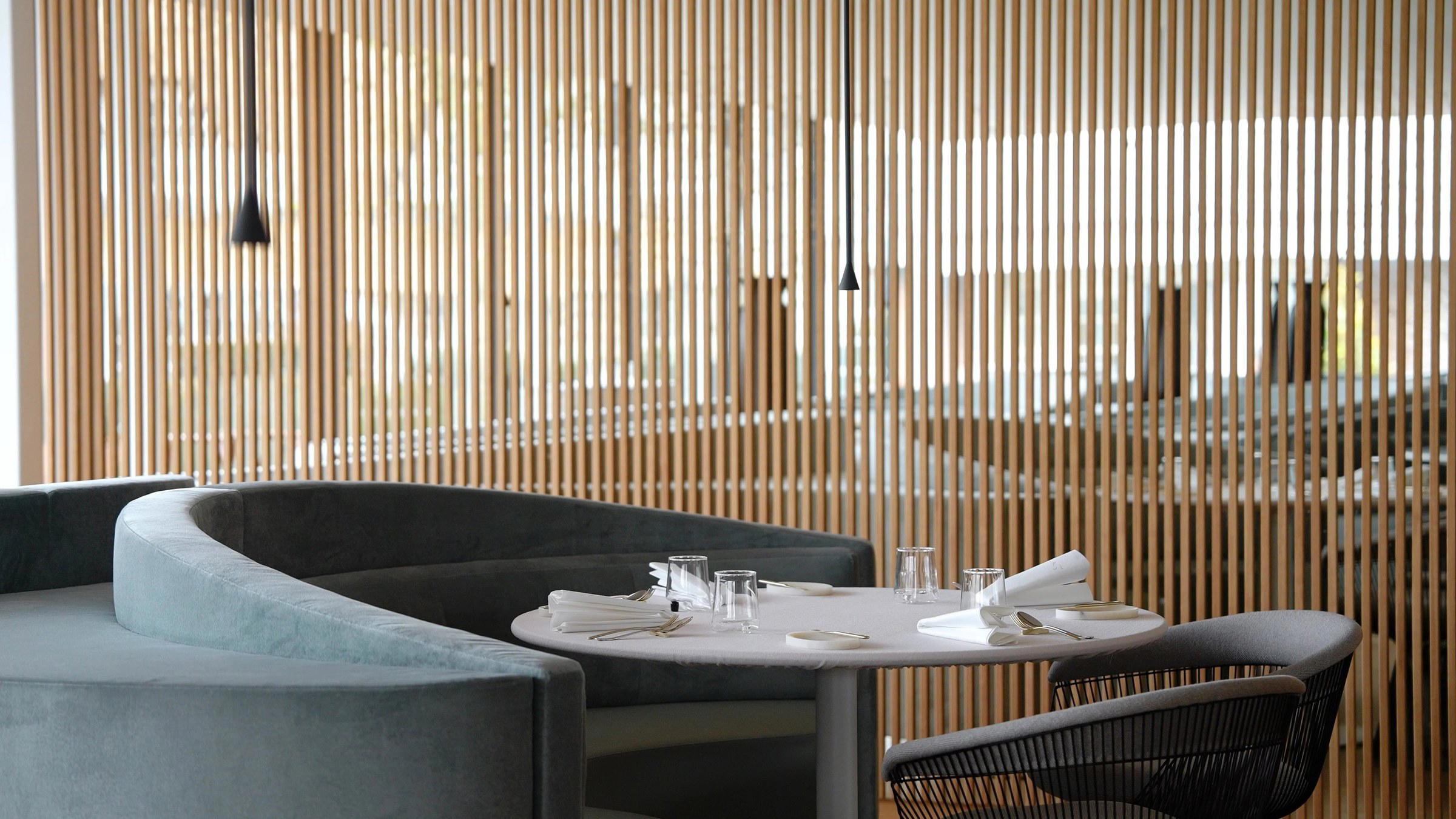
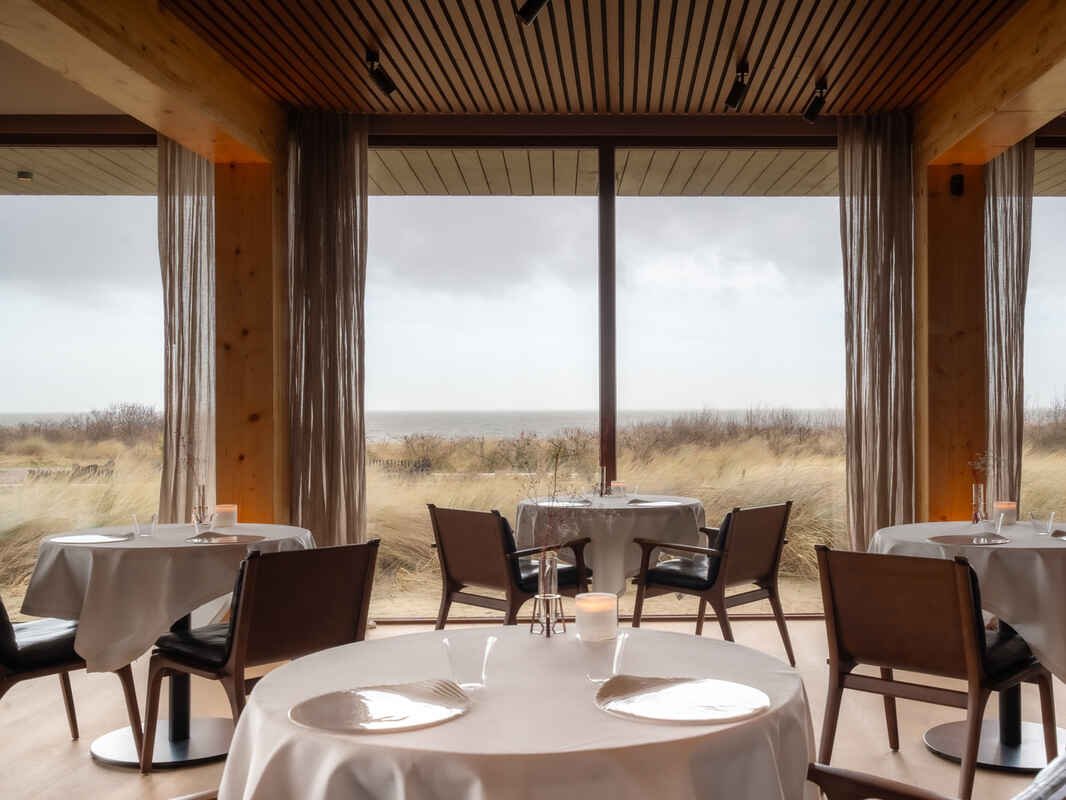
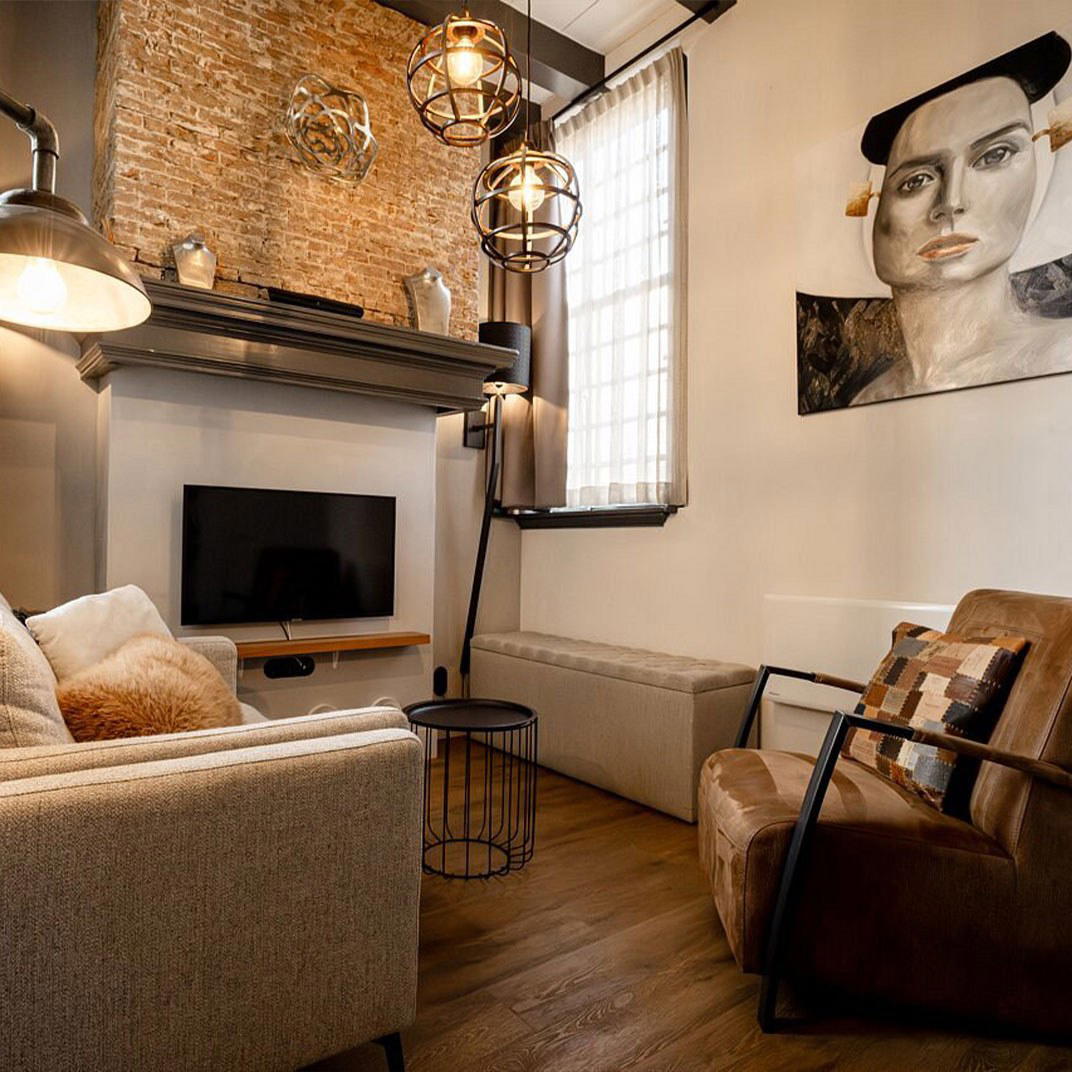
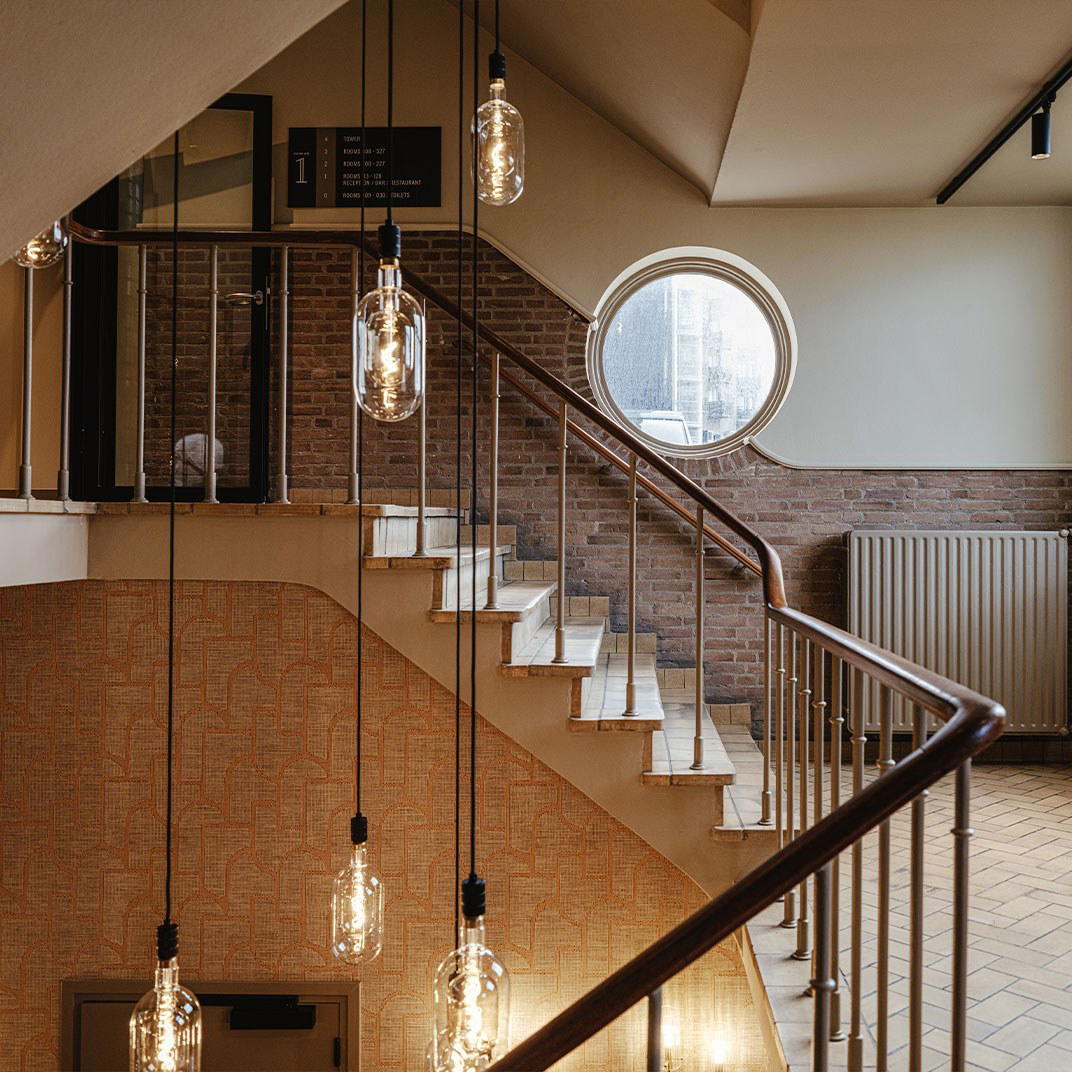
Spacious, beautifully decorated restaurant with relaxed, cozy atmosphere overlooking the fishing harbor and storm surge barrier with natural light from sea views.