Demain


1 Michelin Star · We're Smart World 2 Radishes
Our verdict
On the second floor of Strandhotel Cadzand, Demain positions Zeeland's coastal terroir within a modern cooking framework that reaches south toward the Mediterranean. Chef Dani Hoefnagels leads a kitchen where vegetables carry genuine weight alongside the region's langoustines and hamachi, and an entirely plant-based menu is in development. The dune and North Sea views are not incidental, they are part of the room's logic.

Pearl is the En Primeur Club membership app, where members save venues, book tables and use the concierge.
The menu
What to order
- Pan-seared langoustine with paella and saffron jus
Where the North Sea Meets the Kitchen
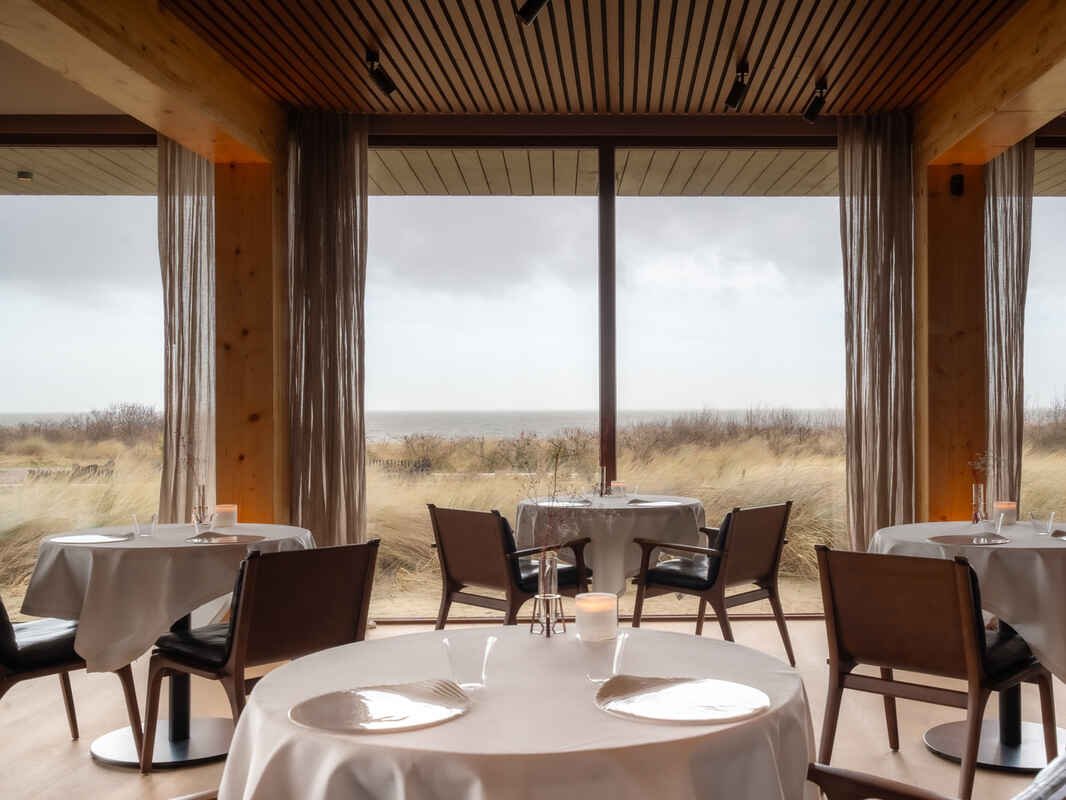
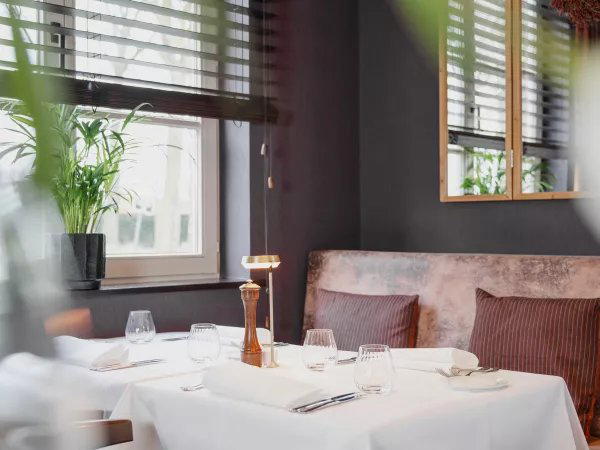
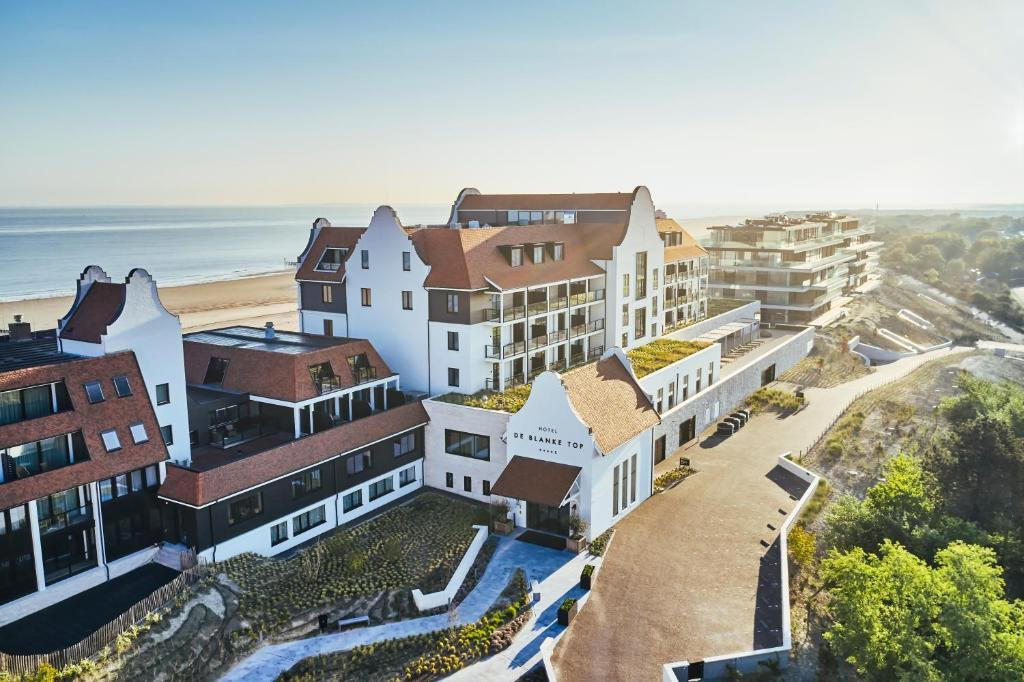
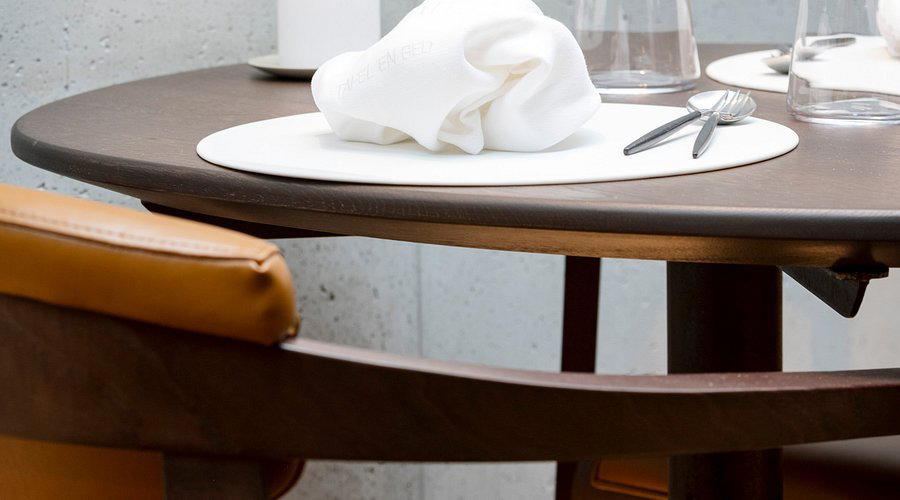
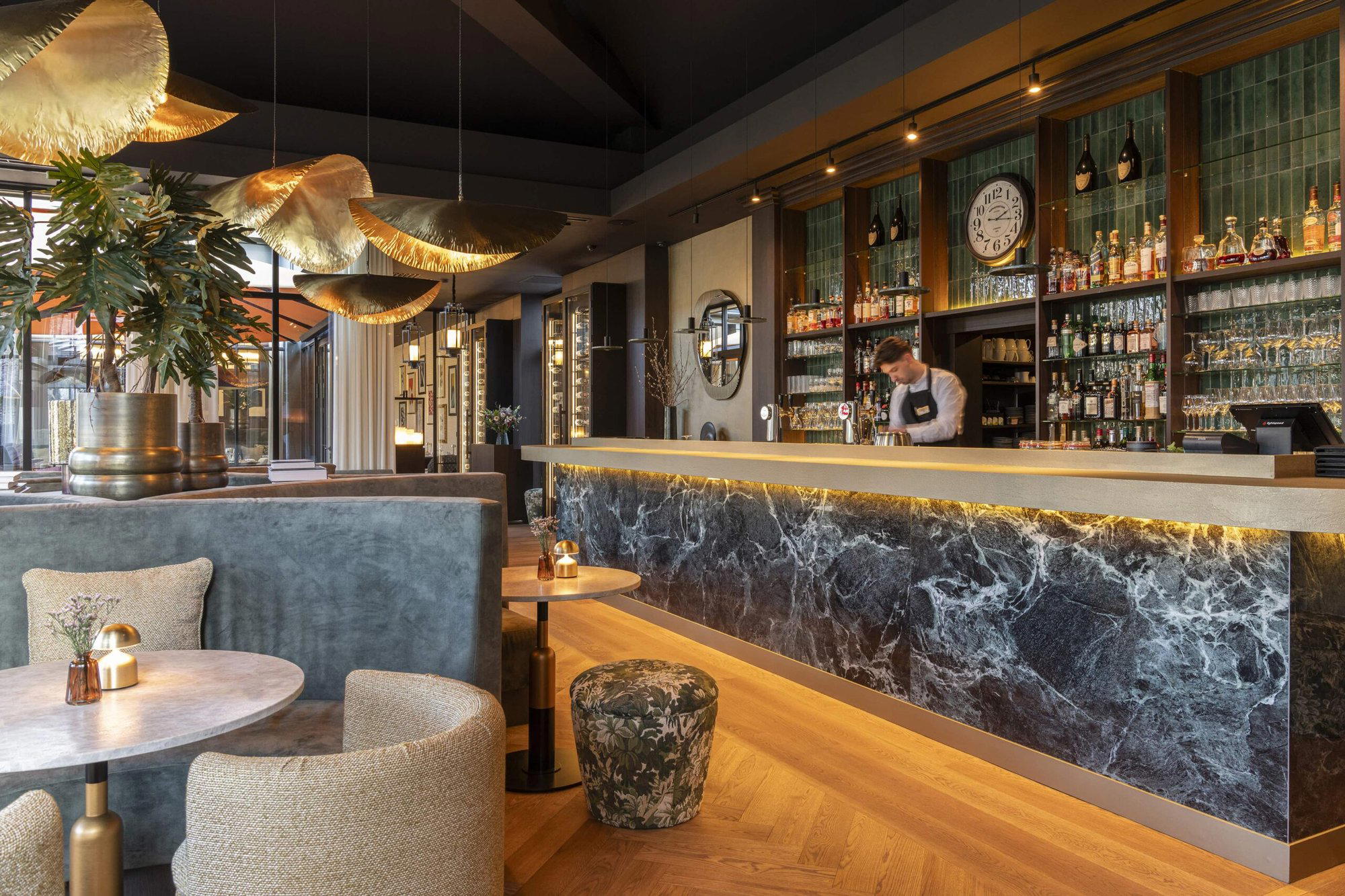
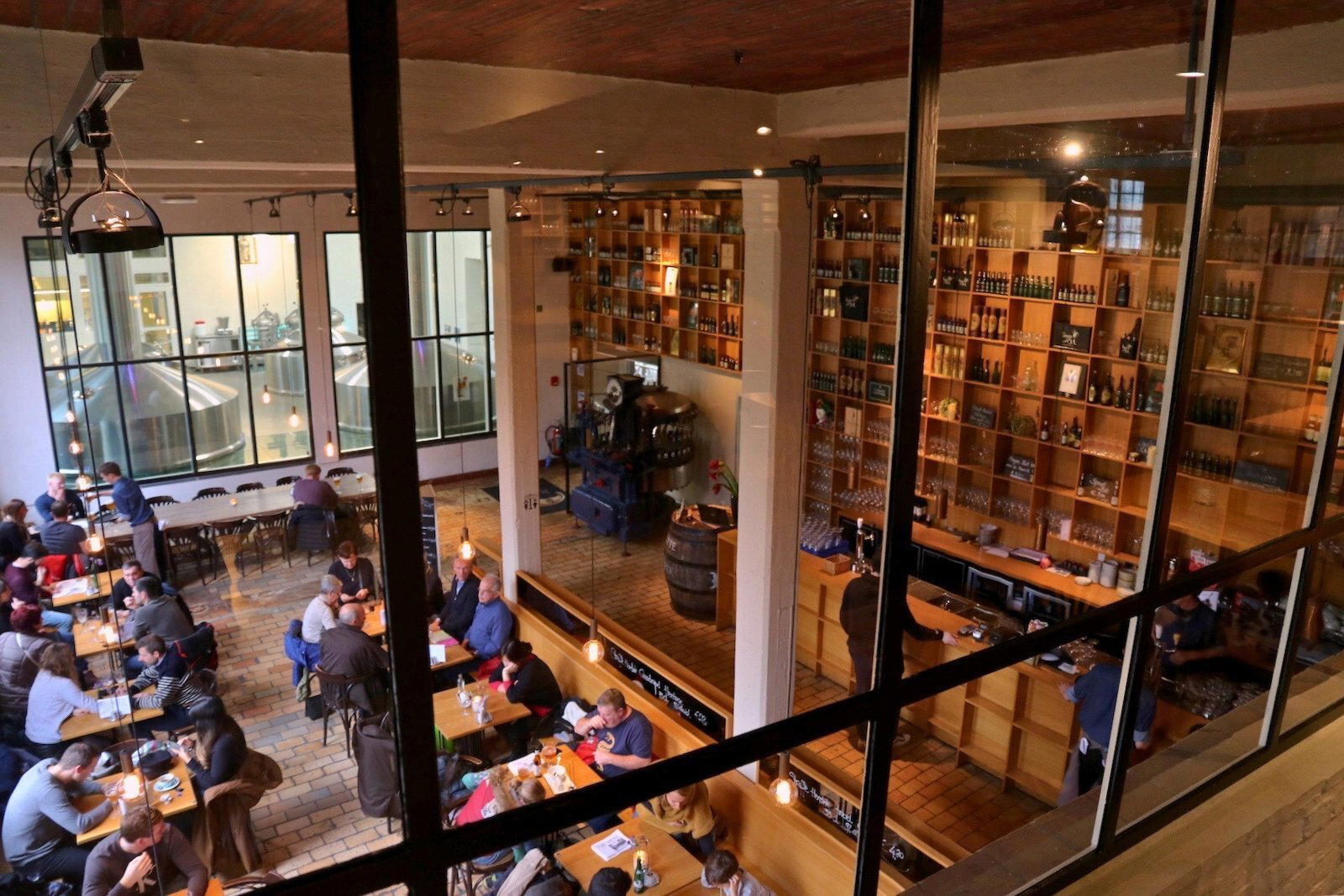
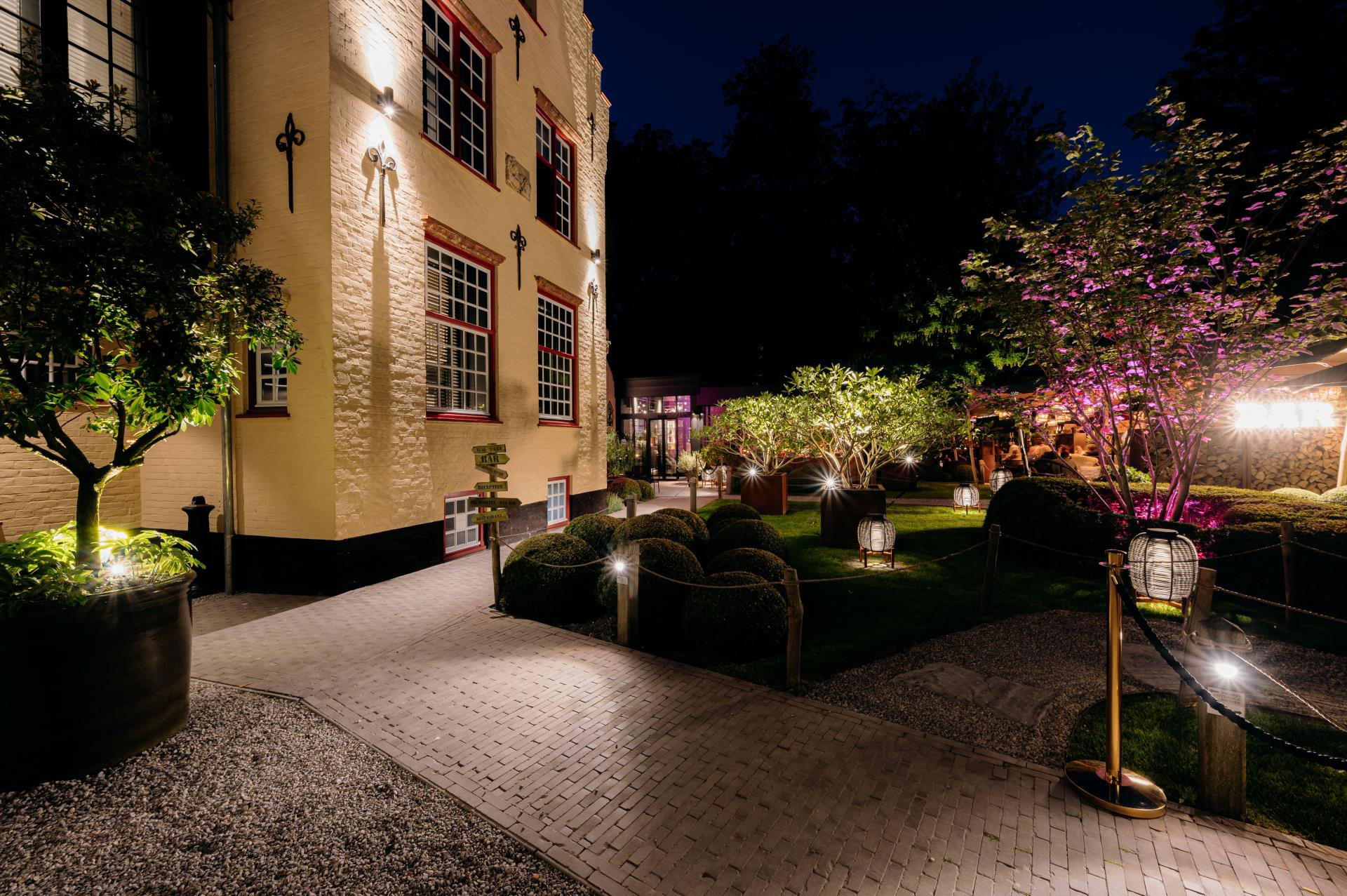
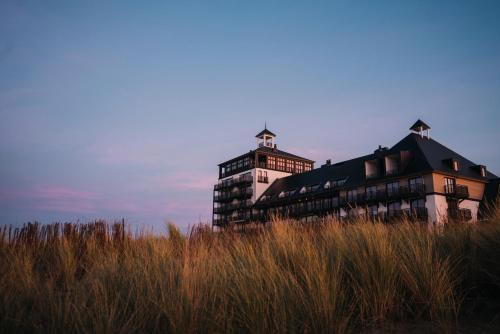
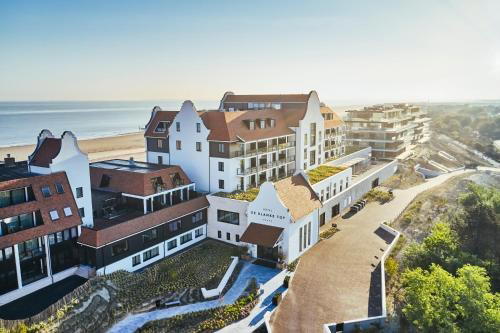
The approach to Demain sets a particular tone. Boulevard de Wielingen runs along the Cadzand seafront, and the restaurant sits on the second floor of Strandhotel Cadzand, with dune grass and the North Sea filling the windows on a clear day. The room itself works in clean lines and layered wood tones, a restrained palette that keeps attention on the view and the table rather than the interior architecture. Service, led by Romée and her team, is described by observers as charming without being formal, which suits the coastal setting better than white-glove distance would.
Cadzand sits at the southwestern tip of Zeeland, closer to the Belgian border than to any major Dutch city, and that geographic specificity matters to the kitchen. The province has a long tradition of sending its shellfish, eel, and saltwater fish to the highest tables in the Netherlands, restaurants like Inter Scaldes in Kruiningen have built their identity around precisely that Zeeland provenance. Demain draws from the same coastal larder but points the cooking south, toward Mediterranean registers, making it a different proposition within the regional tradition.
The Kitchen's Direction Under Dani Hoefnagels
Dutch fine dining at the four-price-point tier has consolidated around two broad tendencies in recent years: rigorous terroir cooking that stays close to northern European produce, and more internationally inflected modern cuisine that treats local ingredients as a starting point rather than a constraint. Demain sits in the second camp. Chef Dani Hoefnagels runs a kitchen where Zeeland's produce, hamachi, langoustine, the region's abundant herbs and bivalves, meets techniques and flavour references that travel further afield.
The cooking that observers have documented gives a clear picture of the approach. Dutch hamachi arrives with smoked eel mayonnaise, an herb coulis, caviar lime, apple gel, and chopped kiwi, a construction that layers acidity and smoke in ways that owe something to Japan and something to northern France, without belonging entirely to either. Pan-seared langoustine, one of the kitchen's signature preparations, is served over paella with a saffron-infused jus built from the langoustine shells themselves: a southern European technique applied to a Zeeland product with the kind of discipline that prevents the dish from reading as confusion. These are not arbitrary combinations. The Mediterranean reference points are structural, not decorative.
Diners are brought into the kitchen before being seated, where the amuse-bouche sequence begins. This format, common across the top tier of Dutch restaurants, including De Librije in Zwolle and Aan de Poel in Amstelveen, serves a practical purpose: it lets the kitchen show its technical register early, before the formal dining rhythm begins. At Demain, it also gives the team a moment to communicate what the evening is about, which matters when the menu spans a geography as broad as Zeeland to the Mediterranean.
Vegetables as a Structural Priority
The more significant development at Demain is the kitchen's stated commitment to giving vegetables a primary identity in the menu, not as garnish or supporting cast, but as the structural focus of a dish or a course. This aligns with a direction that has been gaining ground across European fine dining for several years, though it remains a minority position at the four-price-point tier. Restaurants like De Groene Lantaarn in Staphorst and, further afield, Brut172 in Reijmerstok have demonstrated that vegetable-led cooking can operate without compromise at the top of the Dutch market.
At Demain, the current menu already foregrounds produce in a way that separates it from kitchens where protein drives the plate. The next step, a fully plant-based menu, is in development, and the trajectory is clear. Hoefnagels and his team are building toward a format where the seasonal calendar, rather than the fish catch or the meat supplier, sets the menu's rhythm. For a restaurant on the Zeeland coast, where the instinct would be to lead with langoustine and oyster at every service, this represents a deliberate repositioning that carries some risk and considerable ambition.
The seasonal logic is strict. The menu changes with what the land and sea provide, which means the experience at Demain in April will differ substantially from what arrives in September. For travellers making a specific journey to Cadzand, this is worth factoring into timing. The coastal season also affects the broader village, which is quieter from late autumn through early spring, not a reason to avoid it, but a reason to plan deliberately.
Cadzand in the Dutch Fine Dining Map
Fine dining in the Netherlands has a geography that rewards attention. The major concentrations are in Amsterdam (Ciel Bleu), Rotterdam (Fred, Parkheuvel), and a scatter of destination restaurants in smaller towns and rural settings. The rural category, restaurants that require deliberate travel and often sit within or beside hotels, has particular strength in the Netherlands, partly because the country's compact scale makes a two-hour drive from Amsterdam a viable dinner plan, and partly because chefs have been willing to operate in places like Nuenen (De Lindehof) and Giethoorn (De Lindenhof) where the setting is the draw as much as the table.
Cadzand belongs to this category. The village itself is small, built around beach tourism and the North Sea border with Belgium. Arriving specifically for dinner at Demain is the most logical approach for most visitors, which means the restaurant functions as an anchor for a broader stay. The hotels in Cadzand cluster close to the beach, and Strandhotel Cadzand's position means that guests staying in the hotel have the simplest access. For the room next door to the kitchen, see our Dell'arte (€€€ · Modern French) coverage, which operates in a different register but shares the coastal setting.
Beyond dinner, the bars, wineries, and experiences in Cadzand extend what is available in the area, though the restaurant is the primary reason most visitors make the trip. Our full Cadzand restaurants guide covers the broader dining context for the village.
For comparison at the same price tier in geographically interesting settings, De Bokkedoorns in Overveen and Stand in Budapest offer a sense of how differently kitchens at this level can interpret their regional context.
Planning Your Visit
Demain is located at Boulevard de Wielingen 49, 4506 JK Cadzand, on the second floor of Strandhotel Cadzand. The restaurant's position within a hotel means the most direct approach is to stay on-site, removing any question of travel after the meal. The coastal location and the Zeeland tourist season suggest that bookings in summer months fill considerably earlier than in winter; given the kitchen's seasonal menu changes, the autumn window, when the harvest shifts the vegetable programme and the beach crowds thin, is a period worth targeting for a first visit.
at Demain?
Based on the documented menu, the pan-seared langoustine with paella and saffron-infused langoustine jus is the dish that leading communicates what Demain is doing: a Zeeland product handled with Mediterranean technique, the jus built from the shells to concentrate the crustacean's own flavour. The Dutch hamachi preparation, smoked eel mayonnaise, herb coulis, caviar lime, apple gel, shows the kitchen's range across acidity and smoke and is worth ordering where available. As the plant-based menu develops, the vegetable courses will likely become the most revealing signal of where the kitchen is heading.
Frequently asked questions
What awards or recognition does Demain have?
Demain has received recognition including: Chef Dani Hoefnagels is determined to give vegetables a strong identity at Demain. Here, refined cooking meets deep respect for the seasons, with a philosophy as pure as possible: let the product speak for itself. We knew the restaurant in ….
What's the best thing to order at Demain?
The pan-seared langoustine with paella and a saffron-infused jus made from the langoustine itself is the dish most closely associated with chef Dani Hoefnagels and the kitchen's direction at Demain. It draws directly on Zeeland's coastal produce and reflects the Mediterranean range the kitchen works across. The documented amuse-bouche sequence, which has included Dutch hamachi with smoked eel mayonnaise, caviar lime, and apple gel, also gives a clear signal of how the kitchen opens a meal.
A Pricing-First Comparison
| Venue | Cuisine | Price | Awards | Notes |
|---|---|---|---|---|
| DemainThis venue (the venue you are viewing) | Modern Mediterranean Fine Dining | $150–200 | 1 Michelin Star · We're Smart World 2 Radishes | Not listed |
| De Librije | Modern Dutch Fine Dining | $200–300 | 3 Michelin Stars · World's 50 Best #46 | Modern Cuisine |
| Aan de Poel | Modern French Fine Dining | $150–200 | 2 Michelin Stars · La Liste Top Restaurants | Creative |
| De Lindehof | Contemporary Dutch, Creative | Not listed | Michelin 2 Star | Not listed |
| Fred | Modern French Fine Dining | $200–300 | 2 Michelin Stars · La Liste Top Restaurants | Creative French |
| De Nieuwe Winkel | Botanical Fine Dining | $300–500 | 2 Michelin Stars · La Liste Top Restaurants | Organic |
Recognition history
Dated appearances from independent guides and award organizations, with the underlying list record or original source where available.
Michelin 1 Star
Michelin
We're Smart World 2 Radishes
We're Smart World
Continue exploring
More in Cadzand
Restaurants in Cadzand
All restaurants in Cadzand →
Details
- Elegant
- Modern
- Scenic
- Sophisticated
- Intimate
- Date Night
- Special Occasion
- Waterfront
- Open Kitchen
- Hotel Restaurant
- Extensive Wine List
- Local Sourcing
- Waterfront
- Tasting Menu
- Vegetarian Friendly
Current opening hours
- Monday
- Closed
- Tuesday
- 6:30–11:30 PM
- Wednesday
- 6:30–11:30 PM
- Thursday
- 6:30–11:30 PM
- Friday
- 12–4:30 PM, 6:30–11:30 PM
- Saturday
- 12–4:30 PM, 6:30–11:30 PM
- Sunday
- Closed
Hours can change for holidays and private events. Hours as of .
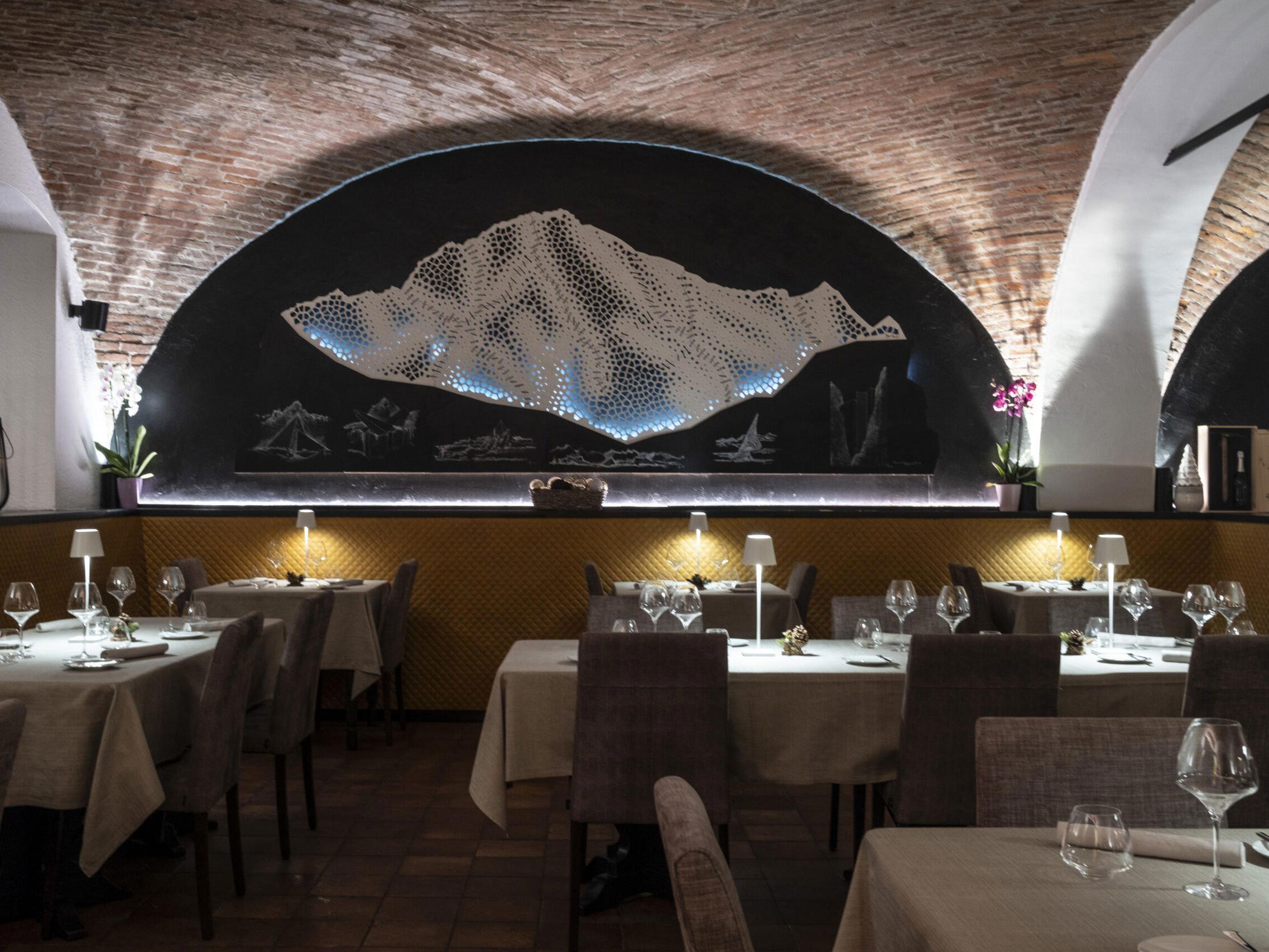
Warm and inviting modern interior with clean lines, harmonious wood tones, nice music, and dramatic coastal views.