De Campveerse Toren
De Campveerse Toren occupies a medieval tower on the waterfront of Veere, a walled harbour town in Zeeland where the North Sea estuary shapes both the scenery and the kitchen. The restaurant draws on the region's shellfish beds, tidal flats, and agricultural hinterland in a setting that frames the Veerse Meer through stone-framed windows. For anyone tracing the serious dining circuit in the southwestern Netherlands, it belongs on the route alongside Zeeland's broader table of waterfront producers and coastal kitchens.
Pearl is the En Primeur Club membership app — saves, bookings, and concierge access live there. Same editors, same standards.
- Address
- Kaai 2, 4351 AA Veere, Netherlands
- Phone
- +31118501291
- Website
- campveersetoren.nl
- Directions
- Get directions
 Saves & bookings on Pearl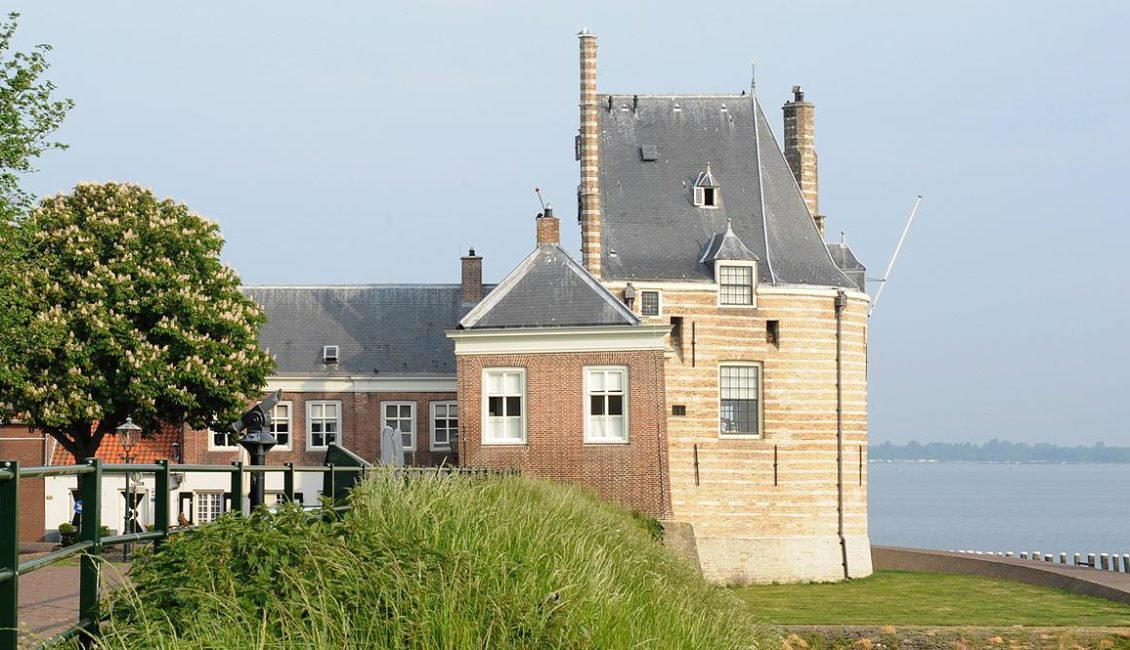
Stone Walls, Tidal Water, and a Kitchen Built on What Zeeland Produces
Approach Veere along the dyke road from Middelburg and the town announces itself as a place where time slowed deliberately: a Gothic town hall, a harbourfront of moored sailboats, and at the water's edge, the rounded bulk of a medieval tower that has been watching vessels cross the Veerse Meer for centuries. De Campveerse Toren sits inside that tower at Kaai 2, its dining room built into walls that predate any conversation about terroir or seasonal sourcing by several hundred years. The physical environment does something useful here: it reminds you that this part of Zeeland was trading salt cod and oysters long before the vocabulary of modern gastronomy caught up.
Zeeland's position at the confluence of the Rhine, Maas, and Scheldt river systems produces a network of tidal estuaries, salt marshes, and shallow sea inlets that have no direct equivalent elsewhere in the Netherlands. That geography is also a larder. The province is responsible for particularly prized shellfish in Europe, particularly its flat Zeeuwse oysters and the mussels grown in the Eastern Scheldt. Any kitchen operating seriously in this corner of the country and choosing not to anchor its menu to that supply chain is making a deliberate decision to look elsewhere. De Campveerse Toren, by contrast, sits at the edge of that supply directly.
Where the Ingredients Come From, and Why That Geography Matters
The southwestern Netherlands has become one of the more interesting regions to follow for ingredient-led cooking, precisely because the raw material is so distinctive. The Oosterschelde (Eastern Scheldt) estuary, protected as a national park since the Delta Works closed its tidal mouth in stages, produces shellfish with a mineral salinity that reflects the slow tidal exchange of the closed estuary. Chefs across the country source from here, from De Librije in Zwolle to Ciel Bleu in Amsterdam, but the closer a kitchen sits to the source, the shorter the chain between harvest and plate.
Zeeland also produces lamb grazed on the salt marshes along its coastline, a product that carries the same kind of geographic imprint as its shellfish. The animals graze on vegetation salted by sea air and tidal flooding, and the flavour difference compared with inland-reared lamb is measurable rather than mythological. This kind of provenance storytelling is well-worn in contemporary fine dining, but in Zeeland it has a factual rather than aspirational basis. The Inter Scaldes in Kruiningen built its reputation partly on this same regional specificity, operating from a Zeeland country house setting and consistently placing Zeeland produce at the centre of its menus. De Campveerse Toren operates from a different format and setting, but draws from the same regional supply logic.
For context on what serious commitment to sourcing looks like at the summit of the Dutch spectrum, De Nieuwe Winkel in Nijmegen has built an entire critical reputation around its vegetable-forward, organically sourced approach, demonstrating that ingredient origin is now a credible central argument in Dutch fine dining rather than a supporting note. Veere's waterfront setting puts De Campveerse Toren in a position where the provenance argument is geographic rather than philosophical.
The Setting: A Medieval Tower as Dining Room
The tower itself is the architectural fact that shapes the experience before the food arrives. Medieval harbour towers of this scale were built to control access and to store goods, not to provide sightlines or atmosphere, but the Veerse Meer views from within the stone walls work as an accidental design outcome. The Veerse Meer is a freshwater lake now, closed from the North Sea by the Veerse Gatdam since 1961, and its surface is used primarily by recreational sailors. What that means from a window seat is still water, mast silhouettes, and the kind of horizontal Dutch light that painters catalogued three centuries ago.
Veere itself is a small town, with a permanent population measured in hundreds rather than thousands, and the seasonal rhythm of tourism shapes when the town is at its most active. Summer brings the sailing crowd and day visitors from Middelburg and further afield; the shoulder seasons return the town to something closer to its off-season character. Visiting in late spring or early autumn puts you in the restaurant without the peak-season pressure on tables. Veere is accessible from Middelburg by a short drive or by cycle along the dyke paths that connect the Walcheren peninsula towns.
How De Campveerse Toren Sits in the Dutch Fine Dining Circuit
The serious end of Dutch restaurant dining is not concentrated in Amsterdam. A consistent finding across the Michelin Netherlands selections is how many starred addresses operate from smaller cities and rural settings: De Lindenhof in Giethoorn, Tribeca in Heeze, De Groene Lantaarn in Staphorst, Brut172 in Reijmerstok, and De Bokkedoorns in Overveen all operate outside the major cities and define the argument that the country's most compelling tables require travel. The restaurant fits that pattern: the journey to Veere is part of the format, not a drawback.
For those building a Zeeland-specific itinerary, the region warrants more than a single meal. The combination of coastal landscape, the Delta Works engineering infrastructure, and a dining circuit anchored to the Eastern Scheldt's produce makes for a two-to-three-day argument in its own right. Internationally, the comparison point for waterfront medieval-setting dining with serious sourcing credentials would be something like a Nordic coastal institution, though Dutch kitchens have historically operated with less evangelical noise about their regional specificity than their Scandinavian counterparts. Venues like Le Bernardin in New York City and Lazy Bear in San Francisco demonstrate how setting and sourcing can together constitute a proposition; in Veere, the setting does considerable work before the kitchen adds its own argument.
For a broader survey of where serious eating in the Netherlands happens outside the major cities, see our full Veere restaurants guide, which maps the town's dining options against the wider Zeeland context. Those building extended itineraries can also draw on De Treeswijkhoeve in Waalre, 't Nonnetje in Harderwijk, Aan de Poel in Amstelveen, Central Park in Voorburg, De Lindehof in Nuenen, and FG - François Geurds in Rotterdam to complete a picture of Dutch fine dining's geographic spread.
Planning a Visit
Veere sits on the Walcheren peninsula in the province of Zeeland, roughly 90 kilometres southwest of Rotterdam via the A29 and the Zeelandbrug, or accessible by train to Middelburg followed by a short onward journey. The town has limited hotel capacity, so visitors combining dinner at the restaurant with an overnight stay should plan accommodation well ahead, particularly from May through September when the sailing season fills the harbour and the town. The tower's address at Kaai 2 places it at the northern tip of the harbour quay, directly on the waterfront.
How De Campveerse Toren Veere compares with similar nearby venues.
| Venue | Cuisine | Price |
|---|---|---|
| Scherp | World Cuisine | €€€ |
At a Glance
- Romantic
- Classic
- Elegant
- Scenic
- Historic
- Intimate
- Date Night
- Special Occasion
- Historic Building
- Waterfront
- Panoramic View
- Extensive Wine List
- Local Sourcing
- Waterfront
Current opening hours
- Monday
- 7 AM–4 PM
- Tuesday
- 7 AM–4 PM
- Wednesday
- 7 AM–4 PM
- Thursday
- 7 AM–7 PM
- Friday
- 7 AM–7 PM
- Saturday
- 7 AM–9 PM
- Sunday
- 7 AM–9 PM
Hours can change for holidays and private events. Last verified .
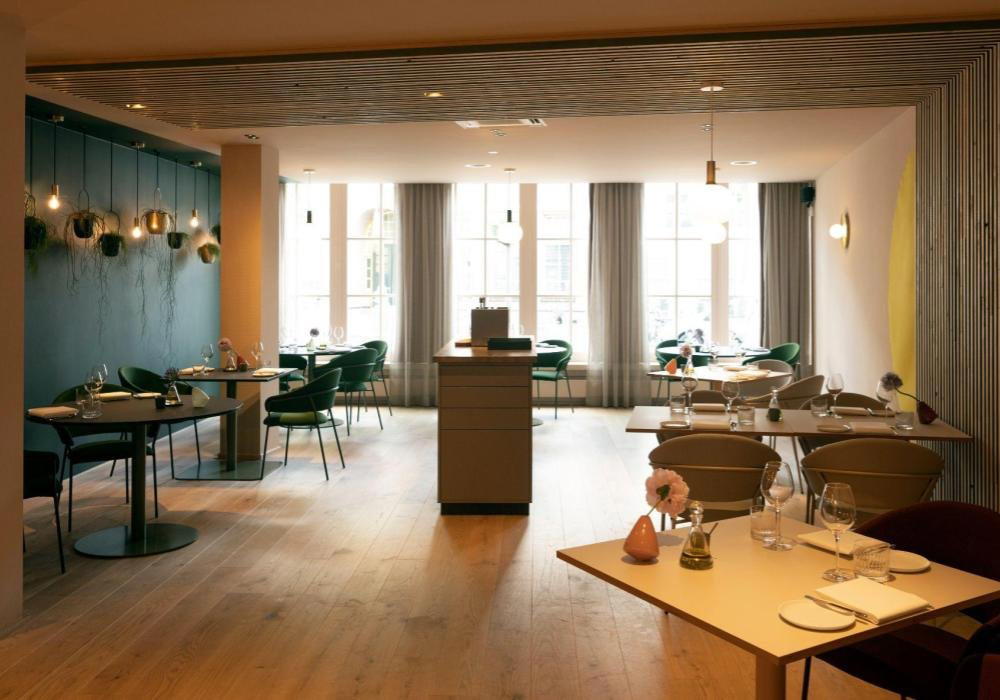
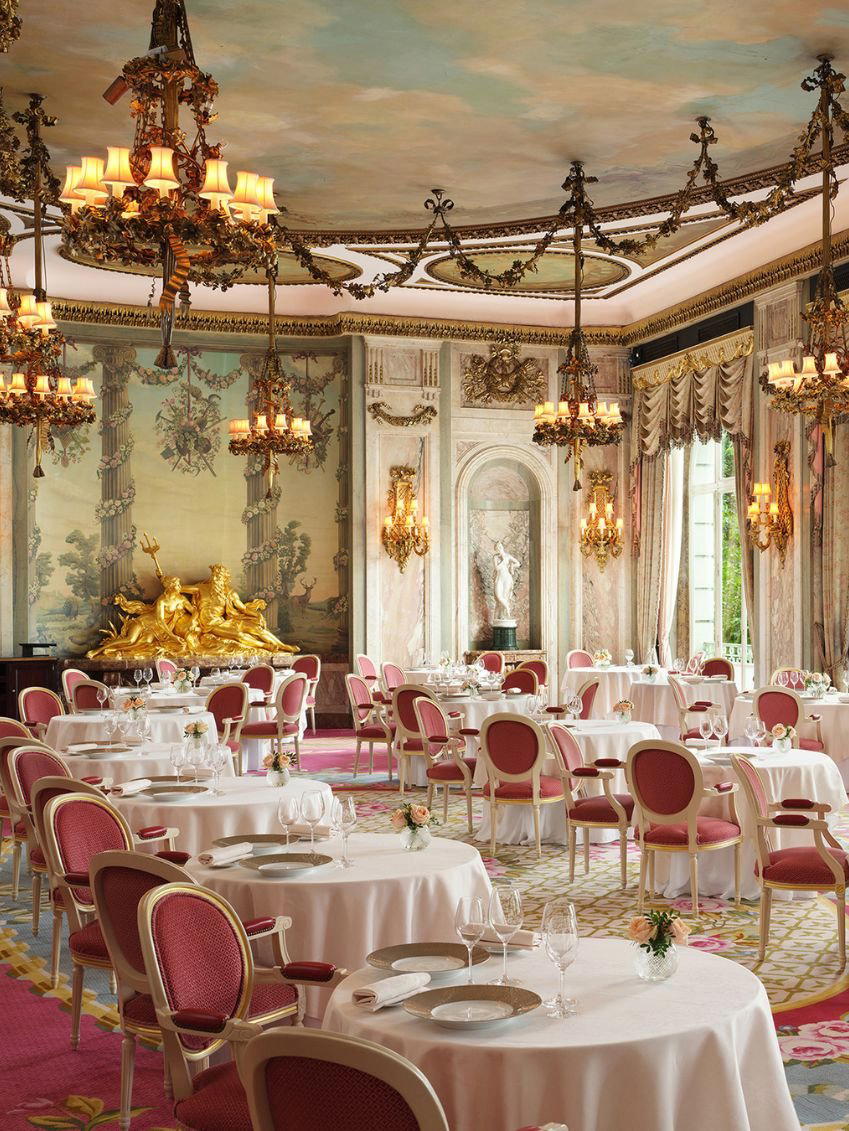
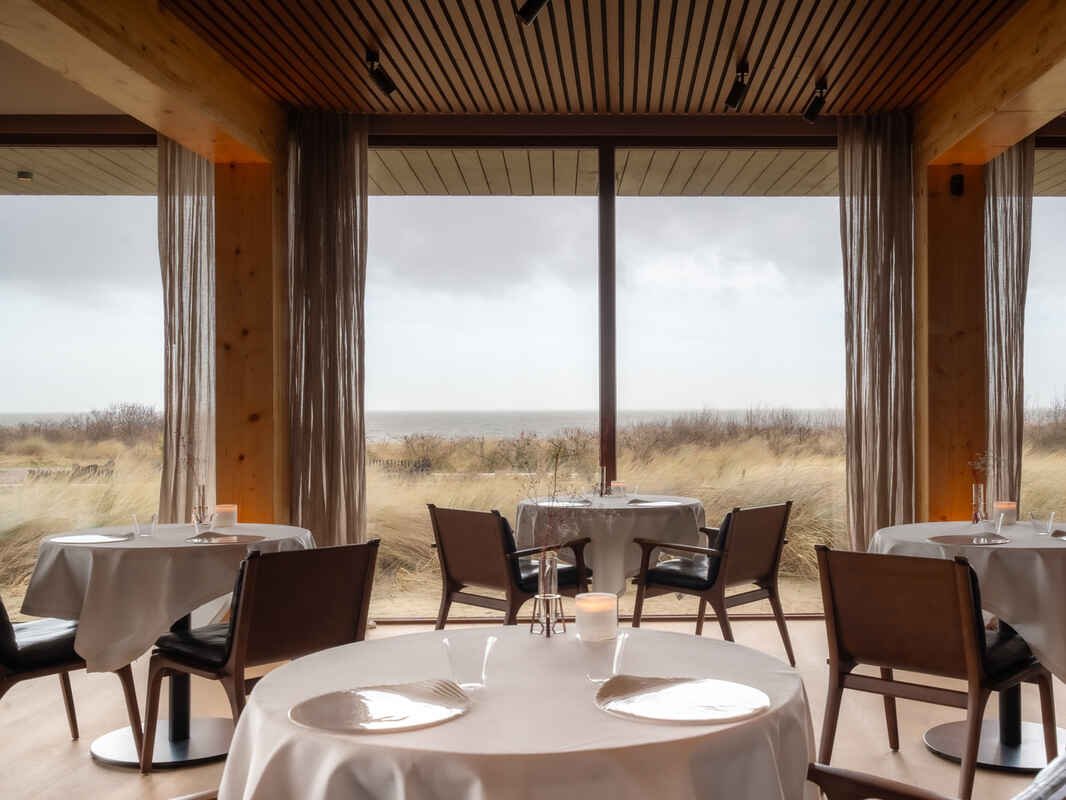
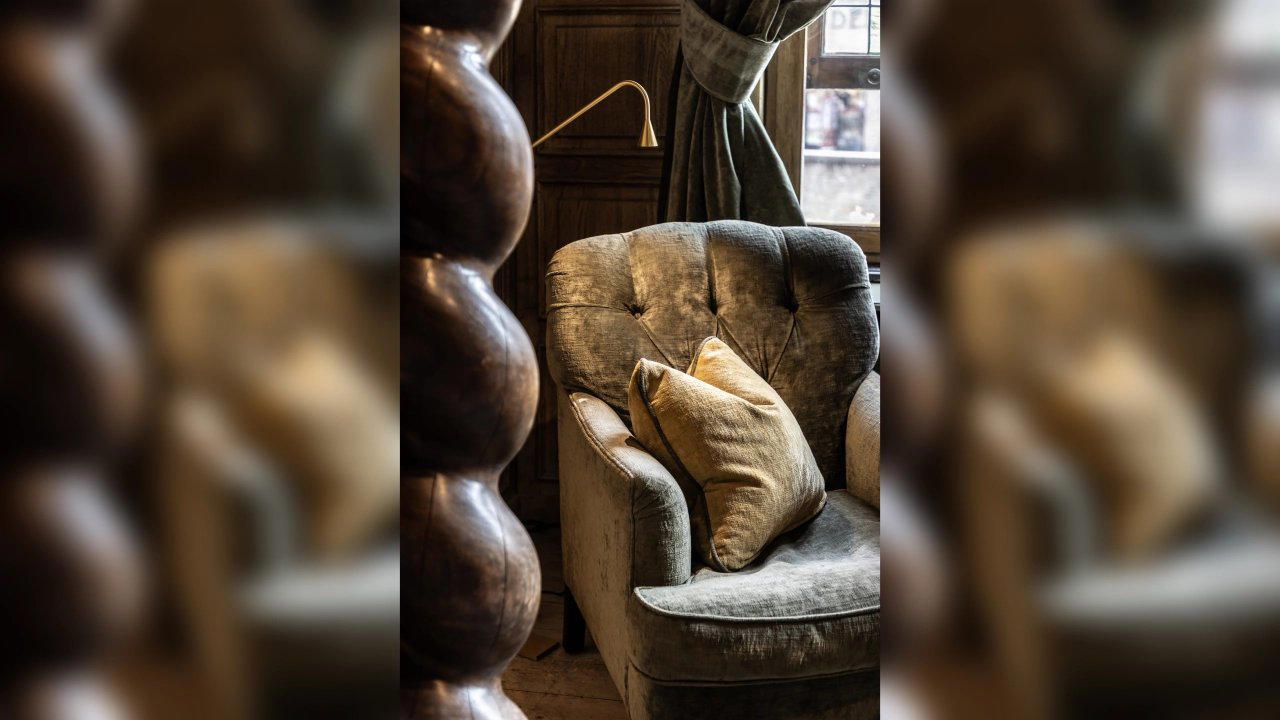
Classical antique interior in a monumental historic building with idyllic water views and ornate atmosphere.