Se7enbuds
Se7enbuds occupies a Polk Street address in San Francisco's Russian Hill corridor, positioning it within a neighbourhood that has quietly developed a serious dining identity over the past decade. With limited publicly available details, it operates in the same city as Michelin-recognised counters and farm-driven tasting menus, drawing visitors who explore beyond the established reservation circuit.
Pearl is the En Primeur Club membership app — saves, bookings, and concierge access live there. Same editors, same standards.
- Address
- 1426 Polk St, San Francisco, CA 94109
- Phone
- +16282211295
- Website
- se7enbuds.com
- Directions
- Get directions
 Saves & bookings on Pearl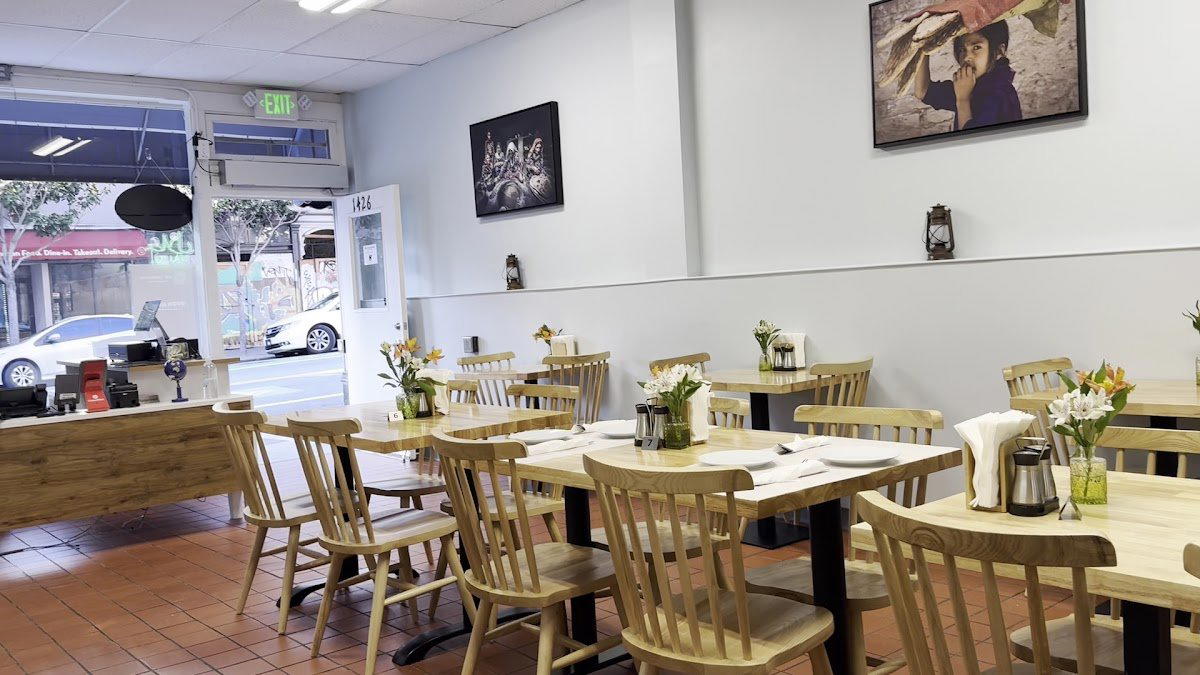
Polk Street and the Quieter Side of San Francisco Dining
San Francisco's most-discussed restaurant addresses tend to cluster in SoMa, the Mission, and Hayes Valley, where press coverage and awards attention has historically concentrated. Polk Street, running through Russian Hill and the Tenderloin's northern fringe, sits at a different register. The corridor has developed a dining character that rewards walking rather than reservation-chasing, with independent operators occupying storefronts that lack the design budgets of the city's headline rooms but compensate with neighbourhood permanence and focused menus. Se7enbuds, an Afghan & Persian restaurant at 1426 Polk St in San Francisco, sits within that ecosystem, on a block that mixes longstanding local institutions with newer arrivals testing ideas on a smaller commercial footprint than SoMa or the Ferry Building adjacency would allow.
That geographic context matters in a city where ingredient sourcing has become the defining editorial lens for serious dining. The Bay Area's proximity to some of California's most productive agricultural zones, from Sonoma and Marin to the Santa Cruz Mountains and the Central Valley, means that any kitchen on Polk Street can, in principle, draw from the same supplier network that feeds the tasting-menu rooms reviewed in national publications. The question that separates neighbourhood operators from destination dining is whether they build consistent procurement relationships with those producers, or rely on the broader distribution system that supplies most urban restaurants.
Sourcing as a Framework for Understanding the Bay Area Table
Northern California's farm-to-table argument is now several decades old, and it has produced both a genuine culinary infrastructure and a considerable amount of marketing noise. The infrastructure is real: Marin Sun Farms, Full Belly Farm, Dirty Girl Produce, Hog Island Oyster Company, and dozens of smaller operations supply Bay Area kitchens at a density that cities outside California rarely match. When a restaurant in this city commits to seasonal procurement, the supply chain exists to support it in a way that it simply does not in most American markets.
That infrastructure supports a range of formats. At the upper tier, restaurants like Saison and Lazy Bear have built tasting-menu programs around hyper-seasonal sourcing with ingredient provenance built into the service narrative. Atelier Crenn frames sourcing through a biodynamic lens, while Benu approaches ingredient selection through the specific requirements of Korean-inflected technique. Quince anchors its Italian framework in northern California produce with enough consistency to hold sustained Michelin recognition. Each of those operations demonstrates that sourcing specificity and format sophistication can coexist at the highest price tiers in this city.
Neighbourhood restaurants on Polk Street operate at a different scale but within the same regional supply network. The sourcing argument that distinguishes California dining from its counterparts in other American cities, whether Le Bernardin in New York, Alinea in Chicago, or Emeril's in New Orleans, is that proximity to producers here compresses the supply chain in ways that affect what arrives on the plate. Fish landed at Bodega Bay, vegetables harvested in Watsonville, or lamb raised in Point Reyes can reach a Polk Street kitchen within hours of production in a way that has no equivalent east of the Rockies.
What the Neighbourhood Signals
Russian Hill dining has shifted over the past decade toward a more deliberate independent operator model. The neighbourhood's residential density and relatively stable foot traffic allow smaller formats to sustain themselves without the tourism-driven volume that defines restaurant economics in Fisherman's Wharf or Union Square. That commercial context tends to attract operators who are building something for a regular clientele rather than optimising for one-time visitors, which historically correlates with more consistent ingredient quality and less menu volatility driven by tourist preferences.
Polk Street specifically runs between two distinct income demographics, with Russian Hill to the east and the Tenderloin to the west, which creates an unusual commercial environment where modest pricing coexists with sophisticated sourcing. Some of the city's better-value serious cooking has historically emerged from exactly this kind of transitional corridor, where rent economics allow quality procurement without the price floor that SoMa or the Financial District would impose.
Comparable dynamics have produced notable results in other American cities. Bacchanalia in Atlanta built a regional sourcing reputation from a neighbourhood foothold rather than a marquee address. Providence in Los Angeles established its seafood sourcing credentials independently of the city's more conspicuous dining districts. Addison in San Diego demonstrated that California's agricultural advantage extends well beyond the Bay Area. The pattern across all of these is that ingredient-led cooking rarely requires a premium address to produce serious results.
Placing Se7enbuds in the San Francisco Context
What the address confirms is a Polk Street location that puts it within walking distance of a neighbourhood with genuine dining depth, in a city whose agricultural context provides any committed operator access to ingredient quality that would be difficult to replicate in most other American markets.
For context on how farm-driven procurement operates at its most developed form in the region, Single Thread Farm in Healdsburg represents the northern edge of that conversation, while The French Laundry in Napa continues to define how garden-to-table sourcing can anchor a destination-level tasting menu. Internationally, Blue Hill at Stone Barns in Tarrytown, The Inn at Little Washington, and Atomix in New York demonstrate how sourcing philosophy operates as a genuine framework across different culinary traditions, while 8½ Otto e Mezzo Bombana in Hong Kong illustrates the challenge of replicating California's supply-chain proximity in a city without equivalent agricultural adjacency.
Se7enbuds sits at 1426 Polk St in a city with among the more developed farm-to-kitchen supply chains in the United States.
Planning Your Visit
Se7enbuds is located at 1426 Polk St, San Francisco, CA 94109. The restaurant is priced at about $25 per person, and reservations are recommended.
Address: 1426 Polk St, San Francisco, CA 94109.
Same-City Peers
Comparable venues nearby, for context on price, style, and recognition.
| Venue | Cuisine | Price | Notes |
|---|---|---|---|
| Se7enbudsThis venue — the venue you are viewing | Afghan & Persian | $$ | Not listed |
| Arabian Nights | Authentic Lebanese | $$ | Mission |
| Reem’s | Arab Street Food Bakery | $$ | Mission |
| Shawarmaji | Jordanian Shawarma | $$ | Uptown |
| Marrakech Moroccan Restaurant | Traditional Moroccan | $$ | Tenderloin |
| Green Apple Books (location hidden) | Dining | Not listed | San Francisco |
Continue exploring
More in San Francisco
Restaurants in San Francisco
Browse all →
Bars in San Francisco
Browse all →
Hotels in San Francisco
Browse all →
At a Glance
- Cozy
- Casual Hangout
- Group Dining
Casual and welcoming with a focus on traditional flavors.