Arabian Nights
Arabian Nights on Mission Street occupies one of San Francisco's most food-dense corridors, where Middle Eastern culinary traditions meet the Bay Area's commitment to ingredient traceability. The restaurant sits in the Mission District, a neighbourhood that has long absorbed waves of immigrant cooking and translated them into something distinctly Californian. For diners tracing where the city's more ingredient-driven dining sits outside the fine-dining tier, it belongs on the itinerary.
Pearl is the En Primeur Club membership app — saves, bookings, and concierge access live there. Same editors, same standards.
- Address
- 2345 Mission St, San Francisco, CA 94110
- Phone
- +14156481444
- Website
- arabiannightssf.com
- Directions
- Get directions
 Saves & bookings on Pearl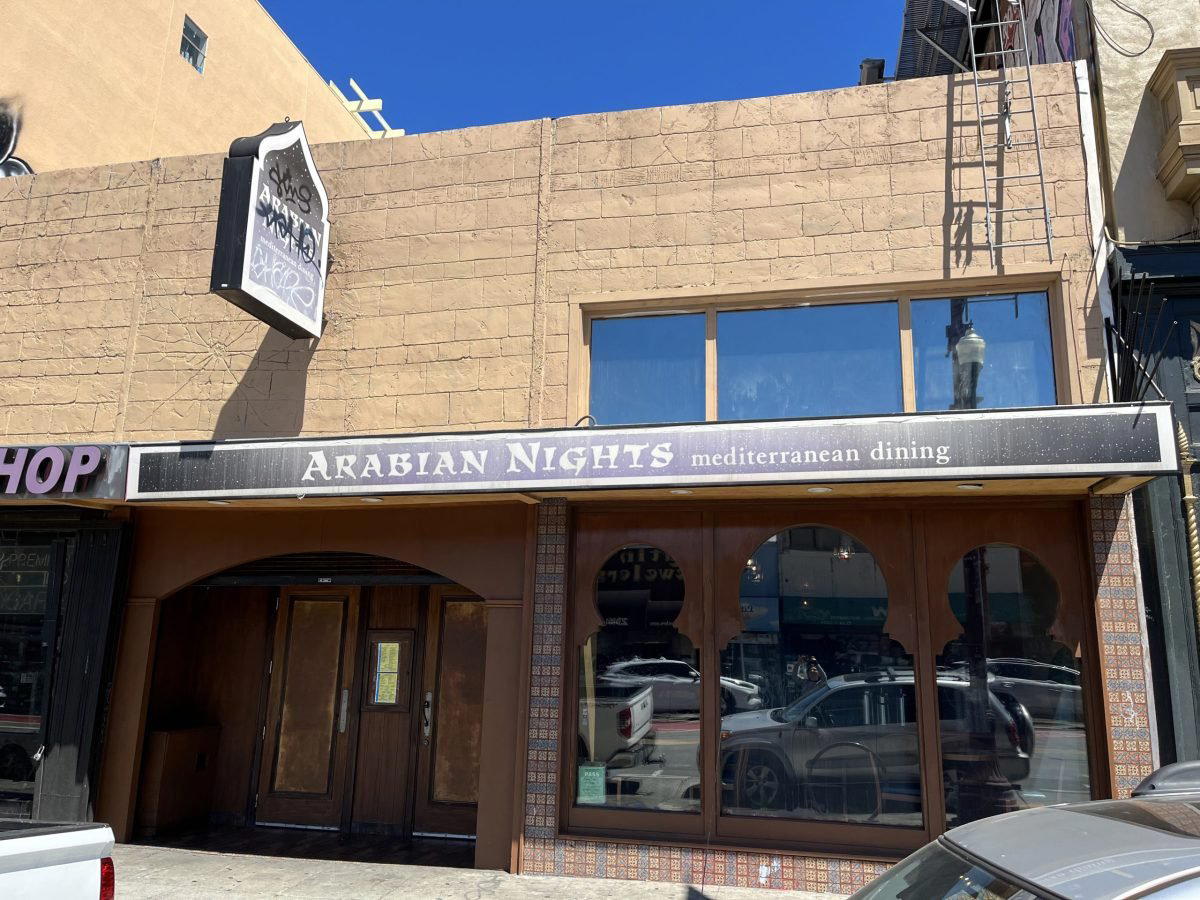
Mission Street and the Ingredients Behind the Menu
The Mission District has never been a neighbourhood that waited for critical validation. Long before San Francisco's fine-dining corridor consolidated around SoMa and the Financial District, Mission Street was doing the harder work: absorbing cooking traditions from Central America, Mexico, and the broader Middle East, and producing food that answered to community rather than critics. Arabian Nights at 2345 Mission St sits inside that tradition, in a stretch of the neighbourhood where the question of where ingredients come from is not a marketing point but a practical reality shaped by proximity to some of the Bay Area's most productive agricultural land.
The broader context matters here. Northern California's ingredient sourcing infrastructure is, by any measurable standard, among the more developed in the United States. The Ferry Building farmers market, which draws producers from Sonoma, Marin, the Central Valley, and the Santa Cruz Mountains, has for decades served as both a supply chain and a signal of what the city's restaurants are expected to care about. Restaurants at the summit of the price tier, Saison, Lazy Bear, and Atelier Crenn, have built sourcing into their identity at the level of brand architecture. For a Middle Eastern kitchen operating in this environment, the same sourcing logic applies differently: spices that would typically arrive pre-processed through wholesale channels can instead be sourced whole and ground in-house; lamb and chicken from Northern California ranches replace commodity proteins; and produce that would be routine in a Middle Eastern context, eggplant, chickpeas, flatbread grains, can be traced to specific farms within a two-hour drive.
What Ingredient Sourcing Means in a Middle Eastern Kitchen
Middle Eastern cooking is not, by tradition, a cuisine that obscures its ingredients. Meze culture is explicitly about transparency: you see the olive oil pooling in the hummus, the char on the flatbread, the seeds on the za'atar. What changes when a kitchen like Arabian Nights operates inside California's agricultural network is not the visibility of ingredients but their provenance. A chickpea sourced from a Central Valley grower who can specify harvest date and variety is a different raw material than an imported dried chickpea of unspecified origin. The tahini question, whether it arrives as a finished product or is made from sesame ground on-site, is one that separates kitchens serious about this question from those that treat it as a back-of-house detail.
This kind of sourcing specificity has become a differentiator across the American fine-dining tier. Blue Hill at Stone Barns in Tarrytown built an entire institutional model around farm-to-table traceability. Single Thread Farm in Healdsburg operates its own farm as a direct extension of its kitchen. Smyth in Chicago sources from a dedicated farm in Virginia. The question for a neighbourhood-priced Middle Eastern kitchen is whether that ethos translates down the price curve, and Mission Street's proximity to Northern California's supply infrastructure makes the argument that it can.
The Mission's Role in San Francisco's Broader Food Geography
San Francisco's dining is often discussed as though it exists in a single tier, but the city's food geography is more stratified. The three-Michelin-star tier, Benu, Atelier Crenn, Quince, operates at a different price point and reservation cadence than Mission Street's daily-use restaurants. The Mission sits in the middle register: serious about food, accountable to a neighbourhood that knows what it wants, and increasingly connected to the same sourcing networks that feed the city's most discussed kitchens. Arabian Nights occupies that register at the Middle Eastern end of the spectrum, in a corridor that also contains some of the city's most respected taquerias and Latin American kitchens.
Nationally, Middle Eastern cooking has gained traction in cities where ingredient-forward dining has the deepest roots. Le Bernardin in New York and Atomix represent the fine-dining end of that city's sourcing conversation; San Francisco's version runs through neighbourhood restaurants that treat provenance as a baseline expectation rather than a selling point. Providence in Los Angeles and Addison in San Diego show how California's ingredient access scales across the state's restaurant tiers.
For readers building a fuller picture of American ingredient-driven dining, The French Laundry in Napa, Frasca Food and Wine in Boulder, Emeril's in New Orleans, The Inn at Little Washington, and Atelier Moessmer Norbert Niederkofler in Brunico each represent a distinct national or regional model for how sourcing commitments shape a kitchen's identity.
Planning Your Visit
Arabian Nights is located at 2345 Mission St, San Francisco, CA 94110, in the Mission District. BART's 24th Street Mission station is one direct transit option, placing the restaurant within a short walk. Street parking on Mission Street is available but competitive during evening hours; side streets off 22nd and 24th tend to offer more options.
How Arabian Nights Compares to Its comparable set
| Venue | Cuisine | Price Tier | Booking Lead Time |
|---|---|---|---|
| The restaurant | Middle Eastern | Not confirmed | Not confirmed |
| Lazy Bear | Progressive American | $$$$ | Weeks in advance |
| Atelier Crenn | Modern French | $$$$ | Months in advance |
| Benu | French-Chinese | $$$$ | Months in advance |
| Quince | Italian Contemporary | $$$$ | Weeks in advance |
| Saison | Progressive American | $$$$ | Weeks in advance |
A Quick Peer Check
Comparable venues nearby, for context on price, style, and recognition.
| Venue | Cuisine | Price | Notes |
|---|---|---|---|
| Arabian NightsThis venue — the venue you are viewing | Authentic Lebanese | $$ | Not listed |
| Se7enbuds | Afghan & Persian | $$ | Nob Hill |
| Marrakech Moroccan Restaurant | Traditional Moroccan | $$ | Tenderloin |
| Shawarmaji | Jordanian Shawarma | $$ | Uptown |
| Mel's Drive-In | Classic American Diner | $$ | Van Ness |
| Saint Josephs Arts Society | Dining | Not listed | San Francisco |
Continue exploring
More in San Francisco
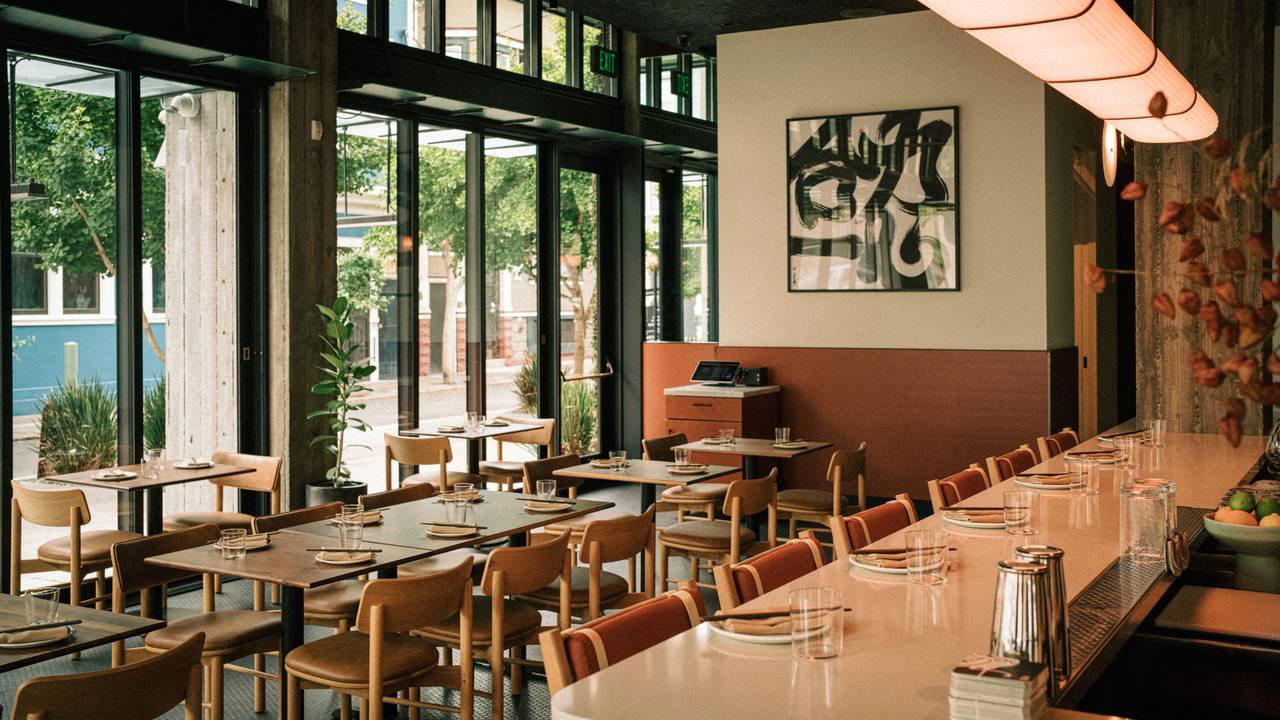
Restaurants in San Francisco
Browse all →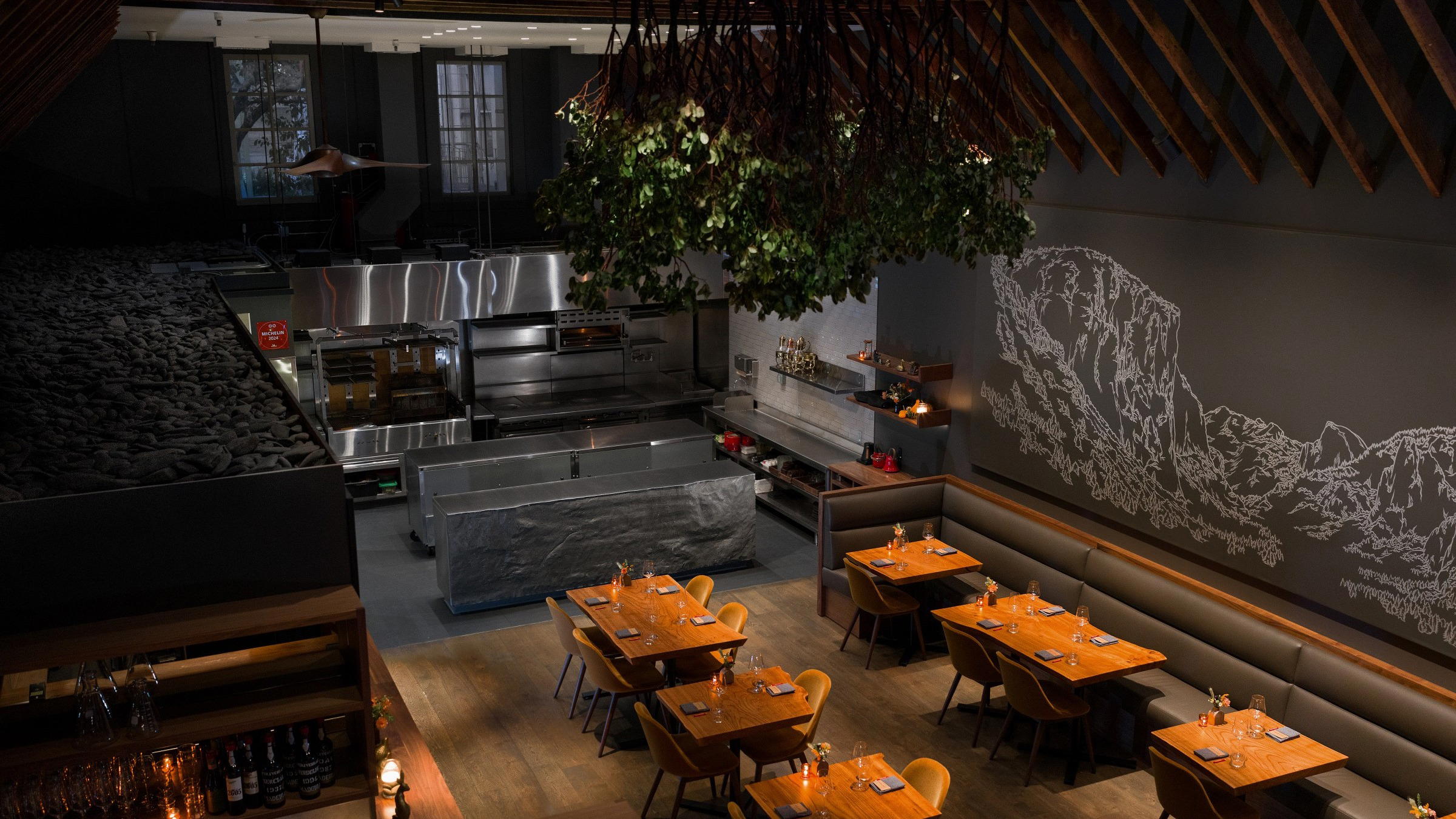
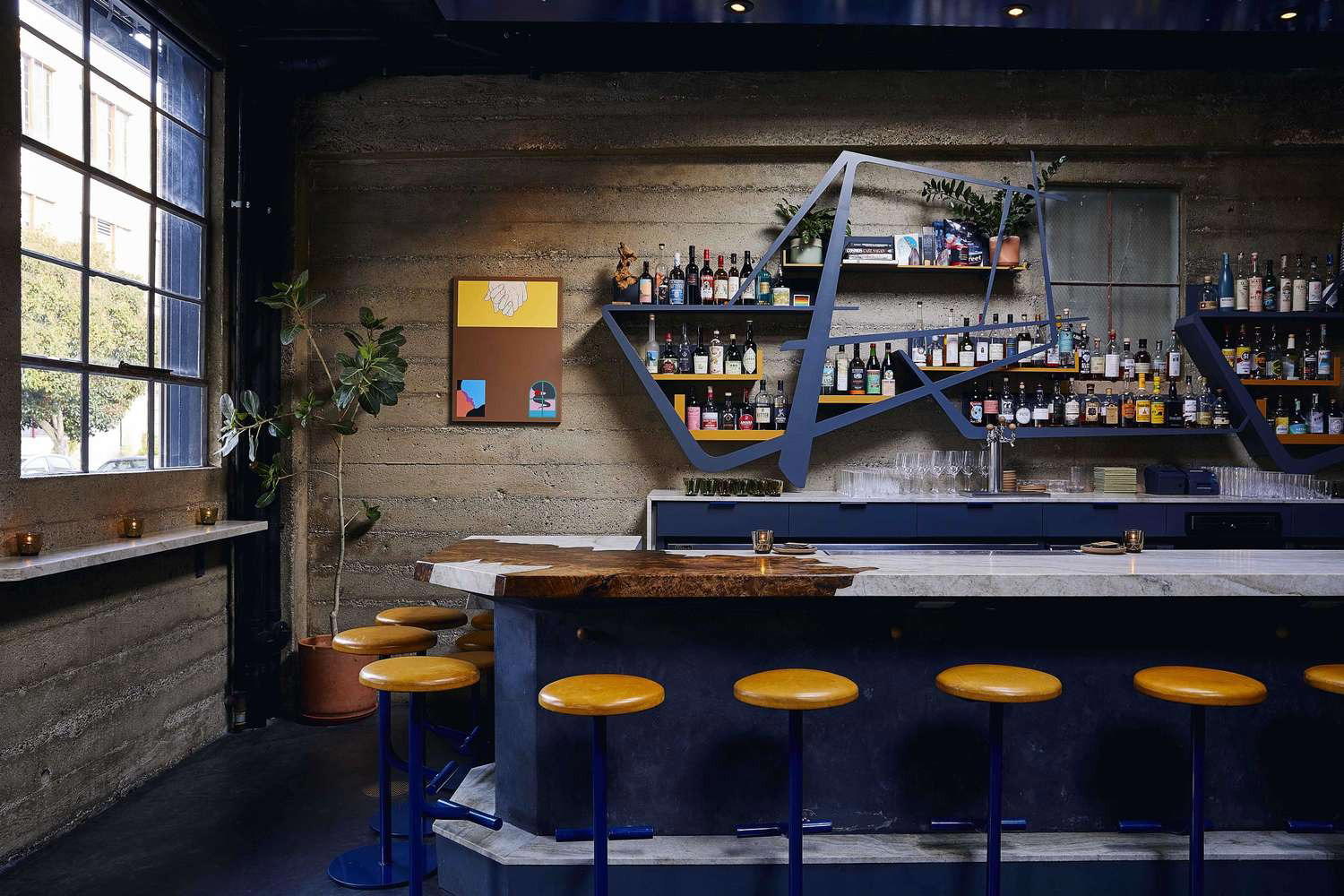
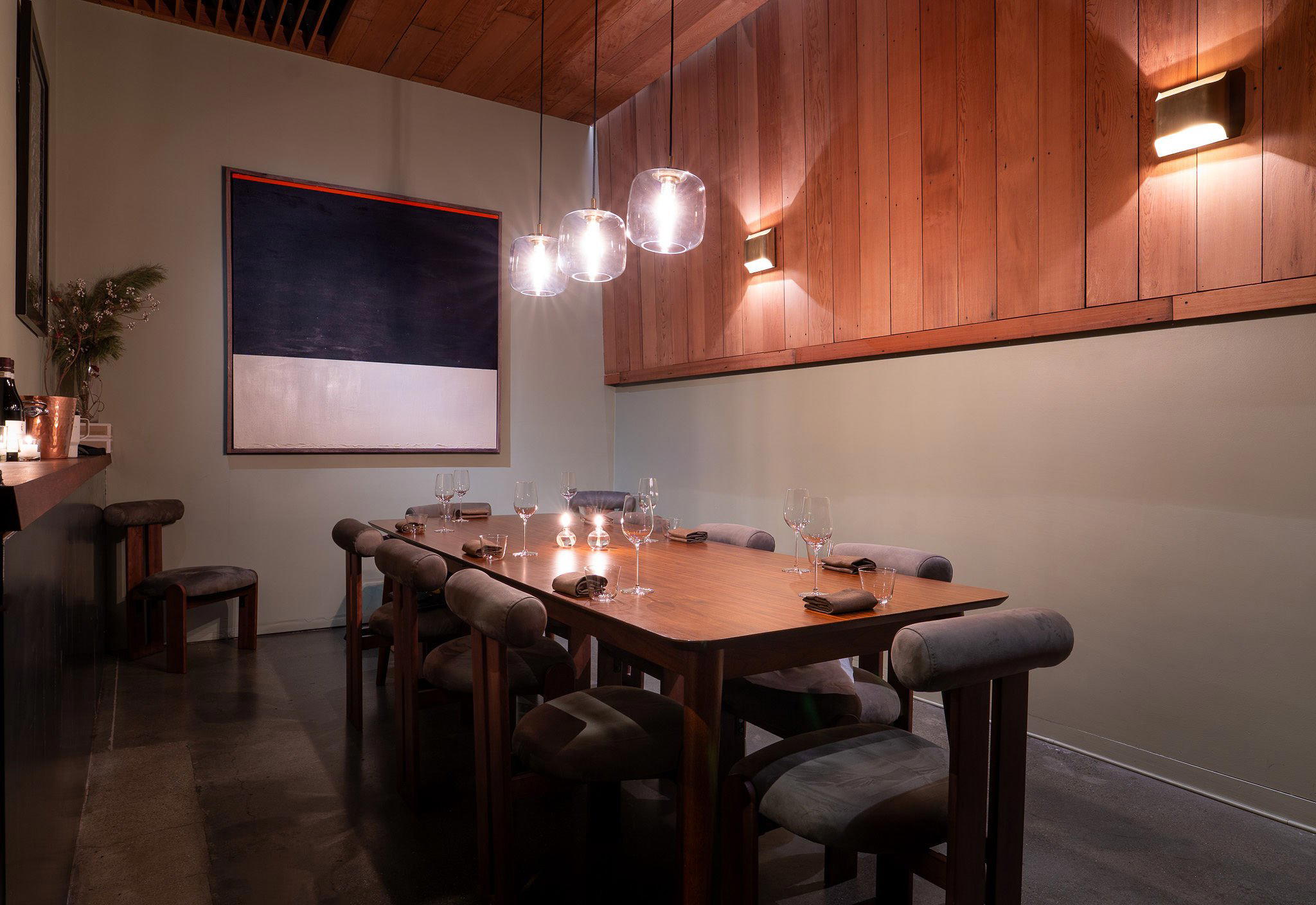
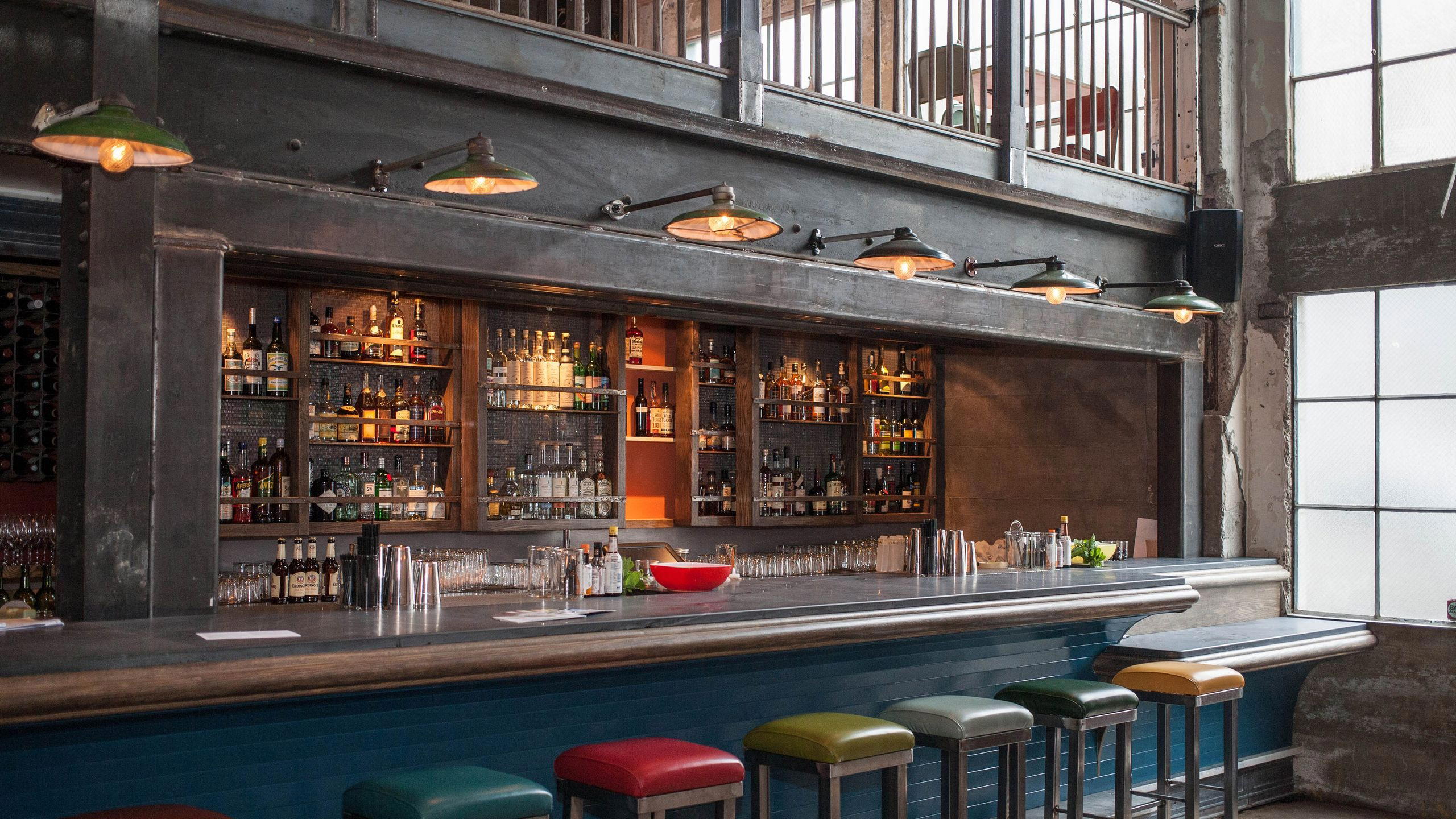
Bars in San Francisco
Browse all →
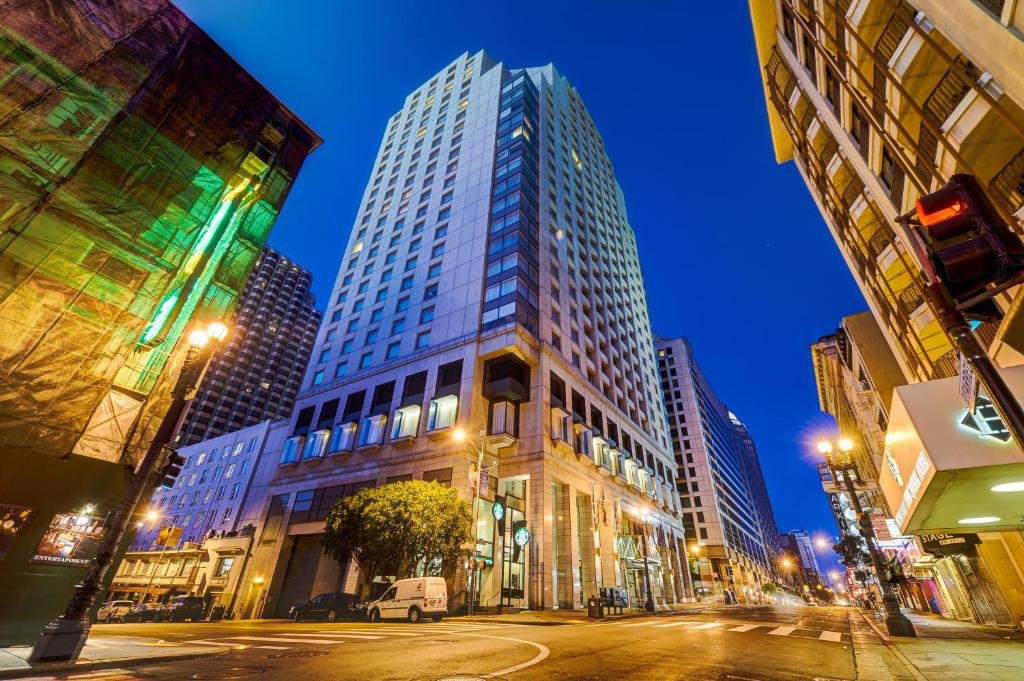
Hotels in San Francisco
Browse all →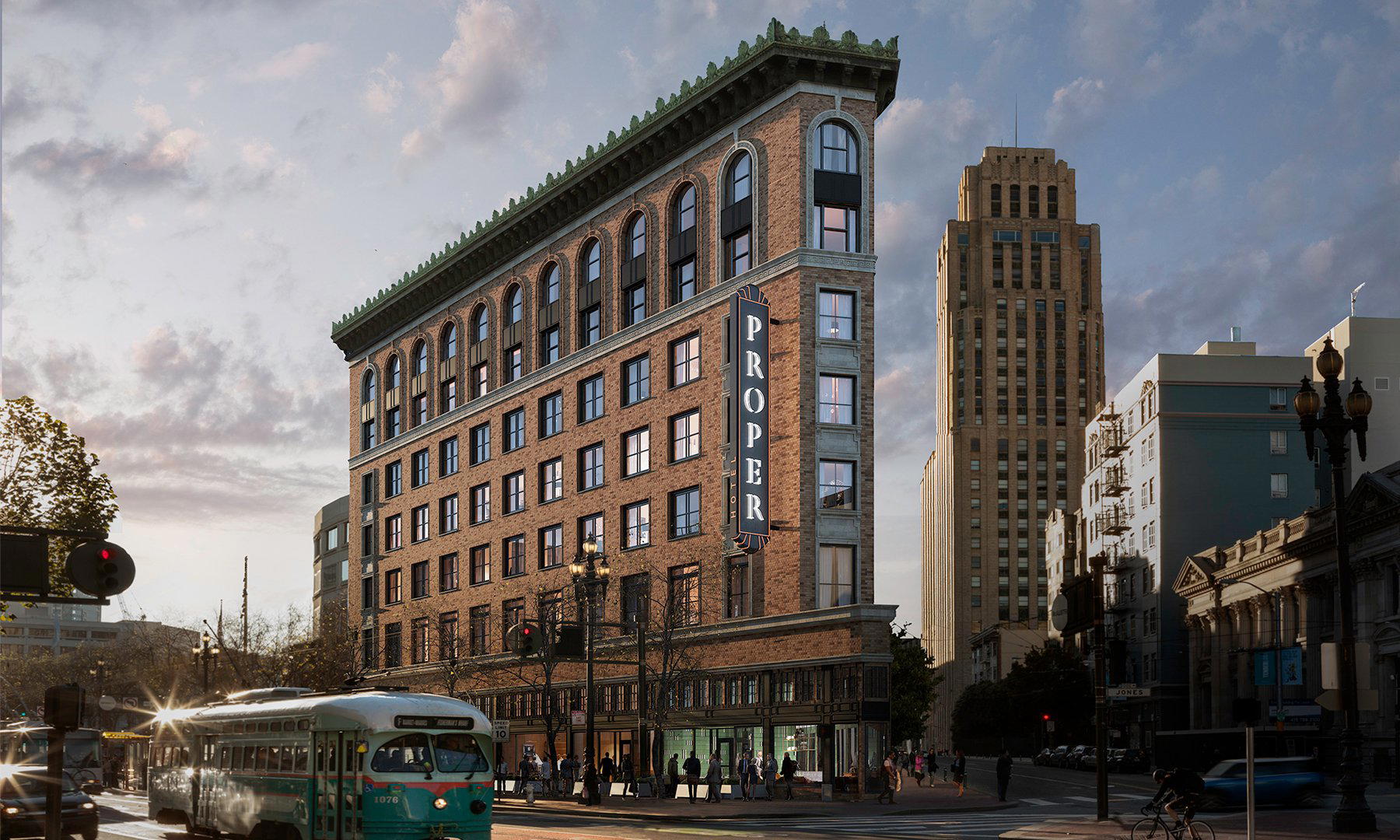
At a Glance
- Classic
- Cozy
- Intimate
- Date Night
- Group Dining
- Casual Hangout
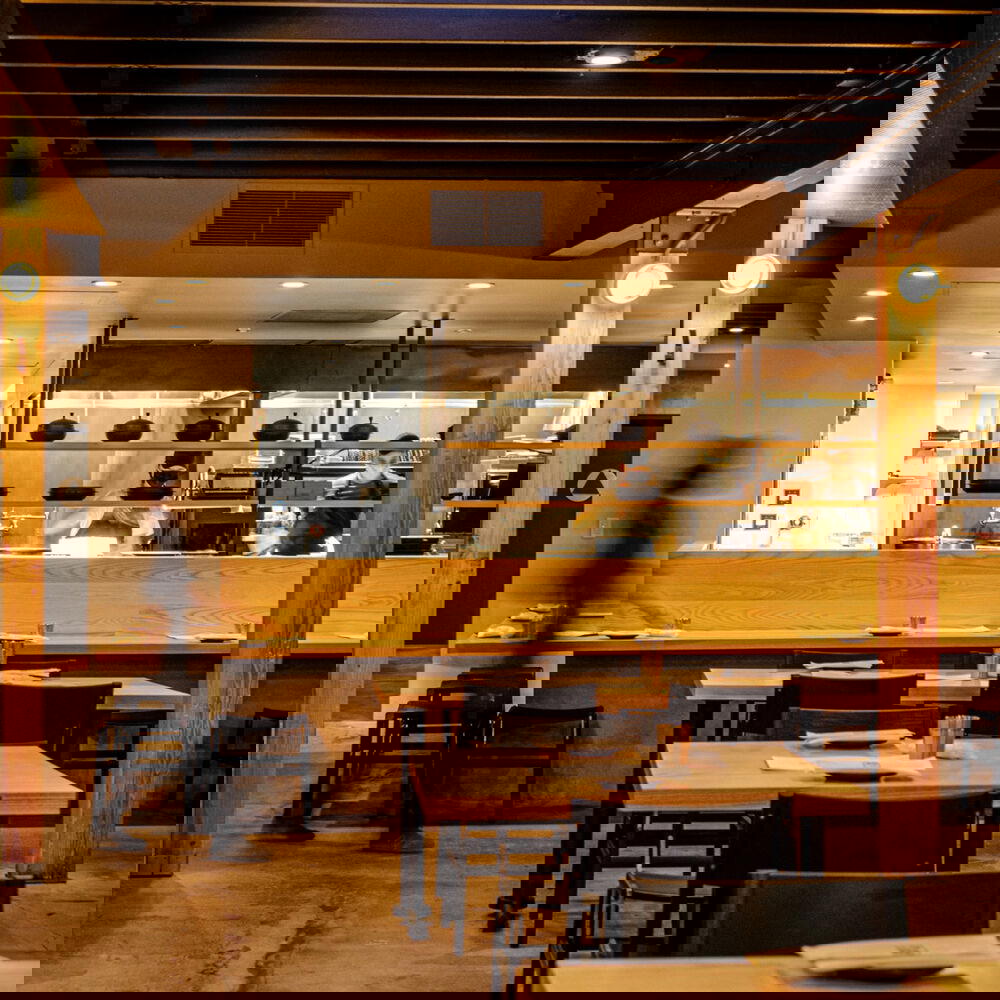
- Open Kitchen
Current opening hours
- Monday
- 5–11 PM
- Tuesday
- 5–11 PM
- Wednesday
- 5–11 PM
- Thursday
- 5–11 PM
- Friday
- 5 PM–12 AM
- Saturday
- 5 PM–12 AM
- Sunday
- 5–11 PM
Hours can change for holidays and private events. Last verified .
Nicely decorated Arabian theme with cavernous indoor dining, open kitchen, and balcony for shisha.