Südwandhütte
Our verdict
A mountain hut address in Ramsau am Dachstein, Südwandhütte sits within one of the Austrian Alps' most photogenic high-altitude settings. Where comparable huts in the Dachstein region lean into volume and throughput, this address operates at a more deliberate pace suited to the terrain.

Pearl is the En Primeur Club membership app, where members save venues, book tables and use the concierge.
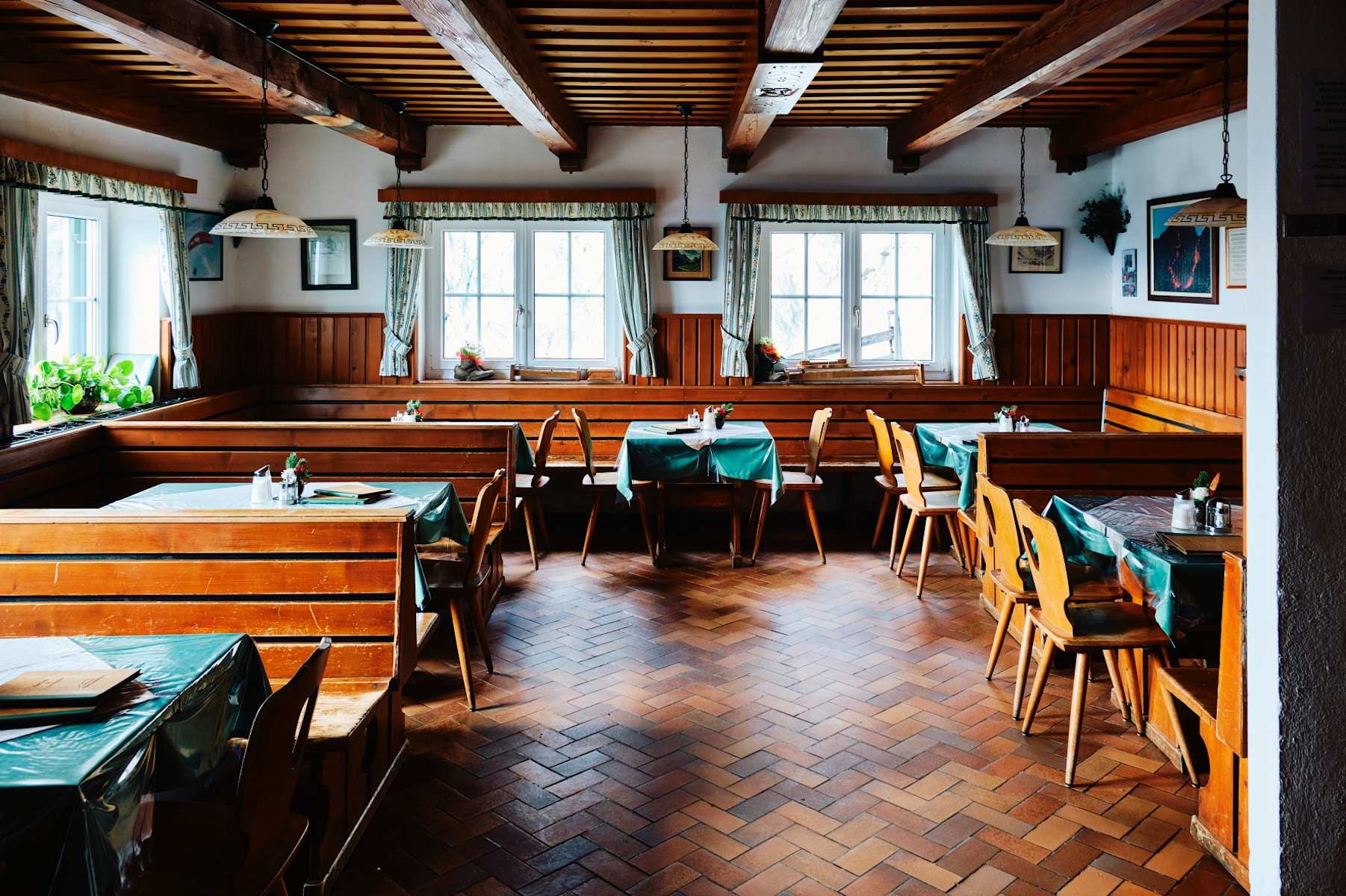
Where the Dachstein Glacier Defines the Room
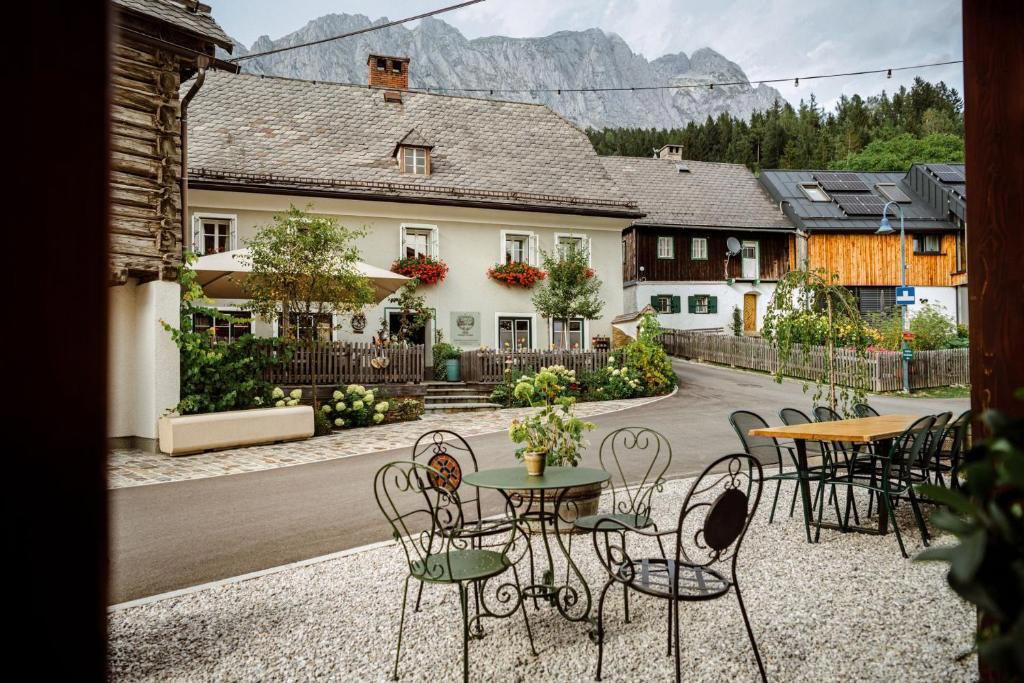
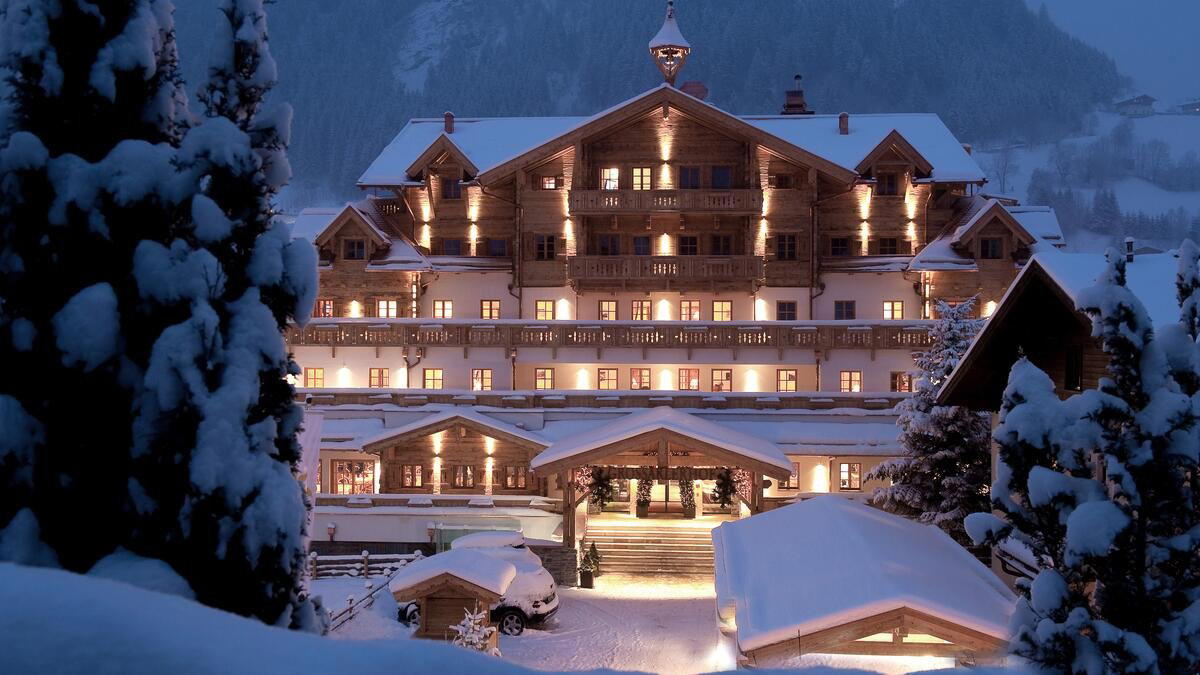
In the Austrian Alps, the most compelling argument for a mountain hut is rarely the menu. It is the architecture of the site itself: the angle of the rock face above, the way light moves across snow at altitude, and the structural logic of a building that has had to negotiate with extreme weather for decades. At Südwandhütte, located at Schildlehen 51 in Ramsau am Dachstein, that argument is made with particular force. The hut sits against the southern wall of the Dachstein massif, a position that gives it a physical orientation few comparable alpine addresses can claim. The Dachstein glacier sits in direct sightline, and the scale of the surrounding limestone walls shapes the experience of simply sitting down to eat in a way no interior design decision could replicate.
Ramsau am Dachstein itself occupies an unusual position in the Austrian alpine dining scene. It is not a resort town built around gastronomy in the way that, say, Lech or Sankt Anton am Arlberg are. The village draws visitors primarily through its proximity to the Dachstein, and its eating options reflect that orientation: places like Brandalm, Ennstalerhof, and Gasthof Hunerkogel serve the rhythm of mountain activity rather than destination dining in the formal sense. Südwandhütte belongs to that same functional tradition, but its physical position gives it a layer of drama that most valley-adjacent alternatives cannot match.
The Physical Logic of a High-Altitude Hut
Austrian mountain huts occupy a distinct architectural category. They are not chalets in the decorative sense, nor are they rustic shelters in the purely utilitarian one. The best of them represent a specific negotiation between comfort and exposure: enough warmth and shelter to make extended stays viable, enough openness to the landscape to justify the altitude. The spatial logic that defines this building type, across the Alps generally and in the Dachstein range specifically, tends to produce interiors that are compact and purposeful, with windows positioned not for symmetry but for view.
What differentiates one hut from another in this context is often a matter of siting: which face of the mountain it occupies, how exposed the terrace is to prevailing conditions, and whether the building's orientation maximises or merely accommodates the surrounding terrain. Südwandhütte's position against the south wall of the Dachstein places it in a category where the landscape does significant editorial work on behalf of the space itself.
This is worth pausing on, because it explains why high-altitude huts in the Dachstein region attract a different kind of visitor than the resort dining rooms found further west. At Griggeler Stuba in Lech or Gourmetrestaurant Tannenhof in Sankt Anton am Arlberg, the dining room is the point of arrival. Here, the dining room is the recovery point after the landscape has already done its work on you.
Reading the Room Against the Austrian Alpine Tradition
Austria's broader alpine dining tradition separates into two distinct registers. The first is the formal gastronomy tier, represented by addresses like Steirereck im Stadtpark in Vienna, Obauer in Werfen, and Döllerer in Golling an der Salzach, where cuisine is the primary reason for travel and the room frames that purpose. The second is the hut and gasthaus register, where the food serves the mountain experience rather than competing with it. Landhaus Bacher in Mautern an der Donau or Ikarus in Salzburg sit clearly in the first camp; Südwandhütte, by position and tradition, belongs to the second.
That second register is not a lesser one. It is a different compact with the visitor. The promise is not a tasting menu or a wine list selected by a certified sommelier; it is shelter, sustenance, and a specific relationship with altitude and terrain. Across the Alps, this tradition has produced some of the continent's most atmospheric eating environments, even when the food itself sits well below the tier of, say, Kräuterreich by Vitus Winkler in Sankt Veit im Pongau or Ois in Neufelden. The hut format, at its finest, makes the case that environment is a form of cuisine.
What to Order and When to Go
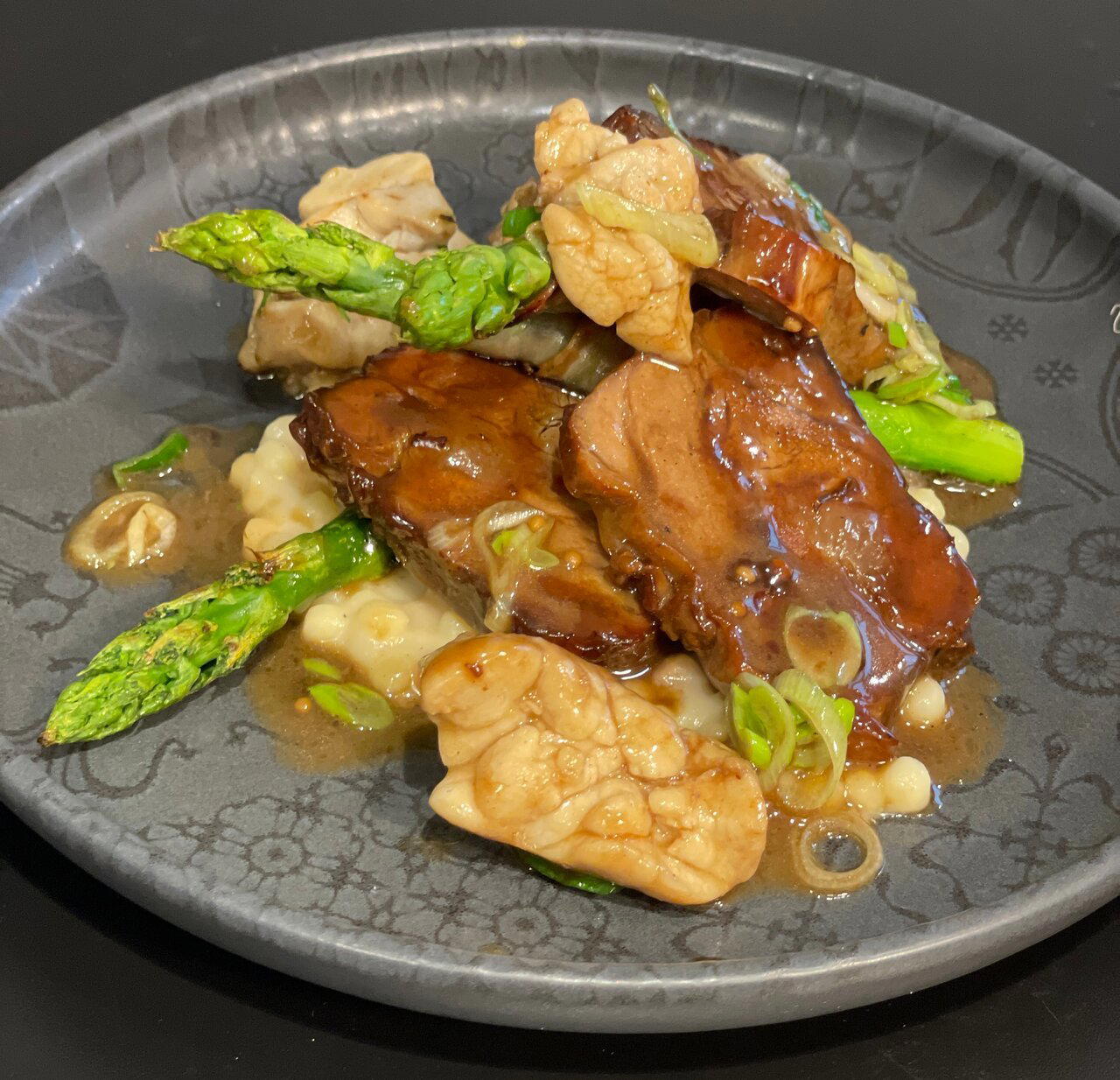
Mountain hut kitchens in the Dachstein region operate within a well-defined repertoire. Expect Styrian staples: Brettljause (a cold-cut board built for sharing), warming soups calibrated for post-exertion hunger, and carbohydrate-forward plates that make sense at altitude after several hours on foot or skis. The kitchen at a hut of this type is rarely where experimentation happens, and that is by design. The food that works at 1,500 metres after a long approach is not the food that works in a Vienna dining room. If you are arriving at Südwandhütte expecting the ambition of Restaurant 141 by Joachim Jaud in Mieming, you are bringing the wrong frame of reference. If you are arriving wanting something honest and precisely calibrated to its context, the Dachstein hut tradition delivers consistently.
The seasonal window matters significantly in this part of Styria. The Dachstein glacier is accessible year-round via cable car, but hiking routes to and around the southern wall typically open between June and October, with the summer months drawing the highest foot traffic. Winter access shifts toward ski-touring and lift-served skiing, and hut availability can vary accordingly. Anyone planning a visit should confirm opening dates and access conditions directly, as high-altitude operations in this area adjust to snow conditions and trail status each season. For a broader picture of what is available across the valley, our full Ramsau am Dachstein restaurants guide maps the complete range of options from valley gasthouses to altitude huts.
Advance planning is advisable rather than optional for the summer peak between July and August. Huts along popular Dachstein routes fill their terrace capacity quickly on clear days, and the walk-in crowd from glacier day-trippers creates pressure on seating by late morning. Arriving early in the day or timing a visit to shoulder weeks in September typically produces a more settled experience, both for finding space and for reading the landscape without crowds competing for the same views.
Frequently asked questions
What's the address for Südwandhütte?
Südwandhütte is located at Schildlehen 51, 8972 Ramsau am Dachstein, Austria, Ramsau Am Dachstein.
Is Südwandhütte accessible year-round, or does it follow a seasonal opening schedule?
Austrian mountain huts in the Dachstein region typically operate on seasonal schedules tied to trail and glacier access, most open from late spring through early autumn, with some running a winter season aligned to ski routes. Südwandhütte's specific operating calendar is not centrally published, so verifying current opening periods through local tourism offices in Ramsau am Dachstein before visiting is advisable.
What should I order at Südwandhütte?
Mountain hut kitchens in the Dachstein region run on a well-defined Styrian repertoire. Brettljause, a cold-cut board of cured meats, cheeses, and bread, is the format most suited to the setting and the pace of a hut stop. Warm options typically include soups and gröstl-style potato dishes, both calibrated for hikers rather than long tasting menus.
Should I book Südwandhütte in advance?
Advance booking is advisable on weekends and during peak summer and winter hiking seasons, when Dachstein-area huts draw steady foot traffic from glacier trail routes. Südwandhütte sits at Schildlehen 51, Ramsau am Dachstein, contact details are not publicly listed, so arriving early or checking locally is the practical approach during busy periods.
The Minimal Set
Comparable options at a glance, pulled from our tracked venues.
| Venue | Cuisine | Price |
|---|---|---|
| SüdwandhütteThis venue (the venue you are viewing) | Traditional Austrian Alpine | $10–20 |
| Waldschenke Ramsau | Traditional Austrian | $20–30 |
| Lärchbodenalm | Traditional Austrian Alpine | Not listed |
| Ennstalerhof | Modern Austrian Fine Dining | $50–100 |
| Gasthof Hunerkogel | Traditional Austrian | Not listed |
| Waldcafé Lifstüberl | Traditional Austrian Alpine | $20–30 |
Continue exploring
More in Ramsau Am Dachstein
Restaurants in Ramsau Am Dachstein
All restaurants in Ramsau Am Dachstein →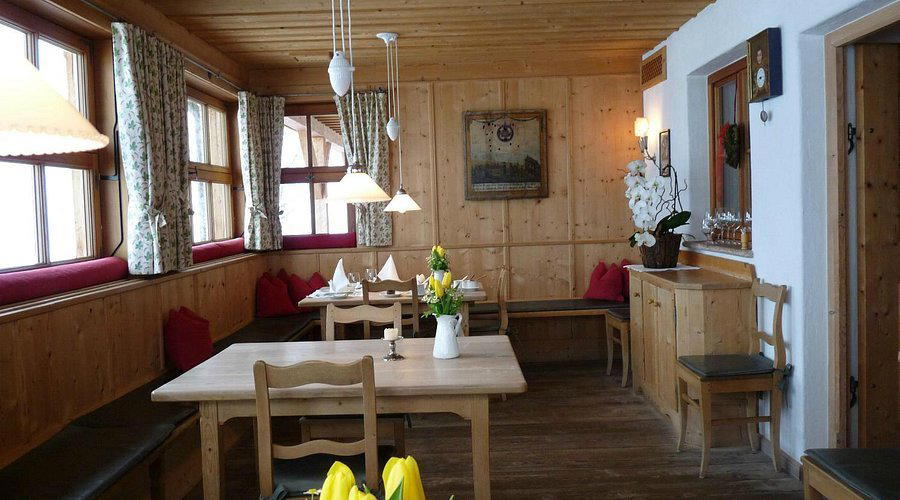
Bars in Ramsau Am Dachstein
Browse all →
Details
- Cozy
- Rustic
- Scenic
- Casual Hangout
- Terrace
- Panoramic View
- Local Sourcing
- Mountain
- A La Carte
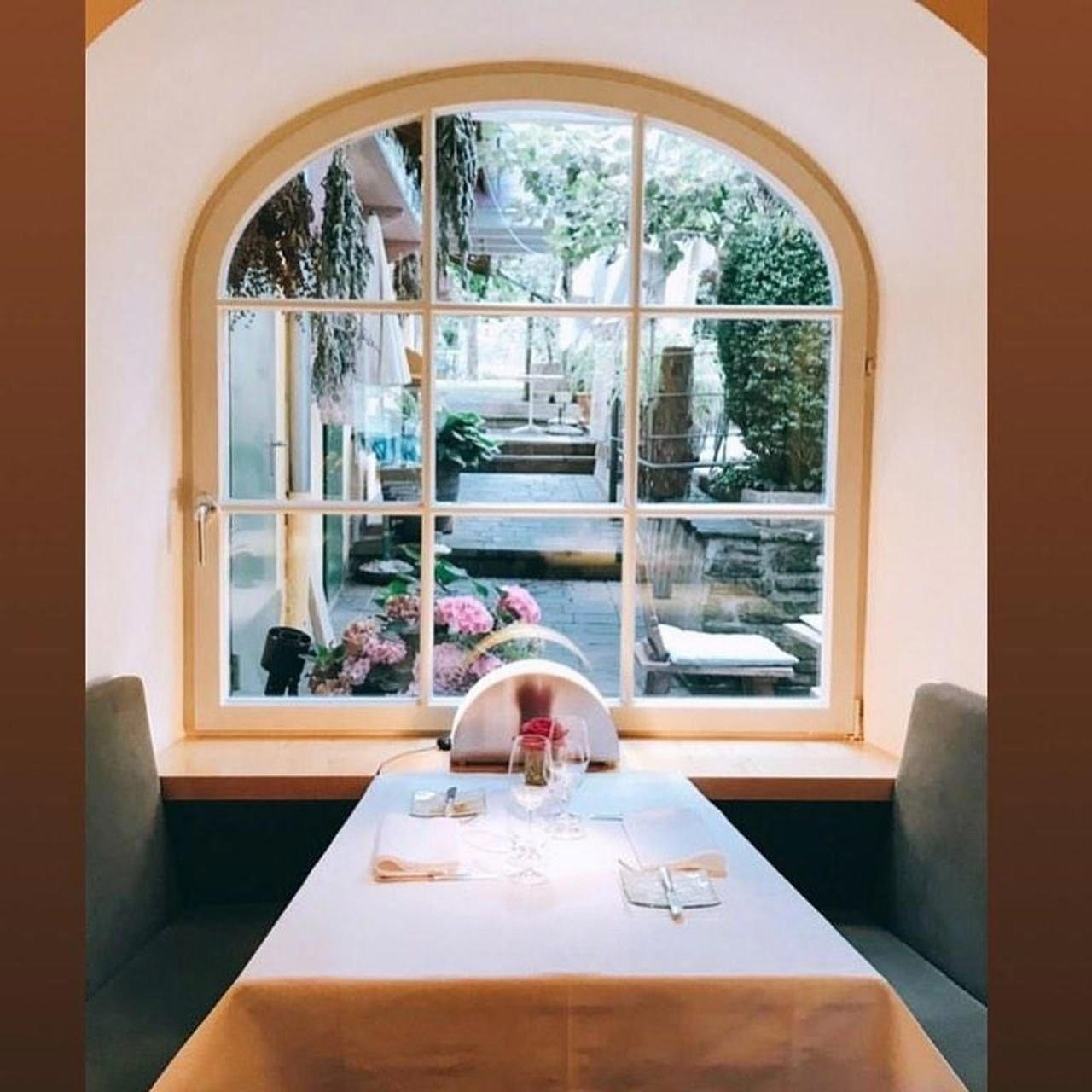
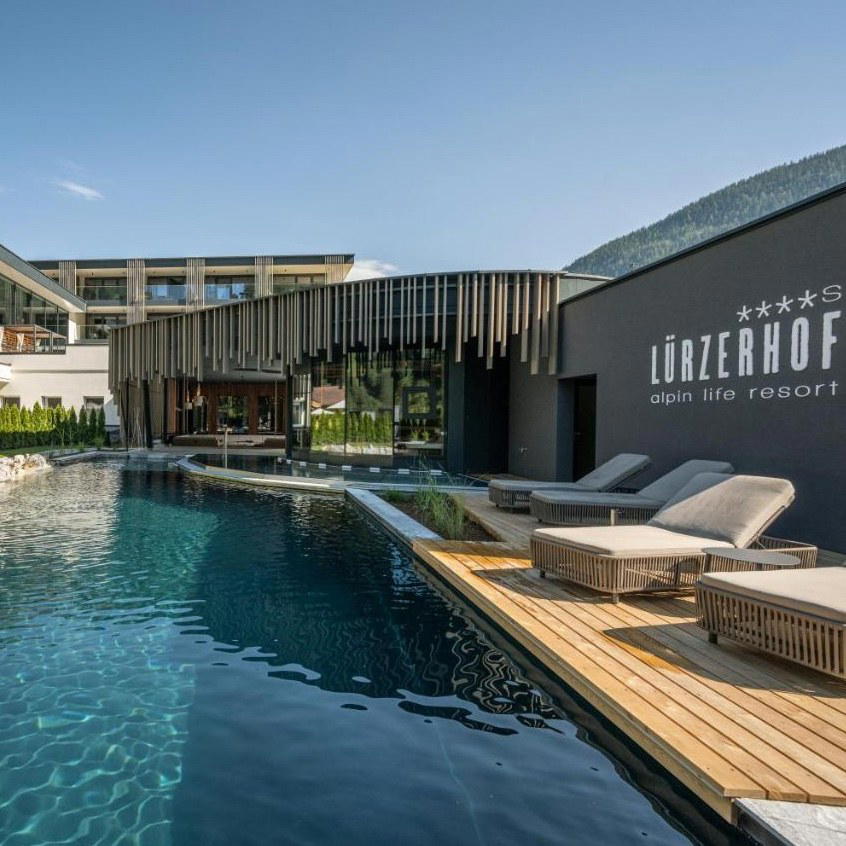
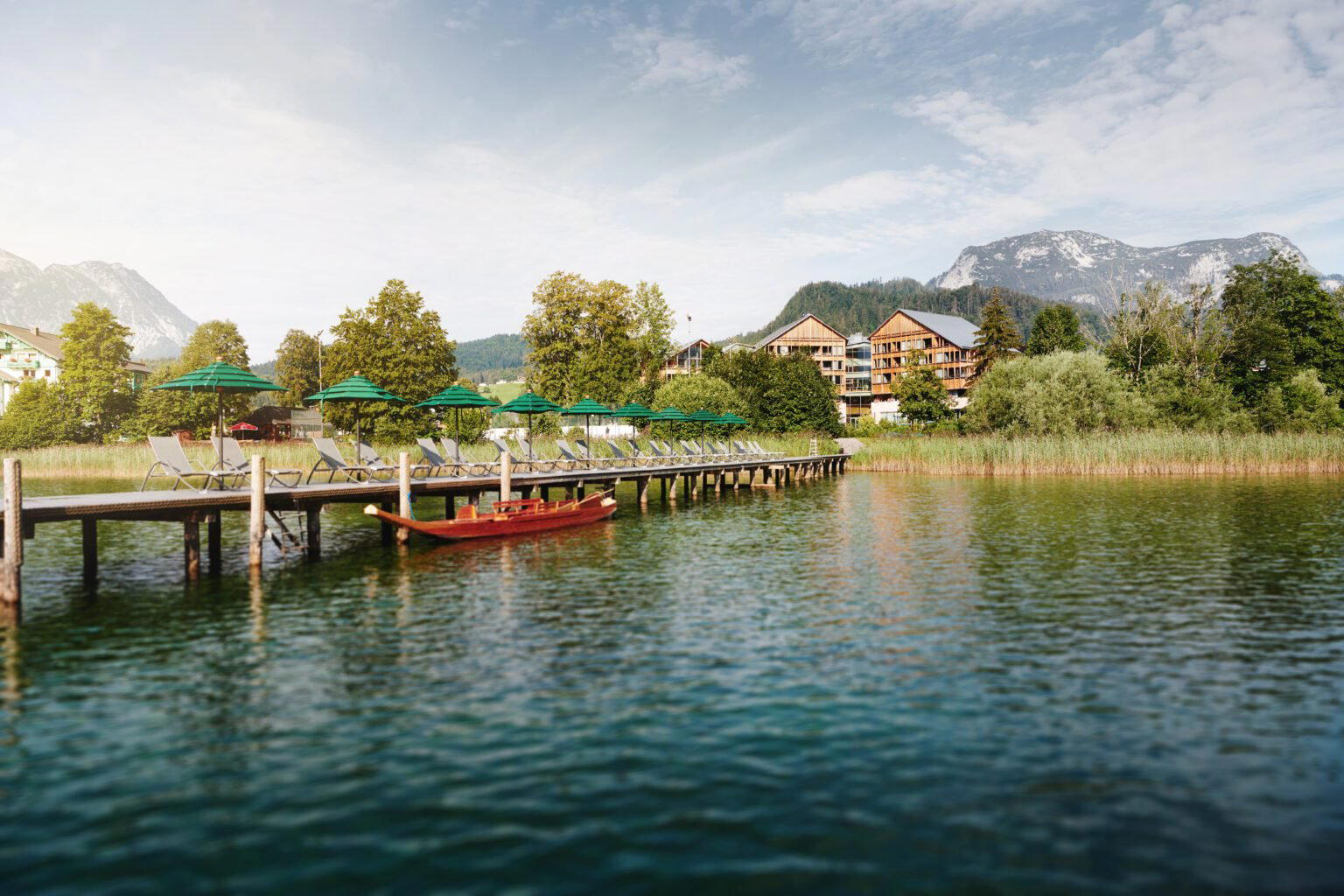
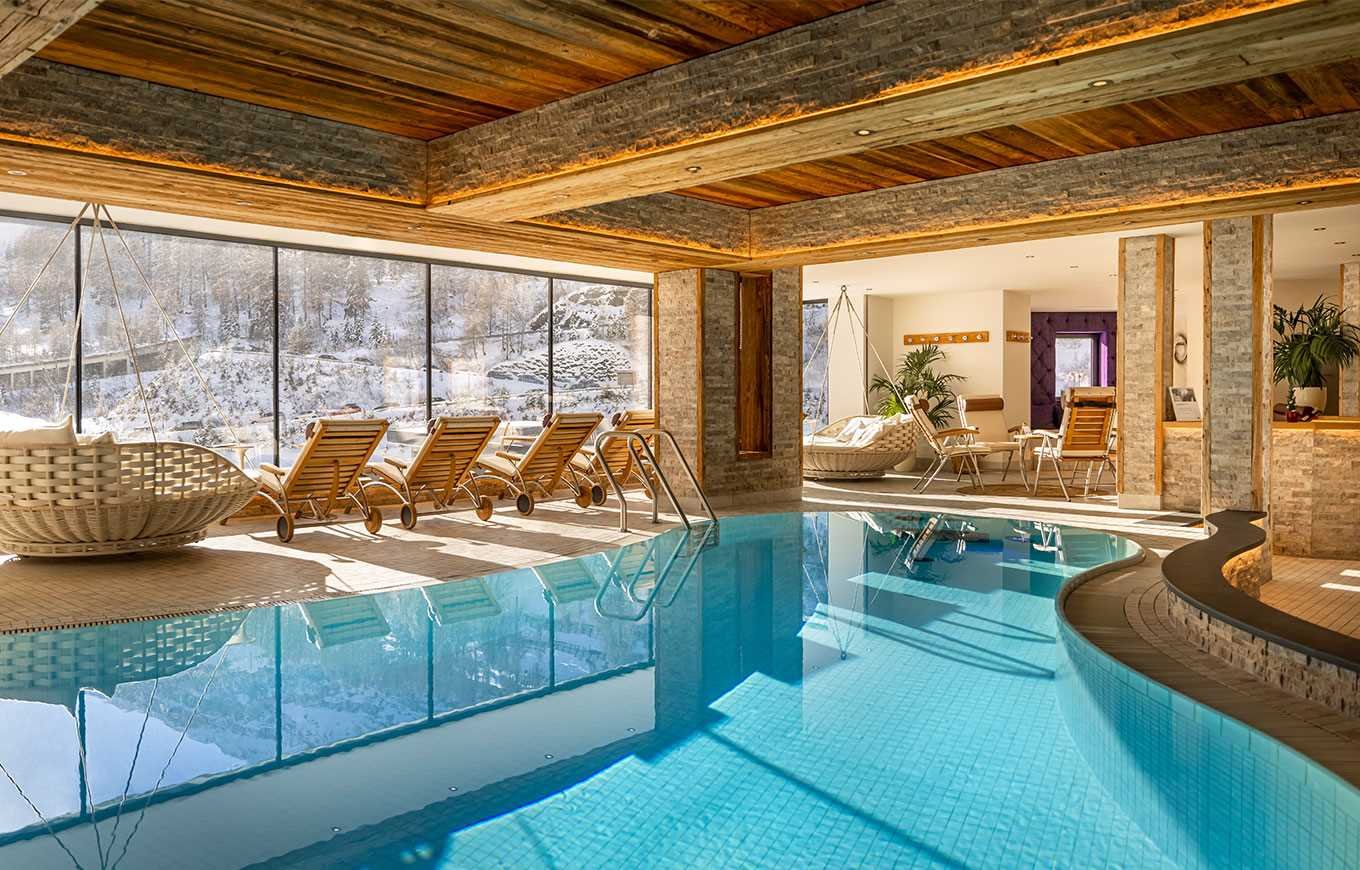
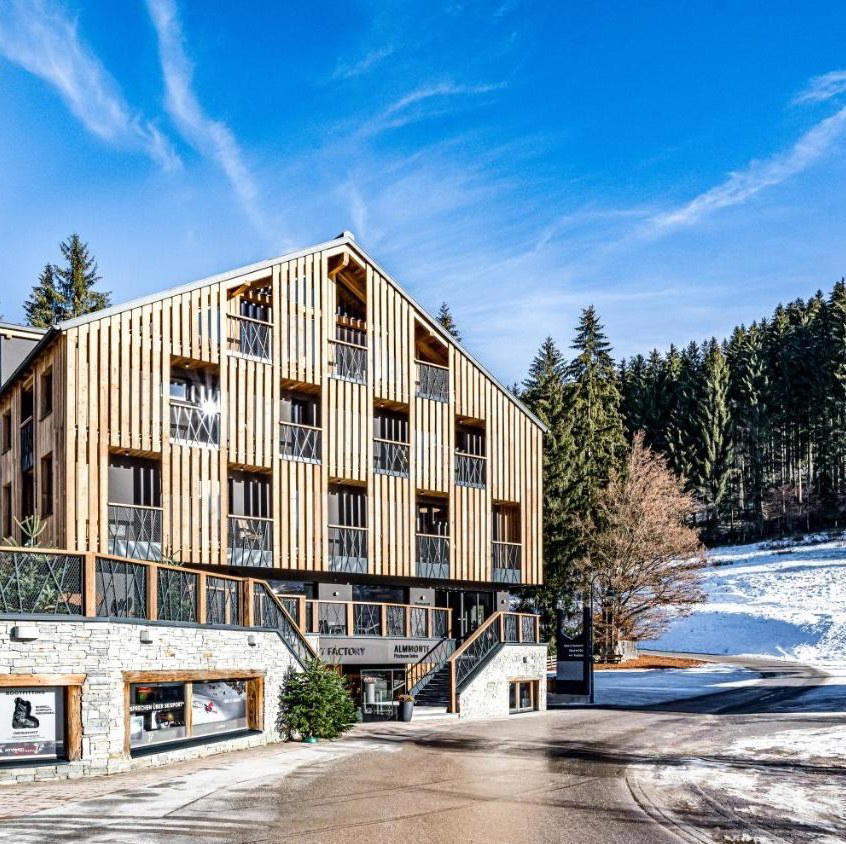
Cozy indoor dining rooms paired with a spacious sun terrace providing far-reaching alpine panoramas and a welcoming, relaxed atmosphere.