A castle-hotel set on the hill above Mattsee, Schlosshotel Iglhauser occupies a position that places it among the more architecturally distinctive properties in the Salzburg lake district. The surrounding countryside — farmland, lake edge, and alpine meadow — shapes the context for a dining and hospitality experience grounded in regional Austrian tradition. Travellers exploring the Salzburg region use it as a quieter alternative to the city's hotel circuit.
Pearl is the En Primeur Club membership app — saves, bookings, and concierge access live there. Same editors, same standards.
- Address
- Schloßbergweg 1-4, 5163 Mattsee, Austria
- Phone
- +434362175205
- Website
- schlosshotel-igl.at
- Directions
- Get directions
 Saves & bookings on Pearl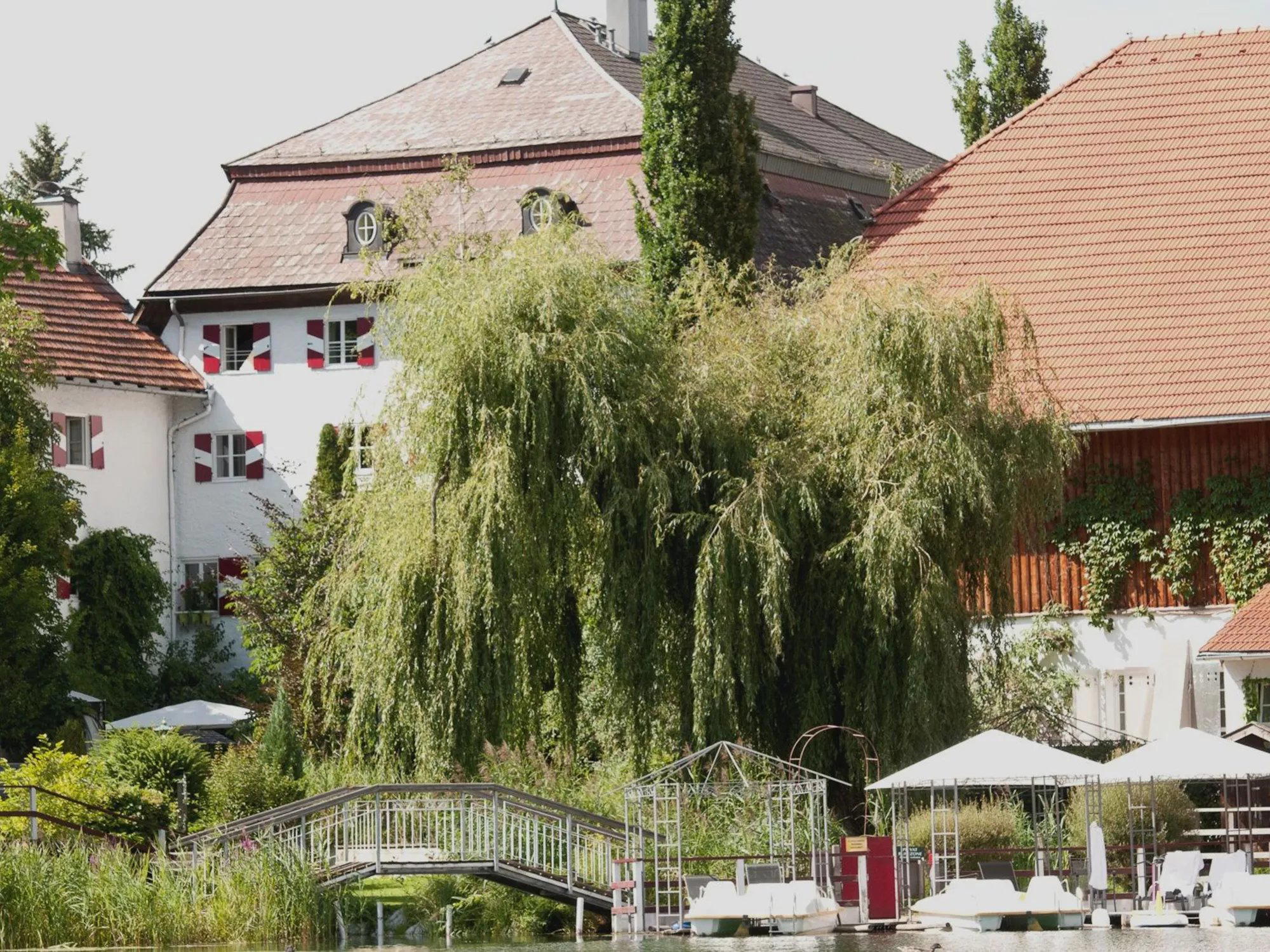
A Castle Above the Lake District
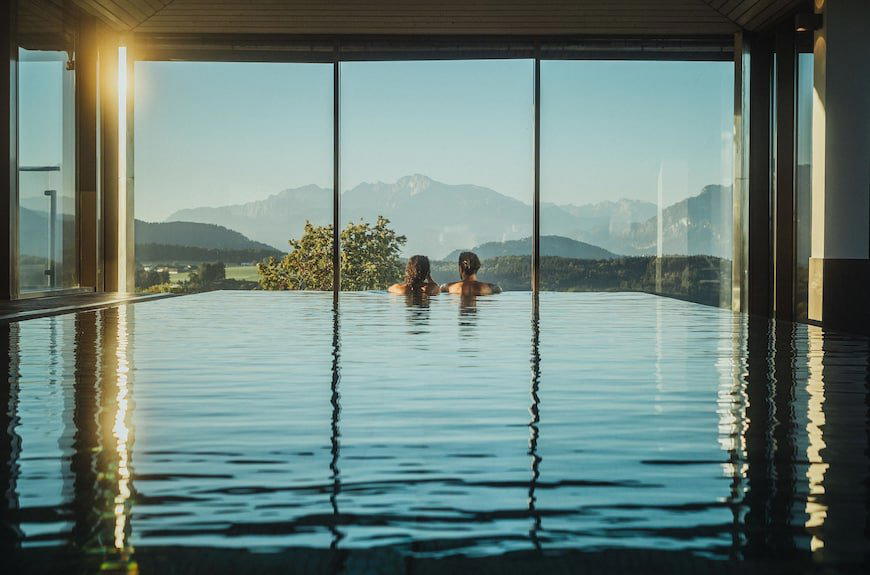
The approach to Schlosshotel Iglhauser tells you something about how this corner of Austria has historically organised its hospitality. Castle-hotels in the Salzburg lake district — Mattsee sits roughly 20 kilometres north of the city — tend to occupy refined ground above small market towns, positioned to command the view rather than participate in the street. Schloßbergweg 1-4 follows that pattern precisely: the property rises above Mattsee on the hill that gives the address its name, with the lake and the flat agricultural plain of the Flachgau stretching out below. Before you've crossed the threshold, the setting has already done substantial editorial work.
That physical relationship between property and countryside matters more than it might appear. The Salzburg Flachgau is productive agricultural territory: dairy farming, market gardening, and lake fisheries have defined the local food economy for centuries. A hotel in this position, with farmland visible from its windows, either engages seriously with that geography or it doesn't. The properties in this region that have earned sustained critical attention, whether through Michelin recognition or through the kind of repeat visitors who book year after year, are largely those that treat the surrounding landscape as a supply chain rather than a backdrop.
Where Ingredient Sourcing Defines the Salzburg Region's Dining Character
Austrian regional cooking has undergone a significant reappraisal over the past two decades. The narrative once centred on Viennese grand cuisine, Steirereck im Stadtpark in Vienna remains the reference point at the top of that conversation, but a parallel tradition of ingredient-driven cooking in the provinces has grown in visibility and critical standing. The Salzburg region, specifically, has produced a cluster of restaurants and hotel kitchens that compete on the quality of their sourcing rather than the complexity of their technique.
Döllerer in Golling an der Salzach has made Alpine ingredient provenance a near-explicit part of its identity. Obauer in Werfen, operating across multiple decades, built its reputation on a similar foundation. Ikarus in Salzburg takes a different angle, rotating guest chefs rather than a fixed local sourcing model, but even that format acknowledges that the region's dining identity is confident enough to host international comparison. Closer to the Mattsee area, Seewirt Mattsee represents the lakeside end of that local tradition, where the Mattsee itself becomes the primary ingredient source.
Schlosshotel Iglhauser occupies a different position in that ecosystem: a castle-hotel rather than a destination restaurant, which means the kitchen serves a residential guest population as much as visiting diners. That distinction shapes what ingredient sourcing means in practice. Hotel kitchens in this format typically work with a narrower range of dishes than dedicated restaurant operations, but they also have the advantage of a captive audience willing to take meals across multiple days, which rewards consistency and seasonal adjustment more than any single signature moment.
The Regional Context Beyond the Plate
The Flachgau lake district, Mattsee, Wallersee, Obertrumer See, draws a particular kind of Austrian and southern German traveller: people who want proximity to Salzburg's cultural infrastructure without Salzburg's summer festival prices and crowds. The Salzburger Festspiele, which runs through July and August, pushes accommodation rates in the city to a level that makes properties 20 kilometres out genuinely competitive on value, particularly for guests planning multi-night stays.
That seasonal dynamic gives Mattsee and its surrounding hotels a specific character in high summer: they absorb overflow from the festival crowd while maintaining a quieter residential pace. Outside those peak weeks, the lake district reverts to a more local Austrian rhythm, walking, cycling along the lake edges, the kind of unhurried lunch that a castle dining room is well suited to provide. For the broader Austrian dining scene, this geography puts Schlosshotel Iglhauser in an interesting position relative to properties like Landhaus Bacher in Mautern an der Donau or Taubenkobel in Schützen am Gebirge, all of them castle or manor properties in provincial Austrian settings, all of them navigating the same tension between regional identity and visitor expectations.
Further afield, the Salzburg region connects to a wider Austrian mountain dining tradition that includes Kräuterreich by Vitus Winkler in Sankt Veit im Pongau, a kitchen explicitly structured around herb sourcing and alpine plant knowledge, and properties in Tyrol such as Gourmetrestaurant Tannenhof in Sankt Anton am Arlberg, Griggeler Stuba in Lech, and Stüva in Ischgl. What connects these properties is a commitment to place as a culinary argument, the food makes sense because of where it is, not in spite of it.
Planning a Visit
Mattsee is accessible from Salzburg by road in under half an hour, which makes Schlosshotel Iglhauser a realistic base for day trips into the city without requiring a full city-centre hotel budget. The summer festival period aside, the lake district tends toward moderate visitor volumes, and the castle's position above the town means it operates at a remove from whatever seasonal activity concentrates at the water's edge. Travellers planning around cultural programming in Salzburg, the Festspiele in July and August, the Christmas markets in December, will find the 20-kilometre buffer either an asset or a friction point depending on whether they are driving or relying on public transport. For those building a wider Austrian itinerary that takes in Graz as well as Salzburg, Artis in Graz represents the Styrian end of the regional dining conversation. For a reference point at international scale, properties like Le Bernardin in New York City or Atomix in New York City illustrate how tightly ingredient provenance and sourcing philosophy have become central to high-end dining globally, a shift that gives Austrian regional kitchens a more legible international context than they had a generation ago.
For a fuller picture of what the area offers across price points and formats, our full Mattsee restaurants guide maps the local scene in more detail. Additional reference points in the Austrian castle-hotel tradition can be found through Schwarzer Adler in Hall in Tirol, Restaurant 141 by Joachim Jaud in Mieming, and Ois in Neufelden, each of which represents a different resolution to the same question of how a regionally grounded Austrian property makes its case to a contemporary visitor.
At a Glance
- Romantic
- Elegant
- Classic
- Scenic
- Cozy
- Date Night
- Special Occasion
- Historic Building
- Hotel Restaurant
- Waterfront
- Garden
- Terrace
- Extensive Wine List
- Local Sourcing
- Farm To Table
- Waterfront
- Garden
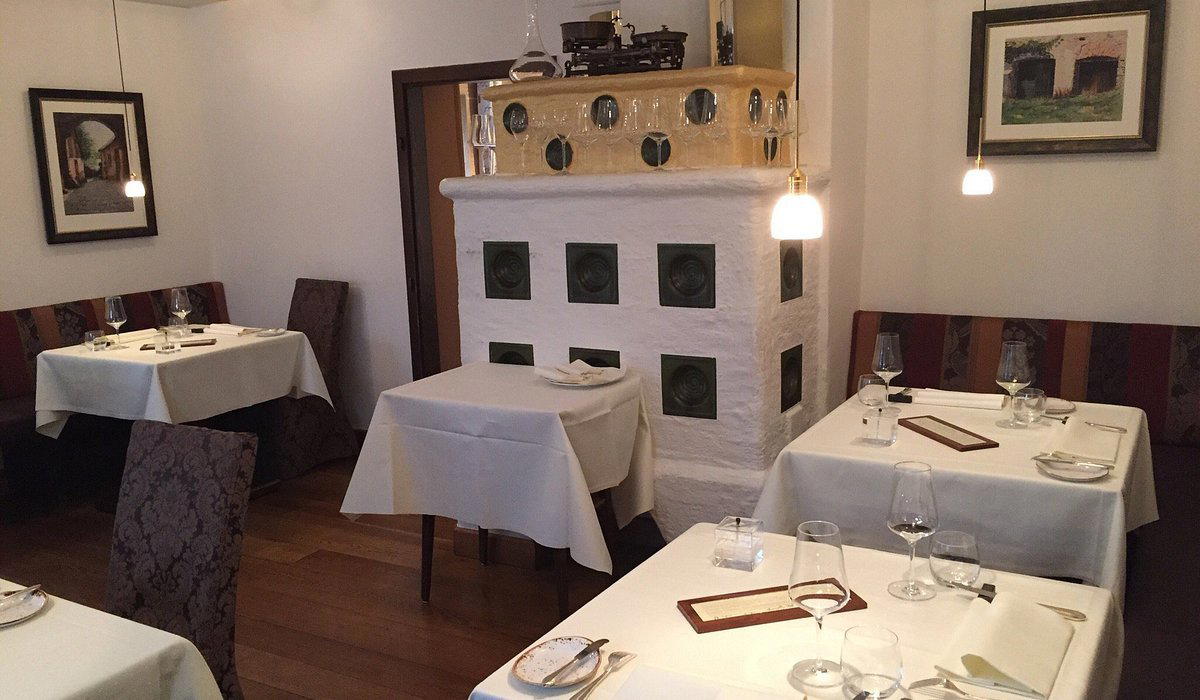
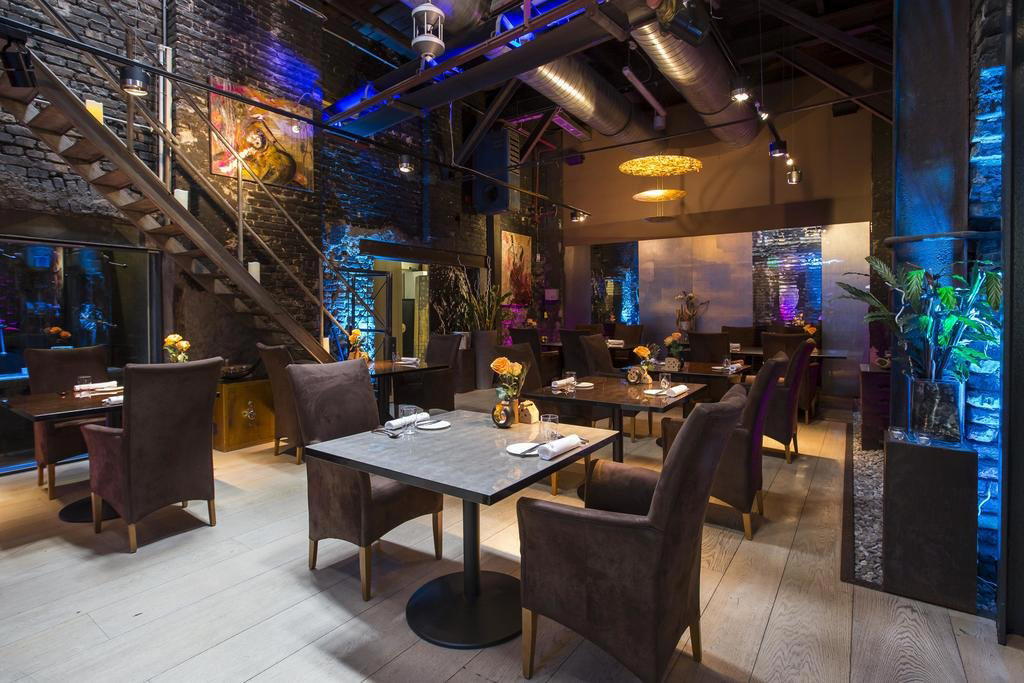
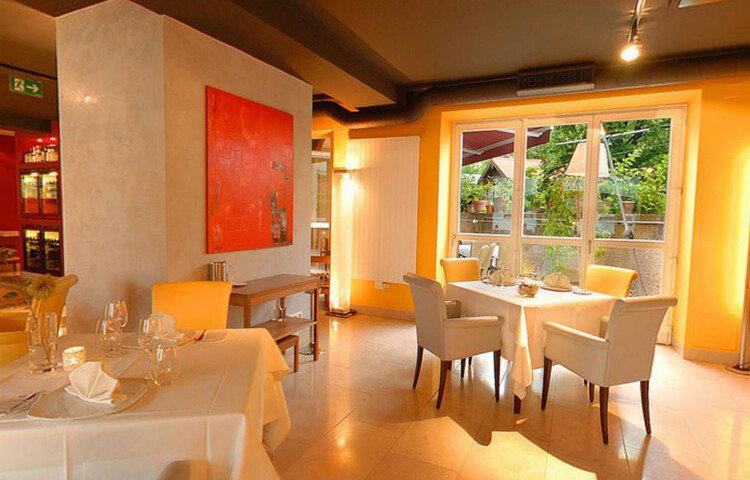
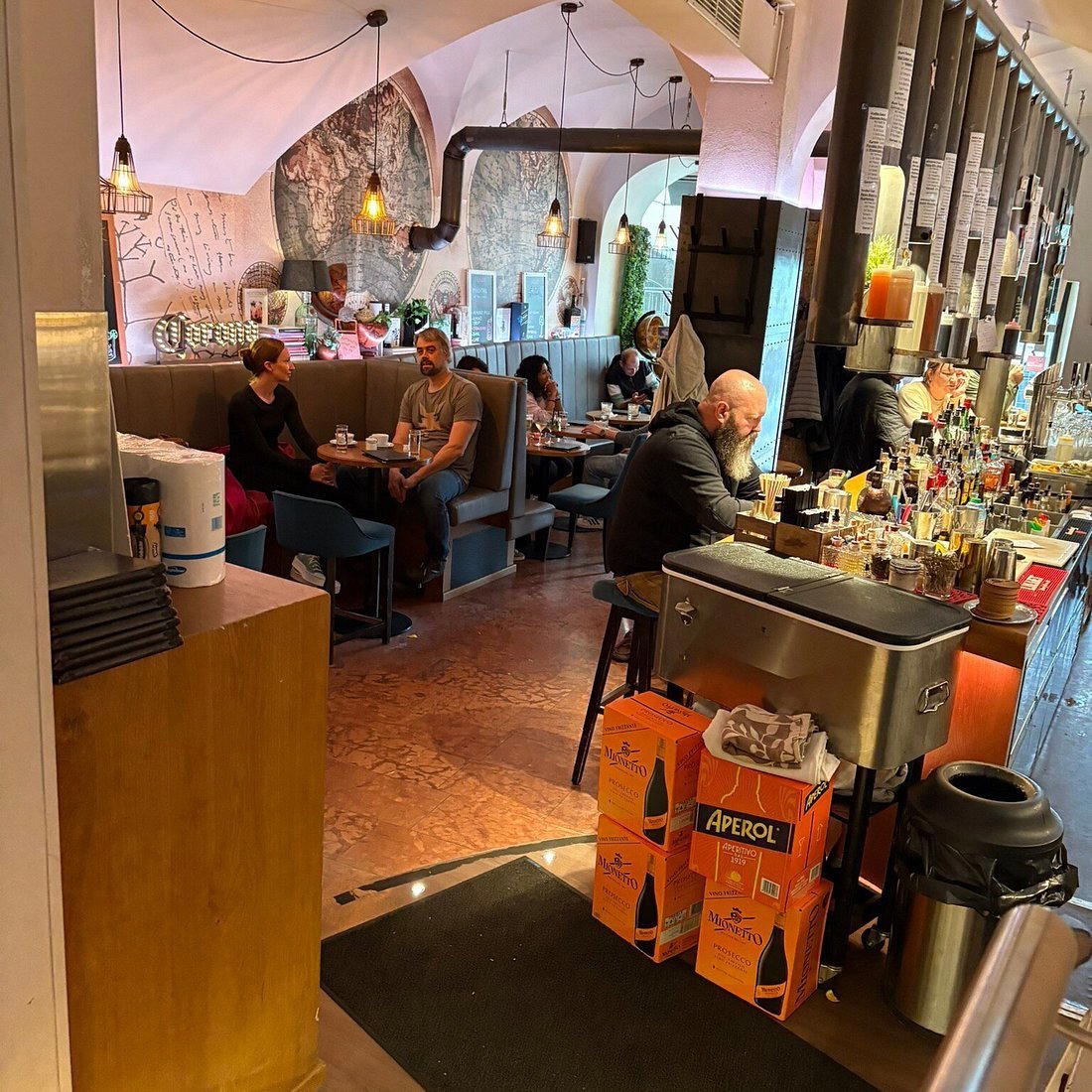
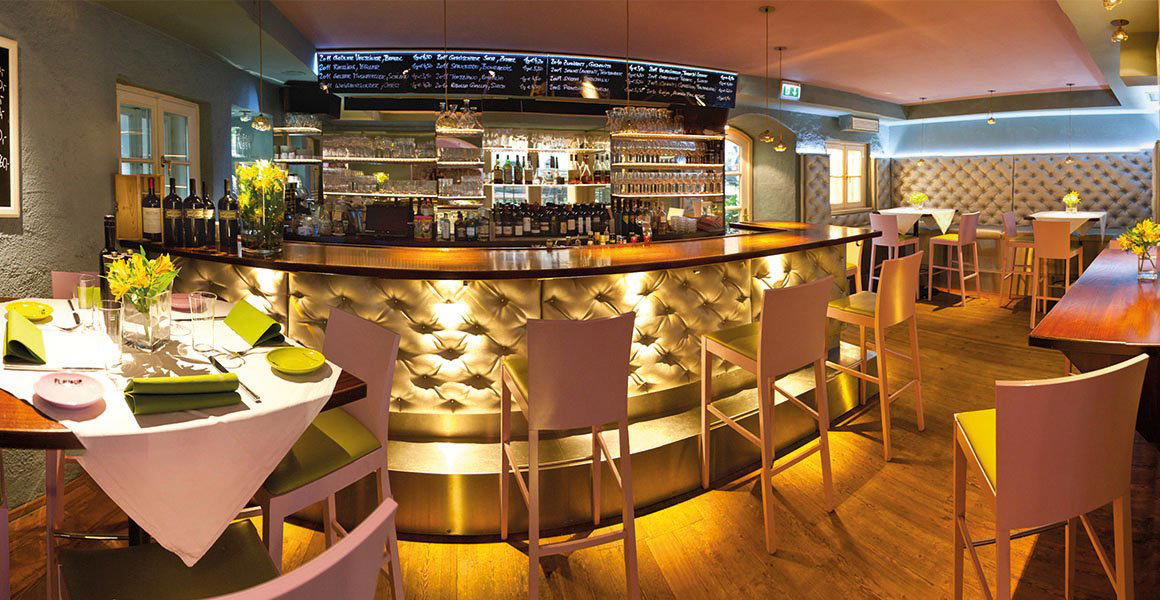
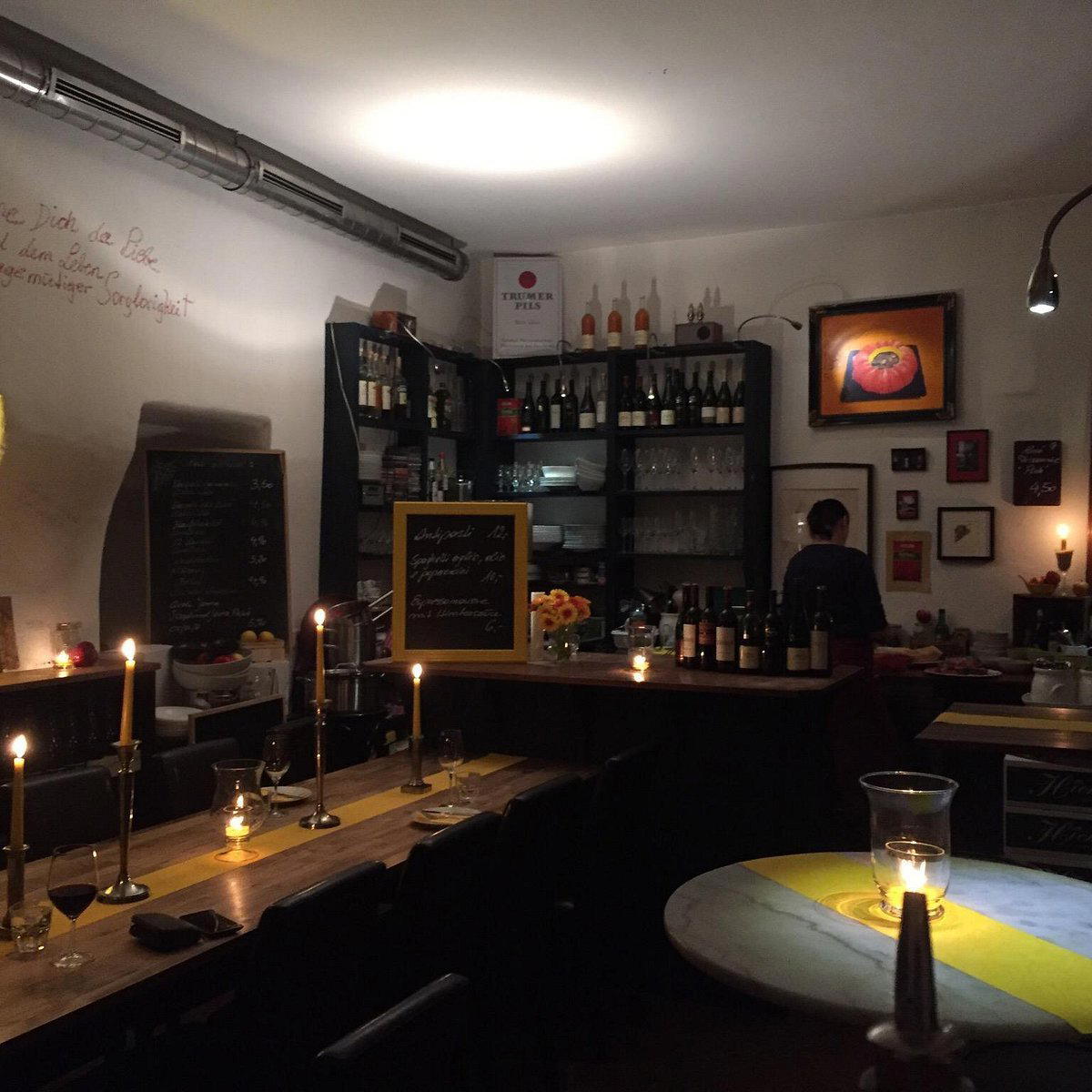
Casual yet elegant atmosphere in old dining rooms with thick walls, dark wood beams, and pleasant lake views from the garden terrace.
Know Before You Go
- Getting there
- Schloßbergweg 1-4, 5163 Mattsee, Austria