A Salzburg Altstadt institution on Sigmund-Haffner-Gasse, Wirtshaus Elefant occupies the kind of historic address that the city's old town has been built around for centuries. The format is traditional Austrian Wirtshaus dining, where the room and the rhythm of service carry as much weight as what arrives at the table. For visitors oriented toward the Altstadt's denser, award-driven restaurant tier, it offers a different register entirely.
Pearl is the En Primeur Club membership app — saves, bookings, and concierge access live there. Same editors, same standards.
- Address
- Sigmund-Haffner-Gasse 4, 5020 Salzburg, Austria
- Phone
- +43662844020
- Website
- wirtshauselefant.com
- Directions
- Get directions
 Saves & bookings on Pearl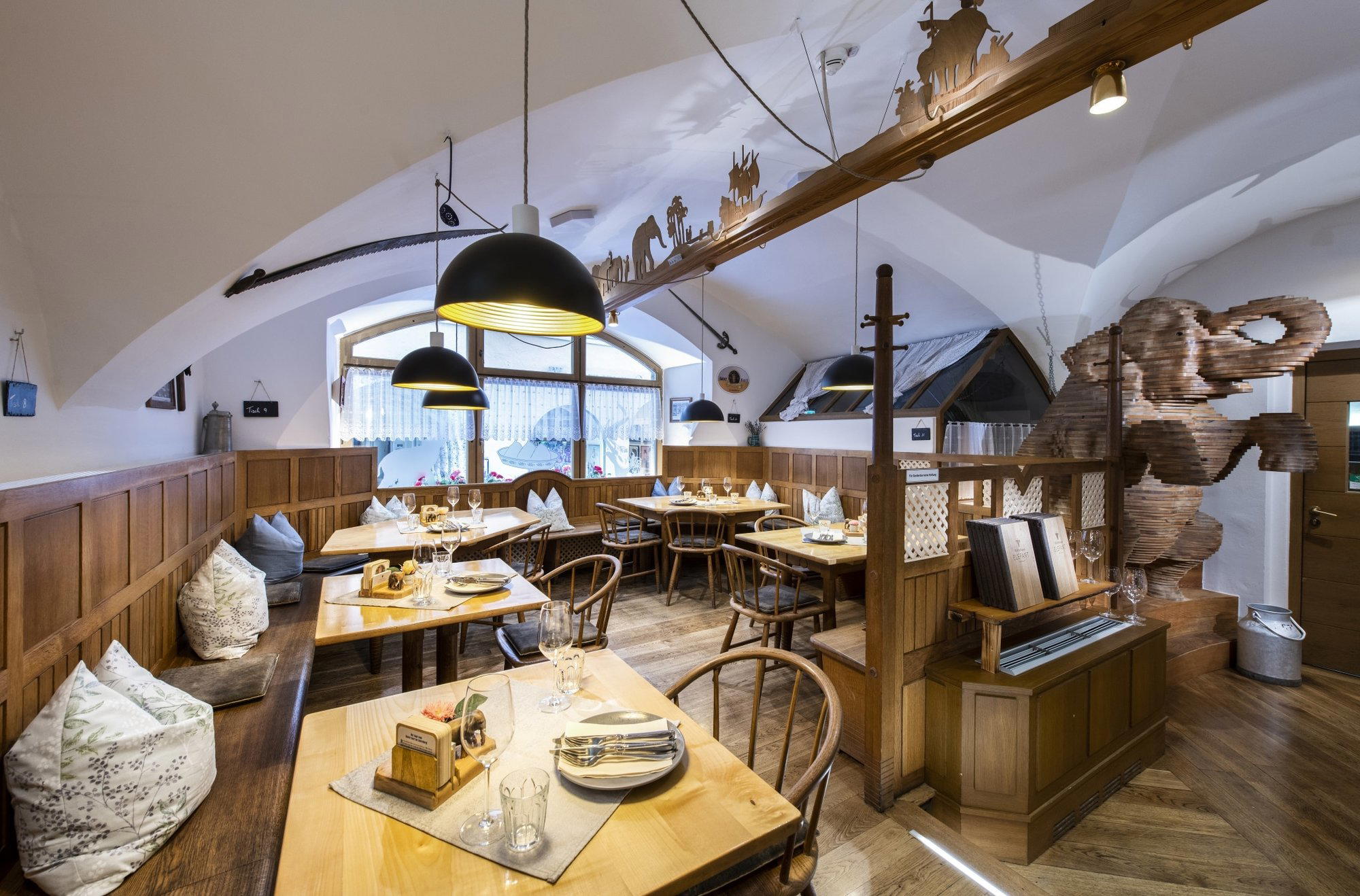
A Street That Sets the Tone Before You Arrive
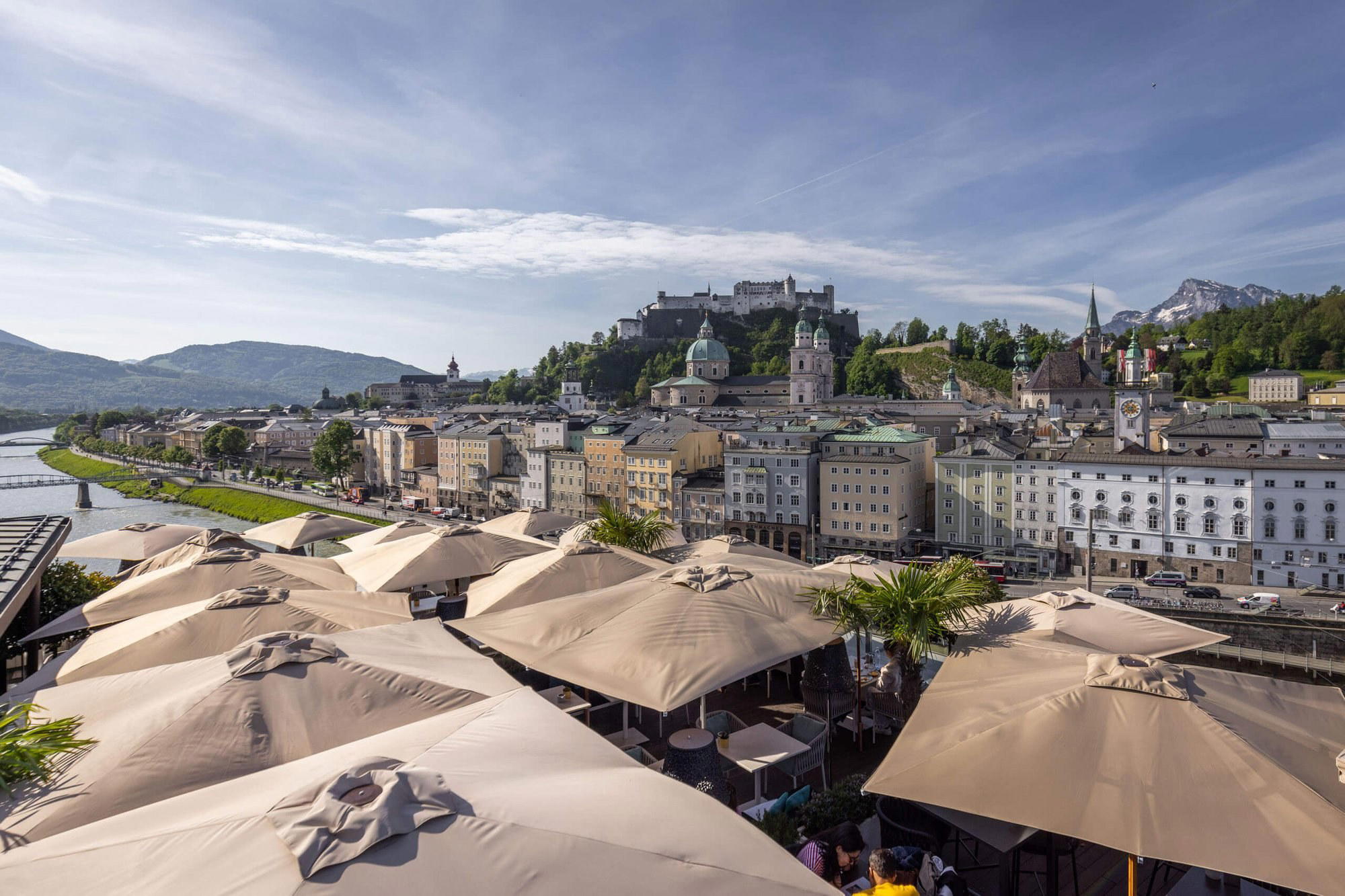
Sigmund-Haffner-Gasse is one of those Salzburg lanes where the architecture does most of the persuading. The alley runs close to the old market axis of the Altstadt, flanked by facades that predate the city's transformation into a festival destination by several centuries. By the time a visitor reaches the entrance of Wirtshaus Elefant, the framing has already done its work. That context matters. Salzburg's Altstadt carries a UNESCO World Heritage designation, and the density of historic fabric around this address places any establishment here inside a much longer story.
The Wirtshaus Format in a Fine-Dining City
Salzburg's restaurant scene has developed a clear upper tier over the past two decades. Ikarus, with its rotating guest-chef model and consistent awards presence, operates at the €€€€ level alongside Pfefferschiff, while Esszimmer and Senns represent the creative-Austrian strand of that conversation. The Glass Garden adds another format variation. What all of those share is an orientation toward tasting menus, kitchen-forward narratives, and premium pricing. The traditional Wirtshaus sits in a different bracket by design. Its logic is repetition and reliability rather than seasonal reinvention, communal tables or close-set rooms rather than composed tablescapes, and cooking that references regional Austrian tradition rather than departing from it. In a city where festival tourism inflates dining expectations across the board, the Wirtshaus format acts as a corrective. It answers a different question: not what a kitchen can achieve at its most ambitious, but what Austrian hospitality looks like in an everyday register that has persisted across generations.
Sourcing and the Question of Austrian Sustainability
The sustainability conversation in Austrian gastronomy has shifted considerably in the past decade, and it has done so unevenly. At the upper end, restaurants like Steirereck im Stadtpark in Vienna and Döllerer in Golling an der Salzach have made supplier provenance and seasonal discipline central to their editorial identity. Further afield, properties such as Kräuterreich by Vitus Winkler in Sankt Veit im Pongau and Obauer in Werfen have built their reputations around Alpine sourcing specificity. The traditional Wirtshaus model sits in a more complicated position within that frame. Its menus are typically shorter than a tasting format, built around a narrower range of staple dishes, which naturally reduces the volume of ingredients cycling through any given kitchen. Waste reduction in this context is structural rather than programmatic: a Wirtshausküche that produces the same dishes week after week, working with established suppliers rather than rotating seasonal novelties, tends to generate lower per-cover waste by default. Across the wider Austrian Alpine region, particularly credible sustainability claims come from establishments with documented supplier relationships. The Wirtshaus format, at its most honest, earns its environmental credibility not through messaging but through the discipline of restraint: fewer ingredients, more repetition, less spectacle.
How Wirtshaus Elefant Sits in the Altstadt Geography
The Sigmund-Haffner-Gasse address places Wirtshaus Elefant within walking distance of the Mozartplatz and the Cathedral Quarter, which means it absorbs a portion of Salzburg's tourist footfall regardless of its positioning. That is a structural reality for any Altstadt restaurant. The dining rooms that manage to retain local regulars alongside visitor traffic tend to do so through consistency rather than novelty, and through pricing that does not track exclusively to peak festival season demand. The Salzburg Festival, which runs through July and August, compresses the city's higher-end restaurant reservation windows considerably. During that period, tables at Ikarus and comparable rooms require advance planning. The Wirtshaus tier operates on a different booking horizon, and for visitors arriving without reservations, it represents a more accessible entry point into the Altstadt dining scene.
For broader regional context, the Austrian Alpine dining circuit extends well beyond the city. Gourmetrestaurant Tannenhof in Sankt Anton am Arlberg, Griggeler Stuba in Lech, Schwarzer Adler in Hall in Tirol, and Restaurant 141 by Joachim Jaud in Mieming each represent distinct positions within the Alpine fine-dining spectrum. Ois in Neufelden takes a different route again. Against that spectrum, the Wirtshaus in Salzburg's old town reads as the anchor point: the format that preceded all of the above and continues to operate as the baseline register of Austrian hospitality. For international comparison, the gap between a traditional Austrian Wirtshaus and a fine-dining counter at, say, Le Bernardin in New York City or Atomix in New York City is roughly equivalent to the gap between a London gastropub and a tasting-menu restaurant in Mayfair. The formats are not competing; they are answering different questions about what a meal is for.
Planning a Visit
The restaurant is located at Sigmund-Haffner-Gasse 4 in Salzburg's Altstadt, within the UNESCO-designated historic core. The address is accessible on foot from the main Altstadt pedestrian zones. Visitors arriving during the Salzburg Festival period should note that the surrounding streets see significantly higher foot traffic from late July through August, and that dining options across the Altstadt fill more quickly than at other times of year. As with most traditional Austrian Wirtshäuser, the format tends to suit early evening arrivals; the atmosphere in the mid-evening is typically more settled than at the city's festival-adjacent dining rooms. Booking is recommended, and the restaurant is open Monday to Saturday from 11:30 AM to 11:30 PM; it is closed on Sunday.
Cuisine Lens
Comparable venues nearby, for context on price, style, and recognition.
| Venue | Cuisine | Price | Awards | Notes |
|---|---|---|---|---|
| Wirtshaus ElefantThis venue — the venue you are viewing | Traditional Austrian | $$$ | Not listed | Not listed |
| St. Peter Stiftskulinarium | Austrian-Mediterranean Fine Dining | $$$ | Not listed | Linke Altstadt |
| Blaue Gans Salzburg | Modern Austrian with Mediterranean influences | $$$ | Not listed | Linke Altstadt |
| Restaurant Zirbelzimmer | Austrian Fine Dining | $$$$ | Not listed | Rechte Altstadt |
| Zum Buberl Gut | Modern Austrian with Mediterranean Influences | $$$ | Michelin Plate | Morzg |
| Die Cabreras | Authentic Mexican | $$$ | Not listed | Rechte Altstadt |
At a Glance
- Cozy
- Rustic
- Classic
- Family
- Casual Hangout
- Historic Building
- Terrace
- Extensive Wine List
Current opening hours
- Monday
- 11:30 AM–11:30 PM
- Tuesday
- 11:30 AM–11:30 PM
- Wednesday
- 11:30 AM–11:30 PM
- Thursday
- 11:30 AM–11:30 PM
- Friday
- 11:30 AM–11:30 PM
- Saturday
- 11:30 AM–11:30 PM
- Sunday
- Closed
Hours can change for holidays and private events. Last verified .
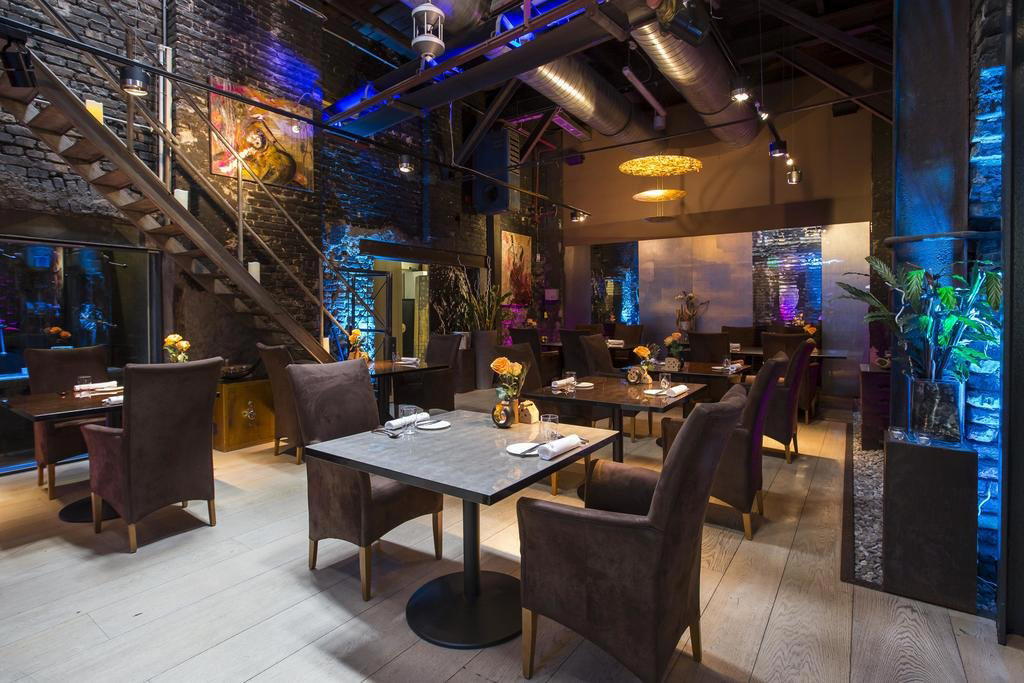
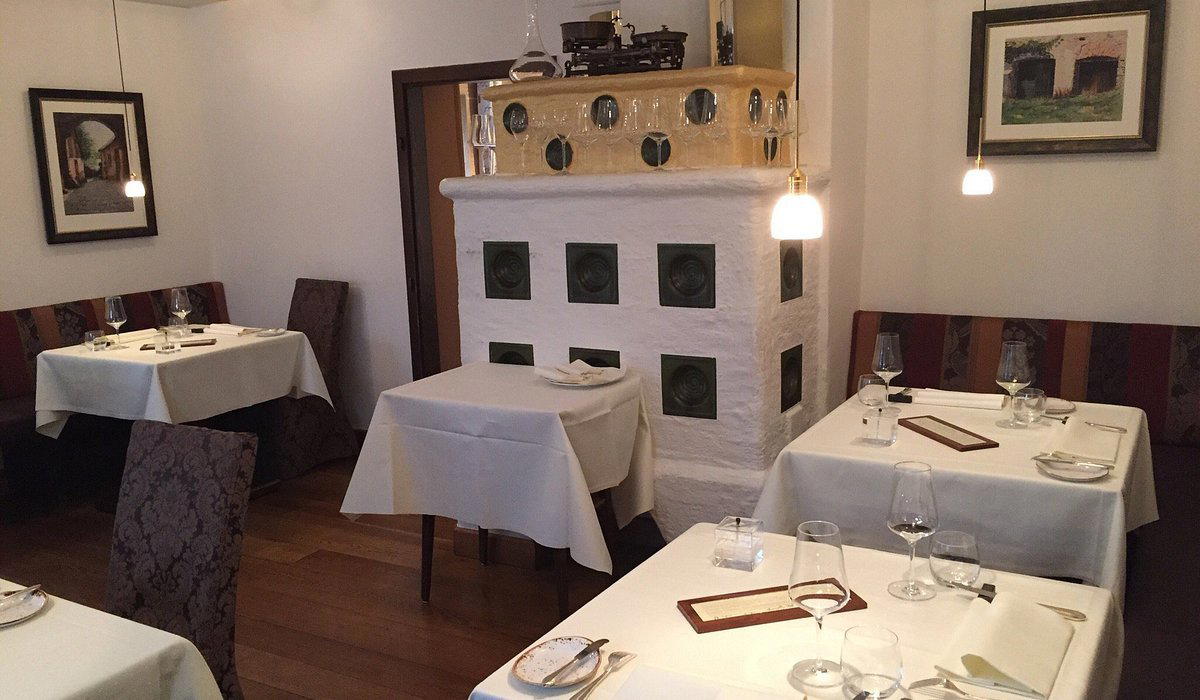
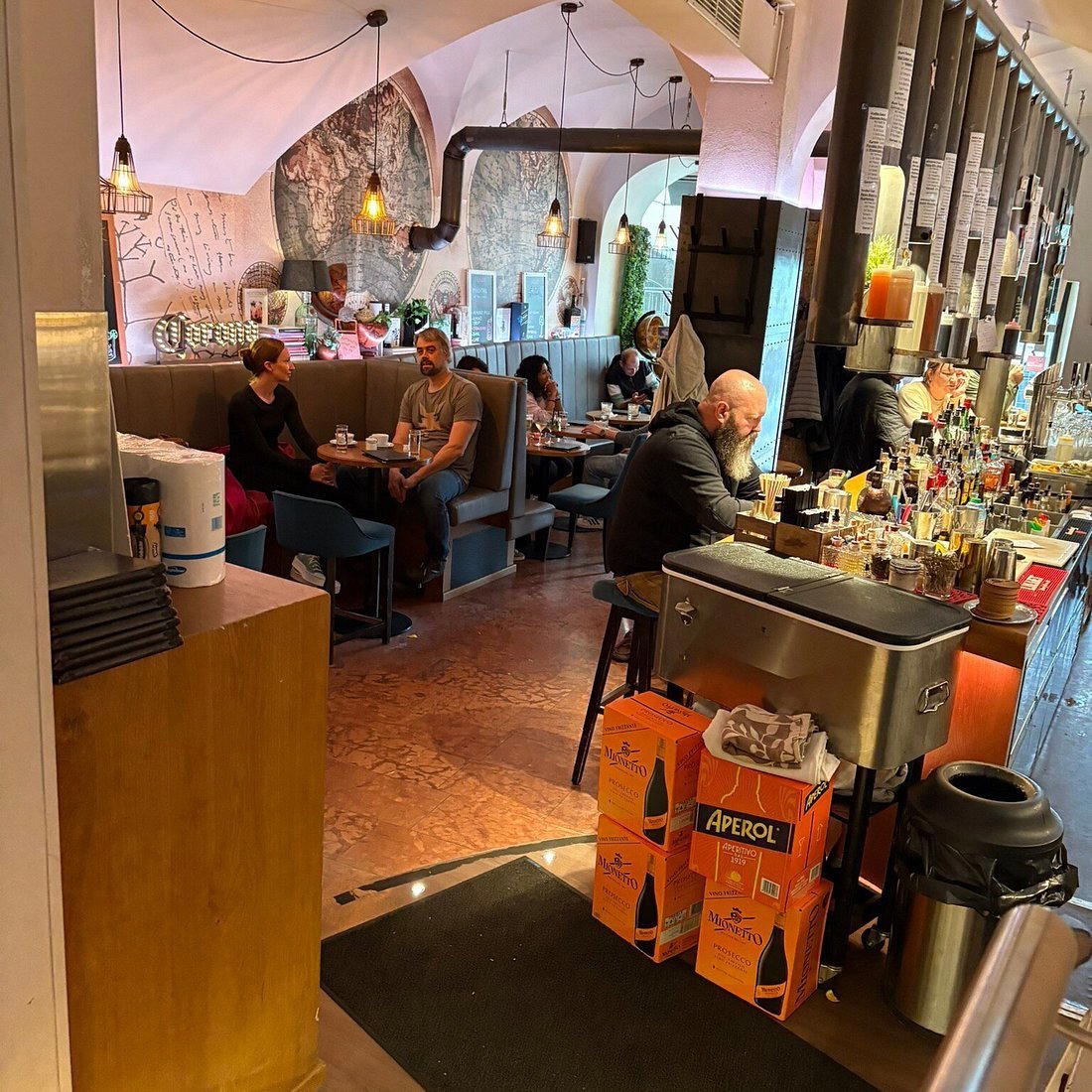
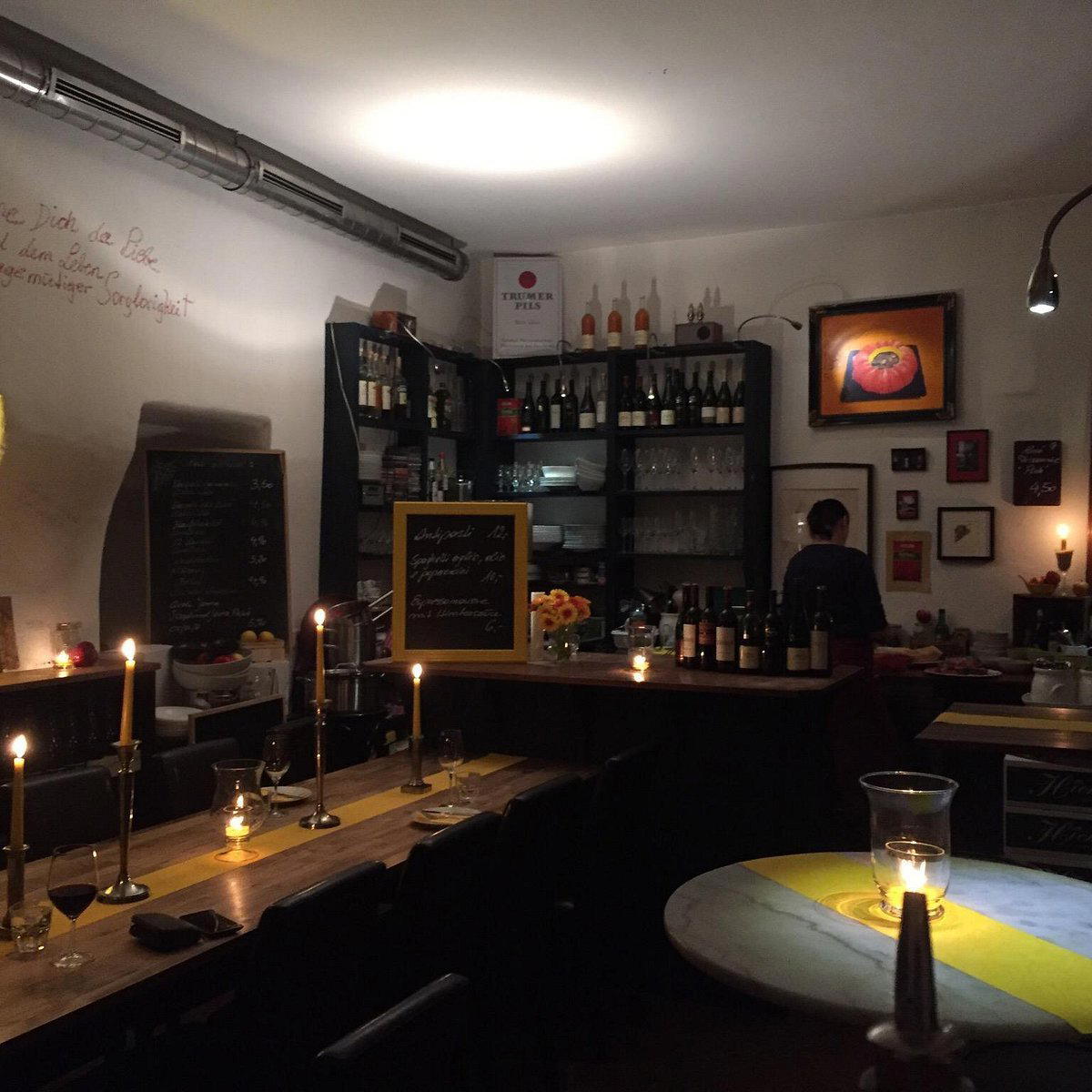
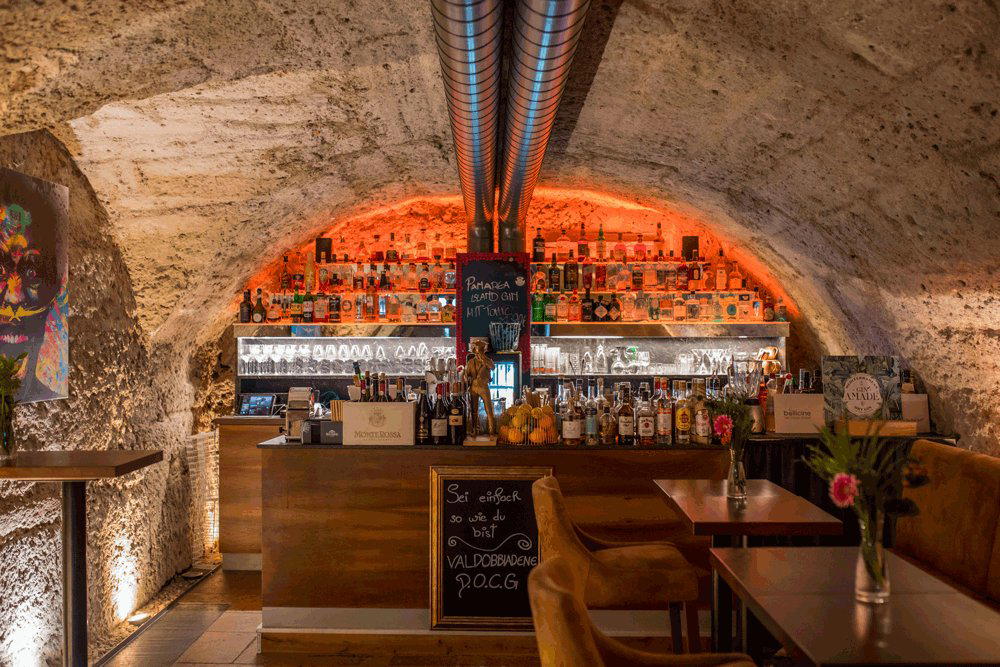
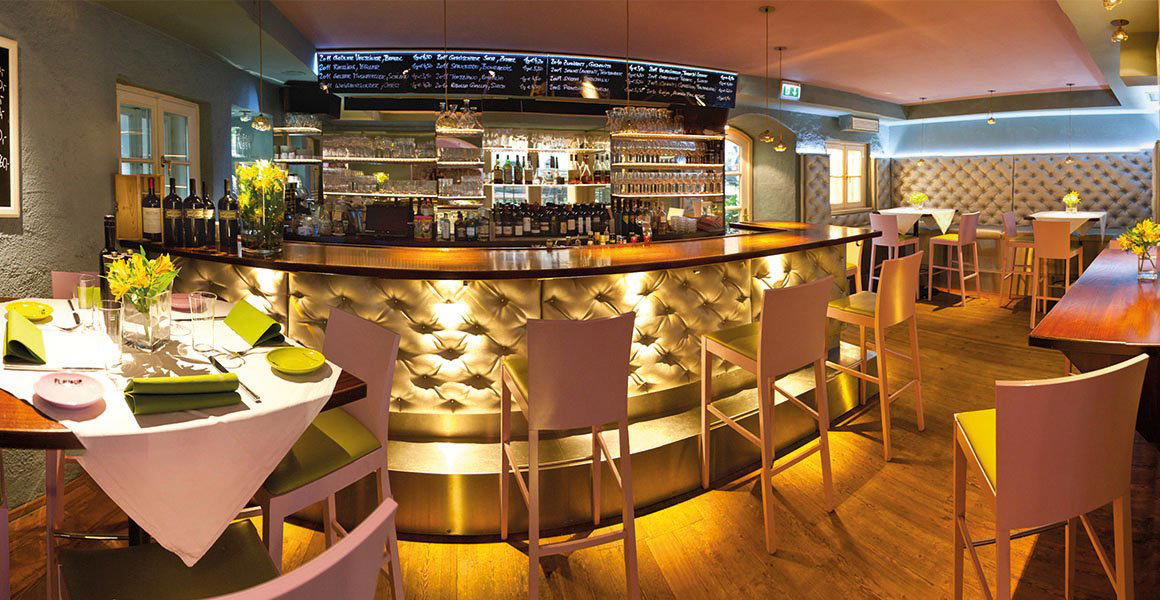
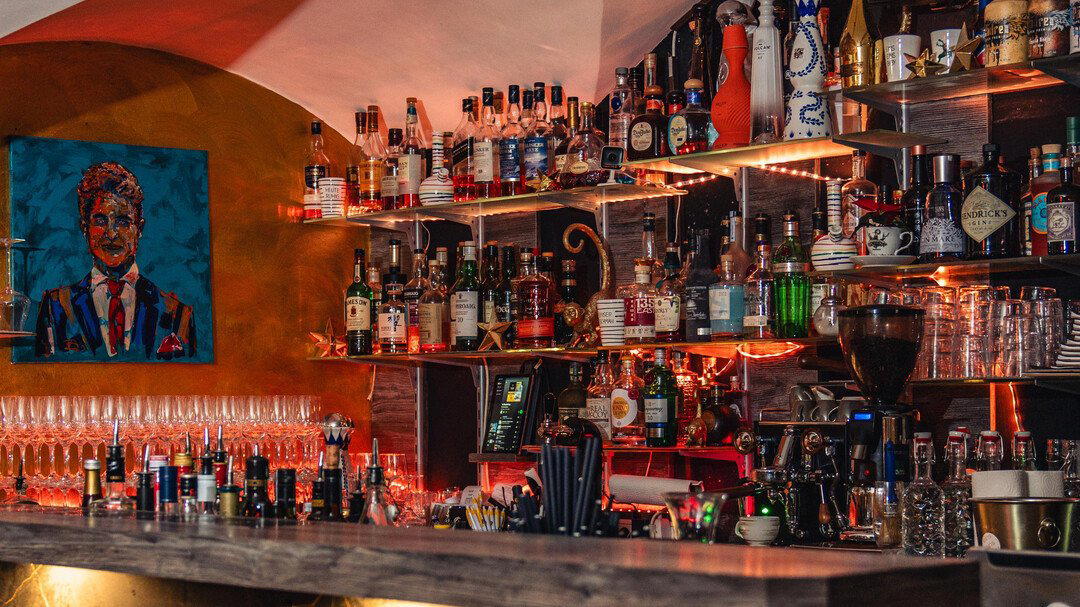
Cozy and gemütlich atmosphere in a small traditional setting with indoor and garden seating.