Parkhotel Tristachersee sits at the edge of its namesake lake in the East Tyrolean Alps, placing it within a regional tradition of alpine hospitality where the surrounding landscape drives what arrives on the plate. The hotel represents the quieter, lake-facing tier of Austrian mountain accommodation, distinct from the busier ski resort circuit further west.
Pearl is the En Primeur Club membership app — saves, bookings, and concierge access live there. Same editors, same standards.
- Address
- Tristacher See 1, 9908 Amlach, Austria
- Phone
- +43485267666
- Website
- parkhotel-tristachersee.at
- Directions
- Get directions
 Saves & bookings on Pearl
Where the Lake Defines the Kitchen
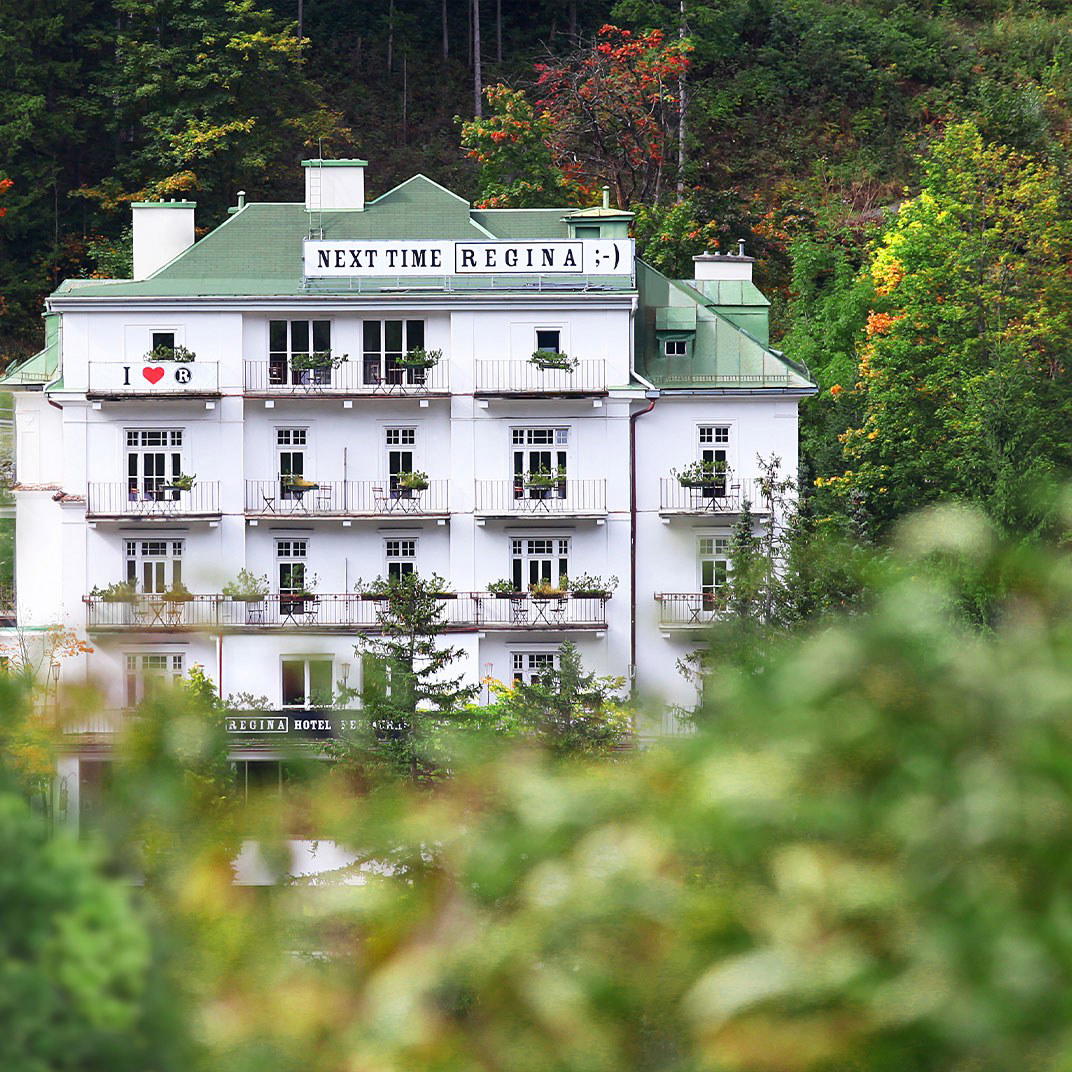
East Tyrol occupies an unusual position in Austrian tourism. Separated from North Tyrol by the Hohe Tauern range and without a major ski motorway cutting through it, the region draws a different traveller than Ischgl or St. Anton, one less interested in après-ski infrastructure and more attentive to the quality of the surrounding terrain. Tristach, a small village above Lienz, sits at the southern edge of this dynamic. Parkhotel Tristachersee is positioned directly at the Tristacher See, a glacially formed lake that shapes the hotel's orientation in a literal sense: the water is not a backdrop, it is the address.
This matters for how alpine hotels in this tier approach food and hospitality. Properties built around specific natural features, a lake, a forest edge, a thermal spring, tend to develop procurement relationships that reflect that geography. In the broader Austrian alpine tradition, seen in varying forms at Döllerer in Golling an der Salzach or Kräuterreich by Vitus Winkler in Sankt Veit im Pongau, particularly compelling kitchens are ones where proximity to a specific ecosystem creates a sourcing logic that cannot be replicated elsewhere. East Tyrol's relative isolation, fewer tourist volumes, slower commercial development, preserves farming and foraging networks that more densely visited regions have largely lost.
The Alpine Sourcing Tradition in East Tyrol
Austrian alpine cuisine has undergone a significant shift over the past two decades. The Heugabel-and-Schnitzel era of mountain hotel dining has given way, in serious properties, to kitchens that treat local producers as a competitive asset rather than a marketing footnote. This movement is most visible in celebrated addresses like Steirereck im Stadtpark in Vienna or Obauer in Werfen, where sourcing specificity is built into the identity of the kitchen. The same instinct operates at a more regional scale in East Tyrol, where small farms at altitude, mountain dairies producing raw-milk cheeses, and foragers working the Hohe Tauern foothills supply a local hospitality economy that has little incentive to import when the valley floor delivers.
Tristacher See itself adds a dimension that few Austrian alpine properties can claim: freshwater fish sourced from the lake within walking distance of the kitchen. Lake fish, perch, char, trout, occupy a specific register in Austrian culinary tradition, distinct from both river fish and the seafood-forward programs of urban restaurants. The cooking of freshwater fish requires restraint and timing in a way that quickly separates careful kitchens from complacent ones. For context on how seriously Austria's leading kitchens treat this kind of precision, the work at Landhaus Bacher in Mautern an der Donau, one of the country's most respected Danube-proximate tables, illustrates how proximity to water shapes a kitchen's identity over time.
Placing Tristachersee in the Austrian Alpine Hotel Conversation
Austrian mountain hospitality has split into recognisable tiers. At the leading end sit properties with formal gourmet programs and international recognition, such as Griggeler Stuba in Lech or Stüva in Ischgl, which operate in high-traffic ski environments and price accordingly. Below that, a mid-tier of family-run alpine hotels competes on authenticity, location specificity, and the quality of a regional table rather than on Michelin credentials or celebrity kitchen programs.
Parkhotel Tristachersee occupies a position that reflects East Tyrol's broader character: it is not competing with the Arlberg circuit. The draw here is the lake, the quiet, and the sourcing logic that comes with both. Travellers arriving via Lienz, the nearest town of any size, roughly three kilometres away, are choosing a different kind of alpine stay than those heading to the busier western Tyrolean resorts. The comparison set is less Gourmetrestaurant Tannenhof in Sankt Anton am Arlberg and more a tradition of Austrian lakeside hotels that define their value through terrain access and table integrity rather than lift passes and spa scale.
For readers who want to map this against other Austrian addresses with strong regional sourcing credentials, Taubenkobel in Schützen am Gebirge and Atelier Fischer in Sankt Gilgen represent similar instincts applied in different regional contexts, wine country and Salzkammergut respectively. The thread connecting them is a kitchen identity built from place rather than imported culinary fashion.
Planning a Stay: What to Know
Tristach is most accessible from Lienz, which is served by rail connections through the Puster Valley and road access from both the Salzburg corridor and the Italian border via the Felbertauern route. Summer is the primary season at the Tristacher See, when the lake is swimmable and the surrounding trails are fully open; the hotel's positioning around the lake rather than ski infrastructure means the winter calculus is different from resort properties further west.
Given that the Tristacher See area operates at lower visitor volumes than the main Tyrolean resort towns, the booking pressure is not comparable to properties in Ischgl or Lech. That said, summer weekends and the August peak attract Austrian and German guests who have known the lake for decades, so advance planning for those windows remains sensible. The hotel's position in a quieter regional circuit also means the food and wine program is likely calibrated for a guest who is staying multiple nights rather than passing through, the rhythm of a lakeside hotel rather than a ski-week stopover. For a sense of how Austria's most adventurous kitchens engage visiting guests with extended programs, Ikarus in Salzburg represents one end of that spectrum, though Tristachersee operates in a notably more intimate register.
Side-by-Side Snapshot
Comparable venues nearby, for context on price, style, and recognition.
| Venue | Cuisine | Price | Notes |
|---|---|---|---|
| Parkhotel TristacherseeThis venue — the venue you are viewing | Traditional Austrian with French and Mediterranean influences | $$$ | Not listed |
| Biohotel Der Daberer | Organic Austrian Slow Food | $$$ | Gailtal |
| Hotel Bismarck | Austrian Gourmet Healthy Cuisine | $$$ | Bad Hofgastein |
| Das Steghaus am Schwarzsee | Modern Austrian with Mediterranean Influences | $$$ | Schwarzsee |
| Dorfstadl | Traditional Austrian | $$$ | Kaprun |
| KOLLER+KOLLER am Waagplatz | Traditional Austrian with International Influences | $$$ | Altstadt |
Continue exploring
More in Tristach
Restaurants in Tristach
Browse all →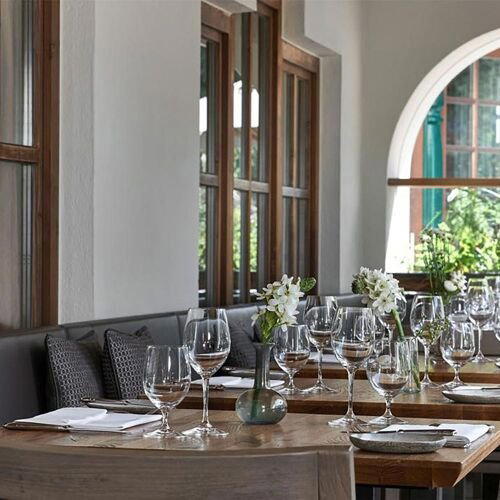
At a Glance
- Romantic
- Quiet
- Cozy
- Elegant
- Scenic
- Date Night
- Special Occasion
- Family
- Hotel Restaurant
- Waterfront
- Terrace
- Local Sourcing
- Waterfront
- Mountain
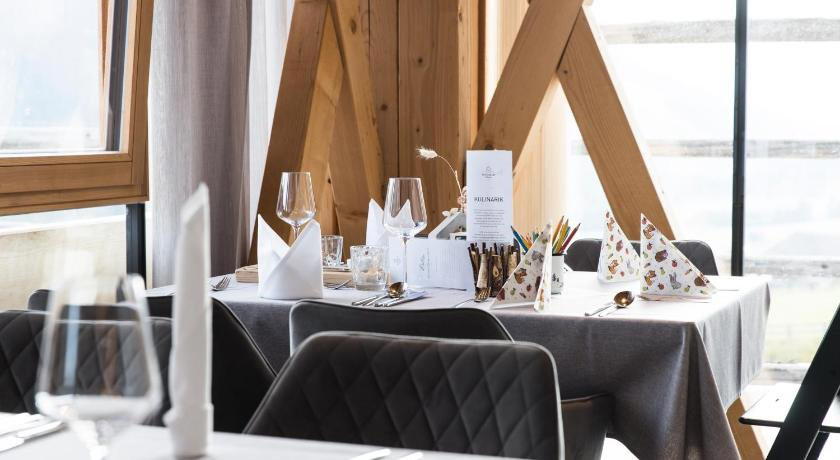
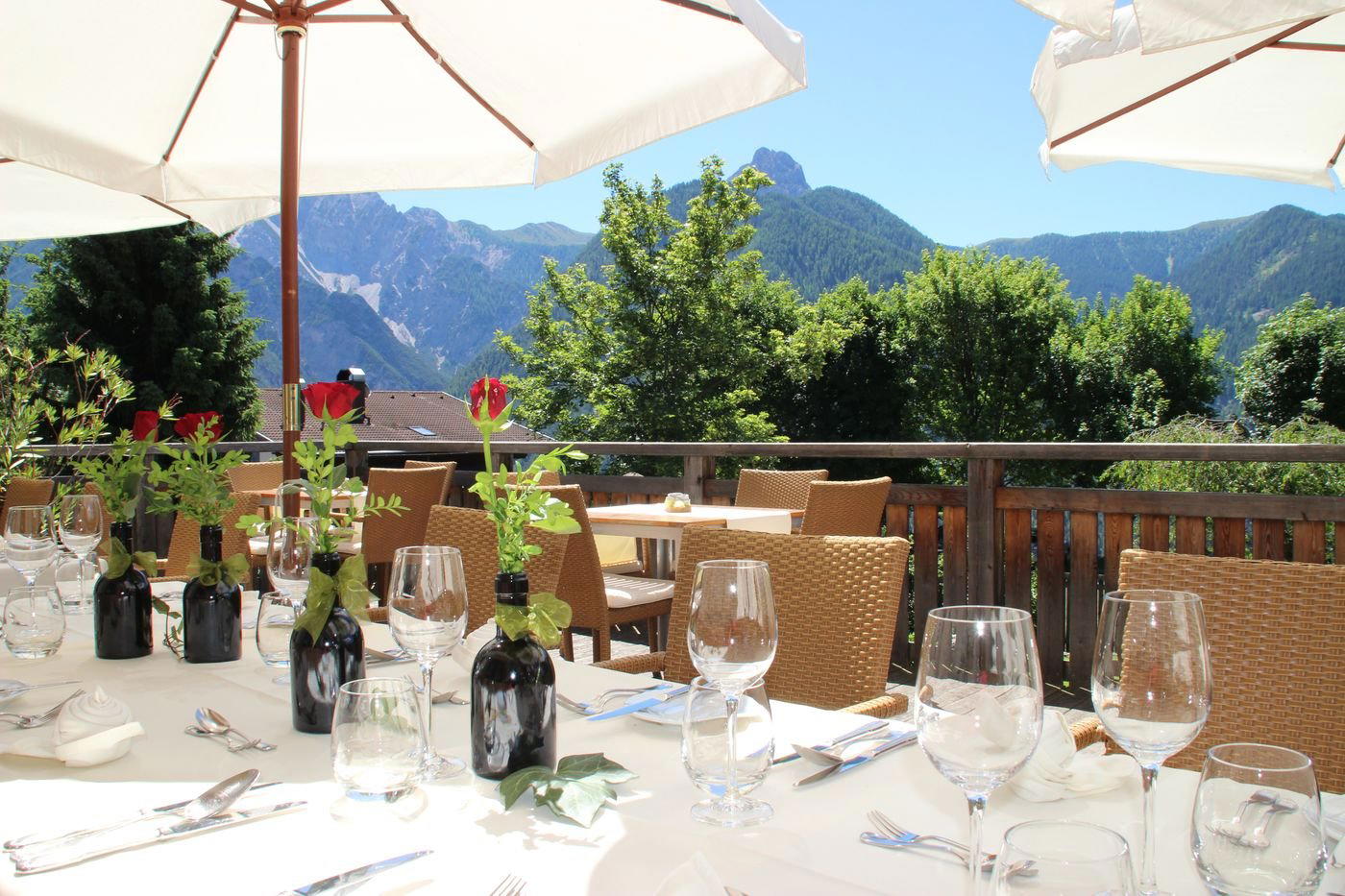
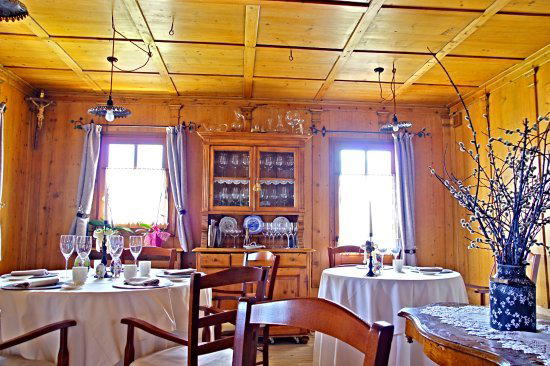
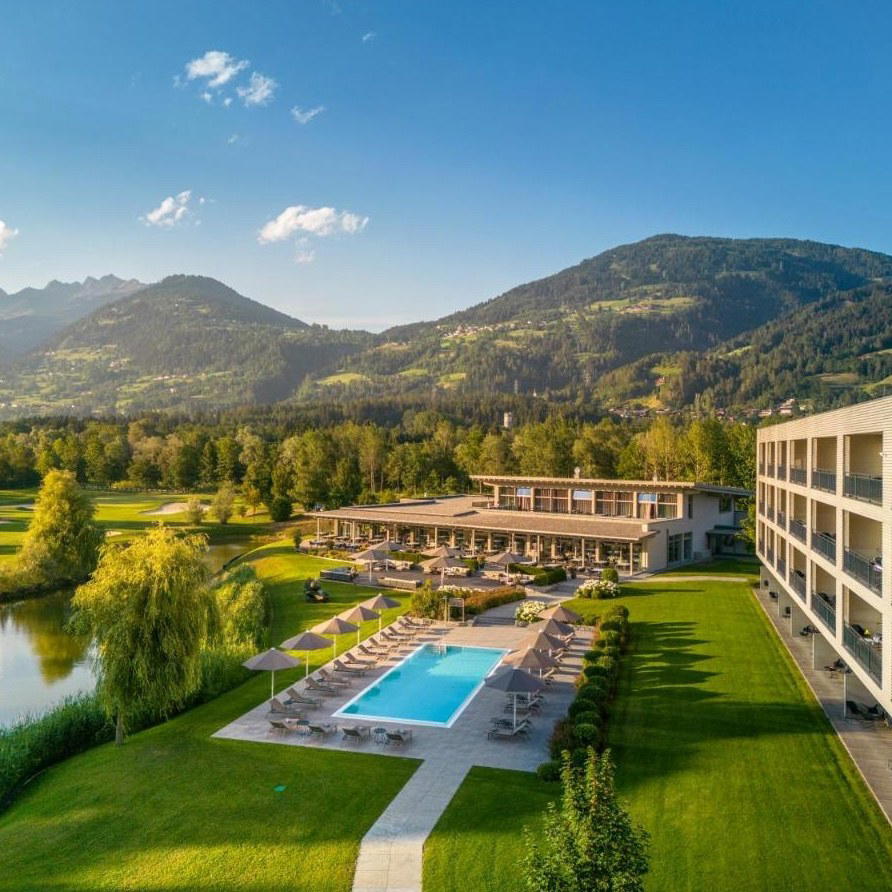
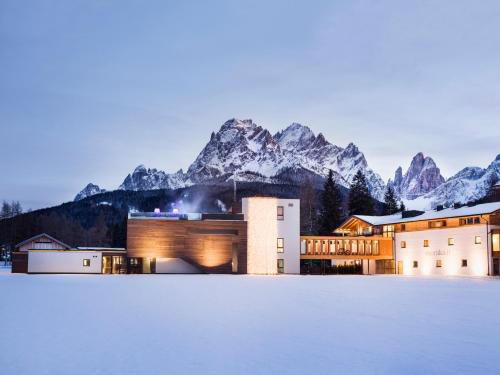
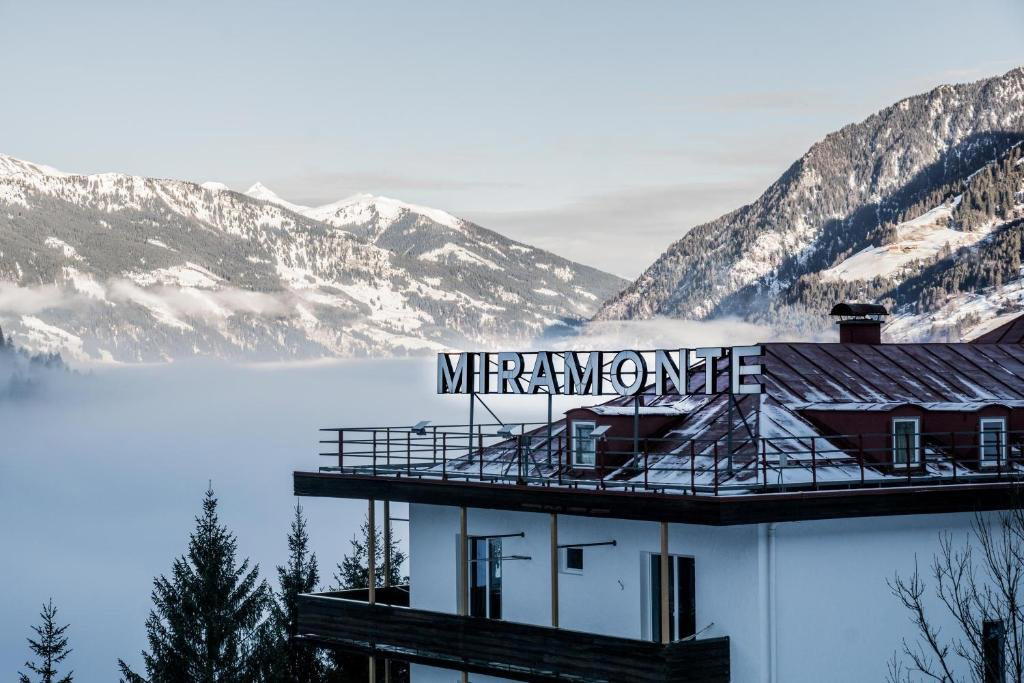
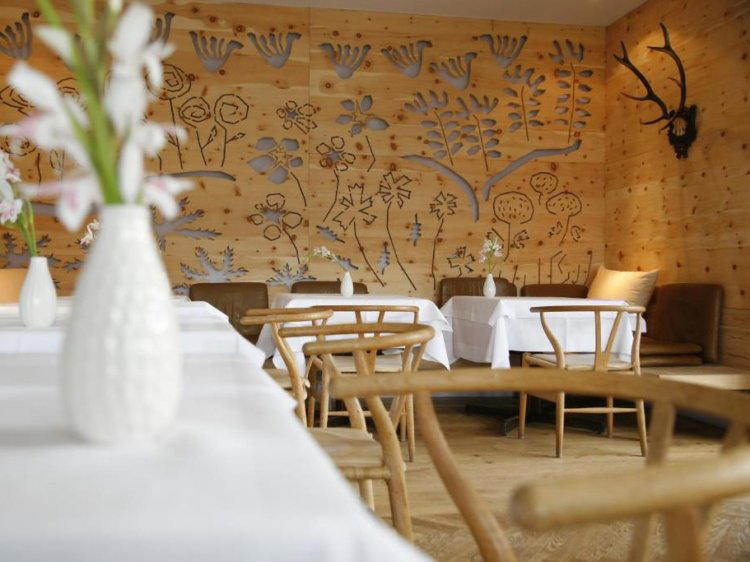
Cozy Tyrolean ambience with romantic and exceptionally quiet atmosphere, enhanced by the beautiful lake and mountain panorama.