
Falstaff Restaurant - 92 Falstaff Points
Our verdict
A traditional Austrian Gasthof on Kronstorf's main street, Gasthof Rahofer occupies the kind of position that village inns across Upper Austria have held for generations: a fixed point in local life where the sourcing is local, the cooking is grounded, and the format is built around community rather than occasion. For travellers moving between Linz and the Enns Valley, it represents a dependable connection to regional Austrian dining at its most everyday.

Pearl is the En Primeur Club membership app, where members save venues, book tables and use the concierge.
Where Upper Austrian Village Dining Stays Rooted
The village Gasthof is one of Austria's most durable dining institutions, and Hauptstraße 56 in Kronstorf is precisely the kind of address where that tradition persists without apology. In a country where the line between restaurant, inn, and community hall has always been porous, the Gasthof format carries obligations that fine-dining venues do not: it feeds locals at lunch, hosts Sunday tables for multigenerational families, and draws its identity from the land and farms that surround it rather than from the ambitions of a particular kitchen brigade. Gasthof Rahofer sits in that tradition, in a small Upper Austrian municipality between Linz and Steyr, on a road that predates the motorway bypasses that now redirect most through traffic.
Arriving along Hauptstraße, the setting reads as a working village rather than a destination. That context matters when reading a place like this: the Gasthof model was never designed to be discovered, but to endure. Upper Austria's agricultural belt, running through the Enns and Krems valleys, has supplied these establishments with pork, dairy, root vegetables, and freshwater fish for centuries, and that supply chain still defines what ends up on the plate in kitchens like this one more than any seasonal menu update ever could.
The Ingredient Logic of the Upper Austrian Kitchen
Austrian regional cooking at the village level is shaped almost entirely by proximity. The farms of Upper Austria produce some of the country's most consistent pork, a consequence of the region's deep tradition of small-scale animal husbandry. Beef from Mühlviertel cattle, dairy from the foothills south of the Danube, and river fish from the Enns have historically defined the cooking of this corridor. A Gasthof in Kronstorf draws from this geography not as a marketing choice but as a structural one: local sourcing is the path of least resistance when the supply is this close.
This stands in contrast to Austria's destination restaurants, which have built sourcing into a deliberate programme. At Steirereck im Stadtpark in Vienna, or at Döllerer in Golling an der Salzach, provenance is narrated on the menu, each supplier named and contextualised as part of the dining experience itself. The village Gasthof achieves the same geographic rootedness without the annotation, because the regulars already know where the pigs were raised. The intelligence is baked into the community rather than printed on the card.
For travellers who have spent time at Landhaus Bacher in Mautern an der Donau or Obauer in Werfen, where classic Austrian cuisine is treated with the precision and investment of a destination property, Gasthof Rahofer represents the underlying tradition from which those kitchens draw their reference points. Schnitzel, Tafelspitz, liver dumpling soup, roast pork with caraway and crackling: these dishes predate the modern Austrian restaurant movement and continue to appear in village kitchens because they work, and because the regional ingredients that define them have not changed.
Kronstorf in the Context of Austrian Rural Dining
Kronstorf is a municipality of fewer than three thousand residents, positioned in the Linz-Land district at the northern edge of the Enns Valley. It lacks the tourism infrastructure of the Salzkammergut or the Wachau, which means the dining options here are calibrated for local need rather than visitor expectation. This is a useful distinction. In towns with established tourism economies, even the most modest restaurant adjusts its offer to accommodate the visitor gaze. In Kronstorf, the adjustment runs the other way: the visitor is accommodated into a local rhythm, not the reverse.
The broader Austrian dining scene has moved considerably in two directions simultaneously: upward, toward internationally recognised kitchens like Ikarus in Salzburg or Taubenkobel in Schützen am Gebirge, and outward, toward ingredient-led regional formats at places such as Ois in Neufelden or Atelier Fischer in Sankt Gilgen. The village Gasthof sits beneath both of these movements, operating in a register that rarely generates editorial coverage but accounts for the majority of actual dining in the Austrian countryside. For the full picture of Austrian cooking from mountain-resort dining rooms like Gourmetrestaurant Tannenhof in Sankt Anton am Arlberg or Griggeler Stuba in Lech down to everyday rural tables, a Gasthof like Rahofer provides a necessary reference point. See our full Kronstorf restaurants guide for further context on dining in the area.
Who Eats Here and When
The operational logic of the Austrian Gasthof has not shifted significantly across generations. Weekday lunches draw working locals, tradespeople, and agricultural workers for set menus built around the season's produce and the kitchen's rhythm. Weekend service extends to longer family meals, often anchored by a roast or a slow-braised centrepiece that requires the kind of oven time that weekday cooking rarely permits. In Upper Austria, Sunday lunch at the village inn is a social institution as much as a meal.
Visitors travelling the corridor between Linz and Steyr, or those moving south toward the Styrian border and the kind of kitchen represented by Thaller - Gasthaus in Sankt Veit am Vogau, will find Gasthof Rahofer a practical midpoint. The address at Hauptstraße 56 is accessible by car along the B122, with Kronstorf reachable within roughly twenty minutes from central Linz. There is no website or phone number in the public record at the time of writing, which means confirming current hours before a detour is advisable, particularly outside standard Austrian lunch service windows of roughly midday to two in the afternoon.
How It Places in the Austrian Gasthaus Tier
Austria's restaurant awards and critical attention cluster around the top tier: the Michelin-recognised kitchens, the Gault Millau-rated destination tables, and the growing number of chef-driven regional projects like Kräuterreich by Vitus Winkler in Sankt Veit im Pongau or Restaurant 141 by Joachim Jaud in Mieming. The absence of critical recognition is not evidence of absence of quality; it is, more accurately, evidence of a different intended audience. For travellers comfortable in contexts where the dining room serves the neighbourhood first, this tier of Austrian hospitality is worth seeking on its own terms.
For those accustomed to researching their tables through awards and critic coverage, comparable points of reference at the formal end of Austrian cooking include Stüva in Ischgl or, at the international end of the spectrum, Le Bernardin in New York City and Lazy Bear in San Francisco, venues where provenance is an explicitly constructed narrative. At a place like Gasthof Rahofer, the provenance is simply the ground beneath the building.
Frequently asked questions
Would Gasthof Rahofer be comfortable with kids?
The Austrian Gasthof format is structurally family-oriented. Kronstorf is a working village municipality, and Gasthöfe at this level typically serve multi-generational tables as a matter of course. A weekday lunch or Sunday midday visit at Hauptstraße 56 fits that pattern well.
What kind of setting is Gasthof Rahofer?
Gasthof Rahofer occupies a village address on Hauptstraße 56 in Kronstorf, a municipality of under three thousand residents in the Linz-Land district. The Gasthof format in Upper Austria means a dining room built around local regulars, working lunches, and community meals rather than destination theatre.
How does Gasthof Rahofer compare to destination restaurants near Linz?
Gasthof Rahofer in Kronstorf operates at a different register from the Michelin-tracked or Gault Millau-rated kitchens that draw visitors into the greater Linz area. It serves the Linz-Land district as a working village Gasthof, prioritising local regulars over touring diners, which places it in a category that critical awards rarely assess but that anchors daily life in Upper Austrian municipalities.
What do people recommend at Gasthof Rahofer?
In the Upper Austrian Gasthof tradition, the kitchen typically centres on proximity-driven ingredients: pork, freshwater fish, root vegetables, and dairy from the surrounding farms of the Enns Valley region.
What's the address for Gasthof Rahofer?
Gasthof Rahofer is located at Hauptstraße 56, 4484 Kronstorf, Austria, Kronstorf.
Is Gasthof Rahofer reservation-only?
Austrian village Gasthöfe at this scale generally accommodate walk-ins for weekday lunch while larger group bookings or Sunday meals tend to benefit from advance contact. Reaching out directly via the venue address at Hauptstraße 56, Kronstorf is the reliable approach.
What's the defining dish or idea at Gasthof Rahofer?
The defining idea at a Kronstorf Gasthof like Rahofer is proximity-driven cooking shaped entirely by the Upper Austrian agricultural calendar rather than any single signature dish. The Enns Valley's farms supply what appears on the plate, and the menu shifts accordingly across the seasons.
Quick Comparison
| Venue | Cuisine | Price | Awards | Notes |
|---|---|---|---|---|
| Gasthof RahoferThis venue (the venue you are viewing) | Traditional Austrian Gasthof | Not listed | Falstaff Restaurant - 92 Falstaff Points | Not listed |
| Steirereck im Stadtpark | Modern Austrian Fine Dining | $200–300 | 3 Michelin Stars · World's 50 Best #33 | Creative |
| Döllerer | Modern Alpine Cuisine | $100–150 | 2 Michelin Stars · La Liste Top Restaurants | Contemporary Austrian, Innovative |
| Landhaus Bacher | Classic Austrian Fine Dining | $100–150 | 2 Michelin Stars · La Liste Top Restaurants | Austrian, Classic Cuisine |
| Obauer | Modern Austrian Fine Dining | $50–100 | 2 Michelin Stars · La Liste Top Restaurants | Classic Cuisine |
| Taubenkobel | Regional Austrian Fine Dining | Not listed | 2 Michelin Stars · La Liste Top Restaurants | Modern Austrian, French Contemporary |
Recognition history
Dated appearances from independent guides and award organizations, with the underlying list record or original source where available.
Falstaff Restaurant - 92 Falstaff Points
Falstaff
Continue exploring
More in Kronstorf
Restaurants in Kronstorf
All restaurants in Kronstorf →

Bars in Kronstorf
Browse all →
Hotels in Kronstorf
Browse all →

Details
- Classic
- Cozy
- Elegant
- Rustic
- Celebration
- Group Dining
- Family
- Special Occasion
- Private Event
- Historic Building
- Courtyard
- Hotel Restaurant
- Standalone
- Local Sourcing
- A La Carte
- Vegetarian Friendly
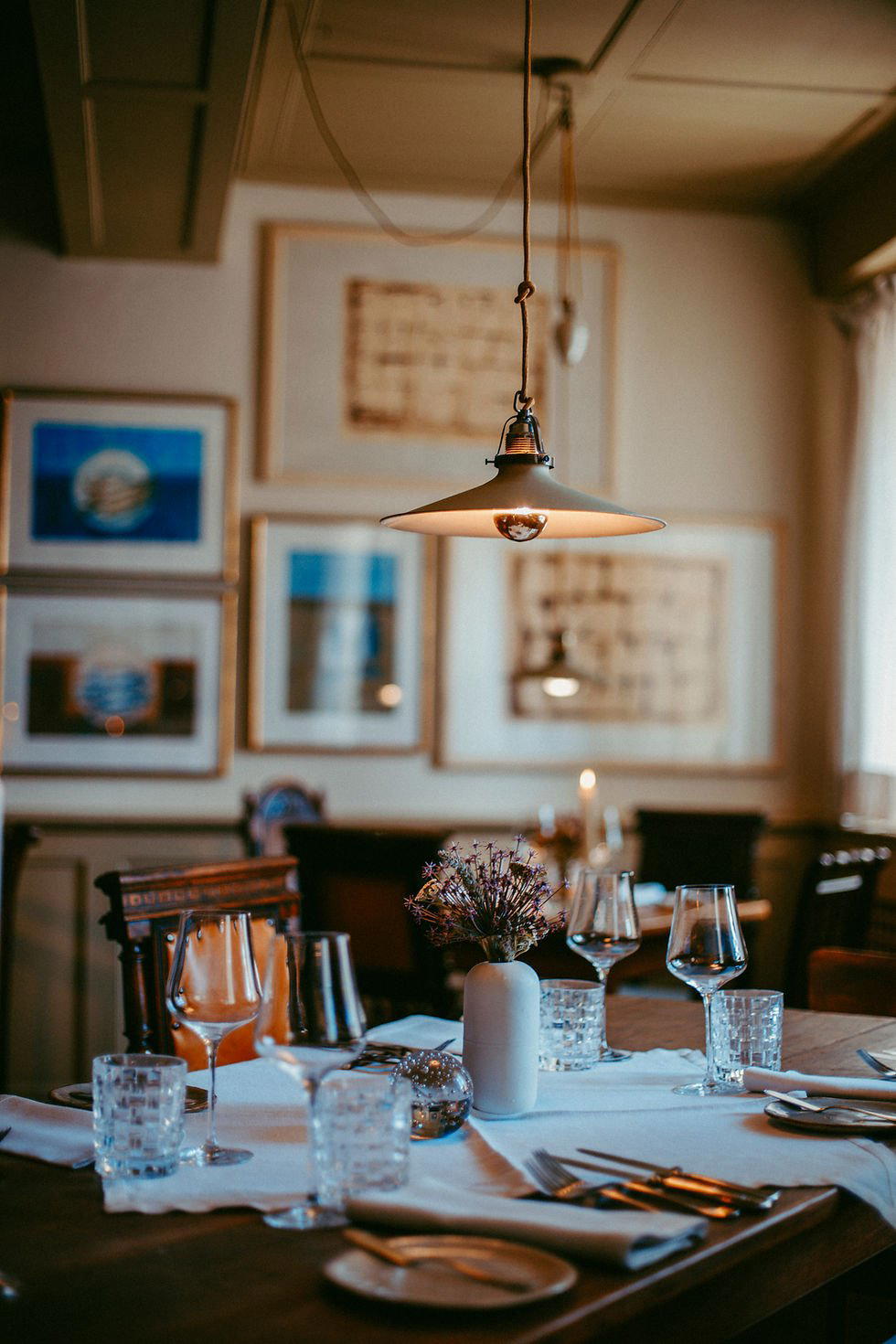
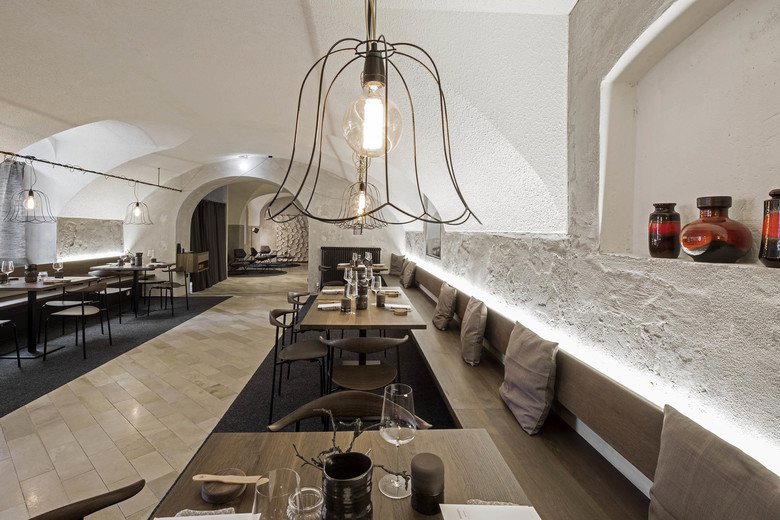
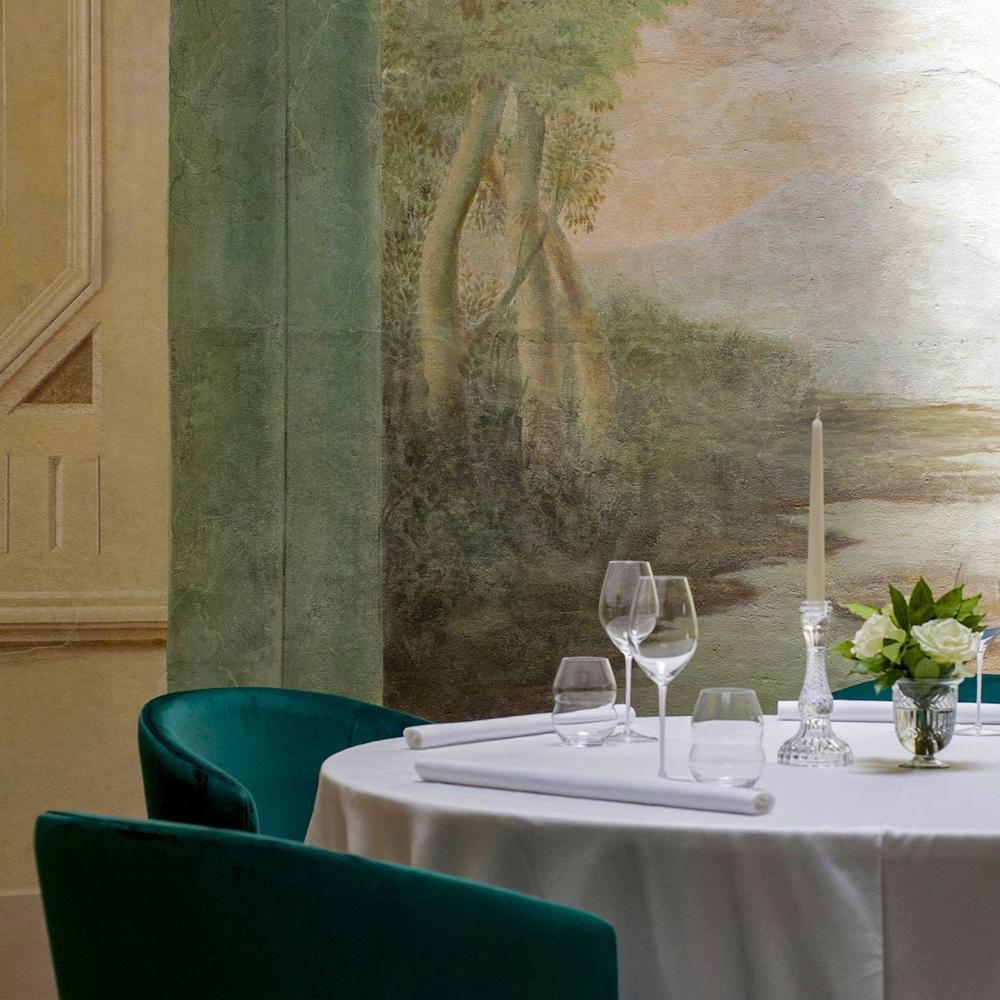
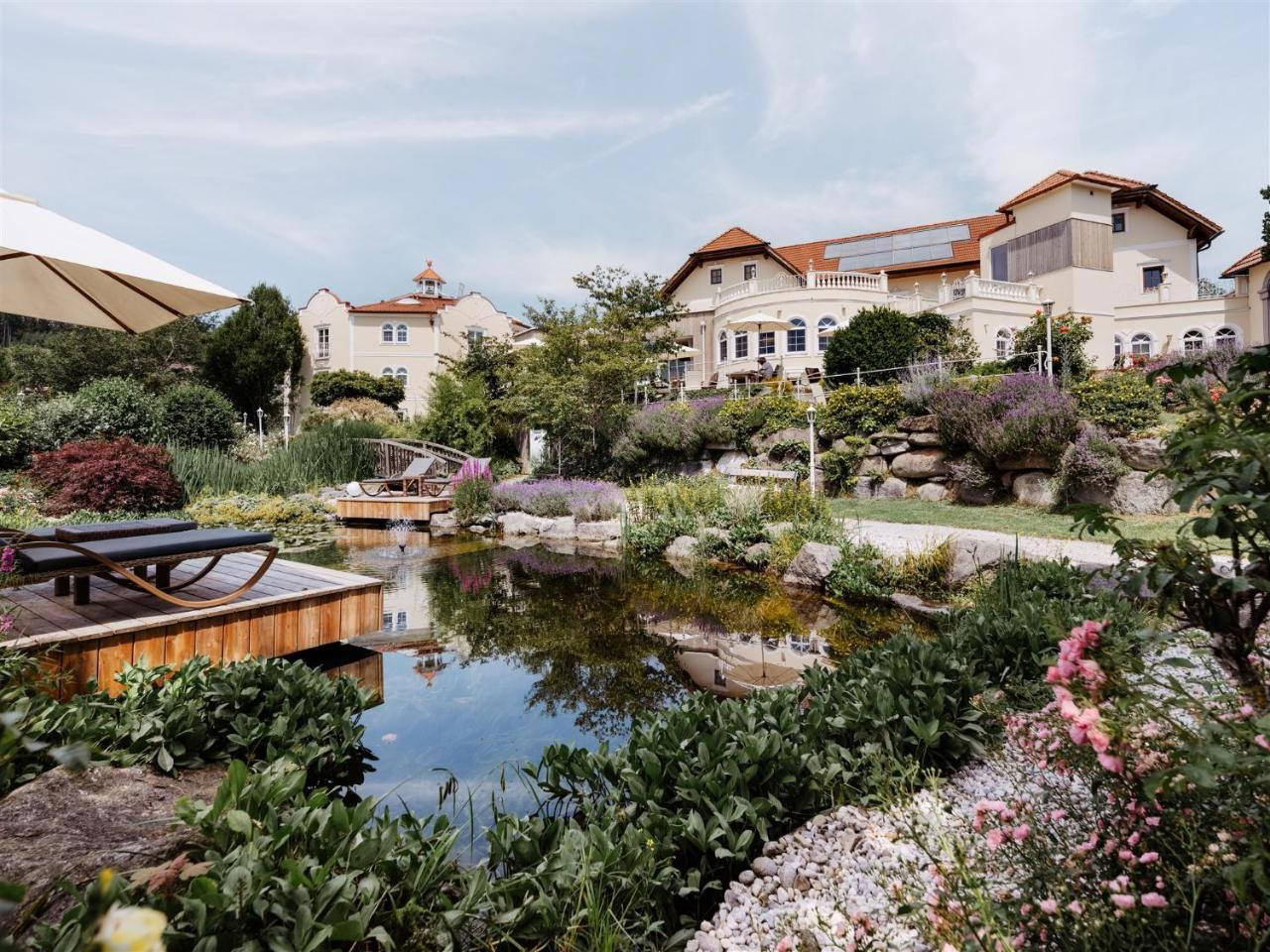
Warm, familial and traditional, with old masonry, a cozy dining-room feel and an elegant but unpretentious atmosphere suited to lingering meals and celebrations.