Sawa


Michelin Plate · Grub Street Best Food of 2026 (So Far)
Our verdict
A sibling-owned Middle Eastern restaurant on Fifth Avenue in Brooklyn, Sawa draws lines before the doors open each evening. The menu spans labneh, wagyu beef cheek hummus, kibbeh nayeh, and grilled Australian lamb chop with urfa biber, with Persian-inflected technique threading through dishes that read as Lebanese in outline but taste more layered in practice. At $$ pricing, it occupies a mid-tier bracket that Brooklyn's growing Arab-American dining scene has made increasingly competitive.

Pearl is the En Primeur Club membership app, where members save venues, book tables and use the concierge.
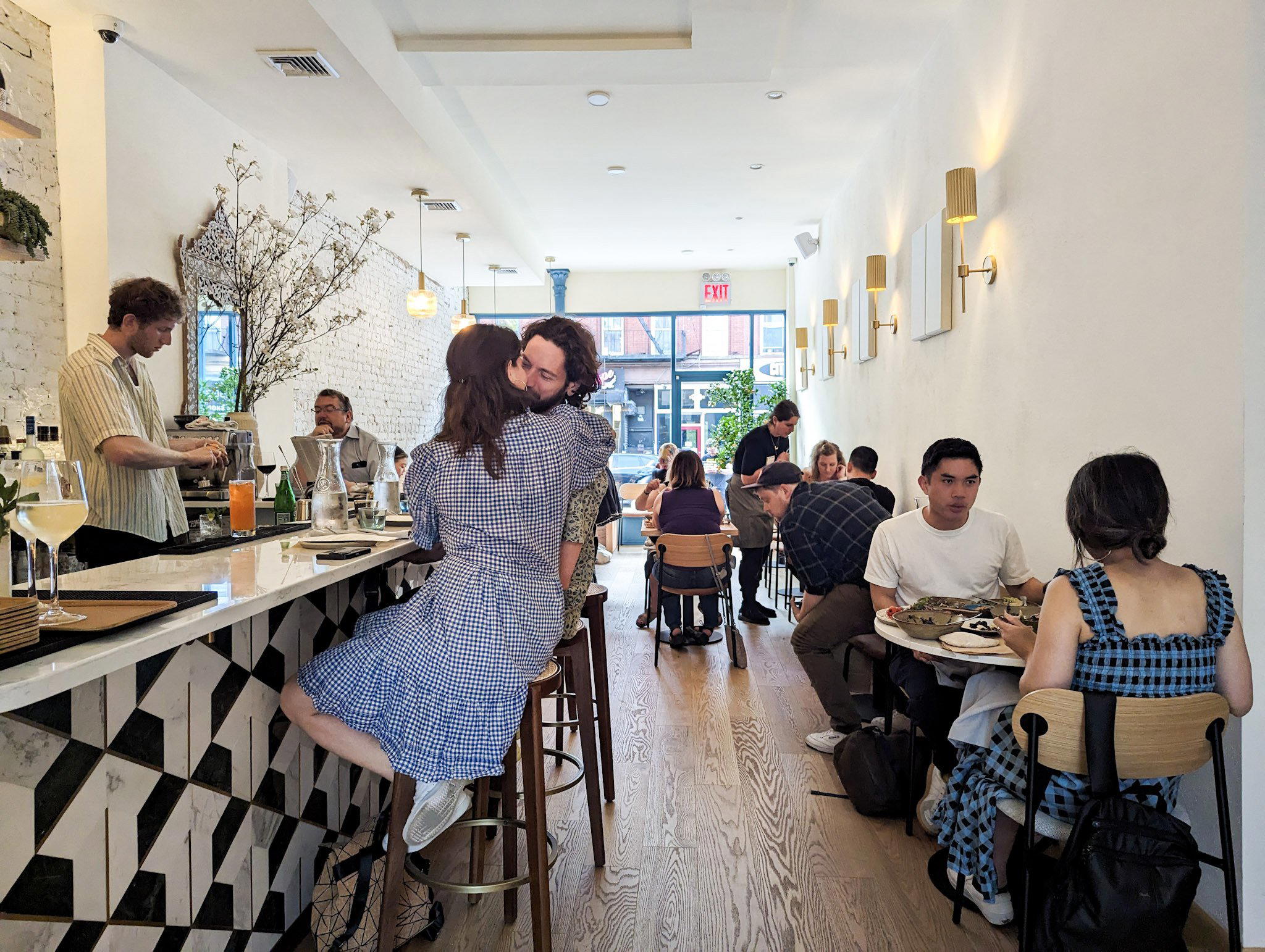
Brooklyn's Middle Eastern Dining Moment, and Where Sawa Fits
The Arab-American restaurant scene in New York City spent decades concentrated in specific enclaves, Bay Ridge chief among them. What has shifted in the past several years is geography: Middle Eastern cooking has spread across Brooklyn and Manhattan in formats that range from fast-casual falafel counters to sit-down mezze operations with serious wine lists. Sawa, at 75 Fifth Avenue in the Park Slope and Boerum Hill corridor, belongs to the sit-down category, but it positions itself at the accessible end of that tier. The $$ price point and the lines that form before opening time each evening suggest demand that outpaces supply, which is the situation most operators in this category would prefer.
The restaurant opened as the first collaboration between siblings Samaya Boueri Ziade and George Boueri. The name translates from Arabic as "together," a detail that frames the project as a family endeavor rather than a lone-founder story. That kind of sibling partnership is a recurring feature of Lebanese and Levantine restaurant culture, where family units remain the dominant operational model even as the food itself grows more technically ambitious. Sawa fits that pattern.
The Persian Table at a Levantine Address
Editorial angle here requires some explanation. Sawa's menu reads Levantine in its structure: hummus, labneh, tabbouleh, kibbeh nayeh, filo-wrapped cheese. These are dishes with roots in Lebanon, Palestine, and Syria. But the kitchen operates under Chef Soroosh Golbabae, a name that signals Iranian culinary training. That intersection matters more than it might initially appear. Persian cooking brings a different set of instincts to shared ingredients: a tendency toward slow-braised proteins, layered fat and acid balance, and an approach to spice that favors depth over heat. Urfa biber, the dried Turkish chili used on the lamb chop, sits at a similar register: smoky, low-heat, and complex rather than aggressive. The result is a menu that presents as Levantine but carries Persian-inflected technique in the background.
This kind of cross-influence is less unusual than menus suggest. Middle Eastern cooking as practiced in New York rarely maps cleanly onto a single national tradition. The cuisines of Lebanon, Iran, Turkey, and the Gulf share enough ingredients that a trained cook from any of those traditions can move through a Levantine menu and add something without disrupting the overall register. What changes is emphasis: fat management, braising time, spice sequencing. Sawa's wagyu beef cheek hummus illustrates this. Beef cheek is a long-braise cut that requires patience and attention to collagen breakdown. Placing it on hummus, a dish that usually takes a cold topping of ground meat or chickpeas, introduces a richness and structural contrast that reads as deliberate technique rather than novelty.
For comparison, Levantine restaurants in cities like Dubai and Doha have been exploring similar cross-influence for years. Bait Maryam in Dubai and Baron in Doha both operate in contexts where the overlap between Gulf, Levantine, and Persian cooking is taken as given rather than as a marketing angle. Sawa's Brooklyn address makes that framing less expected, which is part of what gives the menu its coherence.
How to Read the Menu
The menu at Sawa runs long, which is a feature of the Levantine format rather than a flaw. Mezze-based eating is designed for shared tables and multiple rounds, and a menu with too few options defeats the structure entirely. The sequence here follows a recognizable progression: dips and spreads first, then mezze, then grilled mains, then dessert.
The labneh and the wagyu beef cheek hummus anchor the opening round. Both are versions of dishes that appear across the genre, but the beef cheek preparation distinguishes Sawa from the direct hummus-with-pine-nuts format common at comparable addresses. The mezze round includes tabbouleh, fried meat pies, and kibbeh nayeh, the last of which is raw minced lamb with bulgur and spices. Kibbeh nayeh is a test dish in the sense that it requires fresh, properly handled lamb and confident kitchen timing. Its presence on the menu signals an intention to work the full Levantine register rather than staying within the safer perimeter of cooked preparations.
Rakkakat, akkawi and halloumi wrapped in filo and fried, is the dish most specific to Sawa's menu positioning. Akkawi is a brined, mild cheese that softens well under heat; halloumi provides the structural squeak. The filo casing adds crunch and a faintly sweet pastry note. It is the kind of dish that photographs well and arrives fast, which partly explains its role as a menu anchor.
Grilled Australian lamb chop with garlic labneh and urfa biber is the primary protein in the mains section. Australian lamb runs leaner and slightly gamier than domestic American lamb, and the urfa biber coating manages that by adding a smoky, fat-soluble spice layer that works with rather than against the meat's natural character. The garlic labneh provides acid and cooling contrast. This is the dish most directly traceable to Persian grilling instincts, where the relationship between spice, char, and fat is treated as a precision exercise.
Dessert ends with pistachio mafroukeh, a Lebanese sweet made from semolina, cream, and pistachio, served warm. It is a direct reference to the Levant rather than to the Persian tradition, which would more typically close with saffron rice pudding or rosewater ice cream. The mafroukeh signals that Sawa's primary identity remains Levantine even as its kitchen technique pulls from elsewhere.
Where Sawa Sits in New York's Middle Eastern Tier
New York has a spread of Middle Eastern addresses across formats and price points. Ayat in Bay Ridge operates in a similarly accessible price tier with a Palestinian-Jordanian focus. Al Badawi covers the Levantine mezze format from a different neighborhood perspective. Kubeh specializes around a single dish category rather than a full mezze spread. Mamoun's operates at the fast-casual end of the spectrum. Sawa's positioning is specifically the full-service, high-volume sit-down format that prioritizes breadth of menu and convivial atmosphere over tasting-menu formality or single-dish specialization.
The lines at opening time are a practical signal worth noting. Sawa operates without a reservation system structured to absorb high demand, which means early arrival is the primary strategy for avoiding a wait. The trade-off is that the experience skews communal and energetic rather than controlled and quiet, which is consistent with the mezze format's social logic.
For contrast, the upper end of New York dining, where Alinea in Chicago, The French Laundry in Napa, and New York's own formal tasting-menu circuit operate, works from entirely different premises around pacing, spacing, and silence. Sawa is not in that conversation, nor is it trying to be. It belongs to a different tradition of hospitality, one where the table is loud, the food arrives in waves, and the evening is organized around sharing rather than sequence.
Planning Your Visit
| Venue | Cuisine Focus | Price Tier | Format | Booking |
|---|---|---|---|---|
| Sawa (Brooklyn) | Levantine / Middle Eastern | $$ | Full-service mezze | Walk-in, arrive early |
| Ayat (Bay Ridge) | Palestinian-Jordanian | $$ | Full-service mezze | Walk-in / limited reservations |
| Al Badawi (NYC) | Levantine | $$ | Full-service | Reservations available |
| Kubeh (NYC) | Middle Eastern / Kubeh specialist | $$ | Casual sit-down | Walk-in |
Sawa is at 75 Fifth Avenue, Brooklyn, NY 11217. For the wider New York dining picture, see our full New York City restaurants guide, as well as guides to hotels, bars, wineries, and experiences across the city. For Middle Eastern dining in other markets, Bait Maryam in Dubai and Baron in Doha provide useful reference points for what the cuisine looks like at a higher price tier in Gulf cities where these traditions are native rather than transplanted.
What should I eat at Sawa?
Start with the wagyu beef cheek hummus and the labneh, then move through a mezze round that includes kibbeh nayeh if your table is comfortable with raw preparations, and the rakkakat for a fried cheese course. The grilled Australian lamb chop with garlic labneh and urfa biber is the clearest expression of the kitchen's Persian-inflected grilling technique. End with the pistachio mafroukeh. That sequence covers the range of the menu and the kitchen's range of reference points.
Nearby-ish Comparables
Comparable venues nearby, for context on price, style, and recognition.
| Venue | Cuisine | Price | Awards | Notes |
|---|---|---|---|---|
| SawaThis venue (the venue you are viewing) | Modern Lebanese | Not listed | Michelin Plate · Grub Street Best Food of 2026 (So Far) | Not listed |
| Paulie Gee’s | Neapolitan Pizza | Not listed | Not listed | Greenpoint |
| See No Evil Pizza | Contemporary Pizza | $20–30 | Michelin Plate | Midtown-Times Square |
| Ho Foods | Taiwanese Beef Noodle Soup | $20–30 | Not listed | East Village |
| Reverence | Dining | Not listed | Not listed | New York City |
| Ariari | Busan-inspired Korean seafood | $30–50 | Michelin Plate | East Village |
Recognition history
Dated appearances from independent guides and award organizations, with the underlying list record or original source where available.
Michelin Plate
Michelin
Grub Street Best Food of 2026 (So Far)
Grub Street
Continue exploring
More in Brooklyn
Restaurants in Brooklyn
All restaurants in Brooklyn →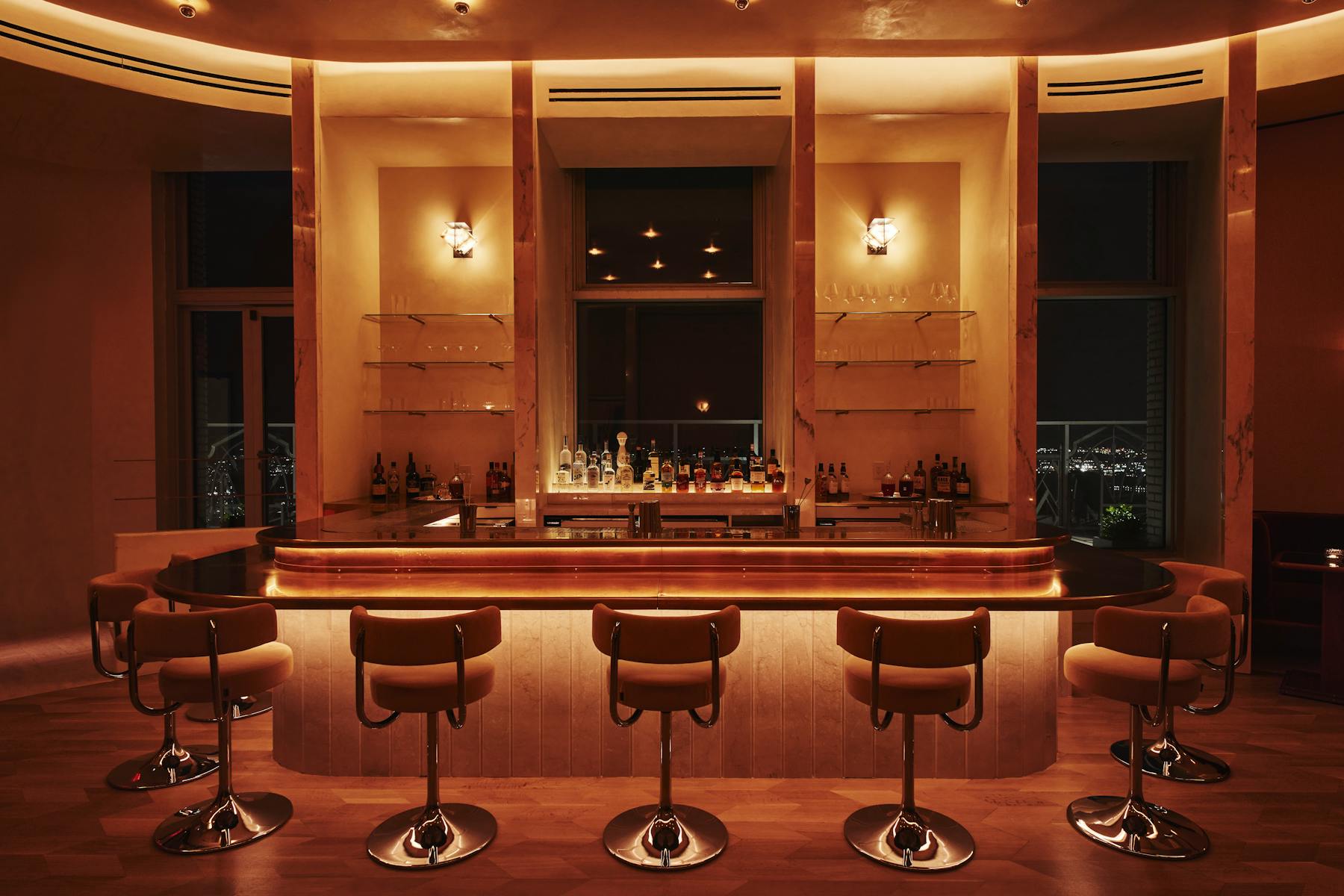
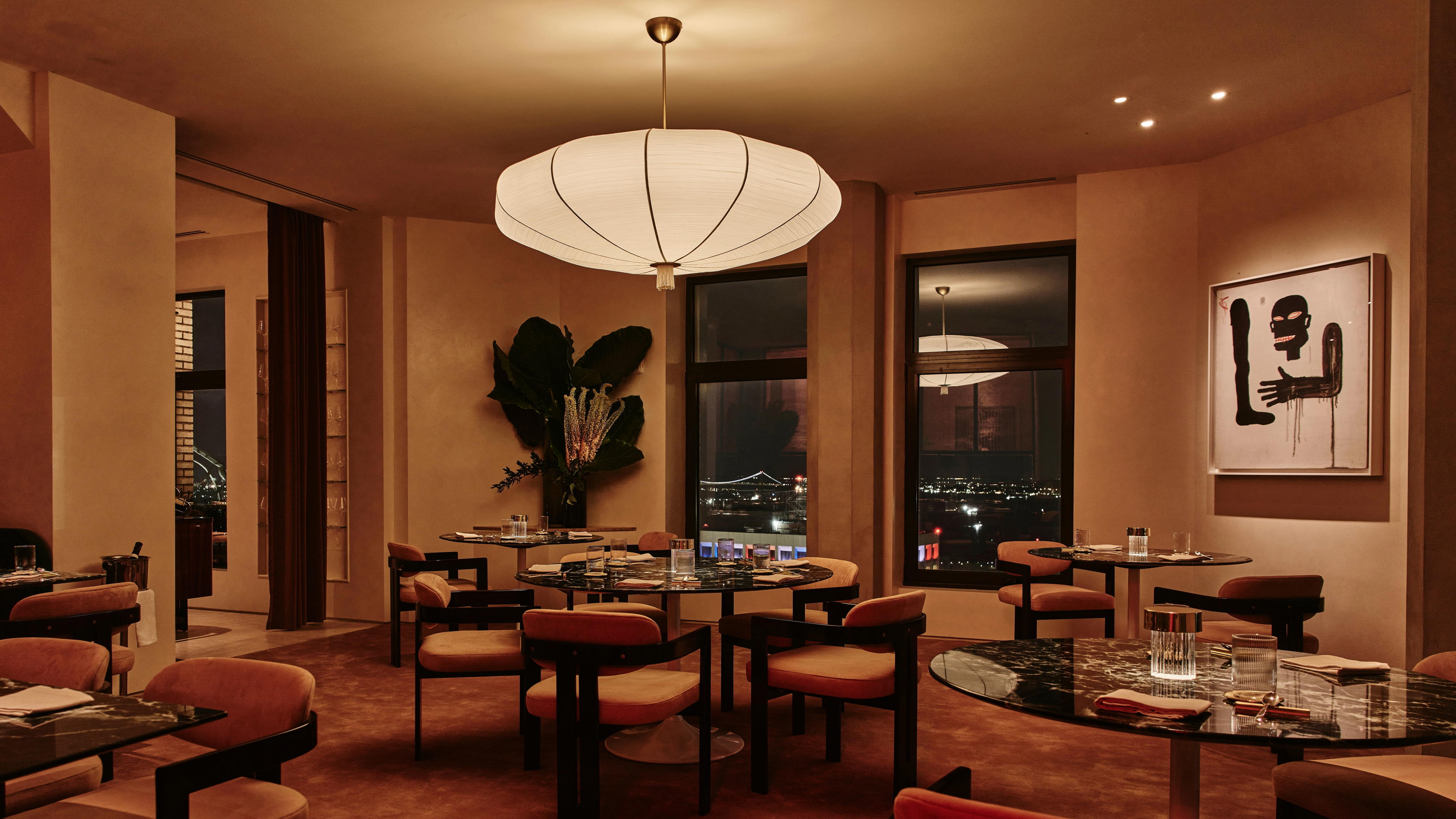
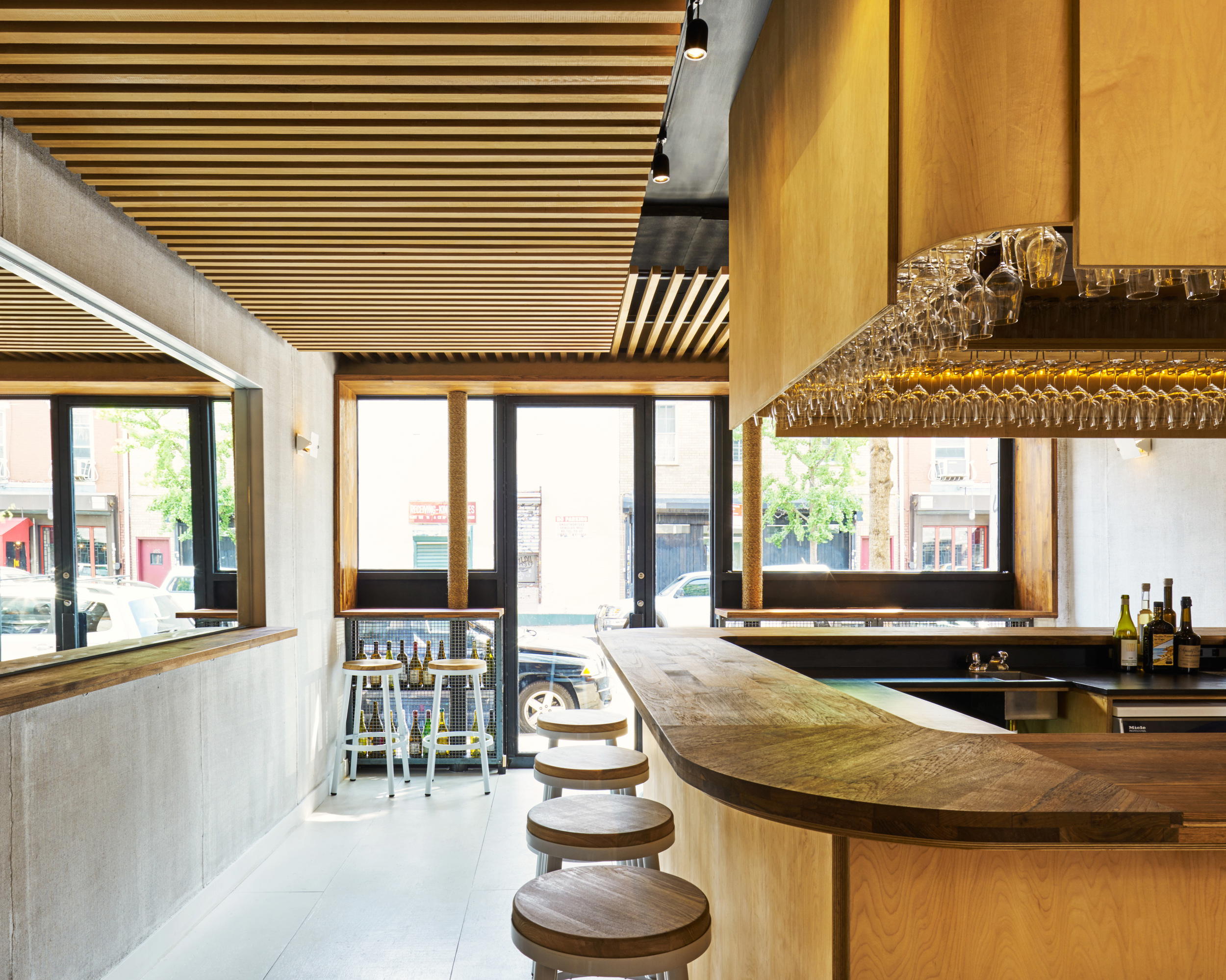
Bars in Brooklyn
All bars in Brooklyn →




Details
- Elegant
- Modern
- Cozy
- Date Night
- Group Dining
- Celebration
- Casual Hangout
- Terrace
- Standalone
- Private Dining
- Craft Cocktails
- A La Carte
- Small Plates
- Family Style
- Cocktails
Current opening hours
- Monday
- Closed
- Tuesday
- Closed
- Wednesday
- 5–10 PM
- Thursday
- 5–10 PM
- Friday
- 5–10 PM
- Saturday
- 5–10 PM
- Sunday
- 5–9:30 PM
Hours can change for holidays and private events. Hours as of .
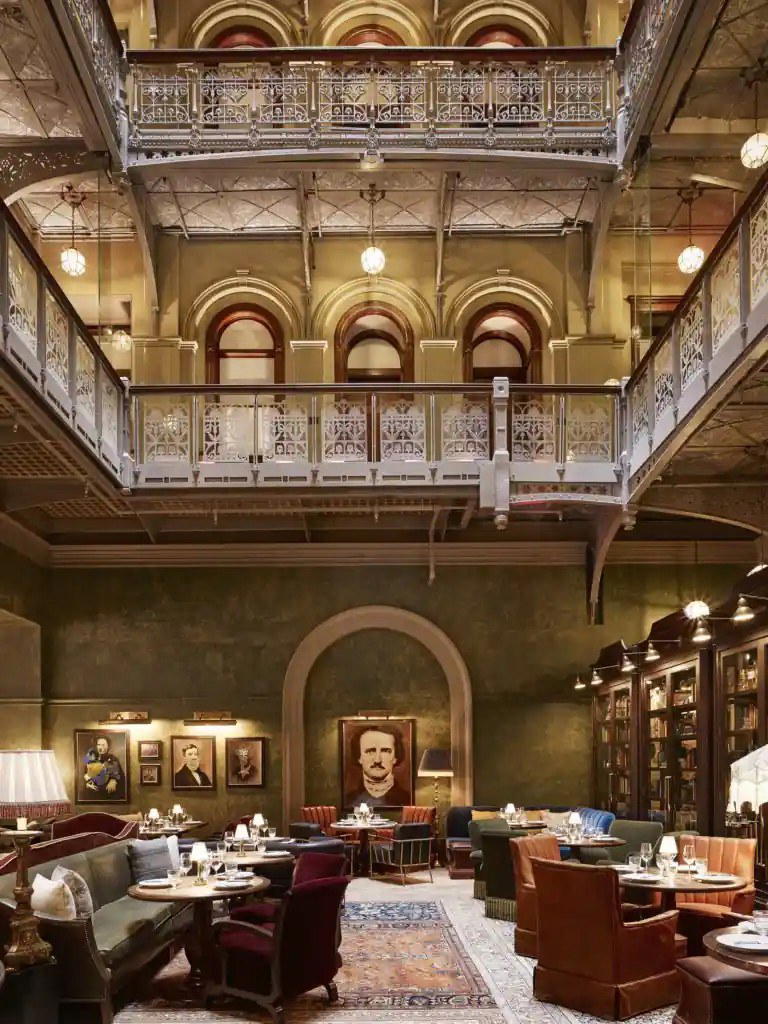
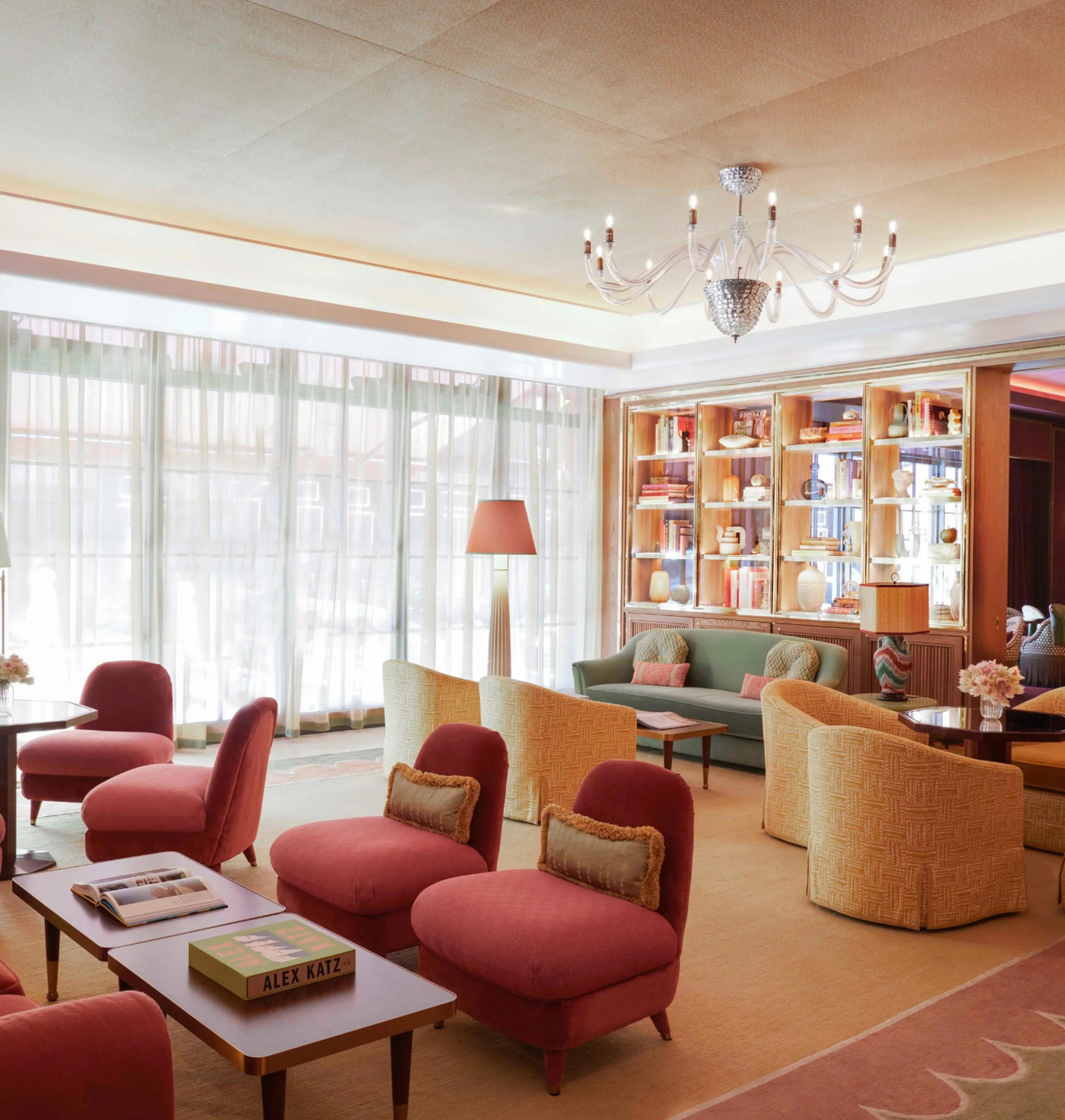
Elegant yet relaxed, with a lovely open space that evokes Lebanese hospitality and a modern Brooklyn sensibility.