
Satsuki Okinadaruma puts Kitsuki into the serious soba conversation, not through luxury cues but through a compact buckwheat-noodle format with national-platform recognition. Its Tabelog 100 - Soba - WEST selections in 2024 and 2025, modest lunch pricing, and small-room structure make it a precise stop for travelers reading Oita through ingredients rather than spectacle.
Pearl is the En Primeur Club membership app — saves, bookings, and concierge access live there. Same editors, same standards.
- Address
- 2114-25 Morie, Kitsuki, Oita 873-0033, Japan
- Phone
- +81 978-63-8124
- Website
- kitsuki-okinadaruma.jp
 Saves & bookings on Pearl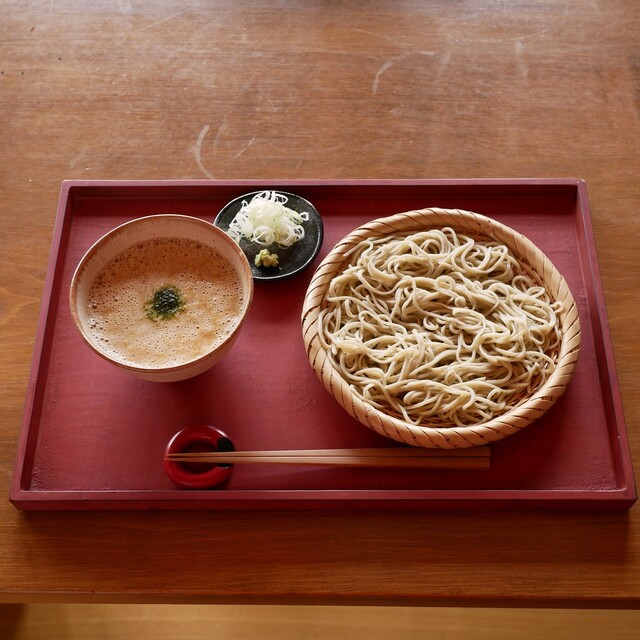
The approach to soba in coastal Oita is less about ceremony than restraint: buckwheat, water, stock, temperature, and timing, with little room for distraction. In Kitsuki, where castle-town lanes and the Kunisaki Peninsula’s agricultural hinterland sit close to the sea, that restraint feels natural rather than austere. Satsuki Okinadaruma belongs to this quieter side of Japanese dining, where a bowl can carry more regional intelligence than a long tasting menu.
That matters because soba is an ingredient-led cuisine before it is a restaurant category. The quality of buckwheat, the grind, the proportion of wheat flour, and the handling of water all shape the final texture. Kyushu is better known internationally for ramen, shochu, wagyu, and seafood, but soba culture across western Japan rewards travelers who pay attention to smaller rooms and shorter menus. A Tabelog 100 - Soba - WEST selection in both 2024 and 2025 places Satsuki Okinadaruma inside that specialist bracket, where consistency and category focus count more than grand presentation.
Why a small soba room changes the read on Kitsuki
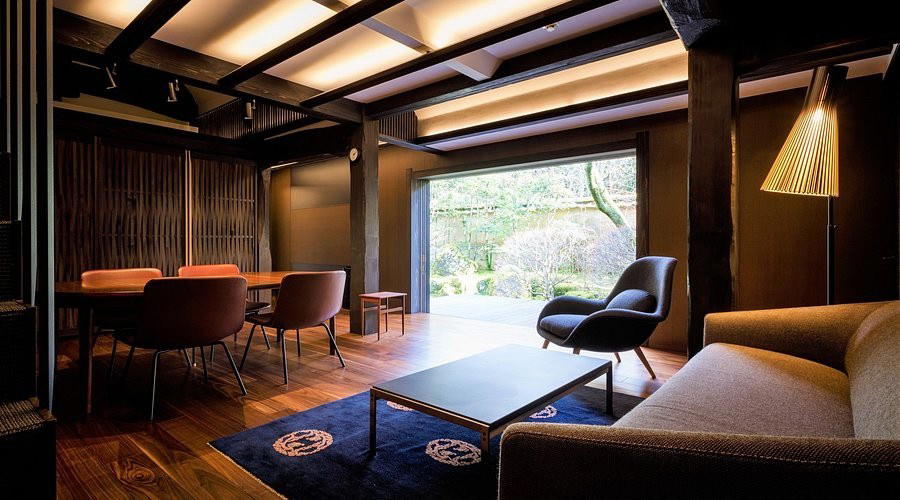
Kitsuki is not built like a major dining capital, and that is part of the appeal. The city’s food rhythm is closer to day-trip timing, local errands, and compact lunch services than late-night restaurant hopping. A 12-seat soba house, split between counter and table seating, fits that pattern. The scale narrows the experience: fewer seats, less theatrical service, more attention on noodles and broth.
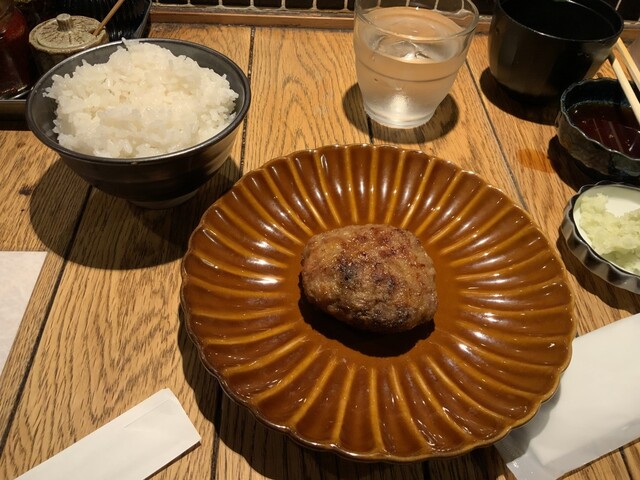
For travelers, the useful comparison is not with high-price Japanese dining in larger cities, but with regional specialists that make a single craft legible. Within the Oita orbit, Otto e Sette Oita occupies a far higher spending tier, while MIYAKO HAMBURG sits in a similar casual price band but speaks a different culinary language. Kogetsu and Bimi Nakayoshi occupy leaner everyday brackets. Against that spread, Satsuki Okinadaruma reads as a category specialist rather than a general local restaurant, with recognition tied specifically to soba.
The price band also changes the stakes. Serious Japanese noodle craft often remains accessible in a way that sushi, kaiseki, and counter tempura no longer do. Here, the value is not in abundance but in precision: a narrow format, a defined cuisine, and a room small enough that timing matters. The Tabelog score of 3.76 reinforces the same point, not as a universal verdict but as a useful signal in a category where local diners and traveling noodle obsessives tend to be exacting.
Buckwheat, shochu, and the western Japan soba register
Soba’s reputation is often filtered through eastern Japan, especially Tokyo and Nagano, but western Japan has its own register. The bowls can feel less doctrinaire, the rooms more rural or domestic, and the drinks list often tracks local habits. The presence of sake and shochu alongside soba is not incidental in Oita. Shochu is part of Kyushu’s drinking grammar, and its pairing with buckwheat noodles makes sense in a region where grain, water, and fermentation overlap at the table.
Ingredient sourcing is the editorial reason to pay attention here. Buckwheat is unforgiving: it lacks gluten strength, oxidizes quickly after milling, and exposes sloppy handling. A kitchen cannot hide poor noodle work behind heavy saucing. The broader lesson is that soba rewards places that keep the proposition tight. When a small regional room earns repeat inclusion on a soba-specific list, the recognition points to craft discipline rather than brand visibility.
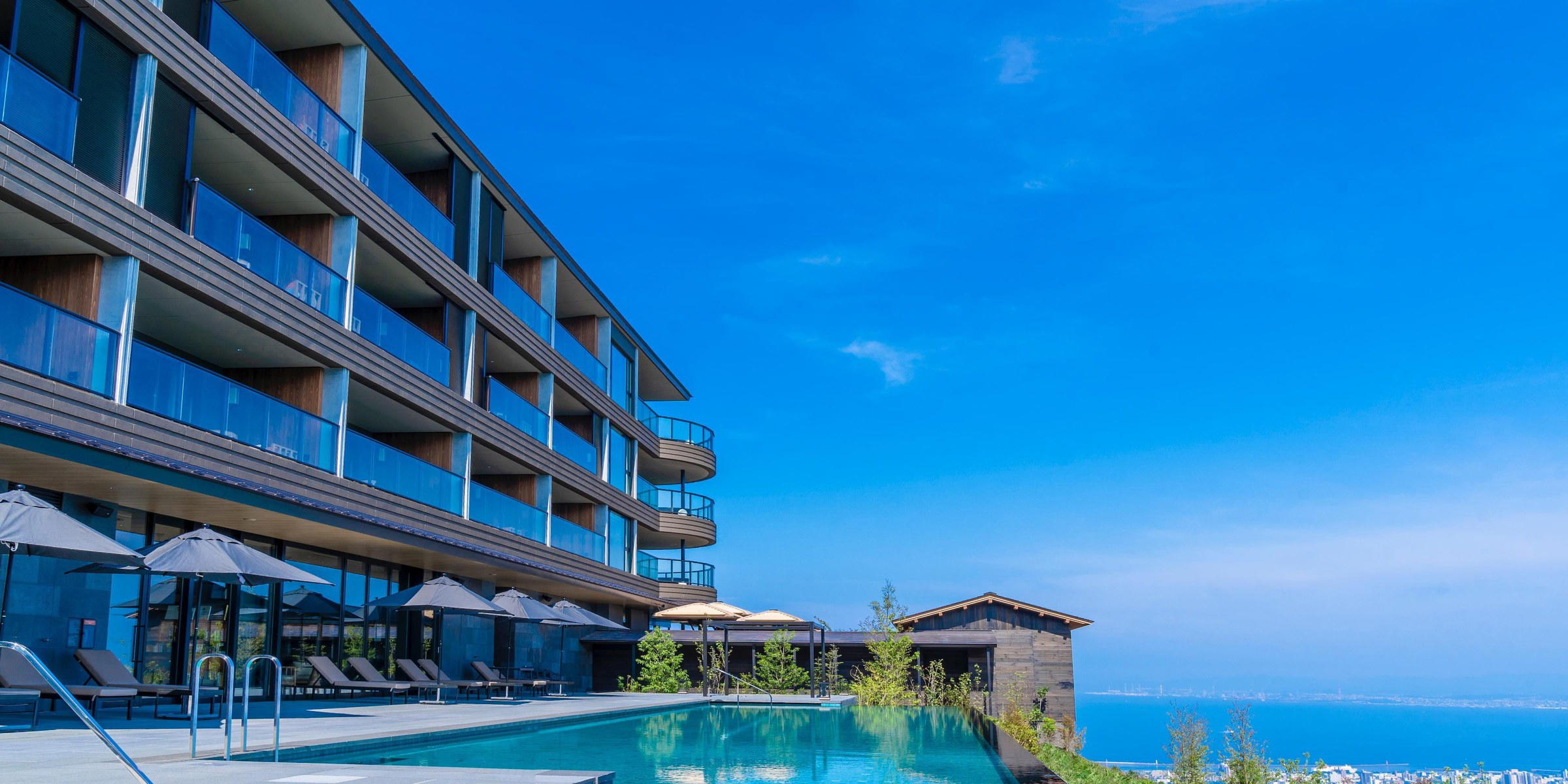
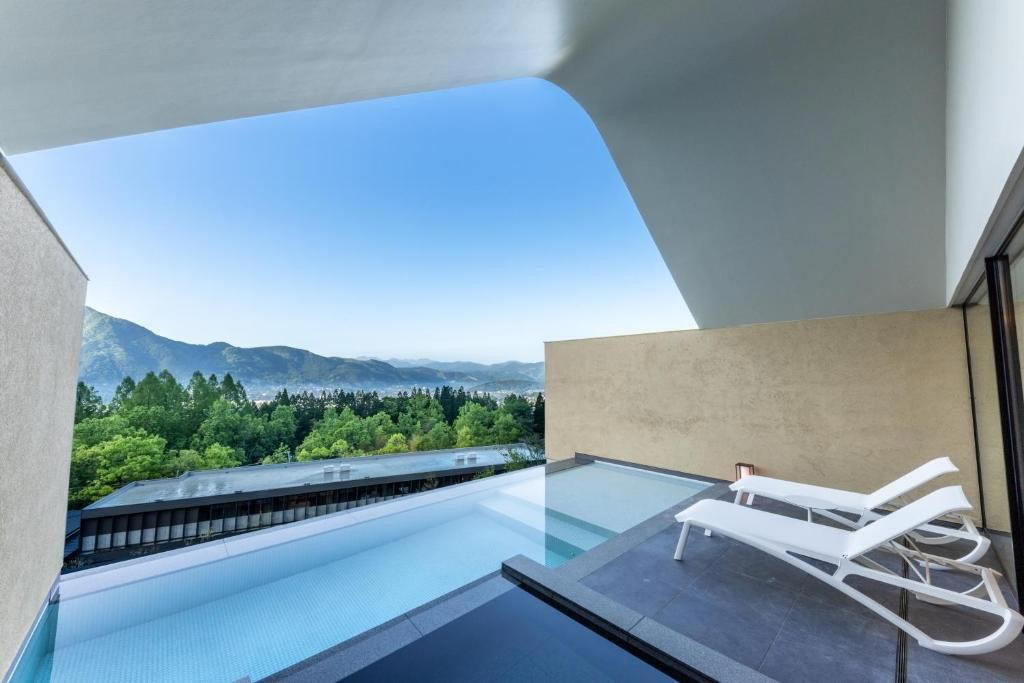
The restaurant also sits in a house-restaurant setting with an ocean-view context, which gives the meal a different frame from station-adjacent noodle counters. That does not make the food coastal in a seafood-house sense; it changes the pace. Kitsuki’s appeal is cumulative: castle-town preservation, access to the Kunisaki side of Oita, and food that does not require a formal evening. For a broader city plan, start with Our full Kitsuki restaurants guide, then build the rest of the day through Our full Kitsuki hotels guide, Our full Kitsuki bars guide, Our full Kitsuki wineries guide, and Our full Kitsuki experiences guide.
How to place it in a wider Japan food itinerary
Travelers often over-concentrate Japan dining plans in Tokyo, Kyoto, Osaka, and Fukuoka, then treat smaller cities as scenery between meals. Kitsuki argues for a different pattern. A recognized soba stop here can anchor a day without turning the day into a restaurant chase. That is the advantage of a specialist lunch: it leaves room for the town, the coast, and the slower geography of Oita.
The better national comparison is by format, not cuisine. Japan’s dining strength lies in narrow specialists: beef sukiyaki in Kamakura at -Grilled beef Sukiyaki- KAMAKURA TANUKIAN 鎌倉 たぬき庵 in Kamakura, tuna and charcoal cooking at . 鮪と炭火焼き うお炭 秋葉原店 in Tokyo, cafe culture at .cafe in Osaka, and contemporary small-format dining at .know in Kumamoto. Read that way, the restaurant is part of the same national habit of depth over breadth.
For travelers building a longer route, the connective tissue can be casual rather than ceremonial: (Shoku) Vietnam in Kawasaki, [Curry Senmon Ten] Maruyama Kyoju. in Sapporo, [ki:] in Kyoto, #肉といえば松田 奈良本店 in Kashihara, 1/3 HAMBURGER FACTORY in Kanazawa, 1000 in Yokohama, and 1000mヒュッテ 1000m Hut in Kutchan all show how focused formats can define a stop without requiring formal dining. For a cross-Pacific reading of Japanese drinking and casual food culture, compare the mood with Jōdo Saké Bar in Los Angeles and Onigiri Time in Pasadena.
The editorial verdict is simple: this is a Kitsuki address for travelers who care about ingredient craft at modest scale. The appeal is not luxury; it is the discipline of soba in a small regional room, backed by category-specific recognition and a price point that keeps the experience grounded.
Quick Comparison
Comparable venues by cuisine and price in the same metro.
| Venue | Cuisine | Price | Notes |
|---|---|---|---|
| Satsuki OkinadarumaThis venue — the venue you are viewing | Traditional Japanese soba with ocean view | $$ | Not listed |
| レストラン横倉 | Western-Japanese Ski Resort Fare | $$ | Zao Onsen |
| Kawakyu (とんかつ川久) | 鹿児島黒豚とんかつ | $$ | 鹿児島中央 |
| Takehara | Traditional Tuna Specialist | $$ | Katsuura |
| Ogura (おぐ羅) | Traditional Oden and Yakitori Izakaya | $$ | Nihonbashi |
| いろり家 | Traditional Japanese Izakaya | $$ | Miyanoshita |
Recognition history
Dated appearances from independent guides and award organizations, with the underlying list record or original source where available.
Tabelog 100 #30 · No. 30
Tabelog · Tabelog 100 - Soba - WEST - 2025
Continue exploring
More in Kitsuki
Restaurants in Kitsuki
Browse all →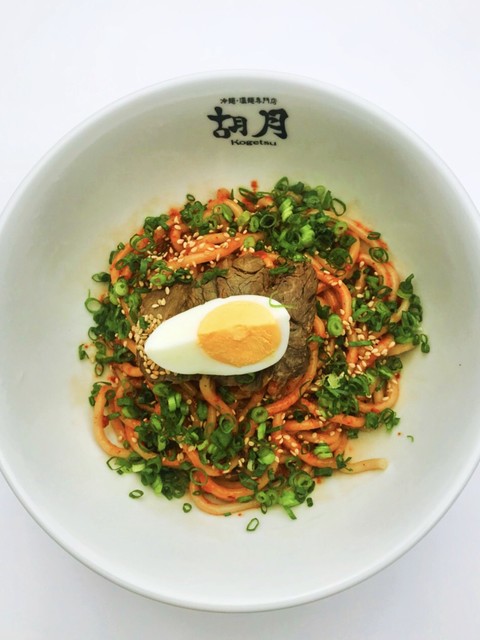
At a Glance
- Scenic
- Cozy
- Rustic
- Intimate
- Solo
- Casual Hangout
- Date Night
- Waterfront
- Panoramic View
- Standalone
- Design Destination
- Sake Program
- Waterfront
- Mountain
Current opening hours
- Monday
- Closed
- Tuesday
- 11 AM–3 PM
- Wednesday
- 11 AM–3 PM
- Thursday
- 11 AM–3 PM
- Friday
- 11 AM–3 PM
- Saturday
- 11 AM–3 PM
- Sunday
- 11 AM–3 PM
Hours can change for holidays and private events. Last verified .
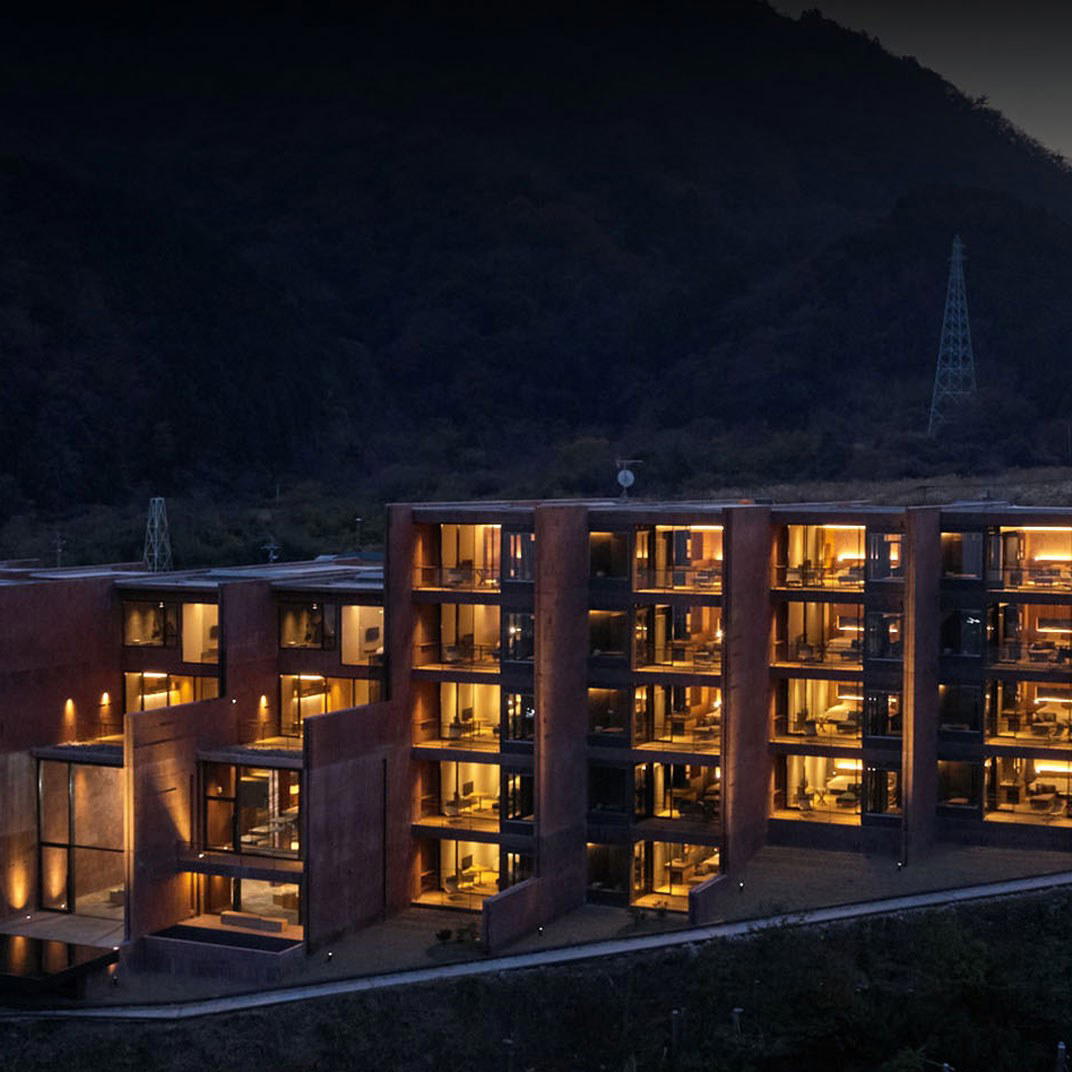
A small 12-seat house-restaurant with a calm, quiet atmosphere where guests linger over soba while enjoying wide ocean views from a hill on the outskirts of Kitsuki; the mood is relaxed and contemplative rather than bustling.