Our verdict
On Yonge Street in Toronto's Rosedale-adjacent stretch, Sash occupies a position where the neighbourhood's residential calm meets serious dining ambition. The address places it within reach of Midtown's more considered restaurant tier, where wine programs and kitchen craft tend to carry more weight than visibility or volume. A reservation here rewards planning.

Pearl is the En Primeur Club membership app, where members save venues, book tables and use the concierge.

The menu
What to order
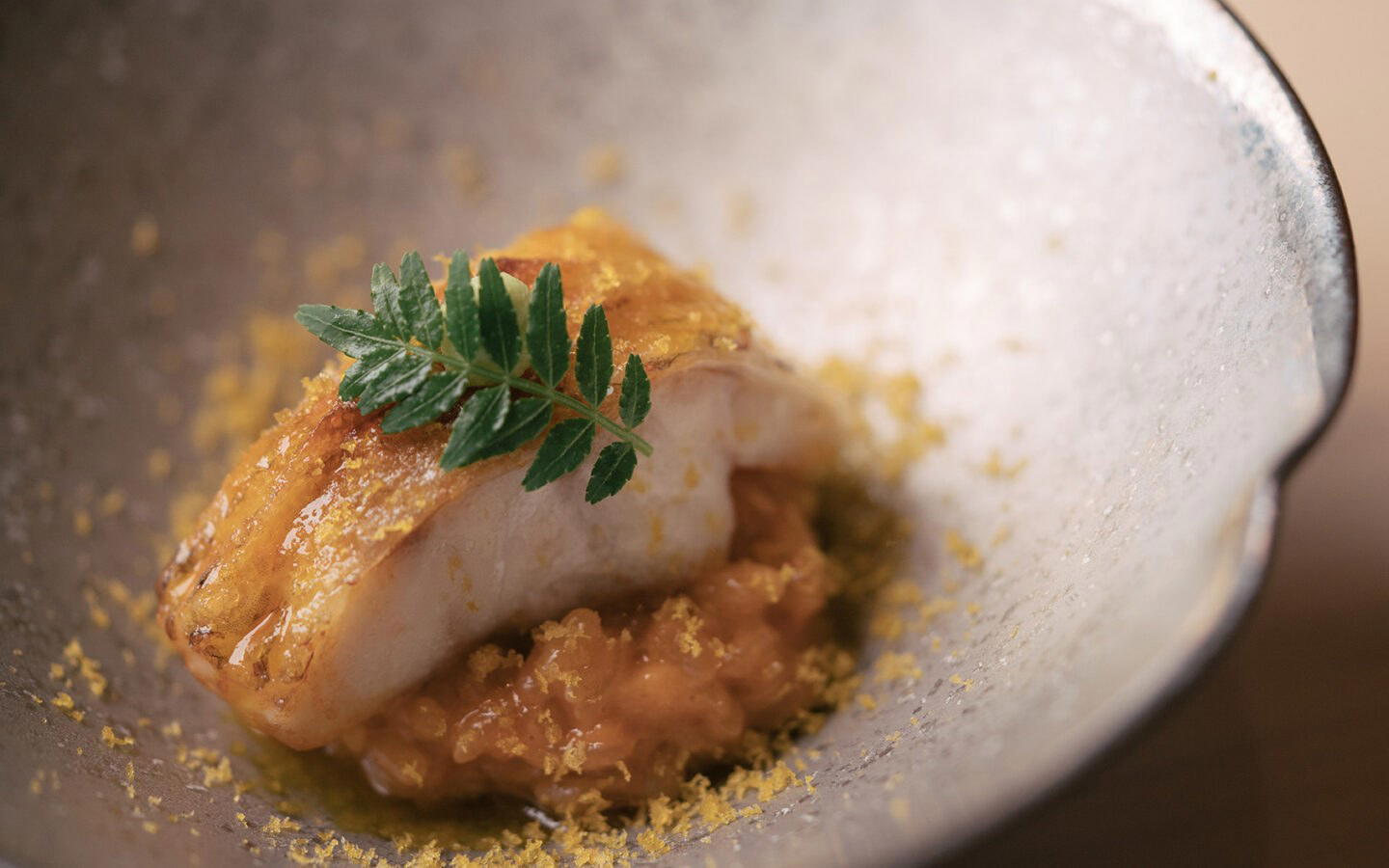
- Chilean sea bass with Madras curry
- Sash Smash Burger
- Prime Steak Tartare
Yonge Street, North of the Noise
The stretch of Yonge Street that runs through the low-rise corridor between Rosedale and Davisville has a different character than the denser, louder blocks further south. The buildings are older, the pace slower, and the restaurants that survive here tend to do so on repeat local business rather than tourist foot traffic. Sash, at 1133 Yonge, sits inside that logic. Approaching from the street, there is none of the marquee signage or window theatre that marks destination dining further downtown. The room keeps its intentions close, which is precisely the point for a neighbourhood that has historically preferred substance over spectacle.
That northward pull on Yonge has produced a specific dining character across the corridor: smaller rooms, more considered wine programs, and a clientele that arrives knowing what it wants. Sash occupies that register. It is not competing with the high-volume conversion machines closer to Bloor or the tasting-menu trophy circuit centred on places like Alo in the Entertainment District. Its competitive set is quieter and more local in orientation.
The Wine Program as Editorial Statement
In Toronto's upper-tier dining rooms, the wine list has become a reliable proxy for how seriously a kitchen takes itself. Restaurants that invest in cellar depth and curation signal something about their broader ambitions: they are building for guests who return, not for a single occasion. The wine programs at places like DaNico and Don Alfonso 1890 reflect that orientation, pairing Italian-focused kitchens with lists that reward familiarity over novelty.
At Sash, the same principle applies in a different key. Midtown Toronto's wine culture skews toward the kind of guest who has a relationship with a bottle rather than a passing acquaintance. A list in this part of the city is less a luxury add-on and more a core expectation. The question is always depth: whether the by-the-glass program reflects the same thought as the cellar, whether the list acknowledges what is happening in domestic wine regions alongside the European anchors, and whether someone at the table who asks about a producer gets a real answer. These are the signals that separate a list assembled for appearance from one built for conversation.
Ontario's wine culture has matured considerably, with producers from the Niagara Peninsula and Prince Edward County now appearing on lists at serious Toronto restaurants alongside Old World references. Restaurant Pearl Morissette in Lincoln has pushed that standard from the production side, and its influence on how Toronto sommeliers think about domestic wine is traceable across a number of Midtown rooms. A list that ignores this shift reads as behind the moment in 2024.
Where Sash Sits in Toronto's Dining Map
Toronto's restaurant market has stratified significantly over the past decade. At the leading sits a compact tier of tasting-menu counters and formal dining rooms where the cover price is structural rather than optional: Sushi Masaki Saito and Aburi Hana occupy that bracket for Japanese formats. Below that sits a broader middle tier of serious à la carte and prix-fixe rooms where the ambition is present but the entry price is more flexible.
Sash reads as belonging to that middle tier in neighbourhood terms, if not necessarily in price. The Rosedale-Davisville corridor has always housed restaurants for the people who live nearby, which means a kitchen needs to perform consistently across a Tuesday dinner and a Saturday celebration, not just during prime weekend service. That requirement shapes how wine programs get built and how kitchens calibrate their menus. Consistency over performance is the operating principle, and the guests who return frequently are the ones who enforce it.
For Canadian comparison, the same dynamic plays out at Tanière³ in Quebec City and AnnaLena in Vancouver: rooms that draw a local core and build their reputation on what happens on an ordinary evening rather than a special one. Even Jérôme Ferrer's Europea in Montreal sustains its position through a consistent guest relationship rather than a single annual event. Sash fits that national pattern of the neighbourhood anchor that earns its place incrementally.
The Neighbourhood Context and Who Comes Here
Rosedale and its adjacent streets represent one of Toronto's most established residential concentrations. The guests who dine on this stretch of Yonge on a regular basis tend to be local, familiar with the room, and not easily impressed by novelty for its own sake. That demographic shapes everything from portion calibration to how the front of house handles the evening's pace. A room built for regulars runs differently from one built for occasions.
For visitors approaching from outside the neighbourhood, the positioning requires a deliberate choice. You are not stumbling onto Sash; you are going there. That is a different contract than the spontaneous discovery of a downtown room. The upside is that the experience tends to be calibrated for return rather than first impression, which often produces better cooking and more attentive service on an average night. The rooms that perform for regulars are the rooms worth seeking out. Places like Eigensinn Farm in Singhampton and The Pine in Creemore operate on similar terms outside the city: the deliberate journey is part of the selection filter.
Toronto's broader dining culture has expanded enough that Midtown now hosts a range of formats that would previously have required a trip downtown. For a fuller picture of where Sash sits within the city's overall offer, the EP Club Toronto restaurants guide maps the competitive field across neighbourhoods and price tiers.
Planning a Visit
The Yonge and Davisville area is served directly by the TTC Davisville subway station, making it accessible without a car from most central Toronto neighbourhoods. Street parking exists on side streets, but the subway remains the more practical option on a weekend evening. For guests arriving from New York looking for a Toronto analogue to the considered neighbourhood rooms they know, the frame of reference is closer to what Le Bernardin or Atomix represent in terms of deliberate destination dining, scaled for a smaller market.
| Venue | Format | Price Tier | Neighbourhood |
|---|---|---|---|
| Sash | Neighbourhood dining room | Mid-upper | Yonge/Davisville |
| Alo | Tasting menu | $$$$ | Entertainment District |
| DaNico | Italian, à la carte | $$$$ | Downtown |
| Don Alfonso 1890 | Contemporary Italian | $$$$ | Downtown |
| Aburi Hana | Kaiseki | $$$$ | Yorkville |
Frequently asked questions
Is Sash better for a quiet night or a lively one?
The Yonge-Davisville corridor skews toward the quieter end of Toronto's dining spectrum. Rooms in this stretch are built for conversation rather than energy management, which puts Sash closer to the model of a serious neighbourhood restaurant than a destination with a scene. By Toronto standards, where the loudest rooms cluster downtown and in Yorkville, this address implies a more controlled environment. If the evening's goal involves being heard across the table, the address works in your favour.
What do regulars order at Sash?
What the neighbourhood context does suggest is that rooms on this stretch of Yonge build repeat business on consistency rather than rotating novelty: the items that keep guests coming back tend to be the kitchen's most practised executions rather than its most ambitious. Asking the front of house directly what has been on the menu longest is a reliable proxy for what the kitchen does with the most confidence. Comparable Toronto rooms in the $$$$-adjacent tier, such as DaNico, build their reputation on a handful of anchoring dishes that carry the menu over time.
How does Sash compare to other serious wine-focused rooms on Toronto's Midtown strip?
The closest frame of reference for a wine-led neighbourhood room in a Canadian context might be Barra Fion in Burlington or the dining program at Restaurant Pearl Morissette in Lincoln, both of which demonstrate that serious wine programming outside the downtown core is a viable and growing format. For guests whose primary interest is the list rather than the occasion, it is worth confirming the current wine program with the restaurant directly before booking.
Where the Accolades Land
Comparable venues nearby, for context on price, style, and recognition.
| Venue | Cuisine | Price | Awards | Notes |
|---|---|---|---|---|
| SashThis venue (the venue you are viewing) | Modern Fusion Fine Dining | $100–150 | Not listed | Not listed |
| Jade Yorkville | French-Asian Fusion | $100–150 | Not listed | Annex |
| Blue Bovine Steak + Sushi House | Steak & Sushi House | $50–100 | Wine Spectator Best of Award of Excellence | Financial District |
| Hexagon | Contemporary French Fine Dining | $100–150 | 1 Michelin Star · Star Wine List | Oakville |
| LSL | French-Japanese Fine Dining | $500+ | Canada's 100 Best Restaurants #51 | Bedford Park-Nortown |
| Radici Project | Contemporary Italian-Japanese Fusion | $150–200 | Not listed | Palmerston-Little Italy |
Continue exploring
More in Toronto
Restaurants in Toronto
All restaurants in Toronto →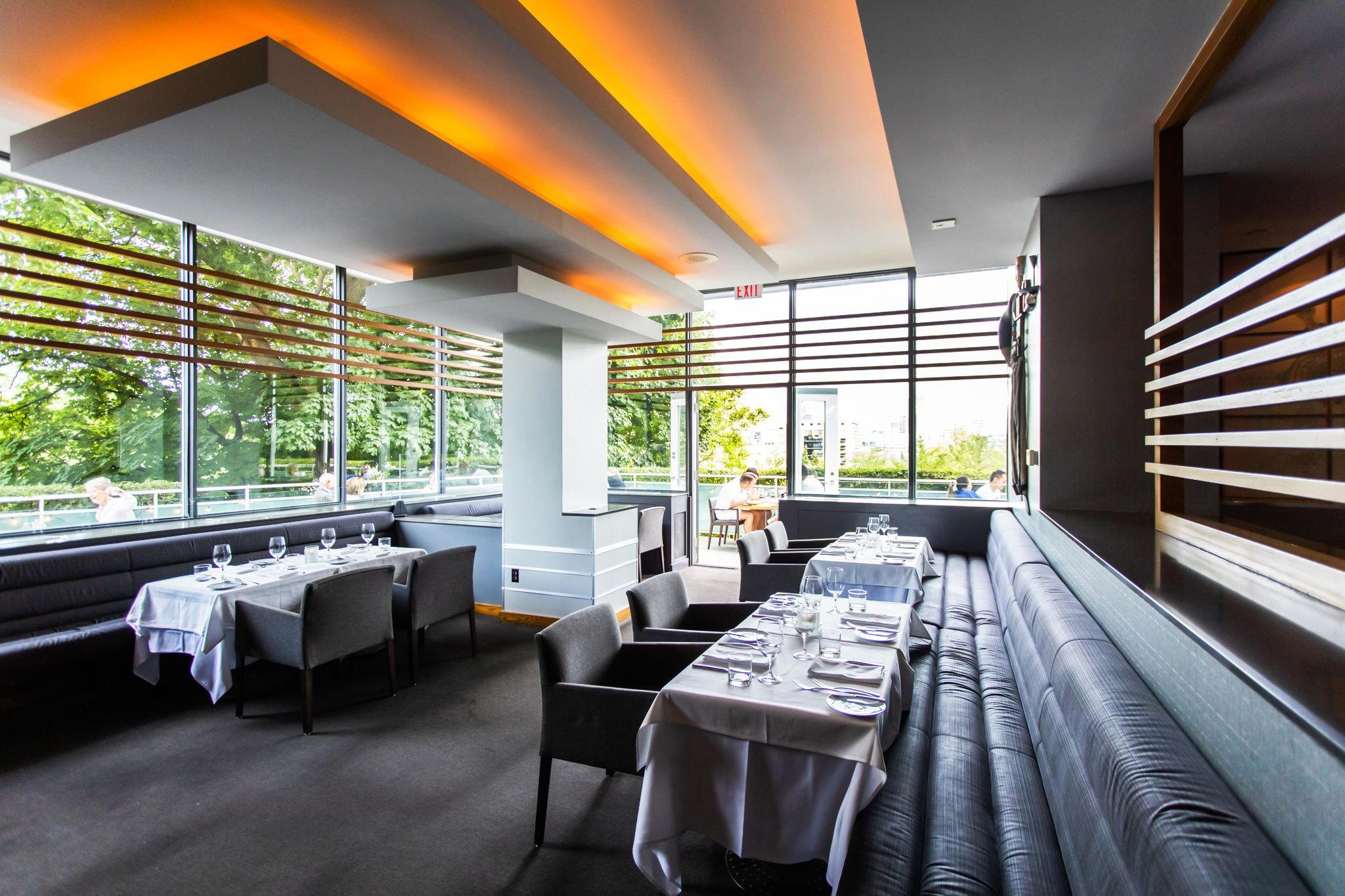
Bars in Toronto
All bars in Toronto →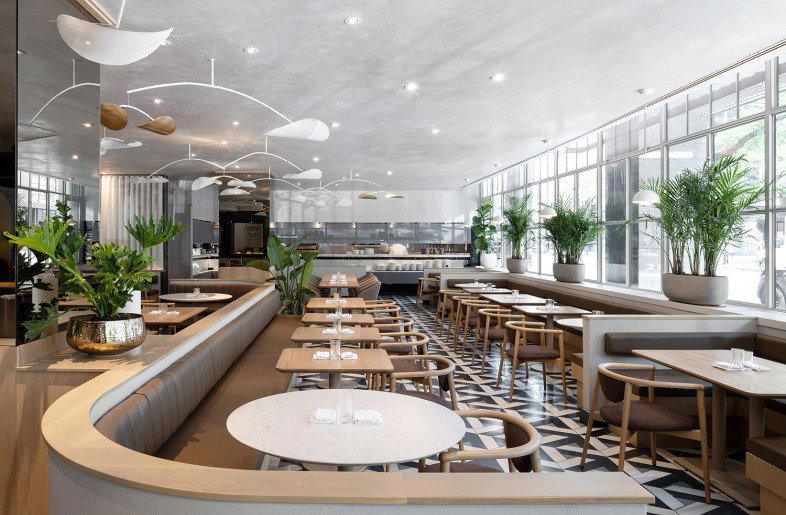

Details
- Elegant
- Modern
- Sophisticated
- Date Night
- Special Occasion
- Business Dinner
- Open Kitchen
- Extensive Wine List
- Local Sourcing
- A La Carte
- Wine
- Sake Program
- Vegetarian Friendly
Current opening hours
- Monday
- Closed
- Tuesday
- 12–10 PM
- Wednesday
- 12–10 PM
- Thursday
- 12–10 PM
- Friday
- 12–10 PM
- Saturday
- 5–10 PM
- Sunday
- Closed
Hours can change for holidays and private events. Hours as of .
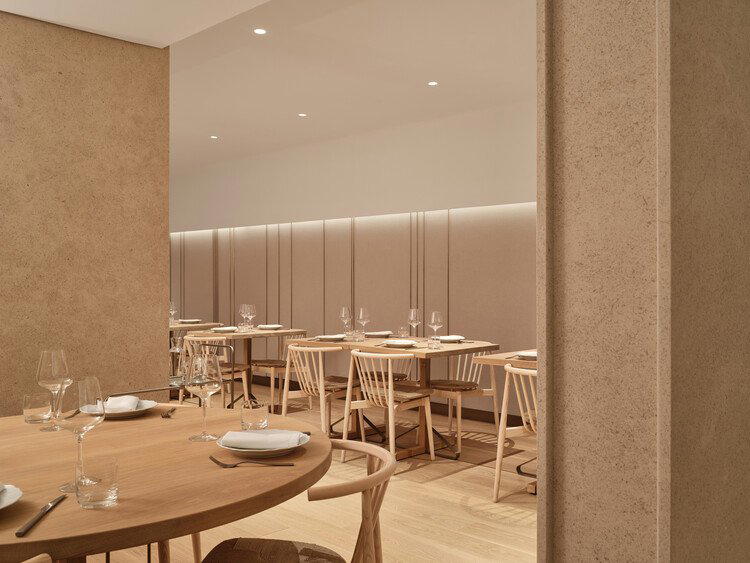
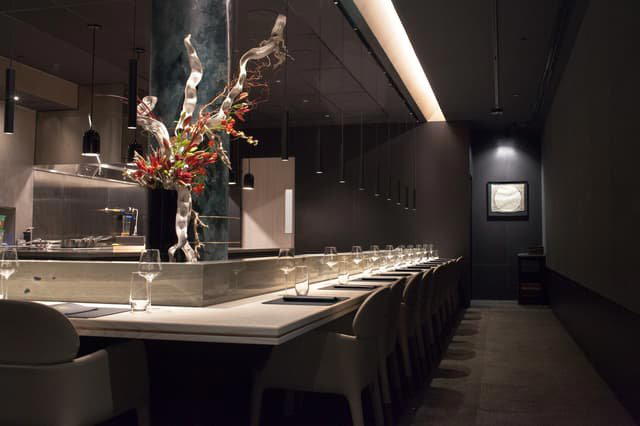
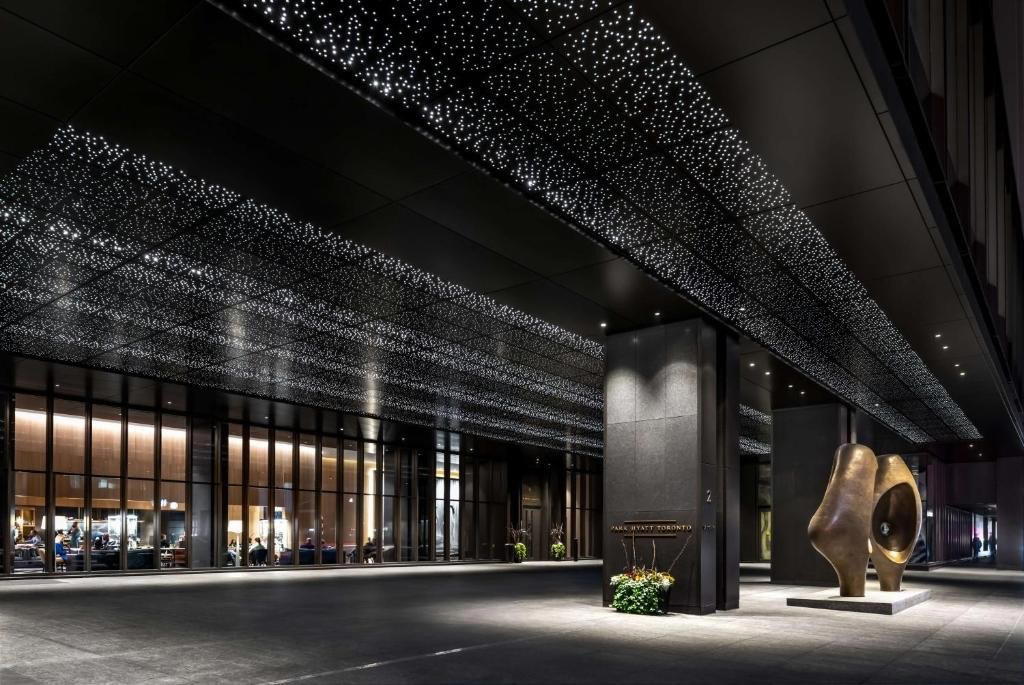
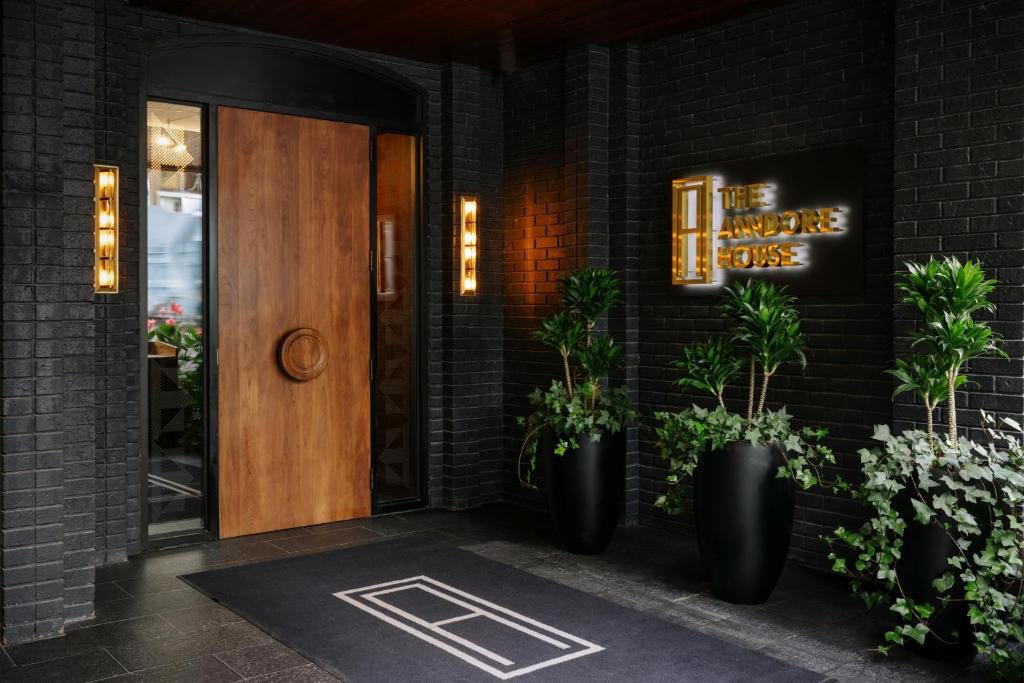
Modern and elegant dining room with natural light from floor-to-ceiling windows, open kitchen, greys and whites with gold accents, and DJ music Thursday to Saturday evenings.