SAPERAVI
Saperavi brings the wine-forward traditions of the South Caucasus to East Village, where Georgian cuisine — built on walnut pastes, fermented sauces, and herb-dense grain dishes — meets a New York dining room at 245 E 14th St. The restaurant takes its name from Georgia's most planted red grape variety, signalling a kitchen and cellar oriented around the country's ancient winemaking culture. It occupies a niche that few Manhattan addresses attempt seriously.
Pearl is the En Primeur Club membership app — saves, bookings, and concierge access live there. Same editors, same standards.
- Address
- 245 E 14th St, New York, NY 10003
- Phone
- +16464788669
- Website
- saperavinyc.com
- Directions
- Get directions
 Saves & bookings on Pearl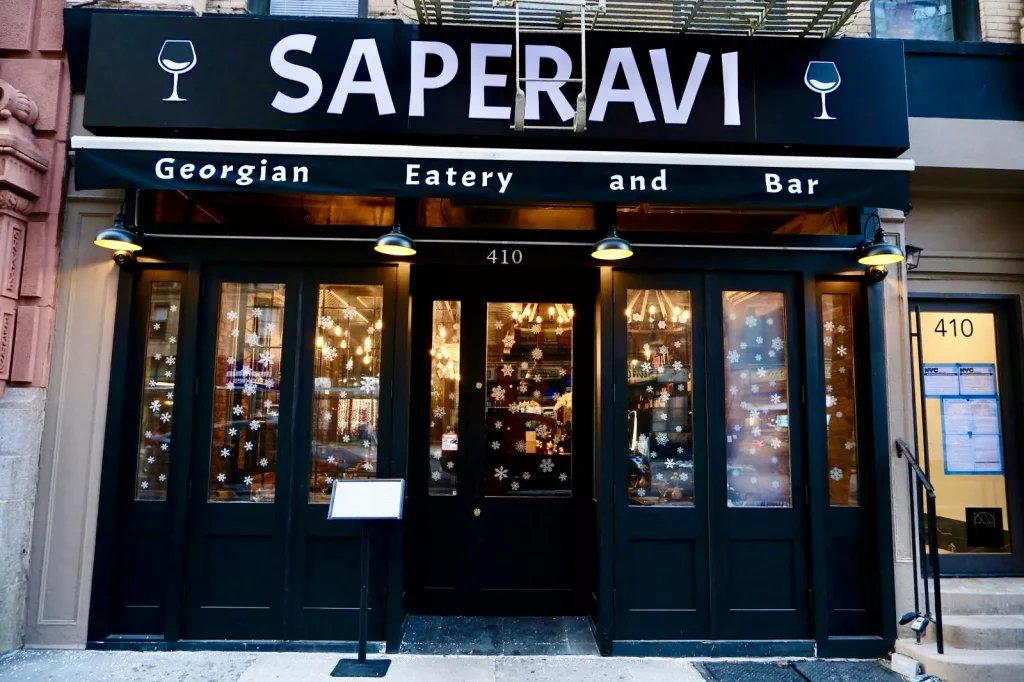
Georgian Wine Culture Finds a Home in East Village
SAPERAVI is a Georgian restaurant in New York's East Village, with a casual dress code and a recommended reservation policy. The country's cooking — built around walnut-thickened sauces, slow-braised meats, and herb-dense grain dishes rooted in a landscape stretching between the Black Sea and the Caucasus Mountains — has attracted serious scholarly attention in European food circles for years. Manhattan has been slower to respond. Saperavi, at 245 E 14th St in East Village, is among the few New York addresses treating that tradition with the kind of specificity it warrants.
The restaurant's name is a direct signal of intent. Saperavi is Georgia's most widely planted red grape variety, a high-acid, deeply pigmented cultivar. Naming a restaurant after that grape, in a neighbourhood where the bar card dominates the conversation, is a positioning decision rather than a decorative one. The kitchen and cellar are meant to be read together.
The Technique Behind the Tradition
Georgian cuisine operates on a logic that differs from the European mainstream in ways worth understanding before you sit down. Where French cooking builds flavour through fat and reduction, and East Asian traditions often rely on fermentation and umami-dense condiments, the Georgian canon leans on walnut. Walnut pastes appear across the menu in forms ranging from cold appetisers dressed in garlic-spiced walnut sauce, the satsivi and badrijani nigvzit family of dishes, to slow-cooked preparations where the nut acts as both thickener and flavour vehicle. The result is a richness that reads differently from cream-based cooking: denser on the palate, with a bitter finish that refreshes rather than clogs.
This is the point worth sitting with. Across the United States, a generation of chefs trained in European or East Asian technique have returned to their culinary heritage not to replicate it wholesale but to apply the precision learned elsewhere. The same pattern visible at Atomix with Korean cuisine, or at Jungsik New York with progressive Korean cooking, plays out in a quieter register in the Georgian dining category. The imported methods, precise temperature control, considered plating, structured tasting progressions, meet indigenous products and preparations that have centuries of development behind them.
At Saperavi, that intersection means classic preparations from the Georgian repertoire delivered with the kitchen discipline a New York dining room demands. The kharcho tradition, a walnut-and-tomato-enriched meat soup with considerable spice depth, sits in a different register from the lighter broths that dominate New York's comfort food conversation. Khinkali, the pleated Georgian dumpling filled with spiced meat and broth, requires a specific eating technique (bite from the leading, drink the interior broth first) that separates Georgian dumpling culture from the Chinese or Japanese traditions New York diners know better. These are not merely different dishes; they represent a different structural logic for how a meal moves.
Where Saperavi Sits in the New York Dining Map
East Village has historically absorbed a wider range of national cuisines than the city's higher-profile dining corridors. The neighbourhood's lower commercial rents relative to Midtown or the West Village have allowed restaurant categories to develop that would struggle to sustain themselves further north. Within that context, Saperavi occupies a tier distinct from the expense-account heavyweights: the four-star French seafood precision of Le Bernardin, the omakase pricing of Masa, or the tasting-menu formality of Per Se. Those addresses compete in a different category. Saperavi's comparable set is the smaller cluster of New York restaurants making a serious case for non-Western European national cuisines without the infrastructure of a Michelin-starred operation behind them.
That positioning matters for a reader deciding where to spend an evening. The case for Saperavi is not spectacle or credential accumulation, it is the rarity of the tradition itself in a city where Georgian cooking remains less commonly found. Comparable depth of national cuisine engagement can be found at the farm-driven end of American cooking, from Blue Hill at Stone Barns in Tarrytown to Single Thread Farm in Healdsburg, venues where the argument is also about specificity of origin rather than technique alone. Saperavi makes a parallel argument, but the origin is the Caucasus rather than the Hudson Valley.
The Wine List as the Second Text
Georgian wine deserves more attention than it typically receives in Western wine media. The country's amber wine tradition, white grapes fermented on their skins in clay qvevri vessels buried in the earth, predates European oak-barrel vinification by millennia. Saperavi the grape produces wines of notable depth: dark-fruited, tannic, with an acidity that holds its own against the walnut-forward and spice-heavy preparations of the kitchen. A restaurant built around this tradition should carry a wine list that does more than gesture at it, and the name alone signals that ambition.
For visitors accustomed to navigating New York's wine programs at the level of Per Se or Le Bernardin, a Georgian wine list operates on different reference points. The natural wine movement's embrace of qvevri-made amber wines over the past decade has brought Georgian producers into broader circulation, but recognising producers and vintages still requires some orientation. Arriving with a basic understanding of the distinction between qvevri-fermented and conventionally made Georgian wine will improve the evening considerably.
Planning Your Visit
Know Before You Go
- Address: 245 E 14th St, New York, NY 10003
- Neighbourhood: East Village, Manhattan
- Cuisine tradition: Georgian (South Caucasus)
- Price tier: Mid-range relative to New York's tasting-menu segment
- Phone / website: Not published in current listings, confirm directly on arrival or via third-party reservation platforms
- Booking: Walk-in availability not confirmed; checking ahead is advisable for weekend evenings in East Village
Booking and Cost Snapshot
Comparable venues nearby, for context on price, style, and recognition.
| Venue | Cuisine | Price | Notes |
|---|---|---|---|
| SAPERAVIThis venue — the venue you are viewing | Gramercy, Authentic Georgian | $$ | Not listed |
| BXL Cafe | Midtown-Times Square, Belgian Bistro | $$ | Not listed |
| Chinatown Ice Cream Factory | Not listed | $ | Chinatown-Two Bridges, Asian-Inspired Ice Cream |
| Amdo Momo | Not listed | $ | Jackson Heights, Traditional Tibetan Momo Food Truck |
| Crown Finish Caves | Not listed | $$ | Crown Heights (North), Artisanal Cheese Affinage Facility |
| Unnamed Mexico City taco counter | Not listed | $$ | Flatiron, Michelin-Starred Mexico City Taqueria |
Continue exploring
More in New York City
Restaurants in New York City
Browse all →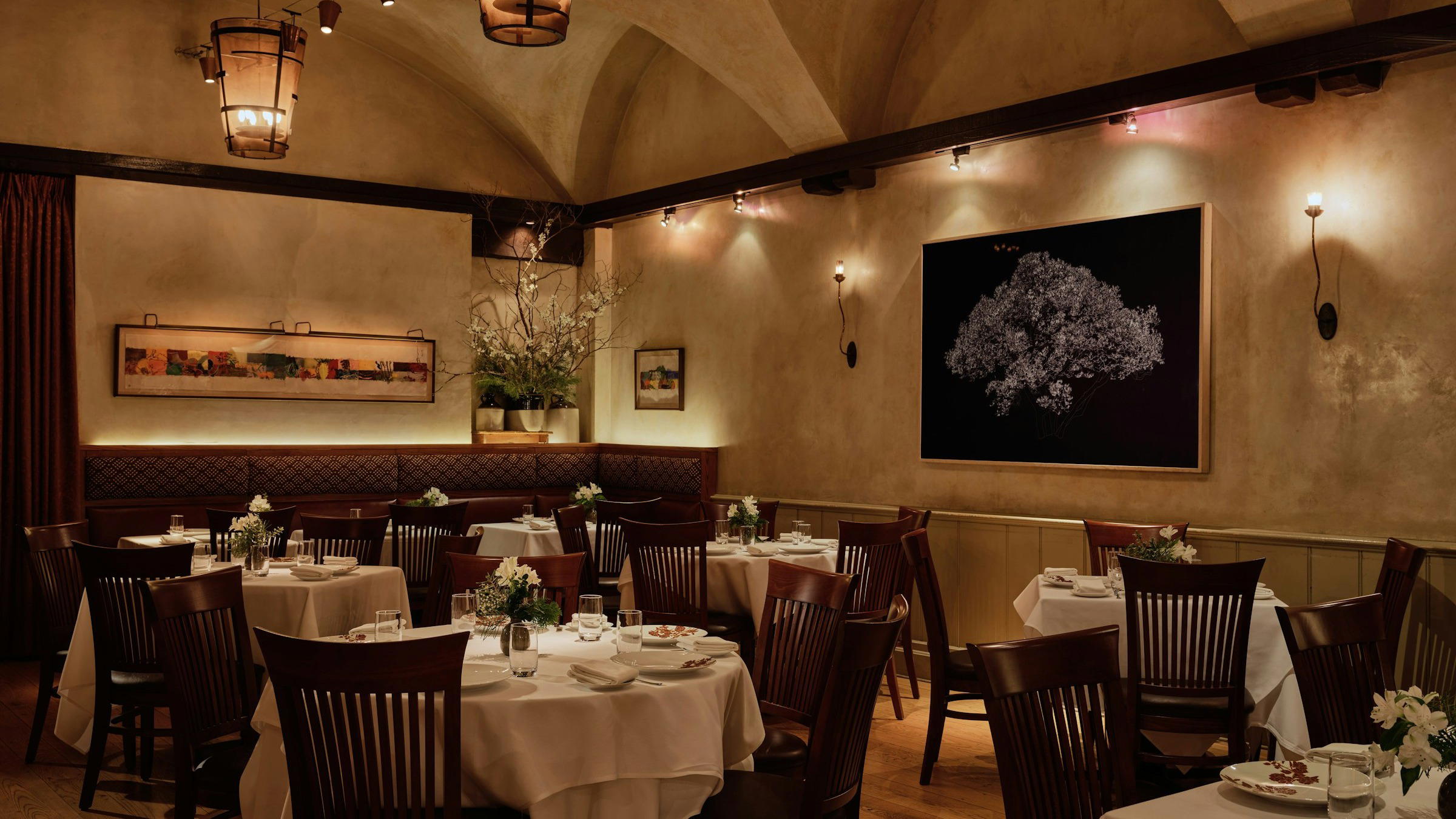
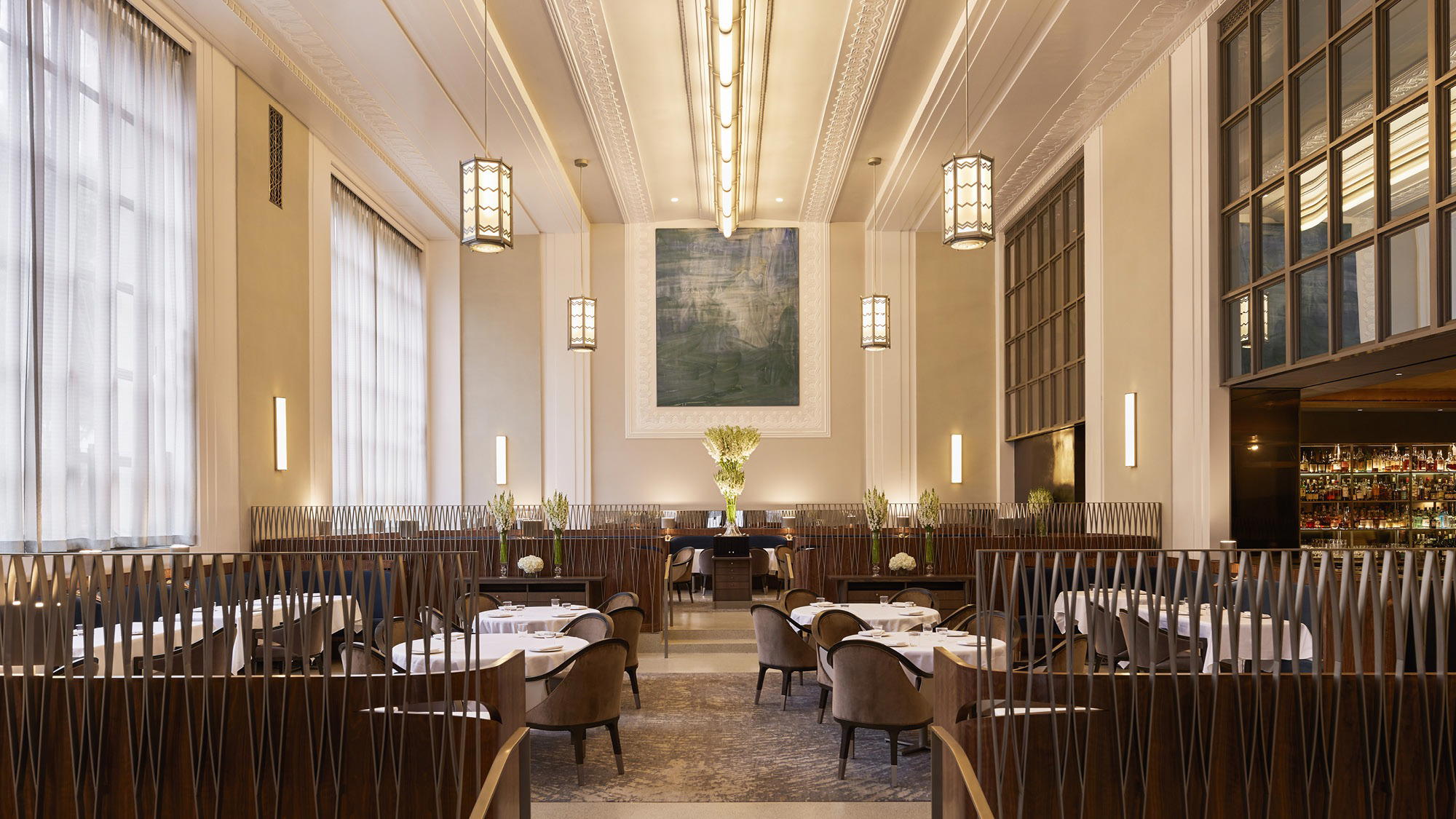
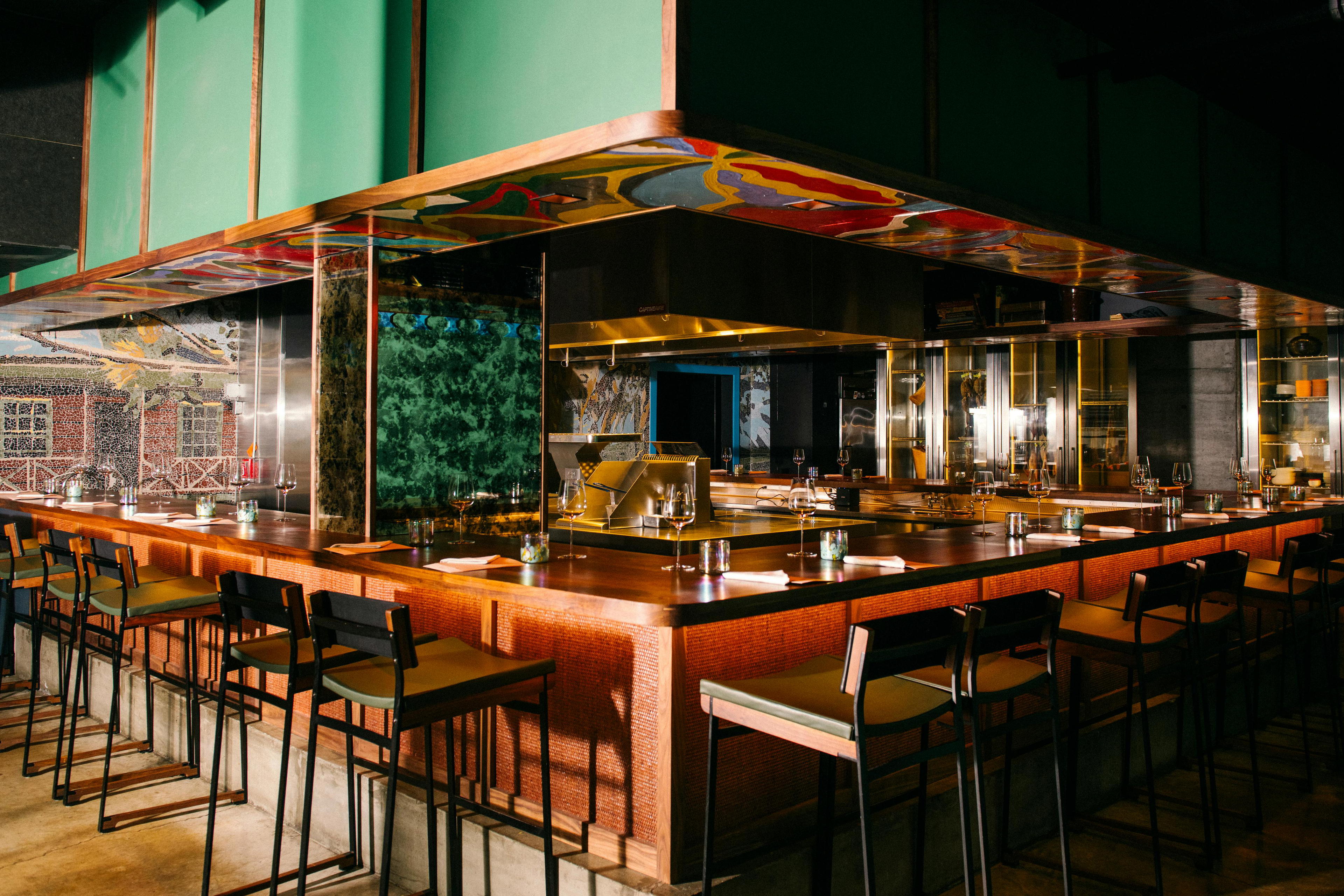
Bars in New York City
Browse all →
Hotels in New York City
Browse all →







At a Glance
- Cozy
- Warm
- Intimate
- Date Night
- Casual Hangout
- Group Dining
- Wine Cellar
- Extensive Wine List
Current opening hours
- Monday
- 10 AM–11 PM
- Tuesday
- 10 AM–11 PM
- Wednesday
- 10 AM–11 PM
- Thursday
- 10 AM–11 PM
- Friday
- 10 AM–11 PM
- Saturday
- 10 AM–11 PM
- Sunday
- 10 AM–11 PM
Hours can change for holidays and private events. Last verified .
Warm and comforting with a cozy bistro feel that transports guests to Georgia's wine culture.